
GameStop Frenzy: Retail Rebellion and Regulatory Reckoning
Unravel the GameStop saga: how Reddit traders sparked a market uprising, squeezed hedge funds, and drew intense scrutiny from securities watchdogs.
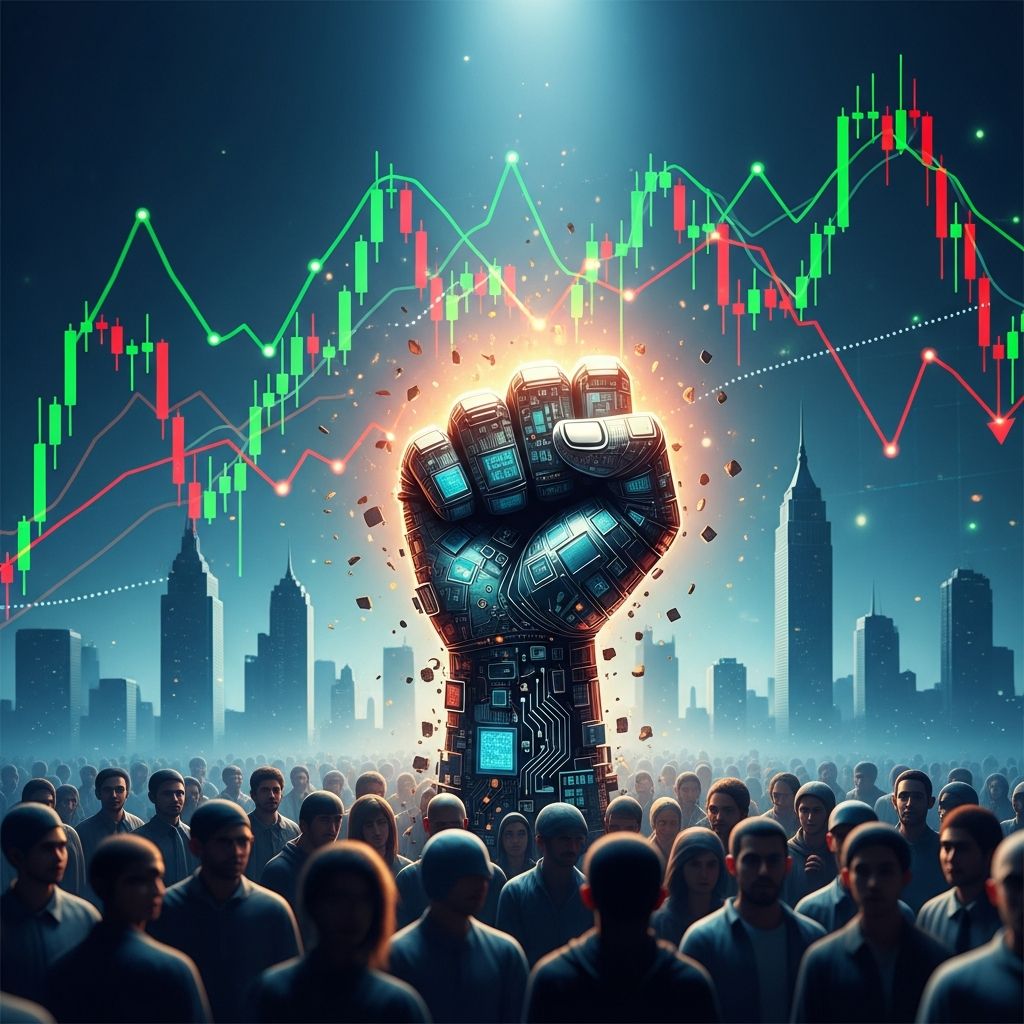
The GameStop stock saga of early 2021 stands as a pivotal moment in modern financial history, where everyday investors harnessed social media to challenge institutional giants. What began as discussions on Reddit’s WallStreetBets forum evolved into a massive short squeeze, propelling GameStop Corp. (GME) shares from under $20 to nearly $500 in weeks. This event exposed vulnerabilities in market structures, ignited debates on trading fairness, and prompted unprecedented regulatory interventions.
The Rise of Meme Stocks and Retail Power
Meme stocks, characterized by viral social media hype rather than traditional fundamentals, emerged as symbols of retail investor empowerment. GameStop, a struggling brick-and-mortar video game retailer, became the epicenter. Facing existential threats from digital streaming, its shares were heavily targeted by hedge funds betting on decline through short selling—where investors borrow and sell shares expecting to repurchase cheaper later.
By late 2020, short interest in GME exceeded 140% of float, meaning more shares were shorted than available for public trading. This overextension set the stage for vulnerability. Retail traders, dubbed ‘apes’ on WallStreetBets, coordinated buys to drive up prices, forcing shorts to cover at losses.
- Key Triggers: Social media buzz amplified bullish sentiment, with frequent Reddit mentions correlating to price spikes.
- Volume Explosion: Trading volume surged from 7 million shares on January 12 to 93 million by January 27.
- Price Trajectory: GME closed at $19.95 on January 12, rocketing to $347.51 by January 27—a 1,800% gain for early buyers.
This wasn’t isolated; stocks like AMC and BlackBerry joined the frenzy, but GME’s confluence of high short interest, media coverage, and online fervor made it legendary.
Mechanics of the Historic Short Squeeze
A short squeeze occurs when rising prices compel short sellers to buy back shares to limit losses, further fueling the ascent. In GME’s case, institutional shorts, including prominent hedge funds, faced billions in paper losses—estimated at $19.75 billion annually for some.
One standout figure was Keith Gill (Roaring Kitty), whose $53,000 investment ballooned to $48 million, showcasing individual triumphs amid collective action.
| Date | GME Price (Close) | Volume (Millions) | Short Interest (% Float) |
|---|---|---|---|
| Jan 12, 2021 | $19.95 | 7 | ~140% |
| Jan 27, 2021 | $347.51 | 93.45 | Declining |
| Intra-day High Jan 28 | $483 | Peak | N/A |
The table illustrates the meteoric rise, with volatility persisting post-peak. Prices retreated but remained elevated, underscoring sustained retail interest.
Broker Interventions: Robinhood’s Controversial Halt
On January 28, as GME hit intraday highs, Robinhood and other brokers restricted buying in GME and select meme stocks, allowing only position closures. This sparked outrage, lawsuits, and congressional scrutiny. Critics accused platforms of protecting hedge funds via payment for order flow (PFOF), where brokers route trades to market makers like Citadel for rebates.
Robinhood cited collateral requirements from clearinghouses amid surging volatility, but users saw it as market manipulation. Prior FINRA fines for best execution failures and 2020 outages fueled distrust.
- Immediate Fallout: Class-action suits alleged willful removal of GME trading.
- Political Heat: CEO testified before Congress alongside Reddit influencers and Citadel execs.
- Platform Growth: WallStreetBets subscribers jumped from 1.7M to 6M in weeks.
Regulatory Spotlight: SEC and Beyond
The SEC swiftly responded with investigations into trading halts, PFOF, misinformation, and potential manipulation. A joint statement vowed protection for retail investors against abusive practices.
Congressional hearings in February-May 2021 grilled stakeholders. The Financial Stability Oversight Council discussed systemic risks. SEC’s October 2021 staff report highlighted market structure issues: broker restrictions, digital engagement, dark pools, and short selling dynamics.
Probes targeted ‘pump and dump’ suspicions—coordinated hype to inflate then sell—but the decentralized, transparent nature of Reddit posts complicated collusion claims. No widespread charges ensued against retail groups due to scale and anonymity, though leaders faced scrutiny for disclosure failures like Schedule 13D.
Legal Ramifications and Investor Lessons
Litigation proliferated: shareholder suits against GameStop for misleading statements, broker suits for halts, and manipulation claims. Most settled or dismissed, but they signaled shifting liabilities.
Key lessons for investors:
- Volatility Risks: Meme-driven gains can evaporate; GME volatility stayed high post-event.
- Regulatory Evolution: Potential rules on PFOF, gamification of apps.
- Group Dynamics: Social coordination borders on manipulation if intent is solely to harm shorts.
For companies, sudden frenzies demand robust disclosure and crisis communication to manage hype.
Long-Term Market Impacts
The frenzy democratized investing, boosting app usage but raising concerns over speculation. It accelerated scrutiny of short selling’s role in price discovery versus predatory practices. Regulators now eye wholesale trading, off-exchange venues, and retail protections more closely.
By mid-2021, GME traded far above pre-event levels, buoyed by retail loyalty and company pivots like NFT marketplaces. The episode inspired cultural shifts, with ‘diamond hands’ symbolizing resolve.
Frequently Asked Questions (FAQs)
What caused the GameStop stock to skyrocket in January 2021?
Retail investors on Reddit’s WallStreetBets coordinated purchases to squeeze heavily shorted positions, driving prices from $20 to over $480 amid massive volume.
Why did Robinhood halt GameStop trading?
Robinhood cited elevated clearinghouse deposits due to volatility, restricting buys while allowing sells; this drew lawsuits and probes.
Is coordinating stock buys on social media illegal?
Not inherently, but if aimed at manipulation (e.g., artificial inflation for squeezes), it risks SEC enforcement, though scale protected most.
What regulatory changes followed the GameStop event?
SEC reports flagged PFOF, trading restrictions, and short dynamics for review; hearings led to ongoing rule-making considerations.
Can the GameStop squeeze happen again?
Possible with high short interest and social coordination, but enhanced oversight and broker preparedness may mitigate extremes.
This event reshaped perceptions of market power, proving retail voices could rival institutions, while underscoring needs for balanced regulations in a digital age.
References
- The GameStop Episode: What Happened and What Does It Mean? — Cato Institute. 2021-10-01. https://www.cato.org/cato-journal/fall-2021/gamestop-episode-what-happened-what-does-it-mean
- Inside the GameStop Saga: A Lesson in Narrative Attacks — Blackbird.AI. 2021-01. https://blackbird.ai/blog/gamestop-market-manipulation/
- What Just Happened? The GameStop Frenzy, Legal Questions — Parker Poe Adams & Bernstein LLP. 2021-02-01. https://www.parkerpoe.com/news/2021/02/what-just-happened-the-gamestop-frenzy-legal-questions
- The GameStop Short Squeeze: Potential Regulatory and Litigation Fallout — Gibson Dunn. 2021-02-01. https://www.gibsondunn.com/wp-content/uploads/2021/02/the-gamestop-short-squeeze-potential-regulatory-and-litigation-fall-out-and-considerations.pdf
- GameStop Brief — University of Toronto Investor Protection Clinic. 2021-08. https://ipc.law.utoronto.ca/sites/default/files/2021-08/IPC-Brief-GameStop.pdf
- The GameStop Short Squeeze as a Case Study in Business Law Education — Monmouth University. 2021. https://www.monmouth.edu/news/documents/the-gamestop-short-squeeze-as-a-case-study-in-business-law-education.pdf/
- SEC Staff Releases Report on Equity and Options Market Structure Conditions in Early 2021 — U.S. Securities and Exchange Commission. 2021-10-18. https://www.sec.gov/newsroom/press-releases/2021-212
Similar Articles








Read full bio of Sneha Tete




