
Fourth of July Safety for Rental Properties
Practical legal and safety strategies landlords can use to protect rental properties and tenants during Fourth of July celebrations.
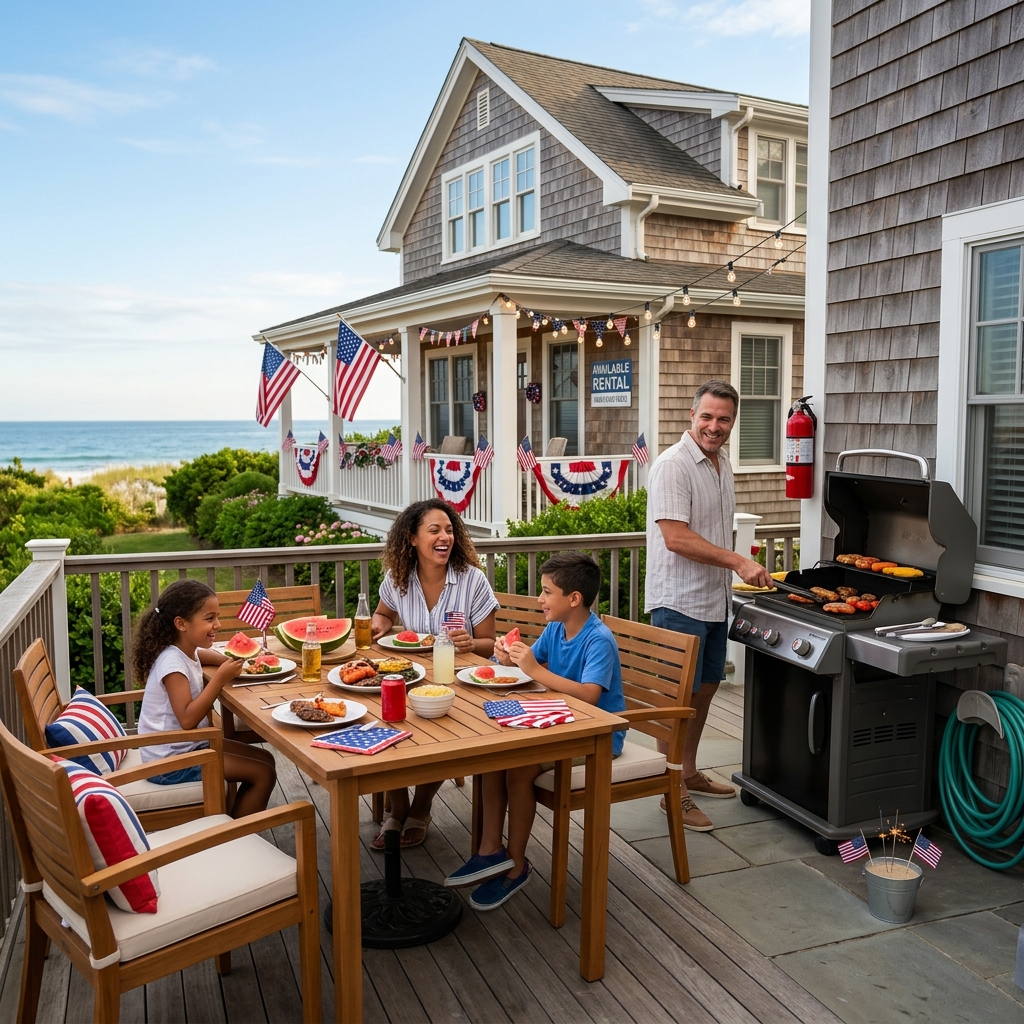
The Fourth of July brings cookouts, guests, and fireworks, but for landlords it also brings a higher risk of property damage, injuries, and legal exposure. This guide explains how to prepare your rental properties for Independence Day so tenants can celebrate safely while you protect buildings, people, and your liability.
Why Independence Day Requires Extra Attention From Landlords
Independence Day is one of the peak days for fires and fireworks-related injuries in the United States. According to the National Fire Protection Association (NFPA), fireworks cause thousands of emergency room visits and fires every year, with July 4th consistently ranking as a high-risk day. For rental housing, this risk is compounded by shared walls, limited exits, and common areas that can become crowded with guests.
As a landlord or property manager, you have a duty to maintain reasonably safe premises. That duty does not disappear on holidays; if anything, the combination of alcohol, grilling, and fireworks means your risk management efforts should increase.
Main risks landlords face on the Fourth of July
- Fire hazards from fireworks, grills, and discarded smoking materials.
- Property damage to roofs, siding, landscaping, and vehicles.
- Injuries to tenants, guests, or neighbors from burns or explosions.
- Nuisance issues such as noise, crowding, and parking problems.
- Legal liability if safety measures are inadequate or rules are unclear.
Know the Law: Fireworks, Fire Safety, and Local Rules
Before you set expectations for tenants, you must understand the legal framework that applies to your properties. Fireworks laws in the United States vary significantly by state, county, and city, and sometimes even by neighborhood.
Check fireworks legality in your jurisdiction
Many states and municipalities restrict or ban consumer fireworks, especially in areas with high wildfire risk or dense housing. For example, California’s Ready for Wildfire program emphasizes that residents must confirm whether fireworks are legal locally and use only those approved by state authorities when permitted.
Actions landlords should take:
- Review state statutes and local ordinances on fireworks use and sale.
- Confirm whether only “safe and sane” fireworks are allowed or all consumer fireworks are prohibited.
- Note whether your city restricts fireworks in multifamily housing, near schools, or in wildfire-prone zones.
Understand building and fire codes
In addition to fireworks-specific rules, landlords must comply with general fire safety codes. These include maintaining smoke alarms, clear exits, and functional fire extinguishers. Safety guides from fire agencies stress the importance of defensible space, keeping flammable materials away from ignition sources, and ensuring access for emergency responders.
Key code-related considerations:
- Are smoke alarms and CO detectors installed and tested?
- Are egress routes free of storage, decorations, or grills?
- Are approved fire extinguishers available in common areas?
Update Your Lease and House Rules Before the Holiday
Your most powerful tool for managing Fourth of July risks is the written lease and any attached community rules. Clear language reduces disputes and helps you enforce safety standards fairly.
Fireworks and open flame clauses
To reduce fire risk, many landlords either prohibit fireworks entirely or restrict their use to very specific conditions. Given NFPA’s recommendation to avoid consumer fireworks due to injury and fire risk, a conservative policy is often justified.
Topics to address in the lease or rules:
- Whether fireworks are banned on all property grounds, including parking lots and balconies.
- Any allowances for small, legal fireworks used away from buildings and dry vegetation, if permitted.
- Consequences for violations, such as fines or lease enforcement actions.
Grilling and outdoor cooking policies
Holiday cookouts are a frequent trigger for accidental fires, especially when grills are used on balconies or too close to buildings. Fire safety guidance recommends keeping grills away from structures, supervising them at all times, and having extinguishers nearby.
Consider including rules that:
- Ban grills on balconies or in enclosed spaces.
- Require grills to be placed a safe distance from any walls, fences, or overhanging trees.
- Mandate supervision any time a grill is lit and prohibit use by children.
Guest, noise, and common area rules
Holiday gatherings can strain parking, stairwells, and shared yards. To maintain order and safety, landlords should clarify:
- Limits on overnight guests and large parties.
- Quiet hours and noise expectations during holiday weekends.
- Rules for alcohol consumption in common areas.
Communicating Expectations to Tenants
Rules are only effective if tenants know them. Proactive communication reduces misunderstandings and demonstrates that you take safety seriously.
Pre-holiday safety notice
Send a brief but clear message at least a week before July 4th. This can be by email, text, or printed notices posted in common areas and delivered to units. Consider including:
- A reminder of fireworks policy and any local legal restrictions.
- Basic fire safety tips for grills, smoking, and decorations.
- Instructions for reporting safety concerns or emergencies.
Educating tenants about risk
Research on fire safety education indicates that informed residents are more likely to follow rules and take precautions, which helps protect rental properties. Instead of simply saying “no fireworks,” explain the reasons:
- Shared housing means a single spark can endanger multiple families.
- Fireworks can ignite roofs, dry landscaping, and wooden balconies.
- Local fines and legal penalties may apply for illegal fireworks or unsafe behavior.
Practical Fire Safety Measures Around the Property
Clear rules should be paired with physical safeguards to reduce the chance that a careless act becomes a disaster. The aim is to minimize ignition sources and fuel for fire.
Prepare the grounds
Fire safety organizations recommend clearing dry vegetation and debris to reduce wildfire and structural fire risks. Before the holiday, conduct a quick inspection of the property:
- Remove dry leaves, pine needles, and trash from yards, gutters, and around structures.
- Trim overgrown shrubs near balconies, porches, and fences.
- Clear common areas of combustible materials, such as cardboard or unused furniture.
Ensure fire suppression tools are ready
Basic equipment can make the difference between a minor incident and a major loss. Home safety guidance emphasizes the value of accessible fire extinguishers and water sources.
| Tool | Location | Purpose |
|---|---|---|
| Fire extinguishers | Hallways, laundry rooms, near grills | Quickly respond to small fires before they spread. |
| Garden hoses | Exterior spigots near yards and parking areas | Extinguish smoldering fireworks, charcoal, or small grass fires. |
| Buckets of water | Near any permitted fireworks or grills | Soak used fireworks and embers to prevent reignition. |
Safe areas and restricted zones
If local law allows some fireworks or grilling, designate specific areas where activities are permitted and clearly mark areas where they are forbidden:
- Allow grilling only in ground-level, open spaces away from structures, branches, and dry grass.
- Prohibit fireworks in parking garages, balconies, rooftops, or near vehicles and fences.
- Keep children and pets away from any ignition areas and supervise them closely.
Managing Fireworks If Tenants Use Them
In some jurisdictions, limited consumer fireworks may be legal, and tenants may insist on using them despite your recommendations. If you do not or cannot fully prohibit fireworks, set strict safety conditions.
Essential fireworks safety rules
Fire safety organizations provide consistent guidance on how to reduce risks when fireworks are used:
- Keep fireworks away from homes, decks, vehicles, and overhanging trees.
- Use fireworks only in open outdoor areas, never near dry grass or other flammable materials.
- Never allow children to handle fireworks; even sparklers can reach extreme temperatures and cause burns.
- Do not attempt to relight “dud” fireworks; soak them in water before disposal.
- Have a hose, bucket of water, or extinguisher nearby at all times and soak used fireworks thoroughly.
Encouraging professional displays instead
NFPA and other safety groups strongly recommend attending professional fireworks displays rather than using consumer fireworks at home, noting that public shows are conducted by trained operators and reduce risk. Consider sharing information about local public events with tenants and reminding them that such shows are safer and often more impressive than backyard fireworks.
Emergency Planning and Response
Even with preparation, accidents can happen. A simple emergency plan helps tenants respond effectively and limits damage.
Give tenants clear instructions
Tenants should know exactly what to do and whom to contact in an emergency. Your pre-holiday notice or posted signage can include:
- Instructions to call 911 immediately if a fire begins to spread or if someone is injured.
- Building-specific evacuation routes and meeting points.
- Your emergency contact number for non-life-threatening issues, such as minor property damage.
After an incident
If a fire or serious safety incident does occur:
- Ensure that emergency responders have secured the scene and declared it safe.
- Document damage with photos, video, and written notes.
- Notify your insurance carrier promptly and follow their guidance.
- Consider professional restoration services to address smoke or water damage, as recommended by property risk management organizations.
Balancing Safety With a Positive Tenant Experience
Strict rules can sometimes feel restrictive to tenants. The goal is not to prevent celebration but to ensure that celebrations do not end in tragedy. When communicating and enforcing policies, emphasize that your approach protects the entire community.
Strategies for a cooperative tone
- Frame policies as community protection measures, not arbitrary bans.
- Offer alternatives, such as recommending nearby public fireworks shows or organizing a small, safe event in a common area.
- Recognize tenants’ desire to celebrate and show appreciation for responsible behavior.
Post-holiday follow-up
After the holiday weekend, walk the property to identify any damage or safety issues and send a brief note thanking tenants for cooperation. If you observed problems, use them as learning points to refine future policies and communication.
Frequently Asked Questions for Landlords
Can I completely ban fireworks at my rental property?
In many cases, yes. As long as your lease clearly states the prohibition and it does not conflict with local law, you may restrict or ban fireworks on your property. Given the injury and fire risks highlighted by NFPA, many landlords choose a full ban, especially in multifamily housing.
Do I have to provide fire extinguishers for tenants?
Local building and fire codes generally require certain fire safety devices. While requirements vary, safety organizations strongly recommend accessible extinguishers near grills and in common areas. Consult your local fire department or building code official to ensure compliance.
What if tenants use illegal fireworks despite my rules?
If tenants violate both the law and your lease, treat it as a serious breach. Document the behavior, remind them of the rules in writing, and apply the lease’s enforcement mechanisms, which may include warnings, fines, or, in severe cases, termination proceedings. You should also report particularly dangerous or illegal activity to local authorities when appropriate.
How can I reduce fire risk if I cannot be on-site?
Prepare in advance: send safety notices, verify that alarms and extinguishers are functional, clear flammable debris, and designate safe areas for permitted activities. Ensure tenants know how to reach you or your property manager and what to do in an emergency, including calling 911.
Do I need to change my lease just for the Fourth of July?
Instead of temporary rules, many landlords adopt permanent provisions covering fireworks, open flames, grilling, and large gatherings. These apply year-round, but you can highlight them before holidays when risks are higher.
References
- Fireworks — National Fire Protection Association (NFPA). 2023-06-01. https://www.nfpa.org/education-and-research/home-fire-safety/fireworks
- Fireworks Safety — Ready for Wildfire (CAL FIRE). 2023-05-15. https://www.readyforwildfire.org/prevent-wildfire/fireworks-safety/
- Fireworks Safety Tips: How to Help Protect Your Home and Property This Fourth of July — Risk Management Center (RMC). 2022-06-20. https://rmc.com/blog/fireworks-safety-tips-how-to-help-protect-your-home-and-property-this-fourth-of-july/
- 4th of July Safety Tips — First Alert. 2023-06-20. https://www.firstalert.com/blogs/safety-corner/4th-of-july-safety-tips
- How Proactive Resident Education Helps Protect Your Rental Property — Ashoka Lion. 2021-06-25. https://www.ashokalion.com/fireworks-safety-landlords
Similar Articles








Read full bio of medha deb


