
Forest Fire Laws: When Causing a Wildfire Becomes a Crime
Learn how criminal laws, negligence standards, and financial liability apply when human actions spark destructive forest fires and wildfires.
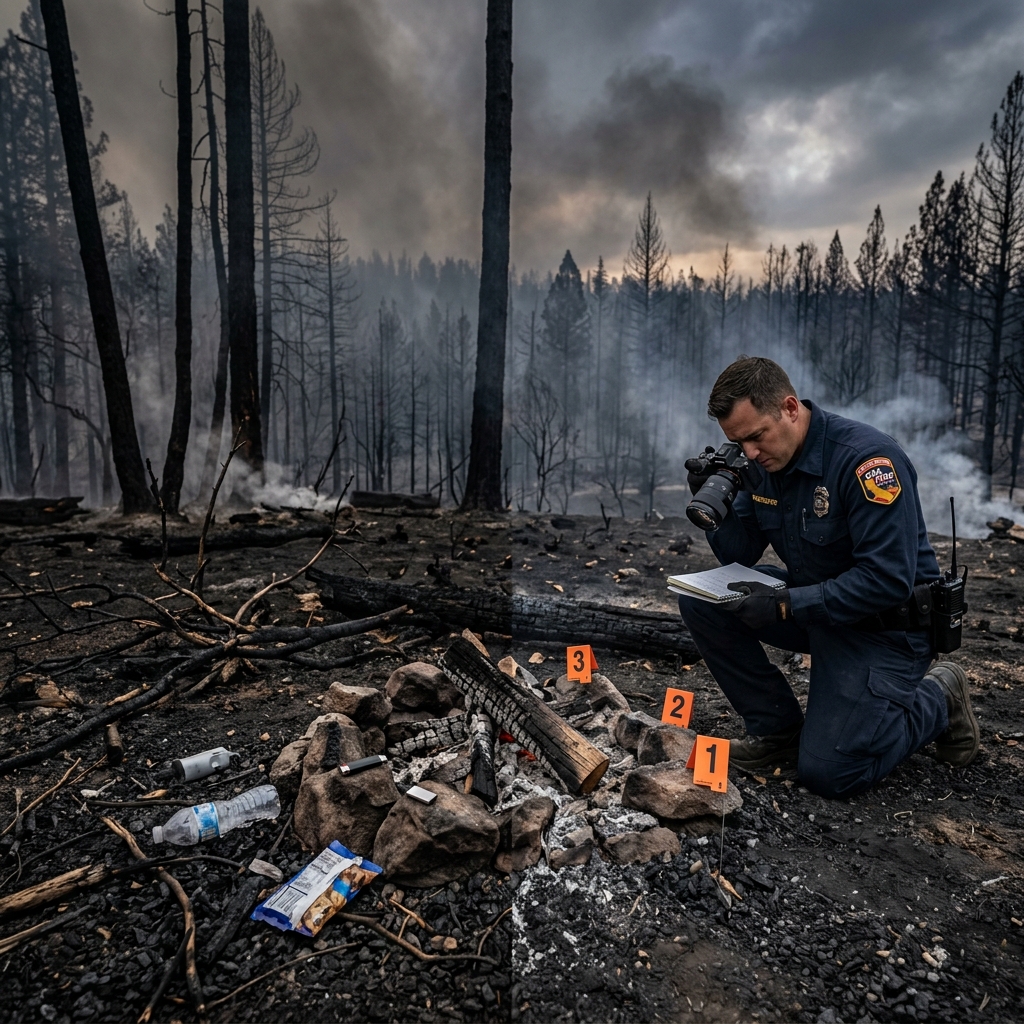
Forest fires and wildfires can start in seconds and destroy communities, ecosystems, and critical infrastructure. When the flames are traced back to a person’s actions, the consequences are not only environmental and economic — they are often criminal and civil as well.
This article explains how the law treats human-caused forest fires, when jail is possible, how negligence works, what kinds of costs you can be forced to pay, and how to reduce your legal risk if you live, work, or recreate in fire-prone areas.
Understanding Forest Fires and Why Lawmakers Take Them Seriously
A forest fire or wildfire is generally defined as an uncontrolled fire that spreads through vegetation such as trees, brush, or grass. These fires can erupt in remote forests, near suburbs, or along utility corridors, and they frequently cross property lines, roads, and jurisdictional boundaries.
Modern wildfire seasons are longer and more intense in many regions. Human activity plays a major role: according to federal and state sources, the vast majority of wildfires in the United States are started by people, not lightning. That reality explains why lawmakers and prosecutors treat human-caused fires as a serious public safety issue.
- High human contribution: National and state agencies estimate that around 90% of U.S. forest fires are caused by human activity.
- Severe environmental impact: Wildfires degrade air quality, damage watersheds, kill wildlife, and alter ecosystems.
- Public health harms: Smoke plumes can travel hundreds or thousands of miles, worsening respiratory and cardiovascular conditions for people far from the fire zone.
- Massive economic losses: Suppression costs, property damage, lost timber, and business interruption can reach millions or even billions of dollars in major incidents.
Given these stakes, it is unsurprising that causing a forest fire — even without intending it — can trigger both criminal prosecution and civil lawsuits.
Common Human Causes of Forest Fires
Official wildfire investigation programs identify a range of typical human ignition sources. Understanding these causes helps illustrate where legal responsibility often arises.
| Cause Category | Examples | Key Legal Risk |
|---|---|---|
| Arson | Intentionally set fires to property, vegetation, or structures | Felony charges, long prison terms, high fines |
| Debris & open burning | Yard waste piles, burn barrels, ditch burning, land clearing fires | Negligence liability if fire escapes containment |
| Campfires & recreation | Unattended campfires, poorly extinguished fire rings, ceremonial burns | Misdemeanor or felony charges depending on intent and damage |
| Equipment & vehicles | Sparks from machinery, hot exhaust, chains dragging on pavement | Negligence or regulatory violations; corporate liability possible |
| Utilities & power lines | Line contact with vegetation, faulty transformers, improper maintenance | Mass tort civil liability; occasional criminal investigation |
| Smoking & fireworks | Discarded cigarettes, consumer fireworks in dry conditions | Fines, criminal charges, and cost recovery for suppression |
Most human-caused fires arise from ordinary activities — burning debris, enjoying a campfire, using equipment, or maintaining property. The law focuses less on the activity itself and more on whether the person behaved responsibly and followed applicable safety rules.
Criminal Liability: When Causing a Fire Becomes a Crime
Causing a forest fire can lead to criminal charges even if you did not intend to harm anyone. The exact charges vary by jurisdiction, but several common patterns appear in state statutes and enforcement practice.
Intentional Fires: Arson and Related Offenses
When someone deliberately sets a fire, prosecutors typically consider arson or similar felony charges. These crimes usually require proof that the person:
- Intentionally started a fire or caused an explosion; and
- Did so to damage property, structures, or wildland, or in disregard of human life.
Arson statutes often carry severe penalties, including many years of prison time and substantial fines, especially if the fire causes injury, death, or extensive damage. In some states, different degrees of arson target structures, vehicles, or wildland areas specifically.
Reckless or Negligent Fires: Lesser Criminal Charges
Not every criminal wildfire case involves malicious intent. Some laws criminalize causing a fire through recklessness or criminal negligence. In these cases, the government typically must show that the person’s behavior was far below what a reasonable, careful person would do under similar circumstances.
Examples include:
- Leaving a campfire burning and unattended in dry, windy conditions.
- Burning debris during a posted burn ban or without required permits.
- Using fireworks in an area experiencing extreme fire danger.
These offenses are often charged as misdemeanors or lower-level felonies. Penalties can range from fines and probation to short jail terms, with harsher consequences if the fire spreads widely or causes serious injury or death.
Failure to Follow Fire Safety Regulations
Many jurisdictions have detailed regulations governing burning practices, firebreaks, and equipment use in fire-prone areas. Violating these rules can be treated as a separate offense and also serve as evidence of negligence or recklessness.
Common regulatory violations include:
- Burning without a required permit.
- Ignoring posted restrictions or red flag warnings.
- Failing to maintain defensible space or clear vegetation near certain high-risk activities.
Even if no major fire results, a pattern of violations may lead to escalating fines and, in some cases, criminal prosecution.
Civil Liability: Who Pays for Damage When a Fire Escapes?
In addition to criminal exposure, causing a forest fire almost always creates potential civil liability. Civil law focuses on compensating victims and shifting financial losses to those who caused or contributed to the harm.
Negligence: The Core Standard for Most Fire Loss Lawsuits
Most wildfire-related civil cases are based on negligence. To prove negligence, plaintiffs usually must show:
- The defendant owed a duty of reasonable care (for example, to prevent their fire from escaping).
- The defendant breached that duty by acting unreasonably or violating regulations.
- The breach caused or significantly contributed to the forest fire.
- The plaintiffs suffered damages (property loss, injuries, economic harm).
Courts often look at whether the person planned appropriately, followed guidance, watched the fire, and had tools or water available. Proper planning and exercise of due care are repeatedly emphasized in legal analyses as essential to avoiding liability for escaped fires.
Potentially Liable Parties
Forest fire liability rarely stops with the individual who struck the match. Depending on the facts, several groups can face claims:
- Individual landowners who start or allow fires that escape their property.
- Utility companies whose equipment failings or vegetation management issues ignite or worsen fires.
- Businesses and contractors using machinery or performing work in ways that create sparks or heat in dry vegetation.
- Government agencies in limited circumstances, such as alleged failures in forest management or negligence in prescribed burns.
Assigning liability is often complex and requires detailed investigation, modeling of fire spread, and expert testimony. In major fires, dozens or hundreds of defendants may be named.
Types of Civil Damages
If found liable, a defendant may have to compensate victims and governments for a wide range of losses:
- Destroyed homes and personal property.
- Timber and agricultural losses.
- Business interruption and lost income.
- Medical expenses and wrongful death damages.
- Costs of firefighting, evacuation, and cleanup, including federal or state cost recovery claims.
Government entities sometimes seek reimbursement for suppression costs that can reach millions of dollars in a single incident. That exposure exists even when the initial fire appears small or accidental.
Prescribed Fire and Land Management: Special Legal Considerations
In many regions, experts consider prescribed fire — intentionally set and carefully managed burns — essential for reducing fuel loads and maintaining healthy ecosystems. However, these beneficial fires also carry legal risk if they escape.
Key legal points around prescribed fire include:
- Statutes or regulations may authorize or even encourage controlled burning as part of land management.
- Landowners and agencies still must plan thoroughly, monitor the burn, and use due care to avoid escape.
- Failure to follow prescribed burning plans or standards can lead to negligence claims and, in rare cases, criminal investigation.
In short, prescribed fire can be both a legal duty and a legal risk, making planning, documentation, and adherence to guidelines critical.
Practical Steps to Reduce Legal Risk When Using Fire
While laws differ by jurisdiction, several practical steps are widely recognized as essential for reducing both fire risk and legal exposure.
Before You Light a Fire
- Check regulations and weather: Confirm burn bans, permitting requirements, and local fire danger ratings.
- Obtain permits if necessary: Many areas require burn permits or authorization for debris burning or land-clearing fires.
- Choose safe conditions: Avoid burning on hot, dry, or windy days when embers can easily travel.
- Prepare the site: Clear flammable material around the burn area and establish firebreaks where appropriate.
- Arrange suppression tools: Keep water, tools, and communication devices available in case something goes wrong.
While the Fire Is Burning
- Maintain constant supervision: Never leave a campfire, debris burn, or other open flame unattended.
- Control fuel loads: Avoid building fires larger than necessary and keep them within designated rings or pits.
- Monitor wind and ember drift: If conditions change, be ready to extinguish the fire promptly.
Extinguishing and Follow-Up
- Fully extinguish the fire: Use water, stir ashes, and feel for residual heat; if it is too hot to touch, it is too hot to leave.
- Inspect the area: Check nearby vegetation and structures for smoldering material or spot fires.
- Document and learn: For landowners and managers, keeping records of burns and lessons learned supports due care in future activities.
These steps not only prevent harm but also demonstrate responsible behavior, which can matter if your actions are later scrutinized in an investigation or lawsuit.
Frequently Asked Questions About Forest Fire Liability
Can I go to jail for accidentally starting a forest fire?
Yes, it is possible. Many states allow criminal charges when someone causes a fire through recklessness or criminal negligence, even if they did not intend the outcome. Jail is more likely if the fire causes serious injury, death, or extensive damage. However, truly unavoidable accidents that involve reasonable care may not result in prosecution.
What if my campfire escapes but is quickly controlled?
If your campfire escapes and burns surrounding vegetation, you could face fines, citations, or civil liability, especially if rules or burn bans were violated. Whether criminal charges are filed often depends on damage, intent, and your level of care. Reporting the incident promptly and cooperating with authorities typically works in your favor.
Can I be sued even if no one was hurt?
Yes. Civil liability focuses on property and financial losses as well as injuries. If your actions cause a fire that damages structures, timber, crops, or other property, you may be sued for those losses and for firefighting costs. Physical injury is not required for civil claims.
Are utility companies or governments held to different standards?
Utility companies and government agencies may face large-scale liability if their equipment failures or management practices contribute to major fires. The specific legal standards can differ, and issues such as sovereign immunity and regulatory frameworks may affect how and when they can be sued. Nonetheless, investigations often scrutinize their conduct closely.
How can I tell if I need a lawyer after a fire incident?
If a fire connected to your property, equipment, or activities draws attention from law enforcement, fire investigators, or insurance companies, consulting a qualified attorney is wise. Indicators include injuries, substantial property damage, government cost recovery efforts, or any suggestion of criminal charges. Legal advice is especially important before giving detailed statements.
Key Takeaways for Property Owners and Outdoor Users
- Most forest fires are human-caused, and the law holds people accountable when they ignore risks or regulations.
- Criminal charges can range from misdemeanors for negligent burning to serious felonies for arson.
- Civil liability can involve massive compensation claims, including firefighting costs borne by governments.
- Careful planning, compliance with regulations, and vigilant fire control greatly reduce both physical danger and legal exposure.
- Prescribed fire and land management practices carry their own legal framework, making adherence to plans and standards critical.
References
- Will I Go to Jail for Accidentally Starting a Wildfire? — Gimbel, Reilly, Guerin & Brown, LLP. 2021-08-10. https://www.grgblaw.com/wisconsin-trial-lawyers/will-i-go-to-jail-for-accidentally-starting-a-wildfire-wi
- Legal Implications Associated with Use and Control of Fire as a Management Practice — White, D.B., Tall Timbers Research Station. 1991-01-01. https://talltimbers.org/wp-content/uploads/2018/09/375-White1991_op.pdf
- Wildfire Investigation — National Interagency Fire Center. 2024-03-01. https://www.nifc.gov/fire-information/fire-prevention-education-mitigation/wildfire-investigation
- Liability in a Wildfire Accident — Arias Sanguinetti Wang & Torrijos, LLP. 2023-05-15. https://aswtlawyers.com/faqs/who-can-be-held-liable-for-wildfire/
- Forest Fire: Understanding Its Legal Definition and Impact — US Legal Forms Legal Resources. 2022-06-01. https://legal-resources.uslegalforms.com/f/forest-fire
- Forest Fires: The Basics and What it Means for You — Michigan State University Institute for Public Policy and Social Research. 2015-09-01. https://ippsr.msu.edu/public-policy/michigan-wonk-blog/forest-fires-basics-and-what-it-means-you
- All About Wildfires: Causes, Effects, and Educational Activities — Project Learning Tree. 2020-07-15. https://www.plt.org/educator-tips/wildfires-causes-effects-educational-activities/
Similar Articles








Read full bio of medha deb




