
Florida Elder Law: Essential Rights And Resources For Seniors
A practical overview of the legal protections that help Florida seniors stay safe, independent, and respected.
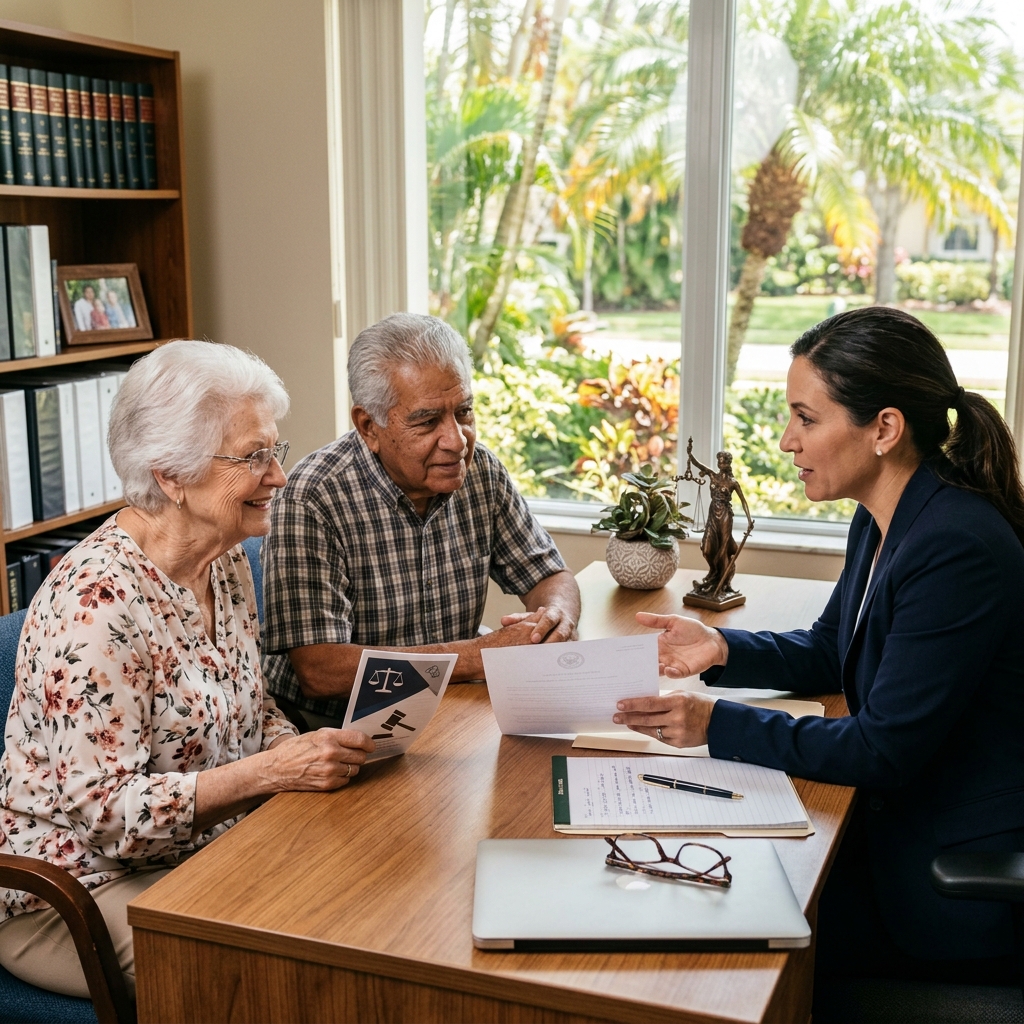
Florida has a broad set of legal protections designed to help older adults live safely, maintain independence, and access fair treatment in daily life. Those protections touch many areas, from abuse prevention and housing to public accommodations, employment, benefits, and legal assistance. For seniors and families, understanding these rules can make it easier to recognize problems early and use the right resources when they arise.
This guide explains the main rights that matter most for older Floridians. It also outlines the agencies and programs that can help when a senior faces neglect, discrimination, exploitation, or a loss of independence. The focus is practical: what the law protects, how those protections work, and where help may be available.
Why elder law matters in Florida
Older adults often deal with legal issues that are different from those faced by younger people. A senior may need help paying for long-term care, responding to financial abuse, preserving a home, or making sure medical decisions are respected. Elder law brings these subjects together so families can plan ahead and respond to crisis situations in an informed way.
Florida’s older population is large and growing, which makes legal protections especially important. The state’s laws are meant to reduce harm, preserve dignity, and support safe aging in the community. In practice, that means the law does not only punish abuse after it happens; it also creates reporting duties, oversight programs, and access to legal help so problems can be addressed earlier.
Protection from abuse, neglect, and exploitation
One of the most important areas of protection is elder abuse prevention. Florida law requires certain professionals, including healthcare workers and social workers, to report suspected abuse, neglect, or exploitation of older adults. This reporting system is meant to bring concerns to the attention of investigators and protective services quickly.
Abuse may involve physical harm, threats, emotional mistreatment, or unwanted confinement. Neglect can include failing to provide proper care, food, medication, or supervision. Exploitation often involves the misuse of an older person’s money, property, or identifying information. Because these harms may happen gradually or behind closed doors, mandatory reporting plays a critical role in identifying danger.
- Physical abuse includes hitting, restraining, or causing injury.
- Neglect can involve failing to meet basic care needs.
- Financial exploitation may include theft, fraud, or pressure to sign documents.
- Emotional abuse may include humiliation, intimidation, or isolation.
When abuse is suspected, family members, neighbors, caregivers, and service providers should act promptly. Early reporting can reduce harm and connect the senior to support services. Even if the facts are not yet fully clear, a concern should not be ignored when safety may be at risk.
Guardianship and the right to make personal decisions
Florida law recognizes that adults generally have the right to manage their own affairs. Guardianship is used only when a court decides that a person cannot make certain decisions safely or independently. Because guardianship can take away significant rights, the process includes legal safeguards.
A senior who can still handle personal or financial matters has the right to oppose a guardianship petition. The person is also entitled to legal representation in the proceeding. If the individual cannot afford an attorney, the court must appoint one. These protections matter because guardianship can affect choices about money, residence, medical care, and other essential life decisions.
| Issue | General protection | Why it matters |
|---|---|---|
| Decision-making | Adults keep control unless a court finds otherwise | Preserves independence |
| Legal representation | Right to an attorney in guardianship cases | Helps protect due process |
| Court review | Judges must examine the evidence before restricting rights | Prevents unnecessary guardianship |
In many cases, less restrictive alternatives may be possible. Families sometimes solve concerns through powers of attorney, advance directives, or supported decision-making arrangements instead of guardianship. Those tools can preserve autonomy while still adding structure and oversight.
Rights in housing and public accommodations
Older adults are protected from age-based discrimination in several settings. Housing is one of the most important. Seniors should not be denied fair housing opportunities simply because of age, and laws that apply to housing discrimination are intended to prevent unfair treatment in renting, buying, or accessing housing-related services.
Public accommodations also matter. Seniors must be able to use ordinary public services without facing exclusion based on age. In addition, disability-related protections can require accessibility accommodations in places such as transportation systems, businesses, and public facilities. As people age, mobility, hearing, vision, or other physical limitations may become more common, so accessibility rules are often crucial to everyday life.
- Housing protections help stop discriminatory refusals or unequal terms.
- Accessibility rules support safer entry and use of public spaces.
- Public service access helps seniors reach transportation and community resources.
These protections are especially important when a senior is relocating, looking for assisted living, or trying to remain in a long-term home. Fair treatment in housing can determine whether an older adult stays independent or faces unnecessary displacement.
Employment protections for older workers
Many Florida residents continue working past traditional retirement age, either by choice or because they need income and benefits. Age alone should not be used to block employment opportunities. Florida law generally protects older workers from being denied hiring, promotion, or continued work solely because they are older.
This matters in several ways. A worker should not be pushed out of a job simply because an employer assumes an older employee is less capable. Likewise, an employer should not refuse to interview or promote a qualified candidate based on age stereotypes. The law is designed to keep workplace decisions tied to performance and qualifications instead of bias.
Some older adults also benefit from job support programs aimed at helping seniors stay connected to the workforce. These programs can provide work experience, job placement help, or part-time opportunities for people who need income and want to remain active. For seniors interested in working, legal protection and job assistance often go hand in hand.
Consumer protection and financial safety
Scams and deceptive business practices can be especially harmful to seniors, especially when they target savings, retirement income, or home equity. Florida consumer protection laws are intended to reduce fraud and unfair business conduct. These rules can apply to misleading sales tactics, false promises, hidden fees, and other forms of deception.
Financial institutions also play an important role. When banks or similar institutions suspect financial exploitation, they may be expected to take action to protect vulnerable customers. That can mean reviewing unusual transactions, pausing suspicious activity, or alerting the appropriate authorities. These safeguards are particularly important for seniors who may depend on direct deposits, automatic bill pay, or assistance from trusted helpers.
Practical warning signs of financial abuse may include:
- Sudden withdrawals or transfers that do not match normal habits
- New names added to accounts without a clear explanation
- Pressure to change a will, deed, or power of attorney
- Unpaid bills despite adequate available funds
Families can reduce risk by checking account activity regularly, limiting access to sensitive information, and encouraging the use of trusted financial contacts. Where necessary, legal tools can also be used to add oversight without eliminating independence.
Health care, long-term care, and resident advocacy
Many elder law issues arise when a senior needs ongoing medical care or residence in a care facility. Florida has advocacy programs that work to protect residents of nursing homes, assisted living facilities, and similar settings. These programs help monitor care quality, investigate complaints, and support resident rights.
Long-term care issues often overlap with questions about money, consent, and family authority. A senior may need help understanding bills, choosing care settings, or challenging poor treatment. Advocacy systems are important because residents may be reluctant or unable to complain on their own. When quality of care is at stake, outside oversight can make a significant difference.
Related legal planning can also help seniors prepare for future care needs. Documents such as health care directives, powers of attorney, and estate plans give people more control before a crisis occurs. Planning ahead can reduce conflict and make it easier for family members to act in a senior’s best interest.
Tax and property relief options
Florida provides property tax relief measures that can help seniors remain in their homes. One important example is the homestead exemption, which can reduce property tax burdens for eligible homeowners. For many older adults living on fixed incomes, lower property taxes can make the difference between keeping and losing a home.
Property-related benefits vary by eligibility rules, residency status, and local requirements. Seniors and families should review available exemptions carefully because missing a filing deadline or documentation requirement can mean losing valuable savings. In some cases, local tax offices or legal aid providers can help determine what benefits are available.
Where seniors can find legal help
Florida has several entry points for seniors who need legal support. Some programs offer free or low-cost civil legal advice for eligible older adults. Others connect seniors with county legal aid offices, area agencies on aging, or state-level elder affairs resources. These organizations can help with benefits, housing, abuse concerns, guardianship questions, and other civil matters.
Legal aid is especially useful when a senior cannot afford private counsel. In addition to advice, some programs may provide brief services, referrals, or direct representation in certain cases. Because elder law problems often involve time-sensitive facts, reaching out early can improve the range of available options.
Good places to look for help include:
- Local legal aid offices
- Area agencies on aging
- State elder affairs resources
- The Florida Bar or county bar referral services
Frequently asked questions
Can someone report suspected elder abuse anonymously?
Reporting systems are designed to make it easier to raise concerns about abuse, neglect, or exploitation. In many situations, callers can share information without personally managing an investigation. What matters most is getting the concern to the proper authorities quickly.
Does turning 65 remove a person’s legal rights?
No. Age does not erase a person’s right to work, live in housing free from discrimination, use public services, or manage personal affairs unless a court says otherwise. Florida law is intended to preserve rights, not take them away because a person is older.
What should a family do if a senior may need guardianship?
The family should first consider whether less restrictive options could solve the problem. If guardianship still seems necessary, the process should be handled carefully through the court, with full attention to the senior’s rights and access to counsel.
Where can older adults get free legal advice in Florida?
Eligible seniors may be able to receive help through legal aid offices, elder affairs resources, and related civil legal programs. Local agencies on aging and bar referral services can often direct a person to the right place.
Knowing your rights can prevent bigger problems
Legal protections for Florida seniors are strongest when people know they exist and act before a problem grows. Abuse reporting, anti-discrimination rules, guardianship safeguards, financial protections, and legal aid programs all serve the same goal: helping older adults stay safe while preserving as much independence as possible.
For seniors, caregivers, and family members, the most effective approach is to stay alert, document concerns, and seek help early. A well-timed call to a legal aid office, protective services agency, or elder law professional can often prevent a difficult situation from becoming a crisis.
References
- Florida Elder Law — Florida Department of Elder Affairs. 2026-07-09. https://law.elderaffairs.org
- Florida Abuse Hotline — Florida Department of Children and Families. 2026-07-09. https://www.myflfamilies.com/services/abuse/abuse-hotline
- Long-Term Care Ombudsman Program — Florida Department of Elder Affairs. 2026-07-09. https://elderaffairs.org/programs-services/long-term-care-ombudsman-program/
- Florida Senior Legal Helpline — Florida Department of Elder Affairs. 2026-07-09. https://elderaffairs.org/programs-services/legal-services/
- Age Discrimination — U.S. Equal Employment Opportunity Commission. 2026-07-09. https://www.eeoc.gov/age-discrimination
- Fair Housing Act — U.S. Department of Housing and Urban Development. 2026-07-09. https://www.hud.gov/program_offices/fair_housing_equal_opp/fair_housing_act_overview
Similar Articles








Read full bio of Sneha Tete


