Fitness Trackers: Boosting Attorney Performance
Discover how wearable fitness devices like pedometers enhance lawyers' productivity, health, and even case strategies in modern legal practice.
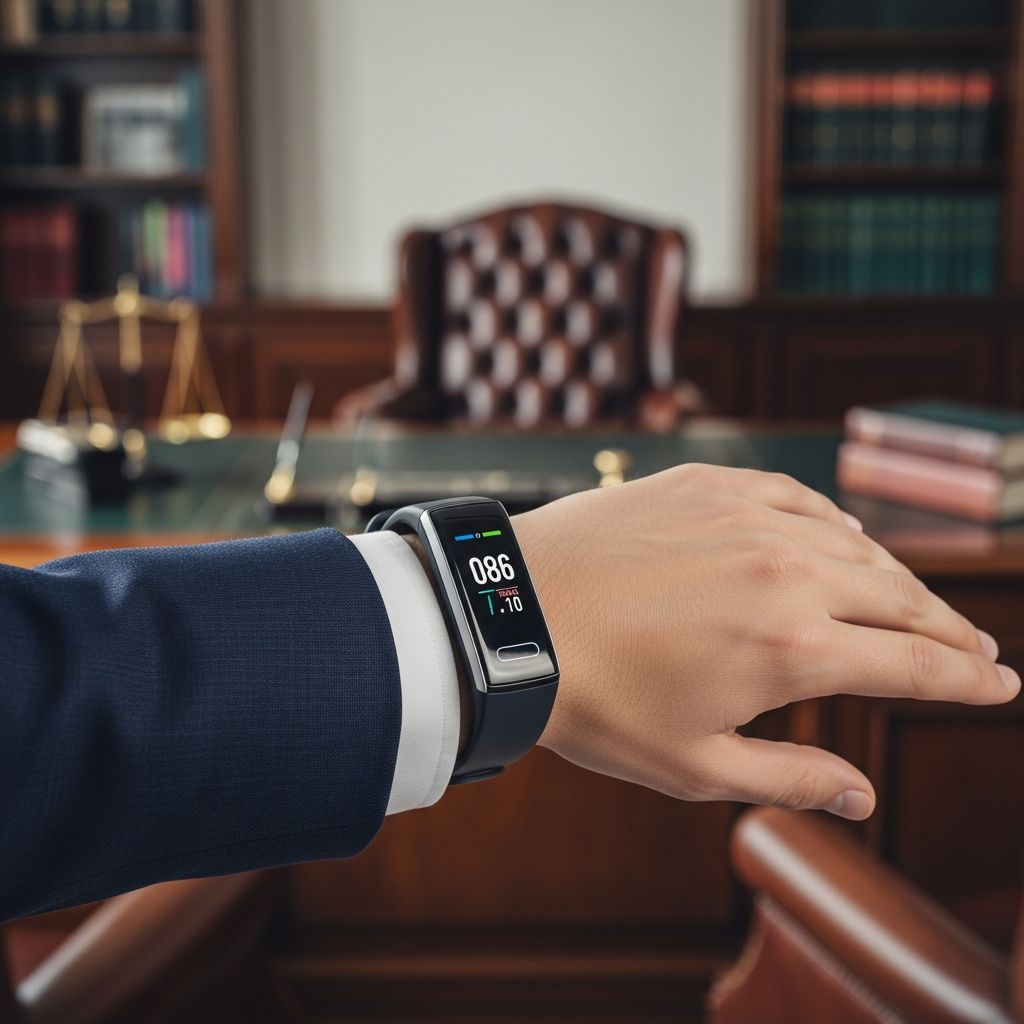
Wearable fitness devices, such as pedometers and smartwatches, offer lawyers powerful tools to enhance daily performance. These gadgets track steps, heart rate, and activity levels, directly impacting physical health, mental sharpness, and professional output in high-pressure legal environments.
Enhancing Physical Vitality for Demanding Legal Work
The legal profession demands long hours, often involving sedentary desk time that leads to fatigue and reduced cognitive function. Fitness trackers counteract this by monitoring movement and encouraging regular activity. For instance, devices like Fitbits or Apple Watches log daily steps, prompting attorneys to incorporate short walks during breaks, which boosts circulation and energy levels.
Research highlights that consistent physical activity improves focus and decision-making, critical for case preparation and client negotiations. Attorneys using these tools report sustained stamina throughout marathon review sessions or court appearances. By setting personalized step goals—such as 10,000 steps daily—lawyers can transform routine office commutes or hallway discussions into opportunities for health gains.
- Step Monitoring: Tracks walking distance to combat sitting-related health risks.
- Heart Rate Alerts: Warns of stress-induced spikes, enabling timely relaxation techniques.
- Sleep Analysis: Measures rest quality, vital for memory retention in complex litigation.
Implementing firm-wide challenges, where teams compete on step counts, fosters camaraderie and collective wellness. Such initiatives, running for 6-8 weeks with incentives, have shown to elevate morale without significant costs, using free smartphone apps.
Sharpening Mental Acuity Through Data-Driven Habits
Beyond physical metrics, fitness trackers provide insights into sleep patterns and recovery, directly linking to cognitive performance. Poor sleep hampers analytical skills essential for drafting motions or cross-examining witnesses. Devices quantify deep sleep stages, helping attorneys optimize bedtime routines amid irregular schedules.



The Future of AI: Preventing a Big Tech Monopoly >

Stress tracking features, including variability in heart rate, allow real-time awareness during high-stakes depositions. Attorneys can use breathing exercises triggered by app notifications to maintain composure. Over time, this data reveals patterns, such as post-trial recovery needs, enabling proactive scheduling of lighter workloads.
| Metric | Benefit for Attorneys | Example Data Insight |
|---|---|---|
| Daily Steps | Increased energy | From 3,000 to 12,000 steps reduces afternoon slumps |
| Sleep Duration | Better retention | 7+ hours correlates with fewer briefing errors |
| Heart Rate Variability | Stress management | High variability indicates optimal recovery post-hearing |
These quantifiable insights empower lawyers to make evidence-based lifestyle adjustments, mirroring the precision they apply in legal arguments.
Revolutionizing Time Management and Billing Precision
Traditional timekeeping in law firms relies on manual entries, prone to forgetfulness amid multitasking. Fitness trackers integrate with mobile apps that timestamp activities, offering a seamless bridge to billable hour logging. For example, walking meetings captured as steps can be tagged to client matters via apps like PCLaw Go, ensuring no productive moment goes unbilled.
Structured timekeeping charts, inspired by wearable data, categorize tasks by activity type—research, calls, travel—enhancing accuracy and profitability analysis. Firms using such systems report fewer omissions, with mobile integration allowing entries from courtrooms or client sites.
- Real-time logging during transit or breaks.
- Activity-based categorization for profitability insights.
- Reduced administrative overhead, freeing time for substantive work.
This fusion of wearables and legal software positions attorneys to capture every billable increment, boosting firm revenue while minimizing disputes over hours.
Transforming Evidence in Personal Injury Litigation
Fitness trackers have emerged as pivotal in personal injury cases, providing objective data on injury impacts. Pre- and post-incident metrics, like step counts dropping from 15,000 to 3,000 daily, vividly demonstrate lifestyle limitations, strengthening pain and suffering claims.
Courts increasingly admit wearable data as evidence, corroborating timelines via GPS or heart rate spikes at accident moments. Defense teams may request this information to challenge exaggerated claims, underscoring the need for plaintiffs’ attorneys to secure and preserve device records early.
Key applications include:
- Activity Decline Proof: Quantifies reduced mobility post-accident.
- Timeline Verification: GPS pins exact locations and times.
- Settlement Leverage: Objective data pressures insurers for fair offers.
In one notable case, a claimant’s Fitbit data supported allegations of disrupted sleep and exercise, swaying negotiations without trial. Attorneys must navigate privacy concerns, obtaining warrants or consents judiciously.
Firm-Wide Wellness Initiatives Powered by Wearables
Progressive law firms leverage fitness trackers for comprehensive wellness programs. Treadmill desks reserved via internal systems allow walking during document reviews or calls, blending productivity with health. Benchmarking reports emphasize engagement strategies, like step challenges, to combat burnout prevalent in legal ranks.
These programs yield measurable returns: lower absenteeism, higher retention, and enhanced team dynamics. Leaders track aggregate data anonymously to tailor benefits, such as subsidized gym memberships for low-activity groups.
| Initiative | Implementation | Expected Outcomes |
|---|---|---|
| Step Challenges | 6-8 week competitions with prizes | 20-30% activity increase firm-wide |
| Treadmill Desks | Reservable stations | Improved focus during sedentary tasks |
| Sleep Tracking Groups | Anonymous sharing sessions | Better collective rest hygiene |
By prioritizing these, firms not only boost individual performance but cultivate resilient cultures.
Potential Challenges and Strategic Solutions
Adopting fitness trackers isn’t without hurdles. Data privacy looms large, especially in litigation where records may be subpoenaed. Attorneys should advise clients on device settings to limit sharing and use secure apps for legal timekeeping.
Accuracy concerns arise from device malfunctions or user non-compliance, but cross-verification with medical records mitigates this. For firm programs, opt-in policies ensure voluntary participation, respecting diverse needs.
- Privacy: Enable minimal data collection modes.
- Cost: Utilize free apps before hardware investments.
- Adoption: Gamify tracking for engagement.
Proactive strategies turn these challenges into opportunities for tech-savvy differentiation.
Frequently Asked Questions (FAQs)
Q: Can fitness tracker data be used as evidence in court?
A: Yes, courts have admitted data from devices like Fitbits to corroborate injury claims or timelines, provided it’s authenticated properly.
Q: How do trackers improve attorney billing accuracy?
A: By integrating with mobile timekeeping apps, they enable real-time tagging of activities like walking meetings to specific matters.
Q: Are firm wellness programs with pedometers effective?
A: Studies show they reduce stress and boost productivity through challenges and incentives over several weeks.
Q: What metrics should lawyers prioritize on wearables?
A: Steps, sleep quality, and heart rate variability for optimal health and performance tracking.
Q: Do trackers help in personal injury defense?
A: Absolutely, they can reveal inconsistencies in claimed limitations by showing sustained activity levels.
Conclusion: Embrace Wearables for Legal Excellence
Fitness trackers empower attorneys to thrive physically, mentally, and professionally. From personal vitality to courtroom advantages, these devices herald a new era of optimized legal practice.
References
- Legal Timekeeping Charts for Your Law Firm — Lean Law. 2023. https://www.leanlaw.co/blog/legal-timekeeping-chart/
- How Wearable Health Devices Are Changing Personal Injury Law — Brandon J. Broderick. 2024. https://www.brandonjbroderick.com/how-wearable-health-devices-are-changing-personal-injury-law
- 12 Steps to a Happier, Healthier Law Firm — San Francisco Bar Association. 2021-06. https://www.sfbar.org/wp-content/uploads/2021/06/12-steps-to-a-happier-healthier-law-firm.pdf
- The Pros and Cons of Using Your Fitness Tracker in a Personal Injury Lawsuit — DKW Lawyers. 2023. https://www.dkblawyers.com/the-pros-and-cons-of-using-your-fitness-tracker-in-a-personal-injury-lawsuit/
- 8 Hidden Benefits of Using a Mobile App for Timekeeping — PCLaw Time Matters. 2019-03-27. https://pclawtimematters.com/blog_posts/timekeeping
Similar Articles








Read full bio of Sneha Tete