
Fish Tanks in Rentals: Rules, Risks and Smart Policies
How landlords and tenants can manage aquariums in rental homes while avoiding water damage, disputes, and unexpected liability.
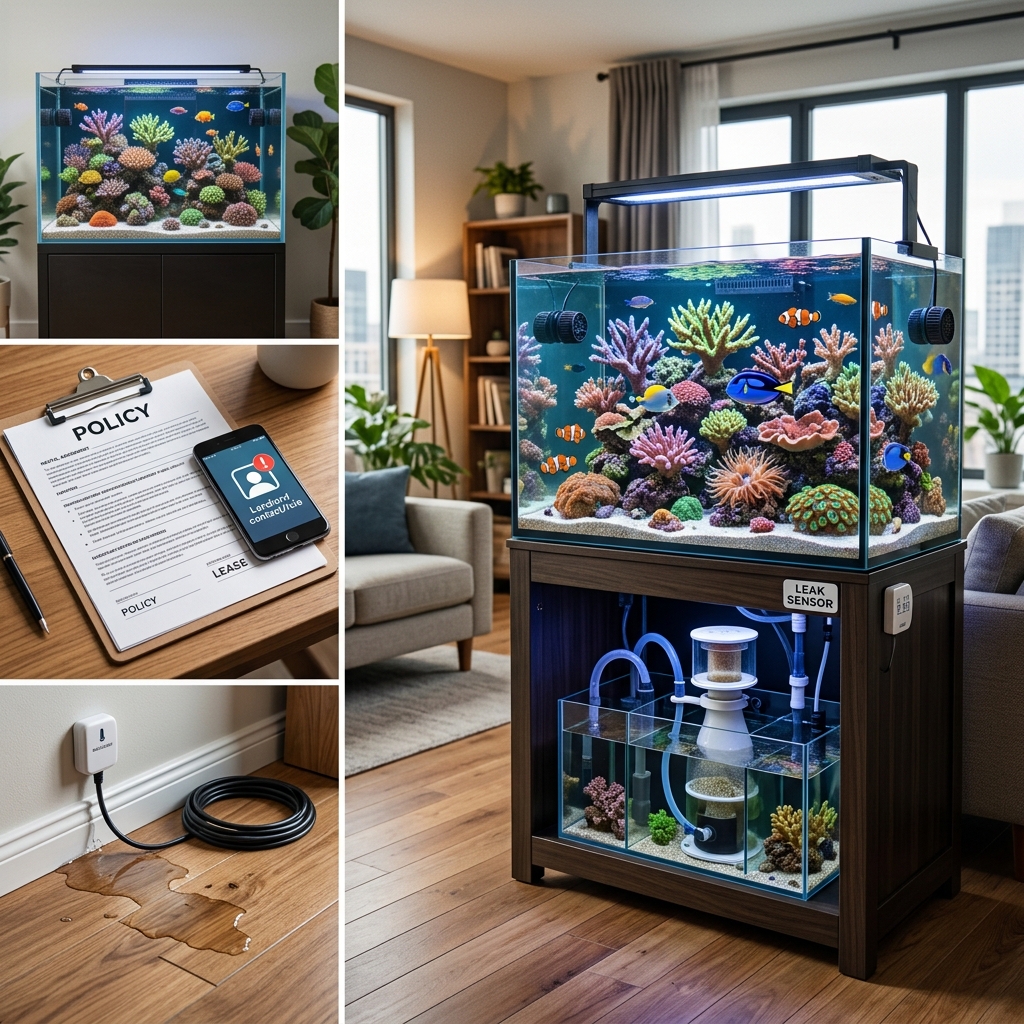
Fish tanks and rental housing can coexist peacefully, but they also introduce unique risks for landlords and tenants. Aquariums are both living habitats and heavy, water-filled fixtures that can affect structural safety, cause costly damage, and raise insurance questions. When expectations are not clearly addressed in the lease, even a small tank can become the source of conflict.
This guide explains how to manage aquariums in residential rentals. It covers typical legal considerations, damage and safety risks, best practices for lease drafting, and practical steps for tenants who want to enjoy fish without jeopardizing their housing. While examples often focus on U.S. landlord–tenant norms, the core principles—clear rules, informed consent, and risk management—apply broadly.
Why Aquariums Matter in Rental Housing
Unlike many other household items, fish tanks combine several risk factors:
- High weight concentrated on a small footprint.
- Large volumes of water that can leak, spill, or break suddenly.
- Electrical equipment operating near water.
- Humidity, mold, and odor concerns if not properly maintained.
From the tenant’s perspective, a tank may be a harmless hobby or a source of comfort. From the landlord’s perspective, it can be a potential source of structural damage, mold, and insurance claims. Many landlords therefore address aquariums explicitly in their policies or choose to limit them entirely. Where the lease is silent, disputes may arise over whether tanks fall under pet rules, prohibited items, or general damage provisions.
Are Fish Tanks “Pets” or “Property” Under a Lease?
One recurring question is whether keeping fish counts as having pets. In some jurisdictions and lease forms, pet clauses refer broadly to any animal, which generally includes fish. In other contracts, landlords informally treat aquariums as furniture with water, focusing more on the risk of damage than on the presence of animals.
Typical lease scenarios include:
- Explicit pet clauses that prohibit or restrict animals of any type, sometimes including fish.
- Prohibited item clauses addressing water beds, large appliances, or items that pose a risk of leaks or excessive weight, which may be interpreted to include large aquariums.
- Silent leases that say nothing about pets or aquariums, relying instead on general obligations not to cause damage or nuisance.
Where the lease clearly bans all pets, a landlord may argue that fish are covered by the clause, and unauthorized tanks could be treated as a breach of contract. In cities like New York, general guidance notes that pet permission is at the landlord’s discretion unless the animal is a service animal, and violation of a no-pet clause can be grounds for termination of tenancy. However, enforcement practices vary, and some landlords informally allow small tanks while prohibiting larger setups.
Structural, Water, and Mold Risks from Tanks
Even a medium-size aquarium can weigh several hundred pounds when filled. The weight is concentrated on a small area of flooring, often above another unit. If the floor structure is not designed to bear the load, damage can occur over time or in combination with other heavy objects.
Key risks include:
- Floor damage: warping, cracking, or collapse if weight limits are exceeded.
- Water leaks: from broken glass, faulty seams, overflows, or equipment failure.
- Secondary damage: harm to ceilings, walls, electrical fixtures, and neighboring units.
- Mold and mildew: increased humidity around the tank can contribute to mold growth if ventilation is poor or spills are not cleaned promptly.
In many jurisdictions, landlords of multiple dwellings are legally responsible for maintaining the building’s structural integrity, plumbing, and sanitary conditions in safe working order. Extensive damage from a tank may therefore trigger repair obligations and create disputes over who must pay. Clear lease terms and proactive communication help prevent surprises when an accident occurs.
Insurance and Liability Considerations
Water damage from an aquarium typically implicates both landlord and tenant insurance. For tenants, renter’s insurance policies often cover personal property and may provide liability coverage if their negligence causes damage to the unit or neighbors. For landlords, property policies may cover structural damage, but exclusions or deductibles can apply.
Important insurance questions include:
- Does the tenant’s renter’s insurance cover damage from water spilling or leaking from an aquarium?
- Does the landlord’s insurance impose limits or conditions on water-filled equipment?
- Are large aquariums considered an increased hazard that must be disclosed?
- Who pays if damage spreads to other units or common areas?
Tenant rights guides often emphasize that landlords must keep the building in “good repair” and safe condition, while tenants are liable for damage they cause beyond ordinary wear and tear. If a tank breaks due to improper installation or neglect, the tenant may be responsible for repair costs, even if the landlord’s insurance pays initially. Tenants and landlords should review their policies and clarify expectations before any tank is installed.
Best Practices for Landlords: Creating Clear Aquarium Policies
Landlords who wish to manage aquarium risks effectively should adopt clear, written policies that balance safety with reasonable tenant use. A well-designed policy does not simply ban tanks; it outlines conditions under which they are allowed and the responsibilities involved.
Key Elements of a Fish Tank Policy
- Size and volume limits: specify maximum tank capacity (e.g., up to a certain number of gallons) to keep weight and water risk under control.
- Location requirements: require tanks to be placed on stable, level surfaces and restrict placement above sensitive areas such as older ceilings or below-grade units.
- Protection measures: mandate waterproof mats, appropriate stands, and measures to prevent tipping or sliding.
- Maintenance expectations: require regular cleaning and water changes to prevent odor, algae, and excessive humidity.
- Insurance obligations: consider requiring proof of renter’s insurance with liability coverage where larger tanks are permitted.
- Disclosure and approval: require written landlord consent for any tank above a defined size and update records when conditions change.
A simple table can help landlords compare possible approaches:
| Policy Type | Advantages | Disadvantages |
|---|---|---|
| Complete ban on aquariums | Minimizes water and structural risk; easy to enforce. | Less attractive to tenants who value fish; may reduce competitiveness. |
| Size-limited, conditional permission | Balances tenant interests with safety; allows controlled risk. | Requires monitoring and written approvals; more administrative work. |
| Case-by-case written consent | Flexible; can adapt to building structure and tenant history. | Potential inconsistency across tenants; may invite disputes over unequal treatment. |
Integrating Aquarium Rules into the Lease
To avoid ambiguity, aquarium rules should appear directly in the lease or in a signed addendum. The document should:
- Define whether fish are considered pets for the purposes of the agreement.
- Specify permitted tank sizes and conditions for installation.
- State that tenants are responsible for any damage caused by leaks, spills, or structural stress attributable to the tank.
- Explain whether violation of the rules may result in removal of the tank, lease termination, or financial penalties, consistent with applicable law.
Including these provisions upfront reduces the likelihood of disputes later, especially when tenants move out and landlords inspect for floor damage or mold. In regions with detailed tenant rights guides, such as New York, any lease clause must be consistent with statutory obligations to maintain habitability and fair treatment.
Best Practices for Tenants: Setting Up a Tank Safely
Tenants who want to keep fish should treat aquariums as significant installations rather than casual decorations. Before buying equipment, they should review the lease, ask questions, and assess the apartment’s suitability.
Checklist Before Installing an Aquarium
- Review the lease carefully: check pet clauses, prohibited items, and any mention of water beds, aquariums, or weight limits.
- Ask the landlord for permission in writing: describe the tank size, intended location, and type of stand. Written consent helps avoid misunderstandings.
- Evaluate structural capacity: avoid placing tanks on weak or uneven floors; consider proximity to support walls where weight-bearing capacity is typically higher.
- Plan for spill containment: use mats, trays, or furniture designed for aquariums to reduce the risk of sudden leaks.
- Check insurance coverage: confirm that renter’s insurance includes liability for water damage caused by accidental leaks.
- Consider future moves: think about how the tank will be emptied and transported at the end of the tenancy to avoid last-minute damage.
Renters should also photograph the area where the tank will be placed before installation—flooring, walls, baseboards, and ceiling below if accessible. These images can help resolve disputes later by showing the condition before any potential tank-related damage occurred.
Day-to-Day Maintenance Responsibilities
Safe long-term aquarium use requires consistent maintenance. Tenants should:
- Perform regular water changes without splashing excessively.
- Check seals and equipment periodically for leaks.
- Control humidity in the room through ventilation or dehumidifiers if necessary.
- Clean up any spills immediately to prevent warping or mold.
- Monitor for odors that might disturb neighbors or indicate poor water quality.
Good maintenance aligns with the tenant’s duty to avoid damaging the property and helps landlords satisfy their obligation to keep buildings clean and free from offensive material.
Communication Strategies to Keep Tenants and Landlords Aligned
Most aquarium-related conflicts can be mitigated through clear, early communication. Both parties benefit from a cooperative approach.
For Landlords
- Discuss aquariums during tenant screening: ask whether applicants plan to keep fish or other animals and explain relevant rules.
- Provide written guidelines: share an easy-to-understand summary of aquarium limits and expectations along with the lease.
- Inspect respectfully: where allowed by law, conduct periodic inspections with appropriate notice, focusing on signs of water damage or mold.
- Respond promptly to concerns: if tenants report leaks or structural issues, address them quickly to prevent escalation.
For Tenants
- Be transparent: inform the landlord before setting up a tank and whenever changing its size or location.
- Document agreements: keep emails or letters granting permission for an aquarium.
- Report problems early: notify the landlord immediately if the tank leaks or causes visible damage, as delays can worsen both repair costs and legal exposure.
- Respect building rules: follow any limits on quiet hours, elevator use during moves, and disposal of tank water.
Cooperative communication supports habitability and safety, which are central themes in many official tenant rights materials.
Frequently Asked Questions (FAQs)
1. Can a landlord completely ban fish tanks in a rental?
In many places, landlords may prohibit certain items, including aquariums, as long as the lease terms comply with local housing laws and do not conflict with protected rights. Official guides note that whether pets are permitted is usually at the owner’s discretion, except for service animals. A clear written ban is easier to enforce than an informal policy.
2. If my lease bans pets, does that automatically include fish?
Often, yes. If the lease defines pets broadly as any animal, then fish are generally included. Where the wording is vague, a landlord may still argue that fish are pets. Tenants who are unsure should ask for clarification and, if allowed, obtain written permission explicitly covering a tank of a specified size.
3. Who pays if my fish tank leaks and damages the apartment?
Responsibility depends on the lease, insurance policies, and the cause of the leak. Tenant rights guidance typically states that landlords must maintain buildings in good repair, but tenants can be held liable for damage beyond normal wear and tear. If the leak results from tenant negligence or an unauthorized tank, the tenant may be responsible for repair costs, even if the landlord’s insurance pays initially.
4. Are there official rules about pet clauses becoming unenforceable?
Some jurisdictions have specific rules about pets kept openly and notoriously despite no-pet clauses. For example, in certain New York multiple dwellings, a no-pet clause may be considered waived if the landlord knows a tenant has kept a pet openly for a prolonged period without objection. Whether such rules apply to fish or aquariums depends on local interpretation and is not guaranteed.
5. How large a tank is “too large” for an apartment?
There is no universal legal limit, but practical considerations matter. Tenants should evaluate floor strength, location, and insurance constraints, and landlords may set explicit maximum capacities in the lease. When in doubt, smaller tanks pose less risk and are easier to relocate at the end of the tenancy.
Practical Summary for Landlords and Tenants
Fish tanks can enrich rental homes, but they are not risk-free. Landlords should focus on clear written policies, structural and water safety, and insurance alignment. Tenants should read their leases carefully, seek written permission, maintain their tanks responsibly, and communicate with landlords when problems arise.
By treating aquariums as important installations rather than casual decorations, both parties can prevent damage, protect their rights, and keep both property and fish in good condition.
References
- Tenant Rights and Responsibilities — NYC Department of Housing Preservation and Development. 2023-05-10. https://www.nyc.gov/site/hpd/services-and-information/tenants-rights-and-responsibilities.page
- Residential Tenants’ Rights Guide — Office of the New York State Attorney General. 2022-08-01. https://ag.ny.gov/publications/residential-tenants-rights-guide
- New York Landlord Tenant Law Overview — American Apartment Owners Association. 2022-11-15. https://american-apartment-owners-association.org/landlord-tenant-laws/new-york/
- Fish Tanks in Rental Apartments: What to Check First — Santa Clara University Blogs. 2026-06-05. https://blogs.scu.edu/inspire/2026/06/05/fish-tanks-in-rental-apartments-what-to-check-first/
- Landlord Duties, Responsibilities and Rights — New York City Bar Association. 2021-09-20. https://www.nycbar.org/get-legal-help/article/landlord-tenant/landlords-duties-obligations/
Similar Articles








Read full bio of Sneha Tete


