
First-Time DUI: Essential Laws and Consequences
Understand how a first DUI is defined, prosecuted, and punished so you can make informed decisions and protect your future.
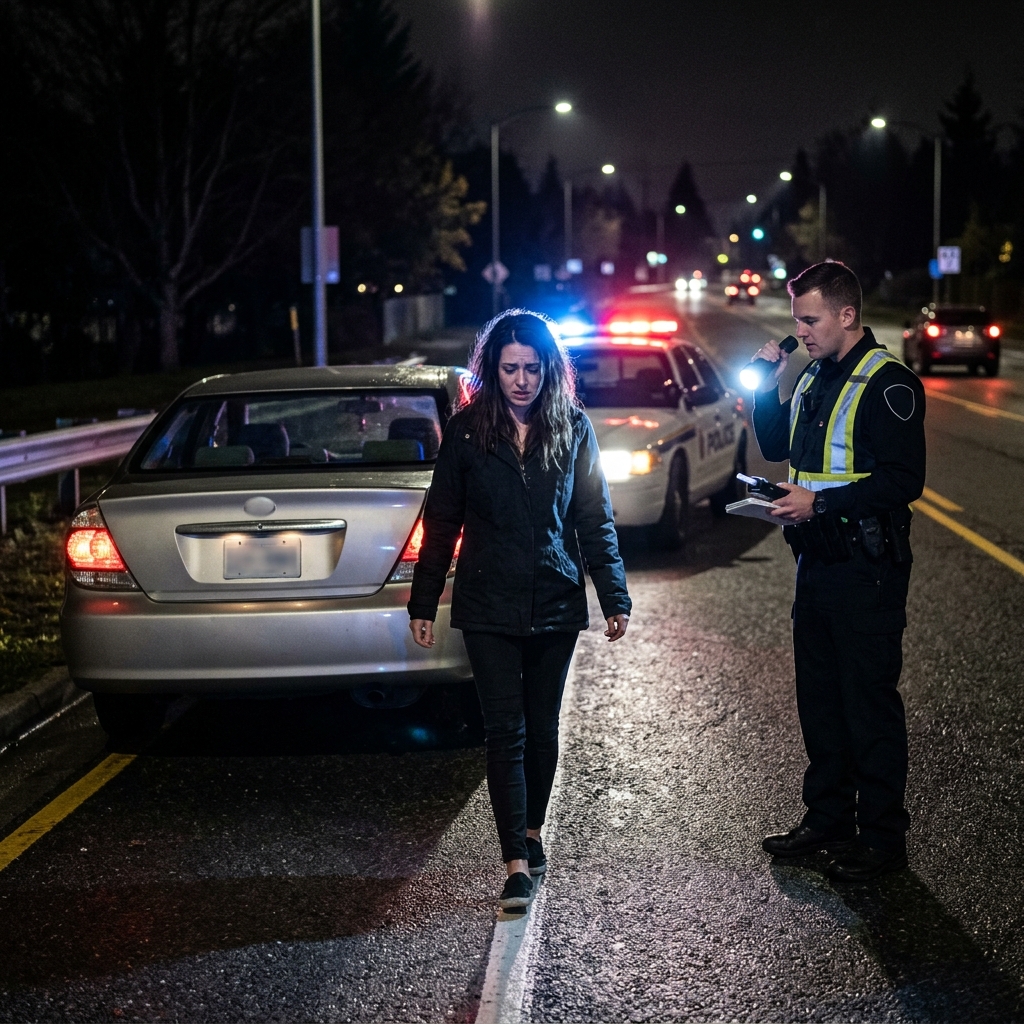
Facing a first-time DUI (driving under the influence) can be confusing and frightening. You might be worried about jail, fines, your driver’s license, and the long-term impact on your record and insurance. This guide explains, in plain language, how first-time DUI laws generally work in the United States, what penalties you may face, and what practical steps you can take next.
While every state has its own statutes and procedures, there are common patterns in how DUI is defined, charged, and punished. Understanding these core rules can help you better interpret your own situation and prepare to speak with a lawyer in your area.
What Counts as a DUI for the First Time?
DUI laws are designed to prevent people from operating vehicles while impaired by alcohol or drugs. In most states, you can be charged with DUI in two main ways: by your blood alcohol concentration (BAC) or by evidence that your ability to drive is impaired, even if your BAC is below the numerical limit.
Per se BAC limits
All U.S. states have what are called per se limits, meaning that driving at or above a specified BAC level is a crime in itself regardless of whether you appear drunk. For most adult drivers:
- 0.08% BAC is the standard legal limit for drivers 21 and older in every state.
- Lower limits often apply to commercial drivers and drivers under 21, reflecting a stricter approach to higher-risk groups.
In addition, many states treat high-BAC cases more severely. For example, some jurisdictions impose enhanced penalties when the BAC is 0.15% or higher, even for first-time offenders.
Impairment without a specific BAC level
A person can also be convicted of DUI even with a BAC below 0.08% if the evidence shows they were too impaired to drive safely. Police and prosecutors may rely on:
- Erratic driving (weaving, speeding, failing to maintain lane)
- Field sobriety test results
- Statements, physical behavior, and officer observations
- Blood, breath, or urine test results showing the presence of alcohol or drugs
Because these cases depend heavily on evidence and judgment, legal advice is especially important if your BAC was close to or below the legal limit.
Common Criminal Penalties for First-Time DUI
Although first-time DUI is usually charged as a misdemeanor, it remains a criminal offense with potentially serious fines, jail time, and probation. Penalties vary by state, but several consequences appear consistently across jurisdictions.
Typical range of jail time
Many states authorize up to about six months of jail for first-time DUI convictions, though actual sentences are often much shorter or may be suspended. In some states, laws require a minimum period of custody, which might be:
- One to two days in jail, sometimes satisfied through alternative programs
- Longer minimums if there was an accident, high BAC, or minors in the vehicle
Judges often consider factors such as your prior record, level of cooperation, and whether anyone was hurt when deciding whether to impose time behind bars or allow alternatives like community service.
Fines and court costs
First-time DUI fines commonly fall between $500 and $2,000, though total out-of-pocket costs can be significantly higher once court fees, treatment expenses, and increased insurance premiums are included. Some states specify minimum and maximum fine amounts in their statutes, and judges usually cannot go below the minimum.
Probation and conditions
Probation is standard for many DUI sentences. While on probation, you may be required to:
- Avoid new criminal charges and follow all laws
- Complete alcohol education or treatment programs
- Perform community service hours
- Report to a probation officer or attend review hearings
Violating probation terms can lead to additional penalties, including serving time that was originally suspended.
License Suspension and Administrative Actions
A first-time DUI almost always involves some form of driver’s license suspension. There are usually two separate avenues for suspension: administrative actions by the motor vehicle department and court-ordered penalties as part of the criminal case.
Administrative (DMV) suspensions
In many states, the department of motor vehicles can suspend your license shortly after an arrest if:
- You failed a breath or blood test (over the legal limit), or
- You refused to submit to chemical testing under implied consent laws
These suspensions happen even before a criminal conviction and can begin within days or weeks of your arrest. A common initial suspension period for first offenders is about 90 days, though this varies by state.
Court-ordered suspensions and reinstatement
If you are convicted, the court may impose additional suspension or confirm the administrative suspension. As an example, Georgia suspends the license of a first DUI offender for 12 months, but drivers may be eligible for reinstatement after 120 days if they meet certain conditions, such as completing a DUI school and paying reinstatement fees.
Many states allow restricted licenses during part of the suspension period, letting you drive for essential purposes like work, school, or medical appointments, often conditioned on installing an ignition interlock device.
Ignition Interlock Devices and Other Special Sanctions
An ignition interlock device (IID) is a small breath-testing device installed in your vehicle that prevents it from starting if it detects alcohol above a preset level. Increasingly, states use IIDs as a way to allow continued driving while reducing the risk of repeat impaired driving.
In some jurisdictions, even first-time offenders must install an IID for a specified period, especially if their BAC was high or if other aggravating factors were present. Requirements can include:
- Paying for installation
- Covering monthly monitoring and calibration costs
- Using the device consistently on any vehicle you drive
Other special sanctions may include vehicle impoundment, mandatory community service, or participation in victim impact panels. These measures are designed both to punish and to educate drivers about the risks of impaired driving.
How a First-Time DUI Is Classified
In all states, a first DUI is generally treated as a misdemeanor offense, but this can change under certain circumstances.
| Type of DUI | Typical Classification | Common Triggers |
|---|---|---|
| Standard first DUI | Misdemeanor | BAC at or above 0.08%, no injuries, no prior DUI |
| High-BAC first DUI | Misdemeanor with enhanced penalties | BAC 0.15% or higher, mandatory IID or longer suspension |
| Injury or fatal crash DUI | Often felony | Serious bodily injury or death caused while impaired |
| Multiple prior DUIs | Felony in many states | Two or more prior convictions within a set timeframe |
Because classification affects potential sentences and long-term consequences, understanding whether your case involves aggravating factors is critical when speaking with counsel.
Collateral Consequences Beyond Court Penalties
A first-time DUI can affect your life in ways that go far beyond the courtroom. These collateral consequences often last longer than the immediate penalties.
Insurance impacts
Auto insurers frequently treat DUI convictions as signals of high risk. As a result, a conviction may lead to:
- Loss of safe-driver discounts
- Significant premium increases
- Policy cancellation, forcing you to seek high-risk coverage
High-risk policies often cost substantially more and can be required for several years after a conviction.
Employment and background checks
Because DUI is usually a criminal offense, it can appear on background checks. This may be particularly important if you:
- Work in a field that requires driving (delivery, trucking, sales)
- Hold professional licenses that require disclosure of criminal convictions
- Apply for jobs where employers conduct detailed criminal background screening
In many states, DUI records remain accessible for years and can be considered if you face future charges, leading to harsher penalties for repeat offenses.
What Happens During a Typical First-Time DUI Case?
Although procedures differ, many DUI cases follow a similar basic sequence. Understanding this process can reduce uncertainty and help you prepare for each step.
Investigation and arrest
A DUI investigation often starts when an officer has reasonable suspicion that a driver is impaired or violates traffic laws. Common triggers include speeding, weaving, or running lights. The officer may:
- Stop the vehicle and observe the driver’s behavior
- Administer field sobriety tests
- Request a preliminary breath test
If the officer develops probable cause to believe the driver is impaired, they can make an arrest and request a formal breath or blood test under implied consent laws.
Chemical testing and warrants
The U.S. Supreme Court has held that, in most situations, police must obtain a warrant before performing a non-consensual blood test for suspected drunk driving, and the natural dissipation of alcohol does not automatically create an emergency justification. This decision has shaped how officers and prosecutors handle blood draws in DUI cases.
Court hearings and resolution
After arrest, a first-time DUI case typically involves:
- An initial appearance or arraignment, where charges are formally presented
- Pretrial discussions, plea negotiations, and potential motions challenging evidence
- A trial or plea agreement, followed by sentencing if there is a conviction
Many first-time cases are resolved through negotiated pleas, which may include reduced charges or agreed-upon sentencing terms. However, the right to trial remains available, especially if there are disputes over the stop, tests, or evidence.
Frequently Asked Questions About First-Time DUI
Is a first-time DUI always a misdemeanor?
In general, yes. A first DUI without injuries or other severe factors is typically a misdemeanor. However, if the incident involved serious injury or death, or if you have prior DUI convictions on your record, the offense can be escalated to a felony in many states.
Will I automatically go to jail for my first DUI?
Some states require at least a short time in custody for first-time DUI convictions, but the amount of jail varies widely. In many cases, judges may allow alternative sanctions or suspend part of the jail term, especially if your record is clean and no one was harmed.
How long will my license be suspended?
Suspension periods differ from state to state. A common range for first-time DUI is around 90 days, although some states impose longer suspensions or allow earlier reinstatement with conditions. As in Georgia, a 12-month suspension may be shortened if you complete required programs and pay fees.
Do I need a lawyer for a first-time DUI?
Because DUI is a criminal offense with lasting consequences, consulting a qualified attorney is strongly recommended. A lawyer can explain state-specific laws, identify possible defenses, and help you navigate both court and administrative proceedings.
Will a first DUI stay on my record forever?
In some states, a DUI conviction can remain on your record for life and be used to enhance penalties for future offenses. Other jurisdictions allow certain DUIs to be sealed or expunged after a period, subject to strict eligibility rules. Local legal advice is essential to understand your options.
Can I keep driving to work after a first DUI?
Often, yes, but usually not immediately and not without conditions. Many states allow restricted or hardship licenses that permit limited driving, commonly requiring completion of DUI education and installation of an ignition interlock device.
Practical Steps If You Are Facing a First-Time DUI
If you have been arrested for DUI for the first time, you can take practical steps to protect your rights and manage the impact on your life:
- Act quickly on deadlines for challenging license suspensions, which may be very short.
- Gather documents, including your citation, test results, and any paperwork from the arrest.
- Write down details of the traffic stop and your interactions with officers while memories are fresh.
- Consult a local attorney experienced in DUI law to review the evidence and explain possible outcomes.
- Explore treatment or education programs early, which can demonstrate responsibility and may be required anyway.
Although a first-time DUI is serious, many people are able to learn from the experience, meet court requirements, and avoid future problems. Understanding the law is a first step toward making informed choices and limiting the long-term consequences.
References
- Drunk driving in the United States — Wikipedia, summarizing federal and state legal limits and Supreme Court decisions. 2026-01-15. https://en.wikipedia.org/wiki/Drunk_driving_in_the_United_States
- DUI & DWI Legal Penalties and Consequences — Justia. 2023-06-01. https://www.justia.com/criminal/drunk-driving-dui-dwi/dui-penalties/
- DUI First Offense 21 and over — Georgia Department of Driver Services. 2024-02-10. https://dds.georgia.gov/georgia-licenseid/violations-suspensions-revocations/violations-and-suspensions-faqs/dui-first
- Indianapolis First-Time DUI Attorney — Keffer Hirschauer LLP. 2023-03-20. https://www.indyjustice.com/criminal-defense/drunk-driving/first-time-dui/
- Criminal Status of State Drunken Driving Laws — National Conference of State Legislatures (NCSL). 2016-12-13. https://www.ncsl.org/transportation/criminal-status-of-state-drunken-driving-laws
- First Time Offense DUI: What You Should Know — Lucaj Law. 2022-08-01. https://www.lucajlaw.com/blog/First-Time-Offense-DUI-What-You-Should-Know_ae19.html
Similar Articles








Read full bio of medha deb




