
Finding Help in Domestic Violence Situations
A practical guide to hotlines, shelters, legal options, and support networks for people facing domestic violence.
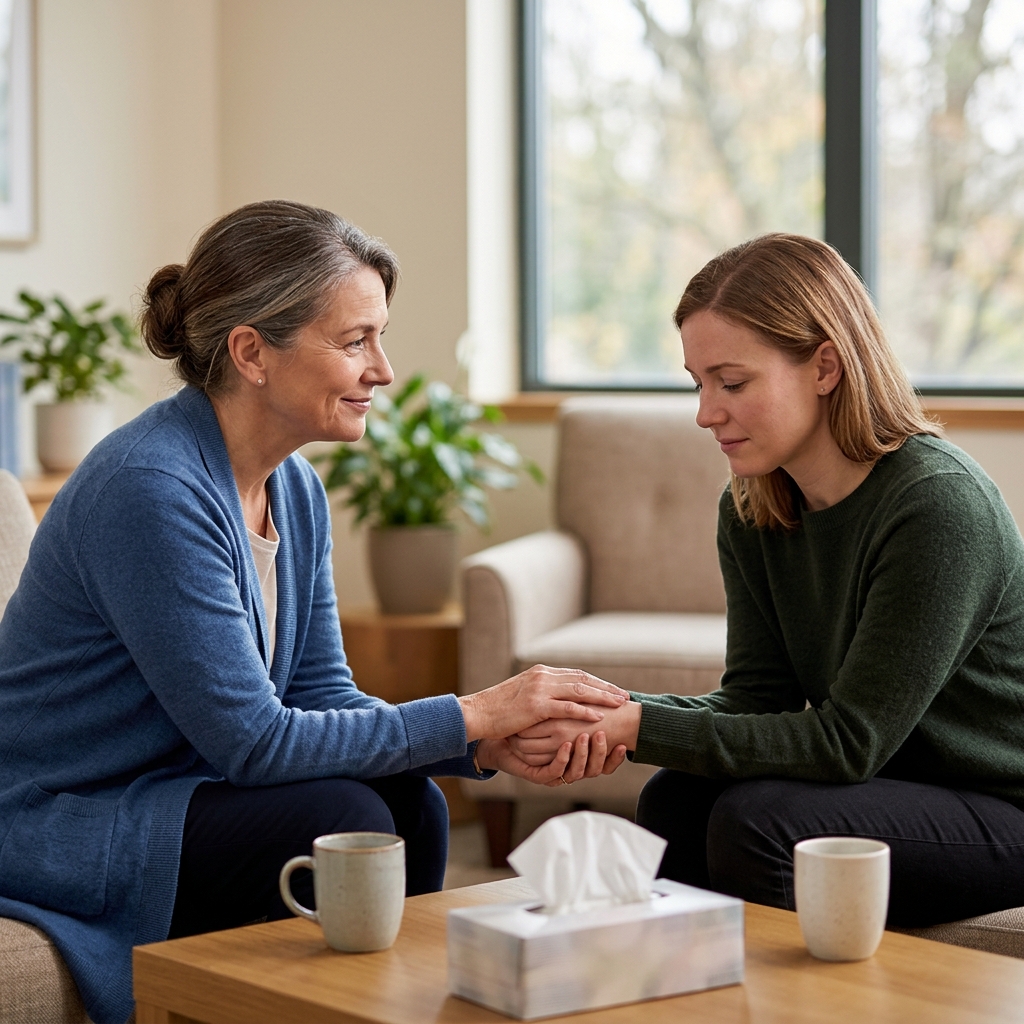
Domestic violence affects people of every age, gender, income level, and background. When abuse is happening at home, it can be hard to know where to turn, what your options are, or whom to trust. This guide explains practical steps you can take to seek safety, legal protection, and emotional support when you or someone you care about is experiencing domestic violence.
Understanding Domestic Violence and Why Immediate Help Matters
Domestic violence generally refers to a pattern of abusive behaviors used by one intimate partner to gain or maintain power and control over another. Abuse can be physical, emotional, psychological, sexual, financial, or digital. It often escalates over time and can be life-threatening if left unaddressed.
Seeking help as early as possible is critical because:
- Risk of serious injury or death can increase when abuse escalates or when a victim tries to leave.
- Support services can offer safety planning, legal advocacy, counseling, and shelter before a crisis peaks.
- Children and other dependents may also be in danger and need protection.
Although leaving an abusive relationship is often complex and may not be safe to attempt immediately, learning about available resources and legal options empowers you to make informed decisions.
Emergency Responses: What to Do If You Are in Immediate Danger
If you or someone you know is in immediate danger, contacting emergency services may be the safest first step.
- Call 911 (or your local emergency number) if a violent incident is happening or imminent, or if weapons are involved.
- Seek emergency medical care for injuries or trauma, even if they appear minor.
- Go to a safe public location if possible (e.g., a neighbor’s home, police station, hospital).
Law enforcement officers can remove the immediate threat, help you reach a shelter, and, in many jurisdictions, request an emergency or temporary protective order from a court. The specifics vary by state or locality, but most places have procedures for obtaining rapid legal protection when danger is high.
National Hotlines and 24/7 Confidential Support
Hotlines are a crucial resource because they provide confidential, anonymous, and often 24/7 assistance. Advocates can help you assess danger, plan for safety, and connect with local services.
Key National Hotlines
| Service | Type of Support | How to Reach |
|---|---|---|
| National Domestic Violence Hotline | Confidential crisis support, safety planning, referrals to shelters and advocates across the U.S. | Call 1-800-799-7233 (SAFE); Text “START” to 88788; Online chat available. |
| National Sexual Assault Hotline | Support for sexual violence survivors, information, and referral to local centers. | Call 1-800-656-4673 (HOPE). |
| StrongHearts Native Helpline | Culturally specific support for Native American and Alaska Native survivors. | Call 1-844-762-8483. |
These hotlines can assist you whether you are ready to leave, trying to stay safer while you remain, or supporting someone else who is being abused.
Local Shelters and Crisis Centers: Finding Safe Housing
One of the biggest barriers for victims of domestic violence is having a safe place to stay. Local shelters and crisis centers offer short-term housing and a range of supportive services.
What Shelters Typically Provide
- Emergency shelter in a confidential location.
- Safety planning tailored to your circumstances (for example, how to safely leave, what to take, and how to reduce risk).
- Basic needs such as food, clothing, and hygiene items.
- Case management to help with housing, employment, benefits, and long-term planning.
- Support groups and counseling for adults and children.
Many shelters serve individuals of all genders and may have specific programs for LGBTQ+ survivors, people with disabilities, or undocumented immigrants.
How to Find a Shelter Near You
- Contact the National Domestic Violence Hotline and ask for referrals to local programs.
- Search your state or city government website for domestic violence resources (many, like Illinois and Los Angeles County, list hotlines and shelters).
- Ask healthcare providers, social workers, or faith leaders if they can connect you with domestic violence services in your area.
States commonly fund networks of domestic violence programs that provide free and confidential help, including shelter, counseling, and legal advocacy.
Legal Protections: Orders of Protection and Advocacy Services
The law in most jurisdictions recognizes the serious nature of domestic violence and offers several protections. While specific procedures vary, a few common tools appear in many legal systems.
Orders of Protection (Restraining Orders)
Civil courts can issue orders of protection (often called restraining orders) to limit an abuser’s contact with the victim. These orders may:
- Prohibit the abuser from contacting you by phone, text, or in person.
- Require the abuser to stay away from your home, work, school, or children’s school.
- Grant temporary custody of children and outline visitation terms.
- Order the abuser to surrender firearms, depending on local law.
Many states allow for emergency or ex parte orders (granted without the abuser present) when immediate protection is needed, followed by a hearing where both parties can appear.
Legal Aid and Advocacy Programs
Survivors often benefit from specialized legal support. Depending on where you live, you may find:
- Legal aid organizations that represent low-income clients in protective order cases, divorce, custody, and immigration matters.
- Family justice centers that bring together police, prosecutors, civil attorneys, and victim advocates in one location to streamline services.
- Domestic violence advocates embedded in courts or prosecutor offices who can explain processes and accompany you to hearings.
Services offered through these programs are frequently free and confidential, especially when funded by state or local governments.
Health Care, Counseling, and Emotional Support
Domestic violence has profound physical and psychological effects. Survivors may experience injuries, chronic health problems, depression, anxiety, post-traumatic stress, and other impacts. Accessing health and mental health services is a key part of recovery.
Medical Care and Documentation
- Seek emergency or primary care for injuries, even if you are not ready to report the abuse.
- Health professionals can document injuries, which may be useful in future legal proceedings.
- Some hospitals and clinics have social workers or victim advocates who connect patients to support services.
Counseling and Support Groups
- Individual therapy can help you process trauma and rebuild self-esteem.
- Group counseling and support circles let survivors share experiences and coping strategies in a supportive environment.
- Many domestic violence agencies offer free or sliding-scale counseling to survivors and their children.
Community and National Organizations That Can Help
Beyond shelters and hotlines, numerous organizations focus on ending domestic violence and supporting survivors. These groups may run educational campaigns, offer training for professionals, and provide specialized resources.
- National Coalition Against Domestic Violence (NCADV) – Offers resources on safety planning, public policy, and survivor stories.
- National Resource Center on Domestic Violence – Provides research, tools, and technical assistance for advocates and communities.
- Local coalitions and councils – Most states have coalitions (such as the Illinois Coalition Against Domestic Violence) that coordinate services and represent survivors at the policy level.[10]
State and city-level websites often maintain directories of domestic violence coalitions, shelters, and sexual assault centers, making it easier to find trusted help in your area.
Helping Someone Else Who May Be Experiencing Abuse
It is common to suspect that a friend, colleague, or family member is being abused but feel unsure how to approach the topic. Your support, if offered thoughtfully and without judgment, can be a lifeline.
Signs Someone May Be in an Abusive Relationship
- Unexplained injuries or frequent “accidents.”
- Extreme anxiety about pleasing their partner or avoiding conflict.
- Sudden isolation from friends, family, or activities they used to enjoy.
- Limited access to money, transportation, or important documents.
- Frequent calls or texts from a partner tracking their location and activities.
Ways to Offer Support Safely
- Express concern gently: “I’m worried about you” rather than accusing or criticizing their partner.
- Listen without judgment and believe what they tell you.
- Share information about hotlines and local resources, but respect that they may not be ready to act.
- Ask how you can help, whether by providing a ride, a safe place to store documents, or childcare.
- Consider your own safety; do not confront the abuser directly if it may increase danger.
Practical Safety Planning Strategies
A safety plan is a personalized, practical plan that helps you reduce the risk of harm, whether you stay or leave. Advocates at hotlines and shelters are skilled at creating safety plans, but you can begin thinking through key steps on your own too.
Core Elements of a Safety Plan
- Emergency contacts: Keep numbers for police, hotlines, trusted friends, and nearby shelters accessible.
- Important documents: Prepare copies of IDs, birth certificates, medical records, and legal papers, and store them in a safe place that the abuser cannot easily access.
- Escape routes: Identify doors, windows, or public places you can reach quickly if violence escalates.
- Code words: Arrange a phrase with trusted people that signals you need help immediately.
- Digital security: Consider using secure devices, clearing browser histories, and changing passwords, especially for email and banking.
Because each situation is unique, it is wise to discuss your plan with a trained advocate or counselor who can help you recognize potential risks and protective strategies.
Frequently Asked Questions (FAQs)
Is domestic violence only physical?
No. Domestic violence includes physical harm but also emotional, psychological, sexual, financial, and digital abuse. Any pattern of behavior that uses intimidation, threats, or control to dominate a partner can be a form of domestic violence.
Will calling the police automatically get my partner arrested?
Not necessarily. Police responses depend on local laws, the evidence available, and the severity of the situation. In many jurisdictions, officers must investigate, document what they see, and may arrest if they have probable cause that a crime has occurred. You can ask officers about your options and whether they can help you seek an emergency protective order.
Can I get help even if I do not want to leave the relationship yet?
Yes. Hotlines, shelters, and counseling centers support survivors at every stage. Advocates can help you plan for safety, understand your rights, and explore options—even if you are staying, planning to leave later, or unsure what you want to do.
Are services confidential?
Domestic violence programs funded by government or nonprofit organizations typically offer confidential services. Staff usually explain any limits to confidentiality, such as mandatory reporting laws for child abuse or imminent harm to self or others.
What if I am undocumented or worried about immigration consequences?
Many domestic violence agencies serve undocumented survivors and can connect them with immigration attorneys. In the United States, certain immigration protections may be available for victims of domestic violence and other crimes. Specialized legal aid and advocacy organizations can explain your options and help you navigate the process.
Taking the First Step Toward Safety and Support
Reaching out for help in a domestic violence situation can feel frightening or overwhelming, but you do not have to face it alone. Confidential hotlines, shelters, legal advocates, health providers, and community organizations exist specifically to support survivors and help them regain control of their lives. Whether you are ready to leave, trying to stay safer while you remain, or supporting someone you care about, learning about your options is an important step toward safety and healing.
References
- Resources for Victims and Survivors — U.S. Department of Justice, Office on Violence Against Women. 2024-02-15. https://www.justice.gov/ovw/resources-victims-and-survivors
- Domestic Violence | Survivor Resources — LiveYourDream.org. 2023-08-01. https://www.liveyourdream.org/get-help/domestic-violence-resources.html
- Domestic Violence Support — National Domestic Violence Hotline. 2024-01-10. https://www.thehotline.org/
- Domestic Violence Resources — University of Utah Health. 2023-05-20. https://uofuhealth.utah.edu/coe-womens-health/domestic-violence-resources
- Domestic Violence Resources — City of Los Angeles. 2023-09-12. https://lacity.gov/residents/community-assistance/domestic-violence-resources
- Obtain Domestic Violence Assistance — Illinois Department of Human Services. 2022-11-30. https://www.illinois.gov/services/service.domestic-violence-assistance.html
- Illinois Coalition Against Domestic Violence — Illinois Coalition Against Domestic Violence. 2023-04-05. https://www.ilcadv.org/
Similar Articles








Read full bio of medha deb


