Losing a spouse is one of life’s most painful experiences, and the financial questions that follow can feel overwhelming. This guide is designed to help surviving spouses understand their options, stabilize money matters, and protect their rights using clear, practical steps grounded in information from trusted public agencies.
Understanding Your New Financial Reality
When a spouse dies, your household income, expenses, and legal responsibilities can change rapidly. Taking time to understand your new situation will help you make better decisions and avoid costly mistakes.
- Income changes: Loss of wages, pensions, or benefits your spouse received.
- New bills: Funeral costs, medical debts, and ongoing household expenses.
- Legal and paperwork: Death certificates, benefit applications, and account updates.
- Emotional stress: Grief can make complex financial tasks harder, so small, steady steps are best.
Try not to rush major decisions like selling a home or investing large sums. Many experts recommend waiting several months for big choices when possible, and focusing first on urgent tasks.
First Financial Steps After a Spouse’s Death
In the weeks following a spouse’s death, certain actions can help protect your finances and position you to claim benefits.
Collect Key Documents
Gather and safely store important records. Many benefit programs and financial institutions will ask for these.
- Certified copies of the death certificate (often 10–15 copies).
- Your marriage certificate and any divorce decrees.
- Social Security numbers for you and your spouse.
- Insurance policies (life, health, auto, homeowner).
- Bank, retirement, and investment account statements.
- Military service records if your spouse was a veteran.
Secure Bank and Credit Accounts
Check how bank, credit card, and investment accounts are titled. You may need to update ownership or close certain accounts to prevent unauthorized use.
- Notify banks and credit card companies of your spouse’s death.
- Ask about joint accounts and what happens to access and balances.
- Request a copy of your credit report to confirm all open accounts and watch for fraud.
Prioritize Essential Bills
Identify which expenses must be paid immediately and which can wait.
- Housing: mortgage or rent, property taxes, utilities.
- Health coverage: premiums for medical insurance.
- Transportation: car loans, insurance.
- Minimum payments on credit cards to avoid late fees.
Major Benefits Surviving Spouses May Be Entitled To
Many surviving spouses qualify for financial support through government programs. Understanding these benefits can significantly improve financial stability.
| Program | Who It Helps | Type of Support |
|---|---|---|
| Social Security Survivor Benefits | Spouses and certain family members of workers who paid Social Security taxes | Monthly payments and sometimes a one-time lump-sum death benefit |
| VA Survivors Benefits | Surviving spouses, children, and some parents of deceased veterans | Pensions, Dependency and Indemnity Compensation (DIC), education, home loan guarantees, health care, burial benefits |
| Employer or Union Benefits | Spouses of workers covered by pension or group plans | Life insurance, pension survivor annuities, retirement account distributions |
Social Security Survivor Benefits
The U.S. Social Security Administration provides survivor benefits to eligible family members of people who worked and paid Social Security taxes. These benefits can be a key source of income for many surviving spouses.
- You may receive monthly payments based on your deceased spouse’s work record if you meet age or caregiving requirements.
- Certain disabled or dependent children may also qualify.
- A one-time lump-sum death payment may be available to eligible survivors.
To apply, you can contact Social Security by phone or schedule a visit at your local office. Having your spouse’s Social Security number and proof of the relationship (marriage certificate) ready will speed the process.
Veterans Benefits for Surviving Spouses
If your spouse was a veteran, you may qualify for a range of benefits administered by the U.S. Department of Veterans Affairs, coordinated through the Office of Survivors Assistance.
- VA Survivors Pension: Monthly payments to certain low-income surviving spouses and children of wartime veterans.
- Dependency and Indemnity Compensation (DIC): Tax-free monthly benefits to eligible survivors of service members or veterans who died from service-related causes.
- Education benefits: Programs such as Survivors’ and Dependents’ Education Assistance can help pay for education or training.
- Health care: Some surviving spouses may access health coverage through CHAMPVA.
- Home loan guarantees: Certain surviving spouses can obtain VA-backed home loans, including spouses of veterans who died from service-connected disabilities.
VA’s Office of Survivors Assistance provides centralized information on these programs and can help you understand which benefits apply to your situation.
Protecting Yourself from Scams and Financial Abuse
Surviving spouses can be especially vulnerable to fraud, aggressive sales tactics, and financial exploitation. Scammers may target people in grief, claiming to offer help with benefits or investments.
- Be cautious of unsolicited calls or emails promising quick access to benefits for a fee.
- Do not share Social Security numbers or bank information unless you initiated contact with a trusted institution.
- Verify that any financial professional is properly licensed and registered.
- Use official government websites (ending in
.gov) and known phone numbers when contacting Social Security or VA.
If you believe you have been targeted or harmed by a scam, you can report it to appropriate authorities, and consider placing alerts on your credit report to watch for identity theft.
Organizing Debts, Insurance, and Ongoing Expenses
Once urgent tasks are handled, it is helpful to take a more complete look at your household finances. Understanding what you owe, what you own, and what you spend will support long-term stability.
Review Life Insurance and Employer Benefits
Life insurance proceeds and employer-provided benefits can ease financial pressure but may require timely claims.
- Contact insurance companies listed on your spouse’s policies.
- Ask your spouse’s former employer or union about pensions, retirement plans, or death benefits.
- Review tax implications of receiving lump-sum payments with a qualified tax professional.
Make a List of Debts and Monthly Obligations
Write down all recurring bills, loans, and credit card balances. This makes it easier to build a workable budget.
- Mortgage or rent and property-related costs.
- Car loans, credit cards, medical bills.
- Insurance premiums and subscriptions.
Prioritize paying essential living expenses and secured debts (like mortgage or car loans) to avoid foreclosure or repossession. For unsecured debts, you may be able to arrange payment plans or negotiate with creditors.
Planning for the Future: Budgeting and Estate Matters
After the first months, many surviving spouses find it helpful to create a new financial plan that reflects current income, goals, and needs.
Create a Realistic Budget
Use information about your income from survivor benefits, pensions, part-time work, or savings to build a monthly spending plan.
- Estimate reliable income (Social Security, VA benefits, pensions).
- Match necessary expenses against that income.
- Identify areas where costs can be reduced if needed.
- Set aside funds for emergency savings as your situation stabilizes.
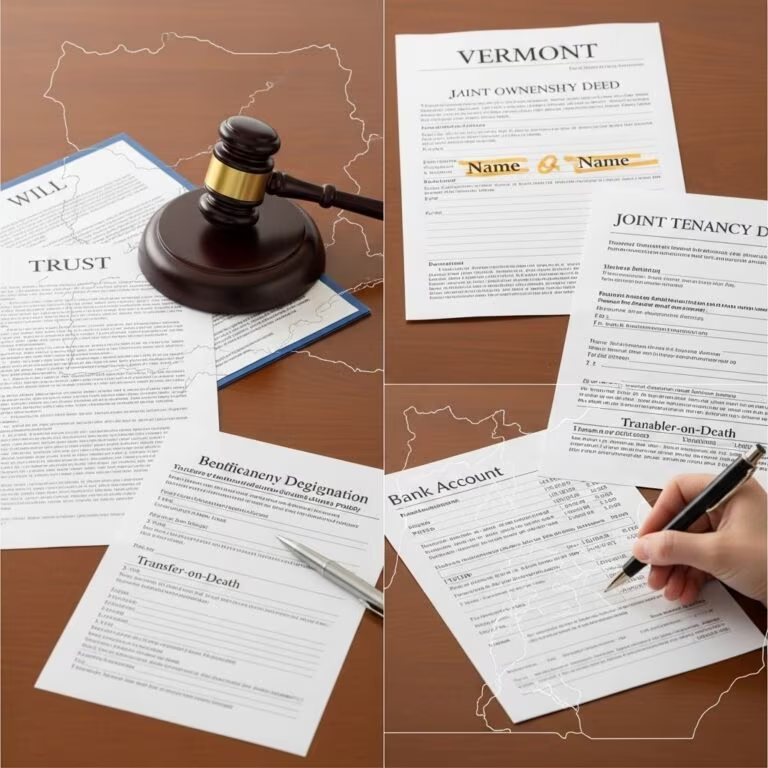
Update Wills, Beneficiaries, and Legal Documents
With your spouse gone, your own estate plan may need to change.
- Review your will and powers of attorney with an attorney, especially if you have children or other dependents.
- Update beneficiary designations for retirement accounts, life insurance, and payable-on-death bank accounts.
- Consider how you want major assets, such as your home, to be handled in the future.
Legal advice can be valuable in understanding your rights to your spouse’s property, especially in states with community property rules or complex marital histories.
Emotional and Practical Support Resources
Financial decisions are often harder during grief, and you do not have to manage everything alone. Community and government resources can offer emotional support and practical guidance.
- Grief support organizations: Nonprofit groups provide counseling, support groups, and online communities for people coping with loss.
- Military and veteran survivor programs: Survivors of service members can access specialized support for benefits and bereavement through VA and related organizations.
- Financial counseling: Some nonprofits and government agencies offer free or low-cost financial guidance to help surviving spouses build stability.
Reaching out to trusted family, friends, faith communities, or support groups can also provide encouragement and help with day-to-day tasks while you adjust to new responsibilities.
Frequently Asked Questions (FAQ)
1. How soon should I apply for Social Security survivor benefits?
You should contact Social Security as soon as possible after your spouse’s death because benefits may not start automatically. Having the death certificate, Social Security numbers, and proof of your marriage ready will help. Delays can mean missed payments, so early contact is recommended.
2. If my spouse was a veteran, where do I start to learn about my benefits?
The U.S. Department of Veterans Affairs provides a centralized resource through its Office of Survivors Assistance, which lists available benefits and services for survivors and dependents. You can also review information about survivor pensions, DIC, education benefits, and home loan guarantees on VA’s official survivor and dependent benefit pages.
3. Does every surviving spouse receive Social Security survivor benefits?
No. Eligibility depends on factors like age, whether you are caring for a child of the worker, and how long your spouse worked and paid Social Security taxes. Some divorced spouses and children may also qualify, but it is important to confirm your specific situation with Social Security.
4. What if I cannot keep up with my bills after my spouse dies?
If you struggle to pay essential expenses, start by contacting creditors and utility providers to explain the situation and ask about hardship options. In addition, consider meeting with a reputable financial counselor or legal aid office for assistance with budgeting and debt management. You may also be eligible for government or nonprofit programs that help with housing, utilities, or medical costs.
5. How can I tell if a person offering to help with my benefits is legitimate?
Check that anyone who claims to help with benefits or investments is connected to an official agency or is a licensed professional. For Social Security or VA-related questions, use contact information from official .gov websites rather than phone numbers or links in unsolicited messages. Be cautious if someone asks for upfront fees or pressures you to act quickly.
Key Takeaways for Surviving Spouses
Navigating finances after losing a spouse is challenging, but you can protect your future by understanding your benefit options, guarding against fraud, and seeking support when needed. Government programs like Social Security survivor benefits and VA survivors benefits can provide important income and services. Combining these resources with careful budgeting and trusted advice can help you move from crisis toward greater financial security over time.
References
- Help for Surviving Spouses — Consumer Financial Protection Bureau. 2023-06-01. https://www.consumerfinance.gov/consumer-tools/educator-tools/resources-for-older-adults/discover-resources-for-surviving-spouses/
- Survivor Benefits — Social Security Administration. 2024-03-01. https://www.ssa.gov/survivor
- Office of Survivors Assistance — U.S. Department of Veterans Affairs. 2023-11-15. https://www.va.gov/survivors/
- Veteran Survivor Benefits: VA Death Benefits Explained — DAV (Disabled American Veterans). 2023-08-10. https://www.dav.org/get-help-now/veteran-topics-resources/survivors/
- Additional Resources — Tragedy Assistance Program for Survivors (TAPS). 2022-09-20. https://www.taps.org/additionalresources