
How to File Employment-Related Complaints with the U.S. Office of Special Counsel
A practical, step-by-step guide to preparing, filing, and following up on complaints with the U.S. Office of Special Counsel.
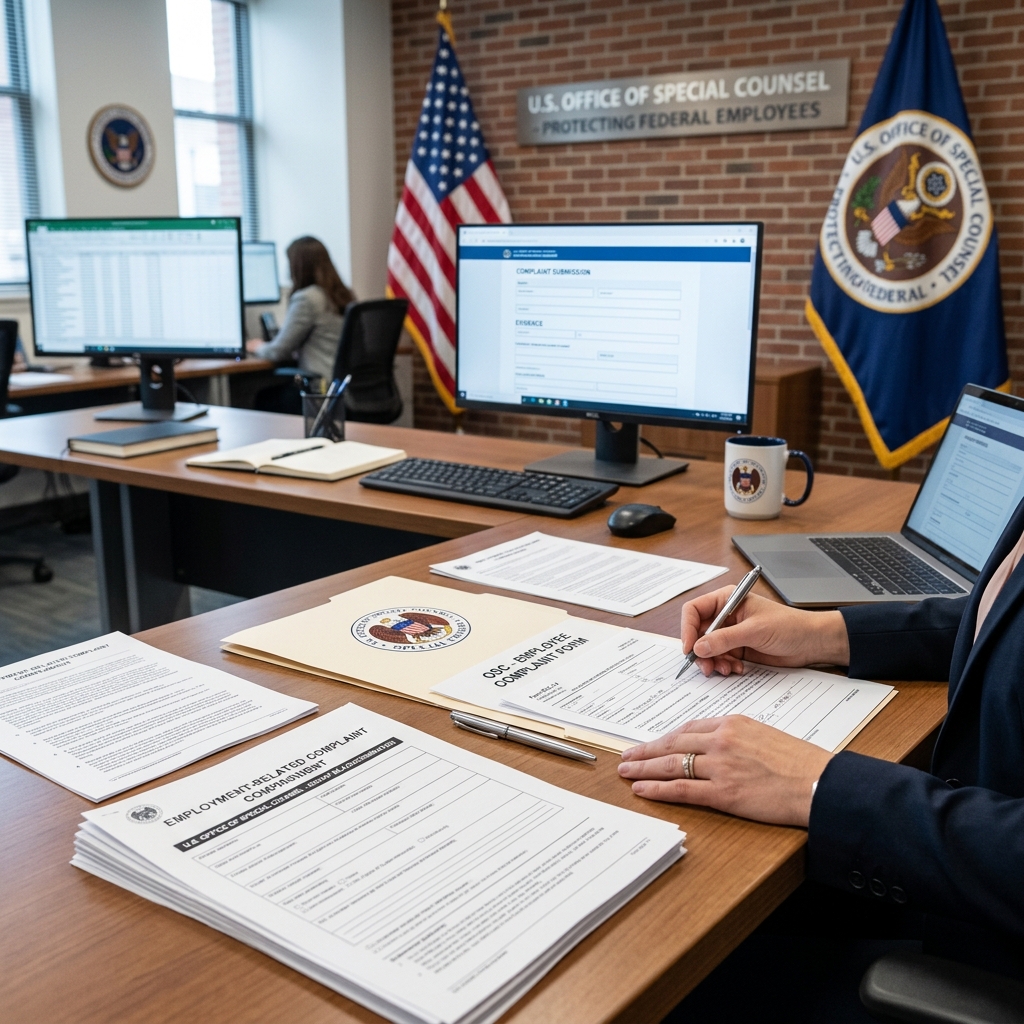
The U.S. Office of Special Counsel (OSC) is an independent federal agency that investigates certain types of workplace misconduct in the federal government, including prohibited personnel practices, whistleblower retaliation, and political activity violations under the Hatch Act. It also helps protect the rights of service members and veterans under USERRA. This guide explains who can file a complaint with OSC, the major types of complaints, how to submit them electronically, and what you can expect from the investigative process.
Understanding OSC’s Role in Federal Employment Protections
The OSC’s primary mission is to help keep the federal civil service fair, impartial, and accountable by addressing specific kinds of wrongdoing that can undermine merit-based employment decisions. Unlike internal agency grievance processes, OSC provides an external avenue for federal employees and applicants to seek review of alleged misconduct.
- Independent oversight: OSC is a separate agency, not part of your employing department, which allows it to review allegations objectively.
- Focused jurisdiction: OSC does not handle every workplace dispute. It focuses on practices and activities that Congress has specifically prohibited, such as retaliation against whistleblowers and certain personnel abuses.
- Corrective and disciplinary powers: When OSC finds violations, it can seek remedies for the harmed employee and discipline for officials responsible.
Because OSC’s powers are tied directly to federal law, understanding the types of complaints it accepts is essential before you begin the filing process.
Who Can File a Complaint with OSC?
In general, OSC accepts complaints from individuals who have some connection to the federal civil service or related employment systems. That includes:
- Federal civilian employees in executive branch agencies, including most departments and independent agencies.
- Applicants for federal employment who believe they experienced a prohibited personnel practice during hiring or selection.
- Former federal employees who allege that past actions (such as removal or demotion) involved prohibited practices or unlawful retaliation.
- Employees covered by USERRA who believe their military service led to discrimination in federal employment opportunities.
Members of the public can also report certain types of wrongdoing, such as suspected Hatch Act violations by federal employees or disclosures of systemic agency misconduct, although the nature of the complaint and the protections available may differ.
Major Categories of Complaints Accepted by OSC
OSC structures its complaint system around several main categories, each grounded in different statutes. Recognizing which category your situation falls into will help you choose the correct form options and supply the right information.
| Complaint Type | Typical Allegations | Examples |
|---|---|---|
| Prohibited Personnel Practices (PPP) | Violations of merit system principles and statutory prohibitions on certain personnel actions. | Retaliation for whistleblowing, favoritism, discrimination outside other agencies’ jurisdiction. |
| Whistleblower Disclosure | Reports of serious agency wrongdoing, such as gross mismanagement or danger to public health or safety. | Disclosure that an agency has hazardous procedures endangering employees or the public. |
| Whistleblower Retaliation | Personnel actions taken because of protected disclosures of misconduct. | Demotion or removal after reporting fraud, waste, or abuse to a supervisor or OSC. |
| Hatch Act Violations | Unlawful political activity in the federal workplace or by certain federal employees. | Pressure on employees to support a political candidate or party. |
| USERRA-Related Complaints | Employment rights violations related to military service. | Refusal to reemploy a veteran returning from active duty in a federal position. |
Some complaints may involve more than one category. For example, an employee might allege both whistleblower retaliation and broader prohibited personnel practices in the same set of facts. OSC’s forms and online system allow you to indicate multiple relevant bases for your complaint.
Electronic Filing Requirements and Options
OSC currently requires that most complaints be filed electronically. The agency has stated that it is unable to process paper filings at this time, and encourages use of its online filing portal for more efficient processing.
You generally have two main electronic options:
- Online Filing Portal: An interactive system on OSC’s website that guides you through the questions necessary for your complaint type, and transmits the information directly to OSC.
- OSC Form 14 (fillable PDF): A structured complaint form you download, complete using compatible software, save, and then submit electronically, typically by email to the address provided by OSC.
Choosing between the portal and Form 14 often depends on your comfort with online forms and whether you want to maintain a formatted document copy of your submission. OSC recommends using the portal for faster handling but allows emailed Form 14 submissions when the portal is not used or technical problems occur.
Preparing Your Complaint Before You File
Thoughtful preparation can improve the clarity and effectiveness of your complaint. While you do not need legal representation to file, organizing your information beforehand is highly beneficial. Consider these steps:
- Clarify your objectives: Decide whether you are seeking corrective action (e.g., reinstatement, back pay) or primarily reporting systemic wrongdoing for investigation.
- Gather documentation: Collect emails, letters, personnel notices, evaluation forms, and any other records that support your claims.
- Create a timeline: Write a chronological summary of key events, including dates, names, and actions taken, to help OSC understand the sequence and context.
- Identify the legal basis: Note whether your allegations involve a PPP, whistleblower retaliation, Hatch Act violations, or other categories recognized by OSC.
- Check for classified or restricted information: Make sure you do not include classified, law-enforcement sensitive, or otherwise protected information in your complaint.
Being specific and factual—rather than relying on general accusations—allows OSC to better assess jurisdiction and merit, which are critical steps in the screening process.
Step-by-Step: Using OSC Form 14
OSC Form 14 is the standard complaint form for alleging prohibited personnel practices and certain other prohibited activities. OSC regulations require an approved form for these complaints, and Form 14 is structured to collect the information necessary for OSC to review your case. Below is a general outline of how to use it.
1. Download and Open the Form
The form is available directly from OSC’s official website in a PDF format. OSC instructs users to open the form using Adobe Acrobat or Adobe Acrobat Reader to ensure full functionality of the interactive fields.
- Download the latest version of OSC Form 14 from the OSC complaint filing webpage.
- Open the file in suitable software; some browser-based PDF viewers may not fully support the form’s features.
2. Select Complaint Type(s)
At the beginning of the form, you will be asked to select one or more checkboxes that correspond to the nature of your complaint or disclosure. These options typically map to PPP allegations, whistleblower disclosures, retaliation complaints, and other prohibited activities.
- Review each option carefully and mark all that apply to your situation.
- Selecting the correct categories guides which additional questions the form presents as you proceed.
3. Provide Required Personal and Employment Information
Fields marked with an asterisk (*) are required. OSC indicates that it cannot process incomplete forms missing necessary information. You can expect to supply:
- Your name and contact details.
- Your current or former employing agency.
- Your job title or position, and status (e.g., current employee, applicant, former employee).
Completing these sections accurately helps OSC confirm that it has jurisdiction over your employment relationship and alleged events.
4. Describe Allegations and Key Events
Form 14 includes larger text fields for you to describe the conduct you are reporting, the officials involved, and the harm you experienced. OSC notes that these fields have word limits and will not accept additional text once that limit is reached.
- Use clear, concise language and focus on specific actions, dates, and decisions.
- Identify the personnel actions at issue (such as removal, demotion, reassignment, or threats of such actions).
- Mention any disclosures of wrongdoing you made and how officials responded.
If you have more information than the text fields allow, you may need to attach supplemental documents or summaries, following OSC’s instructions on attachments.
5. Save, Review, and Retain a Copy
OSC advises filers to save the form regularly while working and to retain a copy for their records. Before submitting:
- Review the entire form for accuracy and completeness.
- Confirm that all required fields are filled and attachments are properly referenced.
- Save a final version to your computer or secure storage.
6. Submit Electronically
Once you are ready to file, you should follow OSC’s current instructions for electronic submission. OSC has publicly stated that it is not able to process paper filings and encourages use of electronic channels. If you encounter technical issues submitting through the designated pathway, OSC guidance allows emailing the completed form to the address specified (such as info@osc.gov).
What Happens After You File a Complaint?
Submitting a complaint begins a structured process in which OSC screens, investigates, and, when appropriate, seeks corrective or disciplinary action. Understanding this process can help manage expectations and guide your interactions with the agency.
Initial Screening for Jurisdiction and Merit
OSC first reviews your complaint to determine whether it falls within its legal authority (jurisdiction) and whether the allegations appear to have sufficient substance to warrant further work (merit).
- Jurisdiction review: OSC confirms that the actors and actions involved are subject to the statutes it enforces, such as the PPP provisions and Hatch Act.
- Merit assessment: OSC evaluates the information you provide, and any initial supporting materials, to decide whether investigation is justified.
Complaints that clearly fall outside OSC’s authority may be closed or referred to other offices, while those within its remit may move to a more detailed investigation stage.
Investigation and Evidence Gathering
For complaints accepted for investigation, OSC can conduct interviews, request documents, and review agency actions in detail. The scope of investigation varies based on the complexity and seriousness of the allegations.
- OSC may contact you for additional information or clarification.
- Agency officials and witnesses may be interviewed or asked to supply records.
- In cases involving whistleblower disclosures of systemic wrongdoing, OSC can require the relevant agency to investigate and submit a written report for review.
For whistleblower disclosures, you may have an opportunity to comment on an agency’s report to OSC, which can influence whether further action is required.
Corrective and Disciplinary Actions
When OSC finds violations, it has several tools available to address harm and deter future misconduct.
- Corrective action: Measures designed to place the complainant in the position they would have occupied had the wrongful conduct not occurred, such as reinstatement, back pay, benefits restoration, or other tangible remedies.
- Disciplinary action: Penalties for officials responsible for prohibited personnel practices or Hatch Act violations, which may include suspensions, demotions, or removals.
In some cases, OSC may seek enforcement of corrective or disciplinary recommendations through the Merit Systems Protection Board (MSPB) if an agency does not agree to voluntary corrective measures. Potential criminal violations identified during OSC’s work can be referred to the Department of Justice.
Key Practical Tips for Complainants
While each case is different, certain practical considerations can help individuals navigate the OSC process more effectively.
- Act promptly: Timeliness can affect your options, particularly where separate appeal rights exist or statutory deadlines apply.
- Be precise in describing misconduct: Clearly distinguish between what happened, who was involved, and which laws or rules you believe were violated.
- Maintain organized records: Keep a personal file of submissions, OSC correspondence, and key documents you provide or receive during the process.
- Avoid including classified information: If your case touches on sensitive areas, consult agency guidance or legal counsel about how to report without disclosing protected material.
- Consider legal advice for complex matters: While not required, consulting an attorney experienced in federal employment or whistleblower law can help you frame your complaint and assess parallel remedies.
Frequently Asked Questions (FAQs)
1. Do I need a lawyer to file a complaint with OSC?
No. Individuals can file OSC complaints on their own using the online portal or OSC Form 14. However, legal counsel may be helpful if your case involves complex issues, parallel MSPB appeals, or potential criminal matters.
2. Can I still file by mail or paper form?
OSC has publicly indicated that it is unable to process paper filings and currently accepts complaints only through electronic means. It encourages use of the online filing portal or emailed Form 14 submissions when needed.
3. What if my complaint involves multiple issues, such as both retaliation and political coercion?
You may select more than one complaint category in the OSC filing system or on Form 14. For example, you can allege both whistleblower retaliation and Hatch Act violations if the facts support both. Provide clear descriptions of each issue and how they relate to the actions taken against you.
4. How long does the OSC process take?
There is no fixed timeline for all complaints. The duration depends on the complexity of the case, the amount of evidence, and OSC’s workload. Some matters may be screened and closed relatively quickly, while others involving full investigations or agency reports can take significantly longer.
5. What if my agency refuses to implement corrective action recommended by OSC?
When agencies decline to adopt recommended corrective measures, OSC may seek enforcement through the Merit Systems Protection Board, which has authority to order compliance in certain circumstances. The specific path forward depends on the statutes and issues involved.
6. Is reporting misconduct to OSC a protected activity?
Federal law protects employees from retaliation for making certain protected disclosures of wrongdoing, including disclosures to OSC. Retaliation for such whistleblowing can itself be a prohibited personnel practice that OSC may investigate and seek to remedy.
References
- File a Complaint — U.S. Office of Special Counsel. 2024-01-10. https://www.osc.gov/file-complaint/
- OSC Form-14 — U.S. Office of Special Counsel. 2024-01-10. https://www.osc.gov/file-complaint/oscform-14/
- Services: Prohibited Personnel Practices Process — U.S. Office of Special Counsel. 2023-06-01. https://www.osc.gov/services/prohibited-personnel-practices/process/
- Office of Special Counsel – Federal Employment Rights Overview — Solomon Law Firm. 2023-05-15. https://www.fedemploylaw.com/practice-areas/federal-employment/discrimination/office-of-special-counsel/
- The OSC Investigative Process: What to Expect — Federal News Network. 2023-12-01. https://federalnewsnetwork.com/commentary/2023/12/the-osc-investigative-process-what-to-expect/
- OSC Lawyer – Whistleblower Protection — FedLaw. 2023-04-20. https://fedemploymentattorneys.com/osc-whistleblower-lawyer/
Similar Articles








Read full bio of Sneha Tete




