
Festival Safety: Legal Tips for Concert-Goers
A practical guide to staying safe, avoiding arrests, and protecting your rights at summer concerts and festivals.
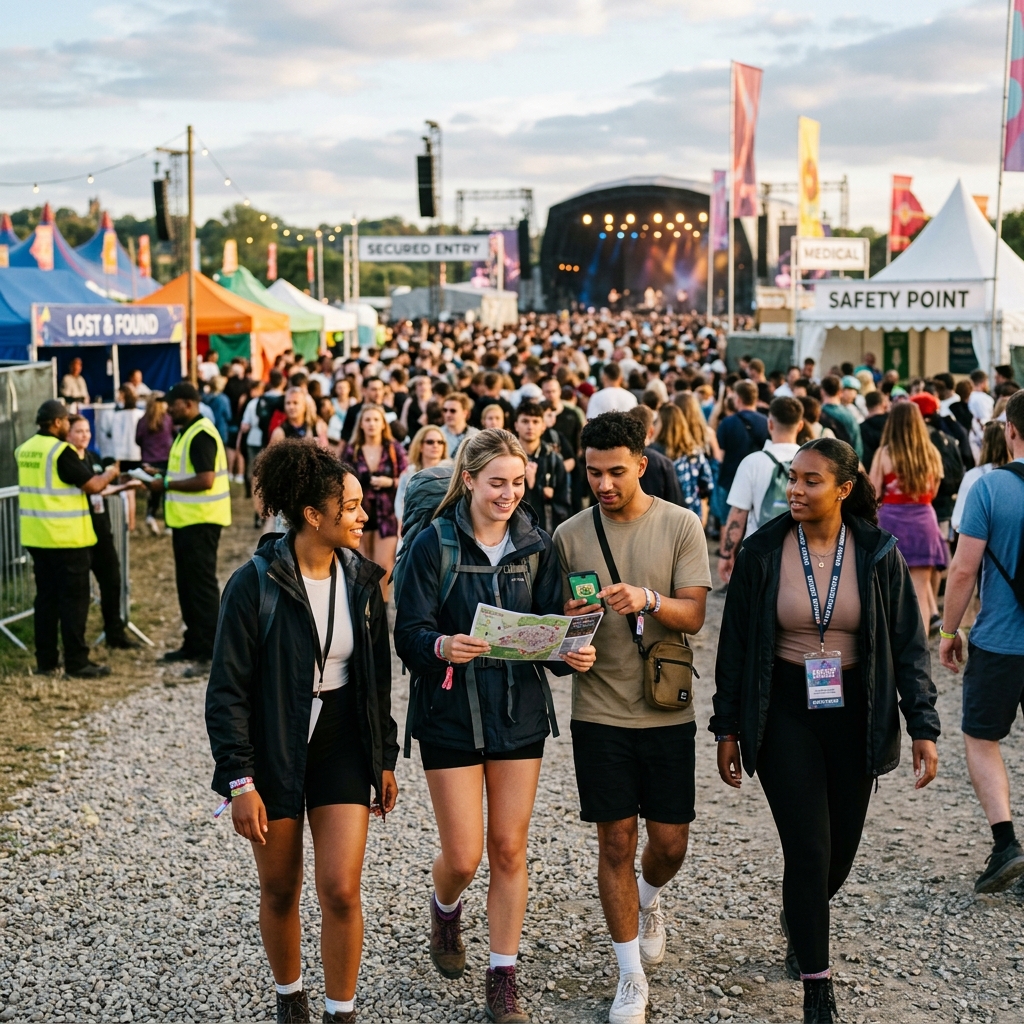
How to Enjoy a Festival Without Creating Legal Trouble
Music festivals are meant to be fun, but they also bring together large crowds, alcohol, traffic, security screening, and heightened police attention. That combination can create unnecessary legal problems if you are unprepared. A little planning before the event can help you avoid common mistakes that lead to citations, searches, arrests, or preventable safety incidents.
The best approach is simple: know the rules, travel responsibly, keep your belongings and documents in order, and understand your basic rights before you arrive. Those steps will not guarantee a perfect weekend, but they can reduce the odds that a fun outing turns into a legal headache.
Start With the Festival Rules
Every event has its own policies, and those policies matter. Before leaving home, review the venue’s website or event instructions so you know what is allowed inside and what will be refused at the gate. Many festivals prohibit weapons, glass containers, large bags, outside alcohol, and other items that can create safety or security concerns.
It is also smart to understand the event’s bag policy, age restrictions, identification rules, and parking procedures. A mistake at the entrance can lead to delay, denial of entry, or the loss of items you did not realize were prohibited. If parking is handled off-site or in designated areas, follow those directions carefully so you do not return to a towed vehicle or a blocked exit.
Know What You Are Carrying
Festival attendees often bring more than they need, which increases the chance of losing something valuable or carrying something prohibited. Pack lightly and keep only the essentials: identification, payment method, phone, charger, medication, and any items specifically allowed by the organizer.
If you are unsure whether something may cause trouble, leave it at home. That is especially important for controlled substances, firearms, vape products, sharp objects, and anything that could be interpreted as drug paraphernalia. Even if an item seems minor to you, event staff or law enforcement may view it differently under the rules of the venue or local law.
Travel Like the Return Trip Matters
Getting to the festival is only half the plan. Getting home safely matters just as much. Before you leave, make sure your vehicle is roadworthy and that your license, registration, and insurance are current. Broken lights, expired paperwork, or a missing registration card can give police a reason to stop your car, and festival traffic often attracts more enforcement than usual.
Passengers should also avoid bringing illegal substances into the vehicle. A car full of attendees heading to or from an event can draw attention if someone is speeding, failing to use turn signals, or driving erratically. The more compliant and organized you are on the road, the less likely you are to create a stop that turns into a search or arrest.
Use a Ride Plan, Not a Guessing Plan
Alcohol is one of the most common reasons festival days go wrong. If you plan to drink, decide in advance how you are getting back. The safest option is to choose a designated driver before the event starts, but rideshare services, taxis, public transit, or a hotel stay may also be better than trying to improvise after the show ends.
Never assume you are fine to drive just because you feel alert. Fatigue, heat, dehydration, and alcohol can combine in ways that make your judgment worse than you think. If your group has been drinking, build in a backup plan so nobody has to make an urgent decision in a crowded parking lot after midnight.
Hydration Is a Safety Issue, Not a Luxury
Festivals often involve long hours outdoors, heavy foot traffic, loud music, and warm weather. That environment can be physically demanding, especially if you are dancing, standing, or consuming alcohol. Dehydration can lead to dizziness, confusion, and poor decisions, all of which can increase your risk of injury or conflict with security staff.
Bring water when allowed, use refill stations when they are available, and take breaks in shaded areas whenever possible. Lightweight clothing, sunscreen, sunglasses, and a hat are practical precautions, not optional extras. If you feel overheated, do not wait until you are unsteady; cool down early and seek help if symptoms get worse.
Stay With Your Group and Set a Meeting Point
Large events make it easy to get separated from friends. Lost phones, dead batteries, and overloaded networks can quickly turn a simple separation into a stressful search. Before the event begins, agree on a meeting point in case anyone gets split from the group.
The buddy system is useful for more than convenience. Friends can notice when someone has had too much to drink, is feeling ill, or is moving toward a bad decision. When people look out for one another, they are less likely to wander into dangerous or legally risky situations alone.
Understand Search Rules at the Gate
Most festivals use security screening, and entering the venue usually means accepting some level of inspection. That can include bag checks, wand screenings, pat-downs, or rules about what may be brought inside. Because the event is generally private property, the organizer may condition entry on compliance with its security procedures.
Still, the presence of security does not mean you should ignore your rights. If an officer is involved, or if a search goes beyond routine screening, it is important to stay calm and avoid escalating the situation. You can ask whether you are free to leave, whether you are being detained, and what rule or legal basis the search is relying on. Polite, clear questions are usually more effective than confrontation.
Do Not Make Alcohol or Drug Decisions on Autopilot
Many festival arrests are not the result of major criminal planning; they stem from poor judgment after drinking or using drugs. Possession, disorderly conduct, public intoxication, and open-container problems are all more likely when people mix loud crowds with impaired decision-making. Even if a substance seems harmless in a social setting, it may become a serious issue once police, security, or medical personnel are involved.
One practical rule stands out: do not share drinks, do not accept drinks from strangers, and do not consume anything you cannot identify. In crowded environments, that advice is about safety as much as legality. If you feel pressured to drink more than you want, step away from the group and reset your plan before the situation escalates.
How to Respond During a Traffic Stop
Festival traffic stops can happen for ordinary reasons such as speeding, a broken light, or unsafe driving. If police pull you over, remain calm, keep your hands visible, and provide the standard documents requested: driver’s license, registration, and insurance. That is usually enough to begin the interaction safely and professionally.
You do not have to volunteer extra information simply to be polite. If asked where you are going or what you have been doing, you may choose to keep your answer brief and factual. If the officer asks to search your car, you may decline consent unless the officer has a lawful basis to search without it. The goal is not to argue; it is to avoid giving unnecessary permission that expands the encounter.
When a Search Goes Beyond the Basics
A gate search, a pat-down, and a vehicle search are not the same thing. Festival staff may inspect bags under event rules, but police searches raise separate legal questions. If law enforcement wants to search your person or vehicle, the circumstances matter: what they saw, what they smelled, what they observed, and whether they have a warrant or another legal justification.
If you are unsure whether a request is optional, it is reasonable to ask. The most important point is to remain respectful and avoid physically resisting. If you believe a search was unlawful, that is usually a question for later legal review, not a problem to solve through confrontation at the festival entrance or roadside shoulder.
Quick Reference: Common Risks and Better Choices
| Common Risk | Safer Choice |
|---|---|
| Bringing prohibited items | Check event rules before packing and travel light |
| Driving after drinking | Set a designated driver or use rideshare before the show starts |
| Ignoring vehicle maintenance | Verify lights, paperwork, and tire condition before departure |
| Overheating in the crowd | Hydrate, rest in shade, and use sunscreen |
| Arguing with security or police | Stay calm, answer only what is necessary, and avoid escalation |
What to Do If Something Goes Wrong
If you are detained, cited, or arrested, the immediate goal is to protect yourself from making the situation worse. Stay calm, do not resist, and keep your answers brief. If you are confused about what is happening, ask for clarification in a measured tone rather than trying to talk you way out of the encounter.
If someone in your group is injured, overheated, or unable to care for themselves, seek medical help promptly. Festivals often have medical tents or staff who can direct you to assistance. Getting help early can prevent a minor issue from becoming an emergency or a separate legal problem involving intoxication, disorderly behavior, or public disturbance.
Questions Festival-Goers Ask Most Often
Can festival security search my bag?
Yes, many events make bag checks part of the entry process. If you want to attend, you generally must comply with the venue’s screening rules.
Can I refuse a police search?
You can usually decline to give consent, but the officer may still search if they have a separate legal basis. If you are uncertain, remain calm and ask whether you are free to go.
What should I do if I am too impaired to drive?
Do not drive. Use a designated driver, rideshare, taxi, public transit, or a nearby hotel instead.
What if I lose my friends in the crowd?
Go to the meeting point you agreed on in advance or contact them by text if your phone works. Planning ahead makes reunions easier and safer.
Why do festivals attract so many police stops?
Large events often create congestion, parking problems, and more visible alcohol use, which can lead to increased enforcement near entry and exit routes.
A Simple Plan for a Safer Weekend
The most effective festival strategy is not complicated. Read the event rules, pack carefully, hydrate, stay with your group, arrange a safe ride home, and know how to handle police or security contact without escalating the situation. Those habits reduce the most common risks tied to summer concerts and outdoor festivals.
If you approach the event with a little discipline, you can focus on the music instead of dealing with avoidable legal problems. A safe festival experience usually begins long before the first song plays.
References
- Know your rights before heading to that Festival or Concert this summer — Yancy Belcher. n.d. https://yancybelcher.com/dui/know-your-rights-before-heading-to-that-festival-or-concert-this-summer/
- Summer Festivals and Risk Management — MRSC. 2023-04. https://mrsc.org/stay-informed/mrsc-insight/april-2023/summer-festivals-and-risk-management
- Your Rights & Responsibilities at Music Festivals — NUAA. n.d. https://nuaa.org.au/rights-responsibilities
- Summer Camp Music Festival Defense Lawyer in Peoria — McCall Law Offices. n.d. https://www.mccalllegal.com/criminal-defense/summer-camp-music-festival/
Similar Articles








Read full bio of Sneha Tete




