
Federal Animal Cruelty Law: Understanding the PACT Act
A clear guide to how the PACT Act turned severe animal cruelty into a federal crime and what that means for animals and people.
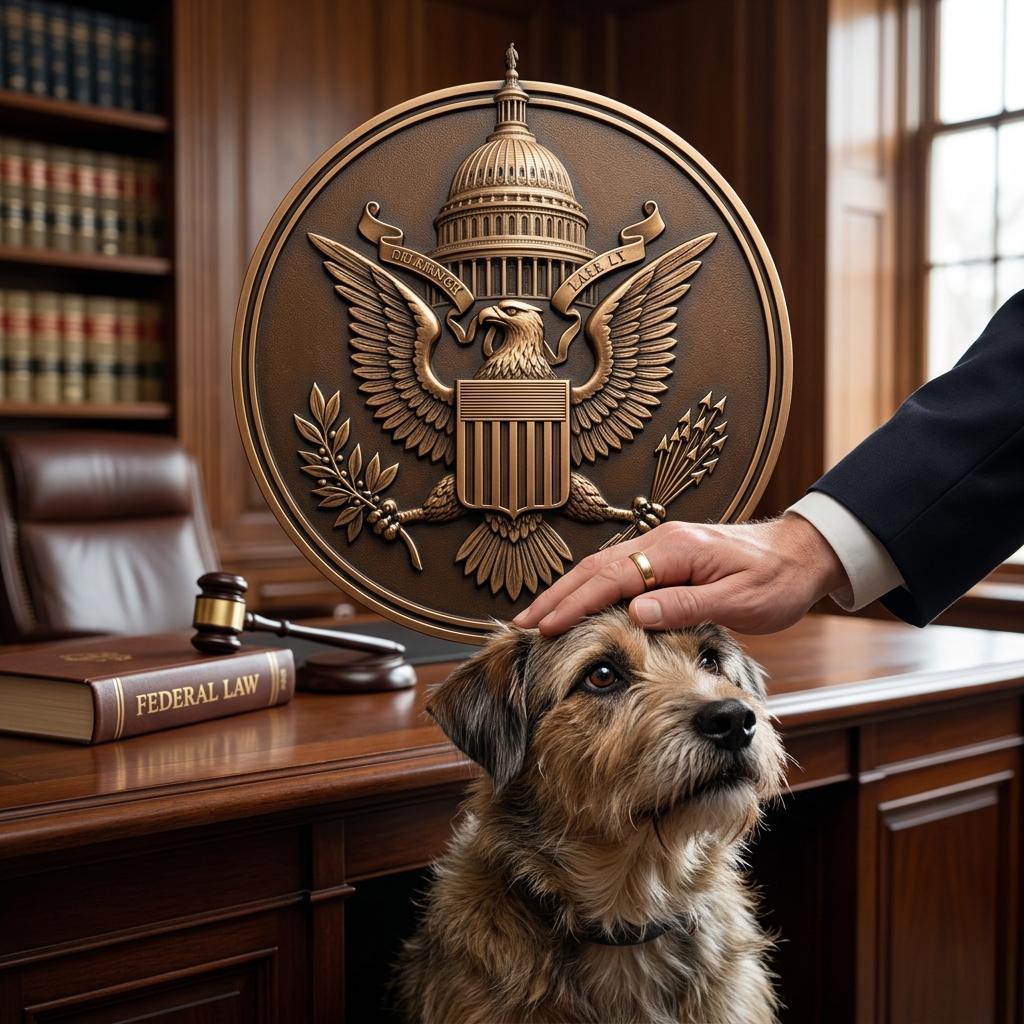
In 2019, the United States adopted a major federal law making some of the most extreme forms of animal cruelty a federal crime. This law, known as the Preventing Animal Cruelty and Torture (PACT) Act, added a new layer of protection for animals on top of existing state laws and made certain acts of deliberate torture punishable by up to seven years in federal prison.
From State-Level Offense to Federal Felony
For decades, animal cruelty was primarily addressed through state and local laws. All 50 states and the District of Columbia have statutes that criminalize cruelty and include felony-level provisions for serious abuse. These laws typically cover conduct such as:
- Intentionally killing or maiming an animal
- Inflicting serious physical injury or torture
- Severe neglect, including failure to provide food, water, or shelter
- Overworking or abandoning animals in dangerous conditions
However, there were gaps when cruelty crossed state lines, involved online content, or occurred in a way that touched interstate or foreign commerce. The PACT Act was designed to close some of these gaps by giving federal authorities direct power to prosecute specific forms of extreme cruelty.
What the PACT Act Actually Does
The PACT Act is a bipartisan law that targets intentional and gruesome acts of animal torture as well as the creation and distribution of so-called “animal crush” videos. It focuses on conduct involving “living non-human mammals, birds, reptiles, or amphibians” and applies when that conduct has a connection to interstate or foreign commerce or occurs within the special territorial jurisdiction of the United States.
Core Offenses Covered
Under the PACT Act, it is a federal crime to intentionally engage in severe acts such as:
- Crushing animals
- Burning animals
- Drowning animals
- Suffocating animals
- Impaling animals
- Sexual exploitation or other serious harm to animals
The law also prohibits knowingly creating, distributing, or advertising “animal crush videos” – visual depictions that show these acts of cruelty. In effect, it targets both the underlying violent conduct and the commercialization of that abuse.
Penalty Structure Under the Law
Violations of the PACT Act can lead to substantial consequences. A person convicted of an offense under the Act can face:
- Up to seven years in federal prison
- Significant criminal fines
- Or both imprisonment and fines, depending on the case
This federal penalty framework is meant to reflect the severity of deliberate torture and send a clear message that such acts are treated as serious crimes, not minor misconduct.
How the PACT Act Fits Within the Broader Animal Protection System
The PACT Act does not replace existing laws; instead, it complements them. Animal protection in the United States now rests on multiple layers:
- State anti-cruelty statutes, which cover the vast majority of cruelty cases and can impose felony penalties for egregious abuse.
- Federal animal welfare laws, such as the Animal Welfare Act, which regulate research, exhibition, transport, and commercial use of certain animals.
- Specialized federal laws addressing specific issues, such as animal fighting and wildlife trafficking.
- The PACT Act, which fills gaps for extreme cruelty involving interstate or foreign commerce or federal jurisdiction.
Comparison of Key Federal Animal Protection Laws
| Law | Main Focus | Typical Conduct Covered | Scope |
|---|---|---|---|
| Animal Welfare Act (AWA) | Regulates treatment of certain animals in research, exhibition, transport, and by dealers. | Standards for housing, handling, feeding, and care; licensing and inspection. | Applies to covered facilities and activities, not general private ownership. |
| Lacey Act | Wildlife trafficking and illegal trade. | Bans trade in wildlife, fish, and plants taken or sold in violation of law. | Focuses on commerce and transportation of wildlife. |
| Animal Fighting Provisions | Prohibits organized animal fighting. | Exhibiting animals in fights, sponsoring fights, attending as spectator, or training animals for fighting. | Federal crimes when conduct crosses state lines or involves commerce. |
| PACT Act | Extreme torture and crush videos. | Crushing, burning, drowning, suffocating, impaling, sexual exploitation, and crush video creation/distribution. | Applies when the conduct is in or affects interstate commerce or occurs within federal jurisdiction. |
Limits and Important Exceptions in the PACT Act
While the PACT Act is a significant step, it is not a comprehensive animal cruelty code. Congress built in a number of exceptions so the law would not interfere with certain lawful and regulated activities. The Act does not apply to conduct that is already regulated or permitted under other laws, such as:
- Lawful hunting and trapping governed by state and federal wildlife rules
- Fishing and normal agricultural practices involving livestock
- Medical or scientific research conducted under approved protocols, such as those governed by the Animal Welfare Act
- Standard veterinary procedures or euthanasia performed in a humane way
- Law enforcement actions involving animals when reasonably necessary
These exceptions reflect a policy choice: the PACT Act focuses on intentional and malicious torture, not on regulated or customary uses of animals that are subject to other sets of rules.
Enforcement and Jurisdiction: Who Handles What?
In practice, most animal cruelty prosecutions still occur at the state and local level. Local law enforcement, animal control agencies, and state prosecutors handle neglect, abandonment, hoarding, and many forms of physical abuse. Federal authorities get involved when:
- The cruelty conduct or crush video production crosses state lines or involves online distribution with interstate elements
- The abuse occurs on federal property or within federal territorial jurisdiction
- The case overlaps with other federal crimes, such as animal fighting or wildlife trafficking
The Department of Justice can bring PACT Act cases where there is evidence of qualifying conduct and a clear federal nexus. This shared framework allows both state and federal systems to contribute to animal protection, depending on the facts of each case.
Why Federal Animal Cruelty Laws Matter
Turning certain acts of cruelty into federal offenses serves multiple purposes beyond individual prosecutions. Key implications include:
- Symbolic importance: Recognizing severe animal torture as a serious federal crime sends a strong societal message about the value placed on animal welfare.
- Closing enforcement gaps: Federal jurisdiction can reach conduct that state laws struggle to cover, especially digital content and cross-border abuse.
- Deterrence: The possibility of federal investigation and a lengthy prison term may discourage some of the most extreme forms of cruelty.
- Coordination with other criminal laws: Animal cruelty can be linked with other offenses, including domestic violence and organized crime; federal tools can be helpful in complex cases.
Frequently Asked Questions About the PACT Act
Does the PACT Act make all animal cruelty a federal crime?
No. The PACT Act covers only specific, extreme acts like crushing, burning, drowning, suffocating, impaling, and sexual exploitation, plus related crush videos, when there is a federal jurisdictional element. Most animal cruelty cases remain under state law.
Are all states required to enforce the PACT Act?
States are not required to enforce the PACT Act because it is a federal law. Federal agencies and prosecutors handle PACT Act cases, while state and local authorities enforce their own anti-cruelty statutes.
Can someone be prosecuted under both state law and the PACT Act?
Yes, it is legally possible for conduct to violate both state cruelty laws and the PACT Act. In such situations, prosecutors decide which charges to bring. Because state laws already cover many forms of cruelty, federal authorities may focus on the most serious or complex cases.
Does the PACT Act apply to neglect, such as failing to feed a pet?
Neglect and failure to provide basic care are generally covered by state anti-cruelty statutes, not the PACT Act. The PACT Act is focused on intentional and extreme acts of torture and specific forms of violence, rather than broader neglect scenarios.
How does the PACT Act relate to animal fighting laws?
Animal fighting is addressed by separate federal provisions that make it a crime to sponsor fights, exhibit animals in fights, attend as a spectator, or train animals for fighting, particularly when interstate commerce is involved. The PACT Act instead focuses on torture-type conduct and crush videos. Both sets of laws are part of the broader federal strategy against cruelty.
What This Means for Advocates, Owners, and the Public
For people concerned about animal welfare, the PACT Act is one important tool among many. Its passage means that:
- There is now a clear federal penalty for some of the worst forms of cruelty.
- Extreme abuse that crosses state lines or is shared online can be targeted under federal criminal law.
- Public awareness of the legal status of cruelty is growing, which can support stronger enforcement of both state and federal laws.
At the same time, everyday animal protection still depends heavily on local action. Reporting suspected cruelty to local law enforcement or animal control, supporting shelters and rescue organizations, and understanding state-level cruelty statutes remain critical to improving outcomes for animals.
References
- Trump Signs Law Making Cruelty To Animals A Federal Crime — NPR. 2019-11-25. https://www.npr.org/2019/11/25/782842651/trump-signs-law-making-cruelty-to-animals-a-federal-crime
- Laws that Protect Animals — Animal Legal Defense Fund. 2023-04-18 (last updated). https://aldf.org/article/laws-that-protect-animals/
- Animal Cruelty Facts: Understanding the Law and the Link — Alley Cat Allies. 2024-02-01 (last updated). https://www.alleycat.org/resources/anti-cruelty-laws-protect-all-cats/
- President Trump signs bill making animal cruelty a federal felony — ABC News. 2019-11-25. https://abcnews.go.com/Politics/president-trump-sign-animal-cruelty-bill-law-making/story?id=67295654
- Animal Welfare — U.S. Department of Justice, Environment and Natural Resources Division. 2023-07-10 (last updated). https://www.justice.gov/enrd/animal-welfare
Similar Articles








Read full bio of medha deb




