
False Sexual Harassment Claims: Rights, Risks, and Legal Options
Understand what happens when sexual harassment accusations are false, how investigations work, and what legal protections exist for both workers and employers.
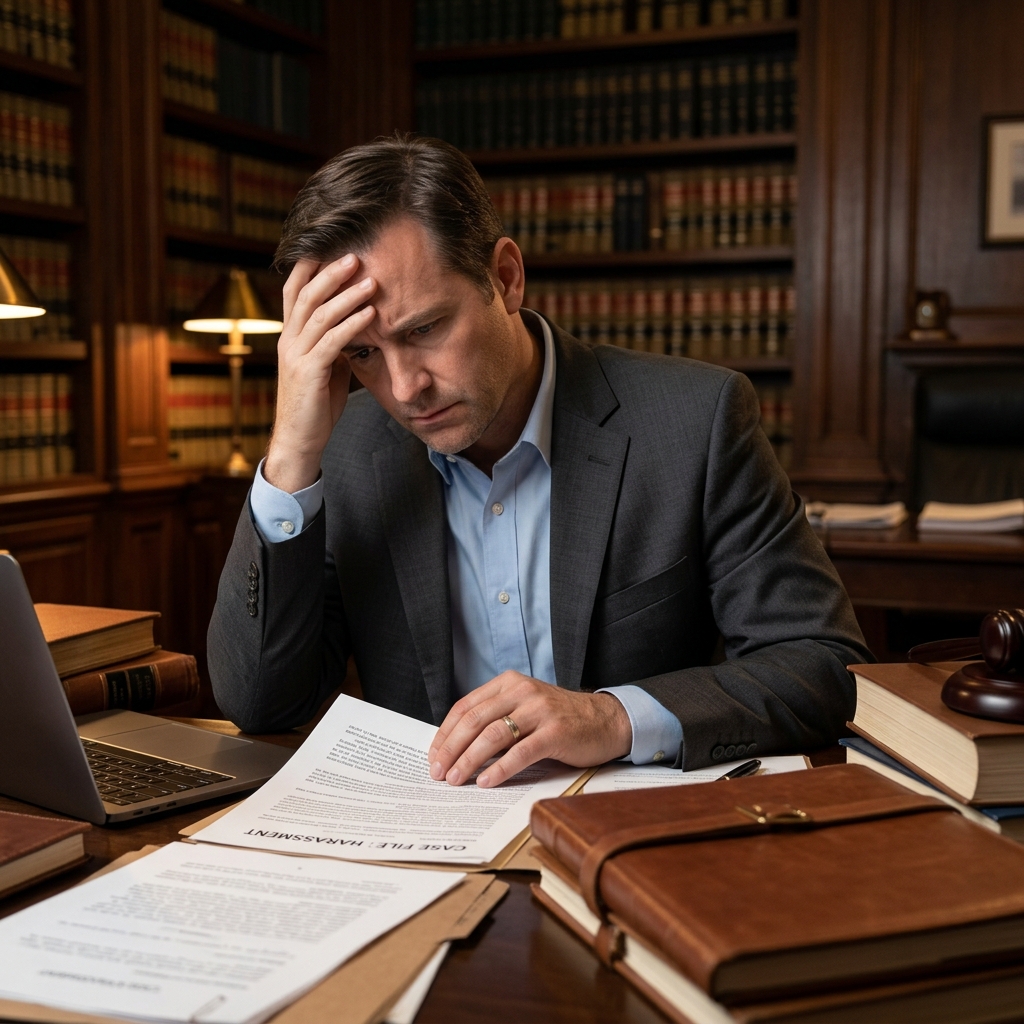
Sexual harassment laws are designed to protect workers from serious harm, but they also create complex situations when claims turn out to be unfounded or intentionally false. False or mistaken allegations can damage reputations, careers, and workplace relationships, while employers must still comply with their legal duty to investigate every complaint in good faith. Understanding how these cases are handled and what rights each party has is critical for employees, managers, and business owners.
What Counts as a False Sexual Harassment Claim?
Sexual harassment generally refers to unwelcome sexual advances, requests for sexual favors, or other verbal or physical conduct of a sexual nature that affects employment, interferes with work performance, or creates a hostile work environment under federal and state laws. A claim can be considered false when the alleged conduct did not occur, was substantially misrepresented, or was fabricated, and the accuser knew or should have known the allegation was untrue.
It is important to distinguish between:
- False but honest mistakes — misunderstandings about intent or context, where the accuser believes harassment occurred but the facts do not meet the legal standard.
- Intentionally fabricated claims — complaints made in bad faith to harm someone or gain an advantage, such as during workplace disputes or personal conflicts.
Most legal systems treat intentionally false claims more seriously than honest misunderstandings. In either case, however, employers must conduct a fair investigation, and the accused person has a right to respond.
Legal Framework Governing Sexual Harassment Complaints
In the United States, sexual harassment in the workplace is primarily governed by federal anti-discrimination law and parallel state laws. Under Title VII of the Civil Rights Act of 1964, harassment based on sex is considered a form of unlawful discrimination when it is severe or pervasive enough to alter the conditions of employment.
Key legal duties include:
- Employer duty to investigate — when an employee reports sexual harassment, the employer must investigate promptly and fairly to avoid liability and ensure a safe workplace.
- Protection of good-faith complainants — laws and internal policies typically protect individuals who report harassment in good faith from retaliation.
- Fair process for the accused — basic due process principles require that the accused be allowed to know the allegations, present their side, and have the evidence considered neutrally.
These rules apply even when allegations later prove to be unfounded. Employers that ignore complaints, refuse to investigate, or retaliate against complainants can face legal exposure, including lawsuits and agency enforcement actions by bodies like the Equal Employment Opportunity Commission (EEOC).
How Employers Typically Handle a Sexual Harassment Complaint
When a complaint is filed, most organizations follow a structured process designed to be consistent with law and company policy.
Common Steps in a Workplace Investigation
- Receipt and documentation of the complaint — HR or a designated official records the allegation, often in writing, and confirms the basic facts such as who was involved, what allegedly happened, and when.
- Notice to the accused employee — the person accused is informed of the complaint and given an opportunity to respond, usually in an interview.
- Collection of evidence — investigators may gather emails, text messages, personnel records, and physical evidence, and interview witnesses who might have seen or heard relevant events.
- Credibility assessment — where direct evidence is limited, investigators evaluate consistency, detail, demeanor, and corroborating information from both the complainant and the accused.
- Written findings and recommendations — at the end of the process, the employer typically prepares a written summary of findings, whether harassment is substantiated, and any recommended disciplinary or corrective actions.
Best practice is for the investigation to be neutral, confidential, and evidence-based. If the complaint appears false, the employer may decline to discipline the accused and could consider action against anyone who deliberately misused the complaint process, depending on company policy and applicable law.
Risks Faced by Someone Falsely Accused
Even when a claim is ultimately rejected, the accused person can face significant consequences, both inside and outside the workplace.
| Type of Risk | Examples |
|---|---|
| Employment consequences | Suspension during investigation, loss of promotion opportunities, reassignment, or termination if the employer reaches an unfavorable conclusion. |
| Reputational harm | Damage to professional reputation, strained relationships with colleagues, and long-term stigma even after exoneration. |
| Legal exposure | Related civil claims, licensing issues in regulated professions, or regulatory investigations if allegations are shared with external agencies. |
| Mental health impact | Stress, anxiety, depression, and social isolation stemming from a perceived loss of trust. |
These risks underline why careful handling of allegations is so important and why falsely accused individuals often seek legal representation early in the process.
Immediate Steps for Someone Who Believes a Claim Is False
If you are notified that you have been accused of sexual harassment, thoughtful action in the first days and weeks can make a substantial difference in the outcome.
Actions Generally Recommended
- Stay calm and professional — emotional reactions, anger, or confrontation can be misinterpreted or used against you later.
- Request details in writing — ask HR for a written summary of the allegations so you understand exactly what conduct is at issue and when it supposedly occurred.
- Follow company policies — comply with investigation requests, attend scheduled meetings, and avoid obstructing the process. Document any deviations from policy you observe.
- Preserve evidence — save emails, text messages, calendars, and other records that may help show where you were, what you said, or how you typically communicate.
- Identify witnesses — make a confidential list of co-workers who might have relevant information, including people who were present during key events or who can explain work-related context.
Legal practitioners often advise against discussing the matter widely or confronting the accuser directly. Off-the-record conversations about the case can be misquoted or misunderstood and may complicate the investigation or any later legal proceedings.
Common Mistakes to Avoid
- Confronting the complainant — approaching the accuser can be perceived as intimidation or retaliation and could itself become a policy violation.
- Posting about the case on social media — public comments may undermine confidentiality, violate workplace policies, or be used as evidence of unprofessional conduct.
- Resigning immediately — leaving your job before the investigation is complete may affect your ability to challenge findings or seek legal remedies later.
- Destroying or altering records — deleting messages or changing documents can be viewed as misconduct and may lead to separate discipline or legal consequences.
The Role of Legal Counsel in False Harassment Cases
Because sexual harassment cases can involve overlapping issues of employment law, defamation, and regulatory compliance, many individuals and employers choose to work with legal counsel.
Lawyers experienced in employment law or workplace investigations can:
- Explain applicable laws and policies — including federal statutes, state regulations, and company rules that control the investigation and possible outcomes.
- Communicate with the employer or agency — ensuring that your responses are accurate, consistent, and strategically presented.
- Evaluate the strength of the evidence — analyzing witness statements, documents, and investigative procedures for fairness and reliability.
- Advise on potential claims — such as defamation or wrongful termination if the allegation was intentionally false and led to reputational or economic harm.
In some situations, claims may also be filed with government agencies like the EEOC or similar state bodies. Providing false information to such agencies can carry penalties, including fines or other sanctions, which counsel can help you address.
What Happens If the Allegation Is Proven False?
When an investigation concludes that a sexual harassment complaint is unfounded, the employer should document the result and take reasonable steps to restore fairness in the workplace.
Possible Workplace Outcomes
- Clearing the personnel record — removal of disciplinary notices or notations related to the allegation, where appropriate.
- Reinstatement or adjustment — reversal of temporary changes in duties or shifts that were made during the investigation.
- Policy enforcement against bad-faith complaints — some employers discipline workers who intentionally file false complaints, up to and including termination, in line with written policies and applicable law.
If the false allegation caused substantial damage, the wrongfully accused person may consider civil remedies. One common avenue is a defamation claim, which generally requires proof that false statements were communicated to others and harmed the person’s reputation. The viability of such a claim depends heavily on state law, the specific facts, and whether statements were made within privileged contexts, such as internal investigations.
Balancing Protection for Victims and Safeguards Against False Claims
Sexual harassment law must balance two important interests: strong protections for genuine victims and fair treatment for those accused. Policy makers and courts aim to encourage reporting of real misconduct while discouraging intentional misuse of complaint procedures.
Effective systems usually include:
- Clear reporting channels — including HR contacts, anonymous hotlines, or external ombuds services, so workers can report harassment safely.
- Due process safeguards — written procedures that give both complainants and respondents an opportunity to be heard, present evidence, and respond to findings.
- Anti-retaliation policies — protecting those who report harassment in good faith, while differentiating between honest reports and bad-faith fabrications.
- Education and training — helping employees understand what behavior may constitute harassment, how to report concerns, and why truthful participation in investigations is essential.
When these elements are in place, organizations are better able to identify real harassment, resolve unfounded claims fairly, and maintain trust among employees.
FAQs About False Sexual Harassment Claims
Can I be disciplined even if I believe the claim is false?
Yes. Employers make decisions based on the outcome of their investigations, not simply on your belief about the allegation. If the evidence presented leads the employer to conclude that harassment occurred, discipline may follow. You may challenge that conclusion through internal appeals, union processes, or legal action, depending on your situation.
Is filing a deliberately false complaint a crime?
In some jurisdictions, knowingly submitting false information to agencies like the EEOC or state civil rights commissions can be punishable by fines or other sanctions. However, honest but mistaken complaints are generally not treated as criminal behavior. Whether a case rises to the level of criminal false reporting depends on local statutes and the facts.
Can I sue my accuser for defamation?
Defamation claims may be possible if you can show that the accuser made false statements of fact about you, communicated them to others, and caused harm to your reputation. Laws differ by state, and some communications made in internal investigations may be legally privileged. An attorney can assess whether a defamation claim is viable in your circumstances.
What rights do genuine victims have if their complaint is not believed?
Workers who experience real harassment have the right to report it, request a fair investigation, and seek remedies, including changes to work conditions or legal action. If an employer fails to investigate or retaliates against a good-faith complainant, the worker may file a charge with the EEOC or pursue civil claims under federal or state law.
How can employers reduce the risk of false claims?
Employers cannot eliminate the possibility of false allegations, but they can reduce risks by maintaining clear policies, providing regular training, encouraging respectful communication, and ensuring investigations are thorough and neutral. When employees trust the system, they are more likely to report genuine concerns and less likely to misuse complaint procedures.
References
- False Sexual Harassment Claims: Legal FAQ — FindLaw. 2020-08-20. https://www.findlaw.com/legalblogs/law-and-life/false-sexual-harassment-claims-legal-faq/
- What is our rights when someone is falsely accused of sexual harassment? — Avvo (Attorney Answer). 2013-05-06. https://www.avvo.com/legal-answers/what-is-our-rights-when-someone-is-falsely-accused-4158155.html
- Workplace Sexual Harassment: How to Defend Against False Charges — Neal Davis Law Firm. 2019-04-10. https://www.nealdavislaw.com/criminal-defense-guides/workplace-sexual-harassment/
- False Sexual Harassment Allegations — Horn Wright, LLP. 2023-02-15. https://www.hornwright.com/employment-law/sexual-harassment/false-sexual-harassment-allegations/
- False Accusation — EBSCO Research Starters, Law Topic. 2017-09-01. https://www.ebsco.com/research-starters/law/false-accusation
Similar Articles








Read full bio of Sneha Tete




