
Should You Buy an Extended Warranty or Service Contract?
Learn how extended warranties and service contracts work, what they cover, and how to decide if they’re worth the extra money.
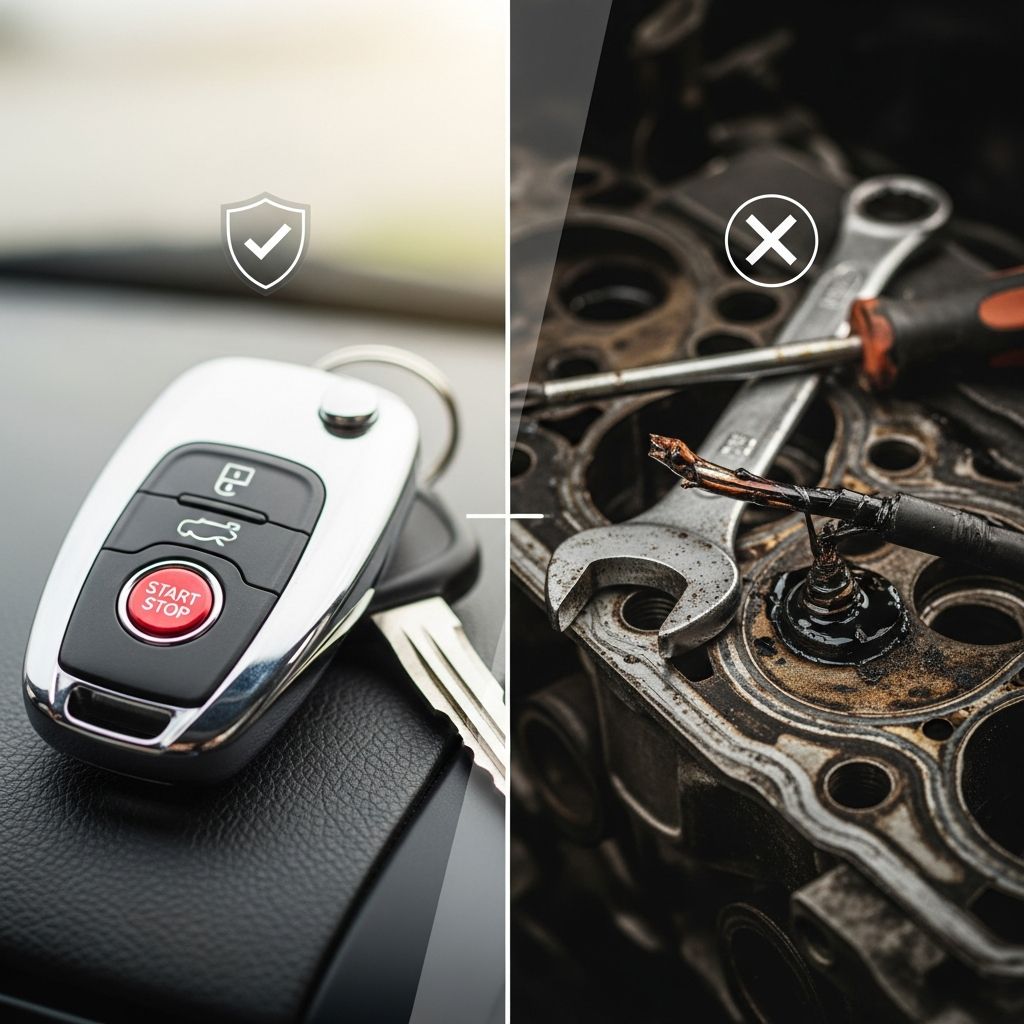
Extended warranties and service contracts are heavily marketed when you buy electronics, appliances, cars, and many other products. They promise peace of mind and protection from costly repairs, but they also add to the price of your purchase and often come with fine print and exclusions. This guide explains how these plans work, how they differ from regular warranties, and how to decide whether they are a smart use of your money.
1. Basic Concepts: Warranties vs. Service Contracts
Before you can evaluate an offer, you need to understand the different types of protection that might apply to a product:
- Manufacturer’s warranty (“written warranty”) – A promise from the manufacturer that it will repair, replace, or refund the product if it fails within a stated period under normal use. In the U.S., written warranties on consumer products are regulated under the Magnuson-Moss Warranty Act.
- Implied warranties – Automatic legal protections that apply in many states whenever you buy a product from a retailer, such as an implied warranty that an item is reasonably fit for ordinary use.
- Extended warranty or service contract – An optional, paid agreement to cover certain repairs or services for a set time beyond (or in addition to) the manufacturer’s warranty.
Despite the name, an extended warranty or service contract is often legally treated as a separate service agreement rather than a warranty itself. The coverage, provider, and rules can be very different from what comes automatically with your purchase.
2. What an Extended Warranty or Service Contract Usually Promises
Extended warranties and service contracts are generally marketed to cover:
- Repair or replacement of specific parts if they fail during the contract term
- Labor costs for covered repairs
- Access to a network of authorized repair centers or technicians
- Telephone or online support for troubleshooting and service approval
For some products, plans may also add limited extra benefits, such as:
- Reimbursement for food loss if a refrigerator breaks and the failure is covered
- Loaner equipment or temporary replacement items
- Towing or roadside assistance for certain vehicle contracts
However, coverage is never unlimited. Every contract is defined by three key elements: length of coverage, scope of coverage, and conditions you must follow to use the coverage.
3. Common Types of Products That Use These Plans
You might encounter extended warranties or service contracts when buying:
- Cars and trucks (vehicle service contracts)
- Major home appliances (refrigerators, washing machines, HVAC)
- Electronics (TVs, laptops, tablets, smartphones)
- Power tools and outdoor equipment
- Furniture and mattresses
In many of these markets, plans are a major source of profit for sellers. For example, research on auto warranties has found that buyers often spend more on extended car warranties than they receive back in covered repairs over time.
4. Key Terms and Fine Print to Review Carefully
When you are offered a plan, ask for a copy of the full terms and conditions and look for these items:
| Feature | Questions to Ask | Why It Matters |
|---|---|---|
| Length of coverage | When does coverage start and end? Is there an overlap with the manufacturer’s warranty? | Some plans effectively duplicate free coverage you already have. |
| What is covered | Which parts, systems, or types of damage are included? Are there coverage tiers? | Many contracts cover only specific listed components, not the entire product. |
| What is excluded | Does the plan exclude wear and tear, accidental damage, misuse, cosmetic damage, or pre-existing conditions? | Exclusions can be broad enough that common failures are not covered. |
| Conditions for coverage | Do you have to follow a maintenance schedule, register the product, or use specific service centers? | Failing to follow required steps can give the provider grounds to deny a claim. |
| Deductibles and fees | Do you pay a deductible per visit or per repair? Are there diagnostic or shipping fees? | Out-of-pocket costs reduce the financial benefit of the plan. |
| Provider and cancellation | Who backs the contract? Can you cancel and get a refund, and under what terms? | Your rights depend on who issued the contract and applicable state law. |
5. Potential Advantages of Buying a Plan
Extended warranties and service contracts can offer several real benefits when the coverage is appropriate and the provider is reputable.
5.1 Financial protection against large, early failures
If an expensive product fails soon after the manufacturer’s warranty ends, an extended plan can protect you from a repair that might cost more than the product itself, especially for:
- Major auto repairs like engine or transmission replacements
- HVAC systems or central air conditioning units
- High-end electronics with costly parts or labor
In these situations, a single covered repair can offset several years of premium payments.
5.2 Predictable budgeting and peace of mind
Some consumers value predictable costs over the risk of a large, unexpected bill. A service contract can:
- Turn uncertain repair expenses into a known upfront cost
- Reduce anxiety about how you would pay for a major breakdown
- Offer psychological comfort, even if the expected value is negative
For people who strongly dislike financial uncertainty, that peace of mind can be worth paying for.
5.3 Convenience and access to repair networks
Plans often come with an established network of approved repair shops or service technicians. This can be helpful if you:
- Do not have a trusted local repair provider
- Prefer not to spend time comparing repair quotes
- Want the provider to coordinate parts, labor, and billing directly
For auto and home systems, some contracts may include roadside assistance or emergency service arrangements, reducing the hassle of handling a breakdown on your own.
6. Significant Drawbacks and Risks
Despite the potential benefits, extended warranties and service contracts also have important downsides that you should weigh carefully.
6.1 You may never use the coverage
One of the biggest risks is simply that the product never needs covered repairs during the contract period. Survey data from Consumer Reports and other sources have found that many people either never used their extended auto warranties or did not receive benefits equal to the cost they paid.
Even if a failure occurs, it might fall outside the contract’s rules, such as:
- Damage classified as wear and tear when the plan covers only defects
- Accidental damage that is not included under the policy
- Claims denied because maintenance or documentation requirements were not met
6.2 Overlapping or duplicate coverage
You may already have protection from:
- The manufacturer’s written warranty, which often covers at least one year
- Implied warranties under state law, especially for new goods
- Credit card benefits that extend manufacturer warranties on qualifying purchases (varies by issuer)
- Homeowners or renters insurance for some types of accidental damage (subject to deductible and exclusions)
Buying a contract that duplicates coverage you already have provides little real value, especially if the extended plan begins before the manufacturer’s warranty ends.
6.3 Restrictions on where and how you get repairs
With a service contract, the provider often decides:
- Which repair shop or technician you must use
- Whether to repair or replace the item
- Whether to use new, used, or refurbished parts
If you prefer to choose your own repair professional or insist on original manufacturer parts, these limitations can be frustrating and reduce the perceived value of the contract.
6.4 Company stability and claim disputes
Some contracts are administered by third-party companies that can change ownership or go out of business. If that happens, you may have difficulty getting paid on claims or may lose coverage entirely. Regulatory guides for vehicle service contracts warn consumers to verify the identity and financial backing of the provider, including whether the plan is insured by a separate company.
7. How to Decide If a Plan Is Worth the Cost
There is no single right answer, but you can make a more informed decision by walking through a simple checklist.
7.1 Evaluate the product’s reliability and repair costs
- Check independent product reviews and reliability ratings to see how often the product type fails and what repairs typically cost.
- Research whether the manufacturer has a history of recalls or known defects for the model you are buying.
- For vehicles and major systems, consider the expected lifespan and typical failure points.
If a product is highly reliable and inexpensive to repair, paying for an extended plan is less likely to pay off.
7.2 Compare the cost of the plan with likely outcomes
To make a rough cost-benefit comparison:
- Calculate the total price of the plan over its term and convert it to an annual cost.
- Estimate the chance of a major covered repair and its probable cost.
- Factor in any deductibles, per-visit fees, and claim limits.
Keep in mind that warranty providers, like insurers, design prices so that on average they take in more in premiums than they pay out in claims. That does not mean you should never buy a plan, but it does mean you are paying not just for coverage but also for profit and administration.
7.3 Consider your budget and risk tolerance
Ask yourself:
- Could you handle a large, unexpected repair bill without going into debt?
- Would a breakdown cause serious hardship, or could you postpone repair or replacement?
- Do you strongly prefer predictable monthly or upfront costs, even if that means paying more in total?
For someone with limited savings, a contract that prevents one very large bill may be appealing, even if the average consumer might come out ahead by self-insuring.
7.4 Read the full contract and check the provider
Before you sign:
- Request the full contract in writing and read all exclusions, limitations, and cancellation terms.
- Confirm who administers the plan and whether an insurance company backs the obligations (important for longer-term vehicle contracts).
- Search for complaints or enforcement actions involving the provider with your state attorney general or insurance regulator.
- Verify whether your state treats certain contracts as insurance and what consumer protections apply.
8. Smart Shopping Strategies for Extended Protection
If you decide that some form of extended protection makes sense, you can still pay attention to value and terms.
- Do not decide under pressure at checkout. High-pressure sales tactics are common at car dealerships and electronics counters. Take the contract home to review if possible.
- Shop multiple providers. You are not limited to the plan sold by the retailer. Compare manufacturer plans, reputable third-party administrators, and credit card protections.
- Time the purchase. Some plans can be purchased within a certain time after buying the product. Waiting can allow you to research reliability and decide later.
- Negotiate price on vehicle and home system contracts. Vehicle service contracts and similar plans are often marked up; in some cases, their price may be negotiable at the dealership.
- Verify transferability. If you might sell the product (especially a car or home), ask whether the plan can transfer to a new owner and whether a fee applies.
9. Frequently Asked Questions (FAQs)
Q1: Is an extended warranty the same as insurance?
No. An extended warranty or service contract is usually a separate agreement to repair or replace a product under specific conditions, while insurance is regulated protection against defined risks such as accidents, theft, or natural disasters. Some states, however, regulate certain service contracts similarly to insurance products, especially for vehicles and home systems.
Q2: Can I cancel an extended warranty or service contract and get my money back?
It depends on the contract and state law. Many vehicle service contracts allow cancellation within a short “free look” period for a full refund, and later cancellations may result in a prorated refund minus fees. For smaller consumer products, policies vary widely. Always review cancellation terms before buying.
Q3: What happens if the company that sold me the contract goes out of business?
If the provider closes and the contract is not backed by an insurance company or another guarantor, you may lose your coverage and any money you paid in premiums. This is why regulators urge consumers to verify who is ultimately responsible for paying claims and whether that entity is financially stable.
Q4: Do extended warranties cover accidental damage like drops or spills?
Not by default. Many standard extended warranties cover only defects in materials or workmanship and exclude accidents, misuse, or cosmetic damage. Some specialized plans, particularly for phones and portable electronics, specifically add accidental damage coverage, often at a higher price. Read the coverage section closely to see exactly what scenarios are included.
Q5: Should I ever say yes to an extended warranty at checkout?
It can make sense in certain situations—for example, for very expensive items with a history of costly repairs, products you heavily rely on daily, or when your budget cannot absorb a major unexpected bill. However, consumer advocates generally recommend declining on the spot, researching the product’s reliability, and only purchasing a plan later if the math and terms clearly favor you.
References
- Extended Warranties and Service Contracts — Federal Trade Commission (FTC). 2023-05-01. https://consumer.ftc.gov/articles/extended-warranties-and-service-contracts
- Do You Want an Extended Warranty with That? — Federal Reserve Bank of St. Louis. 2021-10-01. https://www.stlouisfed.org/publications/page-one-economics/2021/10/01/do-you-want-an-extended-warranty-with-that
- Should You Get an Extended Warranty for Your Car? — Consumer Reports. 2020-01-24. https://www.consumerreports.org/cars/car-repair/get-an-extended-warranty-for-your-car-a1570471227/
- The Pros and Cons of Extended Warranties — Capital One Auto. 2022-06-15. https://www.capitalone.com/cars/learn/getting-a-good-deal/the-pros-and-cons-of-extended-warranties/1410
- Guide to Automobile Service Contracts, Extended Warranties and Other Repair Agreements — California Department of Insurance. 2021-08-01. https://www.insurance.ca.gov/01-consumers/105-type/95-guides/01-auto/servcontextwar.cfm
Similar Articles








Read full bio of medha deb


