
Exotic Dancer Wage Rights: Key Legal Insights For Dancers 2025
How wage-and-hour laws, misclassification disputes, and court rulings are reshaping pay rights for strippers and other nightclub performers.
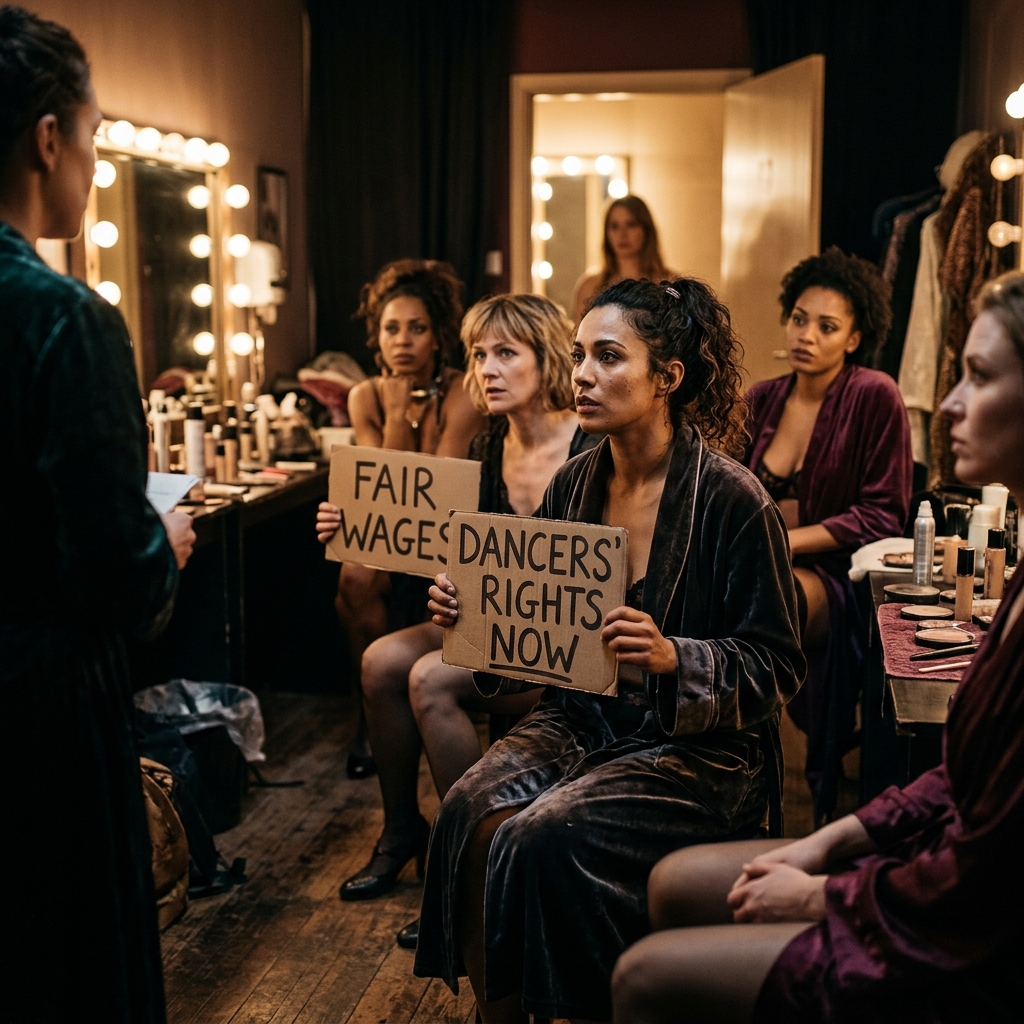
Across the United States, exotic dancers are increasingly turning to the courts to challenge how strip clubs pay and classify them. Rather than being treated as business owners who simply rent space and work for tips, many dancers argue that they are employees entitled to minimum wage, overtime, and protection from illegal deductions and tip theft. These lawsuits are reshaping how the law views work in the adult entertainment industry and offering a roadmap for other workers in similar situations.
Why Pay Practices at Strip Clubs Are Under Legal Fire
For years, many strip clubs have relied on a business model built around labeling dancers as independent contractors. Under this approach, dancers often:
- Receive no hourly wage or salary at all; their income comes almost entirely from customer tips.
- Pay “house fees” or “stage fees” just to be allowed to perform on a given night.
- Face additional charges for services like the DJ, dressing room use, or a “house mom” that oversees the changing area.
- Risk fines for violating club rules, such as failing to share tips with staff or arriving late to shifts.
Dancers and their lawyers argue that this arrangement is unlawful when the club actually controls key aspects of their work—such as schedules, dress codes, and how they interact with customers. In their view, these dancers are employees, and wage-and-hour laws require clubs to pay them at least the minimum wage and to respect their rights to tips and meal breaks.
Employee vs. Independent Contractor: The Legal Turning Point
The central legal question in many of these cases is simple but powerful: Are dancers employees, or truly independent contractors? Under U.S. federal law, the answer depends on the degree of control the club exercises and how independent the dancers really are.
| Factor | Suggests Employee Status | Suggests Contractor Status |
|---|---|---|
| Control over schedule | Club sets show times, arrival, and departure rules. | Dancer freely chooses when to work. |
| Dress code and behavior | Club dictates outfits, appearance, and conduct (e.g., no gum, specific bathroom rules). | Dancer decides costume, routine, and interaction style. |
| Centrality to business | Dancers are the main attraction generating revenue for the club. | Dancers provide a side service, not essential to the business. |
| Opportunity for profit or loss | Income mostly controlled by club policies and fees. | Dancer sets prices, negotiates directly, and bears business risk. |
In a high-profile New York case involving a Manhattan club, a federal judge concluded that the dancers were employees, not contractors. The court noted that the club’s detailed rules—covering outfits, gum chewing, bathroom use, and when performers could work—revealed a high level of control, inconsistent with independent contractor status. Because dancers were central to the club’s success and subject to tight supervision, the judge ruled that they were entitled to minimum wage and other protections.
Class Actions and Multimillion-Dollar Awards
Once dancers began challenging their status as contractors, lawsuits quickly grew beyond individual wage claims. Many turned into class actions, where large groups of performers banded together. In one major New York case, approximately 1,900 dancers at a prominent Manhattan strip club sought back pay and tips covering several years.
Key features of these class actions include:
- Large groups of plaintiffs, sometimes numbering in the hundreds or thousands, who worked at the same club over many years.
- Claims for minimum wage, arguing that dancers should have been paid at least the statutory hourly rate for all hours worked.
- Challenges to tip practices, alleging that clubs unlawfully kept or diverted customer tips meant for dancers.
- Demands for repayment of house fees and unlawful deductions that cut into dancers’ earnings.
In the Manhattan case, the court ultimately awarded more than $10 million in back wages and tips to the dancers, reflecting years of underpayment and improper tip retention. Later settlement discussions and related cases pushed total potential recovery even higher. These rulings signaled that courts were willing to apply wage-and-hour laws to adult entertainment venues, just as they would to restaurants, retail stores, or other service businesses.
Common Wage Violations Alleged by Dancers
Although each lawsuit has unique facts, several recurring allegations appear in complaints filed by exotic dancers against strip clubs:
- Failure to pay minimum wage: Dancers claim they earn no guaranteed wage, despite working regular shifts, and must rely solely on tips and private dance fees.
- Non-payment of overtime: When dancers work more than 40 hours in a week, they say clubs do not pay the legally required overtime rate.
- Illegal deductions and fees: Lawsuits often highlight house fees, DJ fees, dressing room charges, and penalties for rule violations.
- Improper handling of tips: Some clubs are accused of keeping a portion of tips or requiring dancers to share tips with managers, security, or DJs in ways that violate tip credit rules.
- Denied meal and rest breaks: Dancers describe long shifts without legally mandated meal periods or uninterrupted breaks.
In addition, some complaints go beyond wage issues and describe hostile work environments, harassment, or pressure to provide sexual services in back rooms or VIP areas. While those claims raise broader civil rights and criminal concerns, they often appear alongside wage-and-hour counts in comprehensive lawsuits.
How Courts Analyze Strip Club Pay Practices
When judges evaluate these cases, they typically look at both federal law and relevant state labor statutes. Under federal wage-and-hour rules, employers must track hours worked, pay at least the minimum wage, and pay overtime when applicable. State laws may add stricter requirements, such as higher minimum wages or additional protections for tips.
In the New York litigation involving Manhattan dancers, the court carefully examined how the club treated performance fees and tips. The judge concluded that there was no legal basis under state labor law to treat performance fees paid by customers as wages or as credits that could offset the club’s obligation to pay a base wage. In other words, even if dancers earned substantial sums from customers on some nights, the club still had to provide them with a lawful hourly wage for the time they spent working.
Courts in several states—including Kansas, Georgia, Minnesota, and Washington, D.C.—have issued similar decisions, recognizing exotic dancers as employees and extending wage protections to them. These cases collectively form a growing body of precedent that clubs must take into account when designing their pay structures.
Implications for Dancers, Clubs, and Other Workers
The wave of lawsuits has consequences that reach beyond single venues or individual performers. For dancers, the decisions affirm that they can seek legal protection if a club’s business model effectively pushes them below minimum wage or strips them of their tips. For club owners, the rulings encourage careful compliance with wage-and-hour laws and a rethinking of contractor-based arrangements.
These cases also resonate with other industries that rely heavily on gig-like or contractor models, such as ride-sharing, delivery services, and certain online platforms. When businesses tightly control how workers perform their tasks, schedule their time, and present themselves to customers, courts may look skeptically at claims that those workers are independent entrepreneurs. Although exotic dancing raises unique social and cultural questions, the legal principles applied in these cases are broadly relevant to modern labor markets.
Practical Steps Dancers Can Take
Exotic dancers who suspect they are being underpaid or misclassified as contractors can take several practical steps to protect their rights. While this article does not offer individual legal advice, it outlines general strategies that have proven important in past litigation:
- Document work hours: Keeping a personal record of nights worked, approximate hours, and any mandatory meetings or events can help establish wage claims later.
- Track payments and deductions: Recording house fees, fines, tip-sharing requirements, and any other charges imposed by the club is critical evidence.
- Save written policies: Retaining copies of club rules, dress codes, contracts, or messages about schedules and behavior can show the degree of control the club exercises.
- Consult experienced legal counsel: Lawyers who focus on wage-and-hour law or employment disputes can assess whether a dancer’s situation fits established cases and whether a class action is appropriate.
- Consider collective action: Joining with other dancers who had similar experiences strengthens a case and may make it financially practical to challenge a club’s practices.
Frequently Asked Questions About Dancer Wage Rights
Are exotic dancers always considered employees?
No. Legal status depends on the specific facts of each club’s operations. However, multiple court decisions have found that dancers are employees when clubs tightly control schedules, appearance, and conduct, and when performers are central to the club’s business model.
Can a strip club avoid paying minimum wage if dancers earn high tips?
Courts have held that performance fees and tips paid by customers do not automatically count as wages or offset an employer’s duty to pay minimum wage. Even highly tipped dancers may still be entitled to a lawful base wage.
What are “house fees” and are they legal?
House fees are charges dancers pay to the club to be allowed to work on a given night. Lawsuits argue that such fees, especially when combined with lack of wages, can violate wage-and-hour rules by effectively requiring employees to pay to work. Whether a specific fee is legal depends on local law and the overall pay structure.
Can dancers bring a class action against a club?
Yes. Many of the most significant cases have been brought as class actions on behalf of large groups of dancers who worked at the same club during a defined period. Courts will examine whether the dancers’ situations are similar enough to justify collective treatment.
Do these legal developments affect other gig or freelance workers?
They can. The reasoning used to classify exotic dancers as employees—especially the focus on control and economic dependence—is similar to analysis applied in disputes involving gig-economy drivers, delivery workers, and other contractors. While each industry has distinct features, these cases contribute to broader debates about worker classification.
Looking Ahead: Changing Norms in Adult Entertainment Employment
As more cases reach courts and some clubs face multimillion-dollar judgments or settlements, the adult entertainment industry is under pressure to reconsider traditional pay models. Some venues may choose to formally hire dancers as employees, provide clear hourly wages, and comply with overtime rules. Others may try to revise their policies to better fit true independent contractor arrangements. Either way, the legal landscape now makes clear that simply calling dancers “contractors” does not shield clubs from wage-and-hour obligations.
For dancers, these developments underscore the importance of understanding their rights and the value of collective action when pay practices seem unfair. For policymakers and advocates, the cases offer a window into how labor law interacts with industries that often operate at the margins of public attention. The growing body of litigation shows that wage protections can reach workers in all sectors—even those where tipping, unconventional business models, and social stigma once obscured basic employment rights.
References
- NYC Strippers Aren’t Contractors, Judge Rules — FindLaw. 2014-09-24. https://www.findlaw.com/legalblogs/small-business/nyc-strippers-arent-contractors-judge-rules/
- NY Strippers Awarded $10.8 Million in Back Wages — The National Trial Lawyers. 2014-11-18. https://thenationaltriallawyers.org/article/strippers-back-wages/
- NY strippers win $10M in back wages — Long Island Business News. 2014-11-17. https://libn.com/2014/11/17/ny-strippers-win-10m-in-back-wages/
- Strip club dancers winning wage disputes — Katz Melinger PLLC. 2017-01-17. https://katzmelinger.com/blog/2017/01/strip-club-dancers-winning-wage-disputes/
- Suing stripper says NYC club stiffed her meal breaks, wages — New York Post. 2024-10-05. https://nypost.com/2024/10/05/us-news/suing-stripper-says-nyc-club-stiffed-her-meal-breaks-wages/
- NY strip club prostituted dancers in soundproof sex rooms, lawsuit says — Syracuse.com. 2025-12-09. https://www.syracuse.com/state/2025/12/ny-strip-club-prostituted-dancers-in-soundproof-sex-rooms-lawsuit-says.html
- Strippers at N.Y. club get $15 mln settlement for unpaid wages — Reuters. 2015-04-02. https://www.reuters.com/article/world/uk/strippers-at-ny-club-get-15-mln-settlement-for-unpaid-wages-idUSKBN0MS5GQ/
Similar Articles








Read full bio of medha deb




