
Estate Planning and Undue Influence: A Practical Guide
Learn how undue influence can derail an estate plan, how courts analyze it, and what practical steps protect your wishes and vulnerable loved ones.
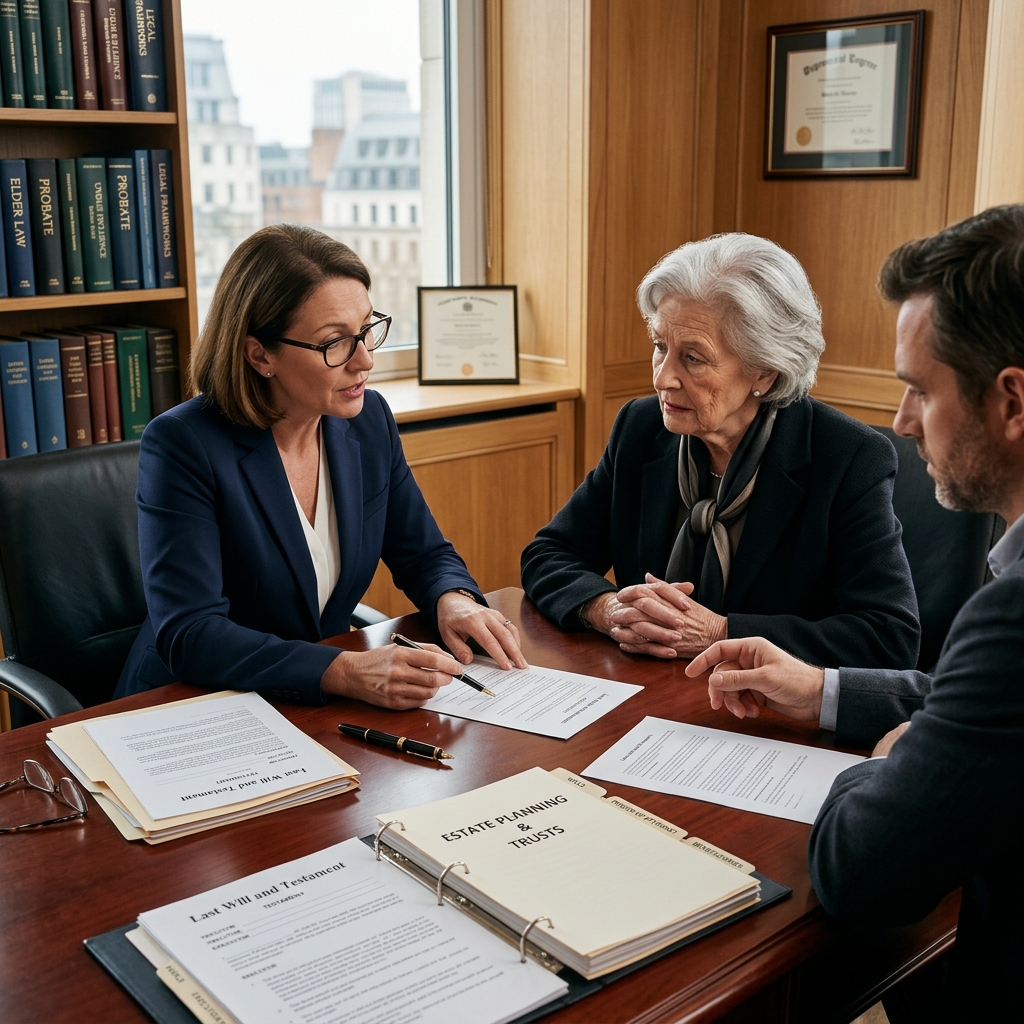
Estate planning is meant to give you control over what happens to your property and your legacy. Undue influence threatens that control by allowing another person’s will to override your own. Understanding how undue influence works, how courts evaluate it, and how to prevent it is essential for anyone preparing a will, trust, or other estate planning documents.
What Is Undue Influence in Estate Planning?
Undue influence in the estate planning context refers to pressure, coercion, deception, or manipulation that overcomes a person’s free will and causes them to make a will or trust they would not have made otherwise. It is more than ordinary persuasion or advice; the key feature is that the influencer’s desires replace the testator’s true intent.
Courts often describe undue influence as conduct that destroys the testator’s free agency and effectively substitutes another person’s wishes for those of the person signing the will. If a judge finds that a will, trust, or gift was the product of undue influence, the document or transfer can be invalidated.
Undue Influence vs. Normal Influence
It is perfectly lawful for family members or advisors to discuss estate plans and attempt to persuade someone about what is wise or fair. The line is crossed when:
- The stronger party exploits a vulnerable person’s physical or mental condition to obtain a benefit.
- Threats, isolation, deception, or manipulation are used rather than honest discussion.
- The resulting estate plan is clearly out of character or inexplicably favors the influencer over expected heirs.
Simply encouraging a parent to leave more money to grandchildren, for example, is not undue influence. Using intimidation or cutting off contact with others until a new will is signed may be.
Why Undue Influence Matters in Estate Planning
Undue influence is important for two reasons: it can invalidate core estate documents, and it frequently arises when older adults or dependent individuals are involved.
Legal Consequences of Undue Influence
If a court determines that a will was procured by undue influence, that will is legally invalid and may be “thrown out” in probate. The consequences can include:
- Revival of an earlier will: If the testator prepared a prior will that was not tainted by undue influence, the court can revive that earlier document.
- Intestacy: If no valid earlier will exists, the estate may be distributed according to state intestacy laws, which specify default heirs and shares.
- Striking tainted provisions: In some jurisdictions and rare cases, only the provisions affected by undue influence are removed, while the remainder of the will stands.
Similar principles apply to trusts and other estate planning instruments. Where undue influence is proven, the court’s goal is to restore the donor’s true intent, using valid documents or default statutory rules as guidance.
Who Is Most at Risk?
Undue influence claims often arise when the person making the will or trust (the testator or settlor) is elderly or has diminished mental or physical capacity. The risk is especially high when:
- The person relies heavily on a caregiver or family member for daily needs.
- There is cognitive decline or serious illness affecting judgment.
- The influencer controls access to information, communication, or finances.
Because people are living longer and often need extended care, the circumstances in which undue influence can occur have become more common, making proactive safeguards increasingly important.
Core Legal Elements of Undue Influence
Each state defines and tests undue influence in its own way, but several widely recognized elements and indicators frequently appear in case law and statutes.
Common Elements Courts Look For
| Element | What It Means | Typical Evidence |
|---|---|---|
| Vulnerability of the donor | The testator has diminished mental or physical capacity or dependency that makes them susceptible to manipulation. | Medical records, cognitive assessments, testimony from physicians or caregivers. |
| Influencer’s authority or control | The alleged influencer holds a fiduciary, confidential, or caregiving role and has significant access or power. | Power of attorney documents, caregiver contracts, evidence of control over finances or communications. |
| Influencer’s conduct | Actions such as isolation, deception, creating dependency, or threats that affect decision-making. | Witness statements, emails, messages, records showing restricted contact with others. |
| Unnatural result or inequity | The estate plan deviates markedly from prior plans or expected distributions, favoring the influencer. | Comparison of old and new wills, pattern of gifts, expert testimony on typical family arrangements. |
Presumption of Undue Influence
In some jurisdictions, certain combinations of facts create a rebuttable presumption of undue influence. This means the court will assume undue influence occurred unless the party defending the will produces convincing evidence to the contrary.
A presumption often arises when:
- A confidential or fiduciary relationship exists between the testator and the alleged influencer (such as agent under power of attorney, trustee, or caregiver).
- The influencer played an active role in preparing or executing the will, such as selecting the lawyer or being present for instructions.
- The influencer receives an unusually large benefit that differs from what would normally be expected in the family or context.
Once the presumption is triggered, the burden shifts to the proponent of the will to demonstrate that the testator’s free will was not overcome and that the document genuinely reflects their wishes.
Patterns and Tactics Associated with Undue Influence
Undue influence rarely occurs in a single moment. It is often the product of a sustained pattern of behavior designed to gain control over the testator’s choices.
Typical Tactics Used by Undue Influencers
- Creating isolation: Limiting the testator’s contact with family, friends, or professionals, and controlling who can visit or speak with them.
- Fostering a siege mentality: Convincing the testator that others are hostile, greedy, or untrustworthy so that the influencer appears as the only ally.
- Inducing dependency: Taking over transportation, finances, or medical decisions so the testator feels unable to function without the influencer.
- Manipulating fears and vulnerabilities: Exploiting concerns about health, housing, or family conflict to steer decisions about the estate.
- Keeping intentions hidden: Concealing the true goal of obtaining a larger inheritance while gradually pushing for changes to documents.
These behaviors may appear benign or even helpful on the surface, which is why circumstantial evidence and careful fact-finding are often necessary to identify undue influence.
How Undue Influence Claims Are Proven
Someone who believes a will or trust was the product of undue influence can bring a challenge in probate court. The person contesting the document has the burden to prove undue influence with clear, persuasive evidence.
Who Can Challenge a Will or Trust?
Generally, challenges are brought by individuals who:
- Are beneficiaries under the contested document but received less than expected.
- Were beneficiaries under a prior will that was replaced by the contested document.
- Would inherit under intestacy laws if the current will or trust were invalid.
Each state has specific rules on standing and deadlines for filing a contest, so early consultation with an attorney is critical.
Types of Evidence Used in Undue Influence Cases
Because undue influence operates on a person’s mind and relationships, direct proof is rare. Courts typically rely on circumstantial evidence from multiple sources.
- Witness statements: Testimony from friends, neighbors, caregivers, and professionals about changes in behavior, isolation, or pressure.
- Digital communications: Emails, text messages, social media posts, and recorded calls showing manipulation, threats, or unusual involvement in estate decisions.
- Prior estate documents: Older wills or trusts that show a long-standing pattern of distributions, contrasted with sudden changes that favor the influencer.
- Medical and care records: Documentation of cognitive impairment, dependency, or mental health concerns affecting susceptibility to influence.
- Lawyer and professional records: Notes from estate planning attorneys or financial advisors about who gave instructions and who attended meetings.
Preventing Undue Influence in Your Own Estate Plan
Proactive planning can significantly reduce the risk that your estate plan will be challenged on undue influence grounds, and it can protect vulnerable loved ones.
Plan While You Are Clearly Competent
Creating or revising your estate plan while you are in good mental and physical health is a critical safeguard. Consider:
- Scheduling a medical evaluation near the time you sign important documents to document that you are of sound mind.
- Keeping up-to-date records showing your ability to understand your assets and decisions.
Clear evidence of capacity makes it harder for challengers to claim that you were easily manipulated or did not understand your actions.
Work Independently with Professionals
To avoid any appearance of undue influence, estate planning should be conducted in a professional environment where beneficiaries are not directing or controlling decisions.
- Meet privately with your estate planning attorney; avoid having major beneficiaries attend meetings or give instructions on your behalf.
- Ensure that beneficiaries are not present when you sign your documents and do not act as witnesses.
- Use neutral witnesses and, where permitted, video recording of the signing to document that you were acting freely.
Consider Trusts and Other Structures
Certain estate planning tools can reduce opportunities for undue influence or make challenges more difficult.
- Revocable living trusts: Trusts can avoid probate, and trust contests may be more complex and costly than will contests, which can deter litigation.
- No-contest (in terrorem) clauses: These clauses provide that a beneficiary who unsuccessfully challenges your will or trust will forfeit their inheritance, which discourages weak or speculative claims.
Because these tools have legal consequences and limitations that vary by state, they should be implemented with advice from an experienced estate planning attorney.
Communicate Your Intentions
Surprises often lead to disputes. If you plan to deviate from expectations—such as leaving unequal shares to children or giving large gifts to nonfamily members—consider explaining your decisions.
- Talk directly with family members while you are able, focusing on your reasoning and values.
- Include a written explanation or letter of intent that accompanies your will or trust.
While explanations do not eliminate the possibility of a challenge, they can provide powerful context if a court later has to determine whether your plan reflects your true wishes.
FAQs About Undue Influence and Estate Planning
Is every unequal inheritance a sign of undue influence?
No. People are free to distribute their property as they wish, including unequal shares among children or large gifts to charities. Unequal inheritance becomes suspicious when combined with vulnerability, manipulation, and a beneficiary’s active role in shaping the documents.
Can a caregiver ever be a legitimate beneficiary?
Yes. Caregivers often provide substantial support and may receive gifts or inheritances. The concern arises when the caregiver pressures the person for changes, isolates them from others, or becomes deeply involved in selecting and instructing the estate planning attorney.
What if the testator verbally said they wanted the influencer to inherit more?
Statements of intent are important but not conclusive. Courts will weigh those statements against evidence of vulnerability, coercive conduct, and the overall pattern of relationships and documents to decide whether the final plan reflects free choice.
Does a diagnosis of dementia automatically prove undue influence?
No. Cognitive impairment increases susceptibility to undue influence but does not, by itself, prove that influence occurred. The key question is whether the testator still understood the nature of their assets, their family, and the consequences of the estate plan at the time of signing, and whether someone exploited any impairment.
How quickly must an undue influence claim be filed?
Deadlines vary by state and type of document. Many jurisdictions require will contests to be filed within a specific period after the will is submitted to probate. Missing these deadlines can forfeit the right to challenge, so prompt legal advice is essential.
References
- Undue influence claims may upend your estate plan — Miller Kaplan. 2021-05-10. https://www.millerkaplan.com/knowledge-center/undue-influence-claims-may-upend-your-estate-plan/
- Understanding Undue Influence – Part I — American Academy of Estate Planning Attorneys. 2022-06-07. https://www.aaepa.com/2022/06/understanding-undue-influence-part-i/
- What is Undue Influence and Why Does It Matter? — Alma Law PLLC. 2023-01-03. https://www.almalawpllc.com/what-is-undue-influence-and-why-does-it-matter/
- Undue Influence Legally Invalidating a Will — Justia Probate Law Center. 2020-09-15. https://www.justia.com/probate/probate-litigation/will-contests/undue-influence/
- How to Challenge a Will Based on Incapacity or Undue Influence — Nelson Mullins. 2022-03-28. https://www.nelsonmullins.com/insights/blogs/the-estate-planning-and-probate-litigation-blog/probate-litigation/how-to-challenge-a-will-based-on-incapacity-or-undue-influence
- Do I Have a Duty to Investigate Undue Influence? And Other Things — Oklahoma Bar Association. 2022-12-01. https://www.okbar.org/barjournal/december-2022/do-i-have-a-duty-to-investigate-undue-influence/
- How to Spot Undue Influence — LifeGen Law Group. 2021-09-20. https://www.lifegenlawgroup.com/how-to-spot-undue-influence/
Similar Articles








Read full bio of Sneha Tete


