
Estate Planning Lessons From Casey Kasem’s Family Turmoil
How one public family feud reveals critical steps for smarter healthcare, guardianship, and end‑of‑life planning.
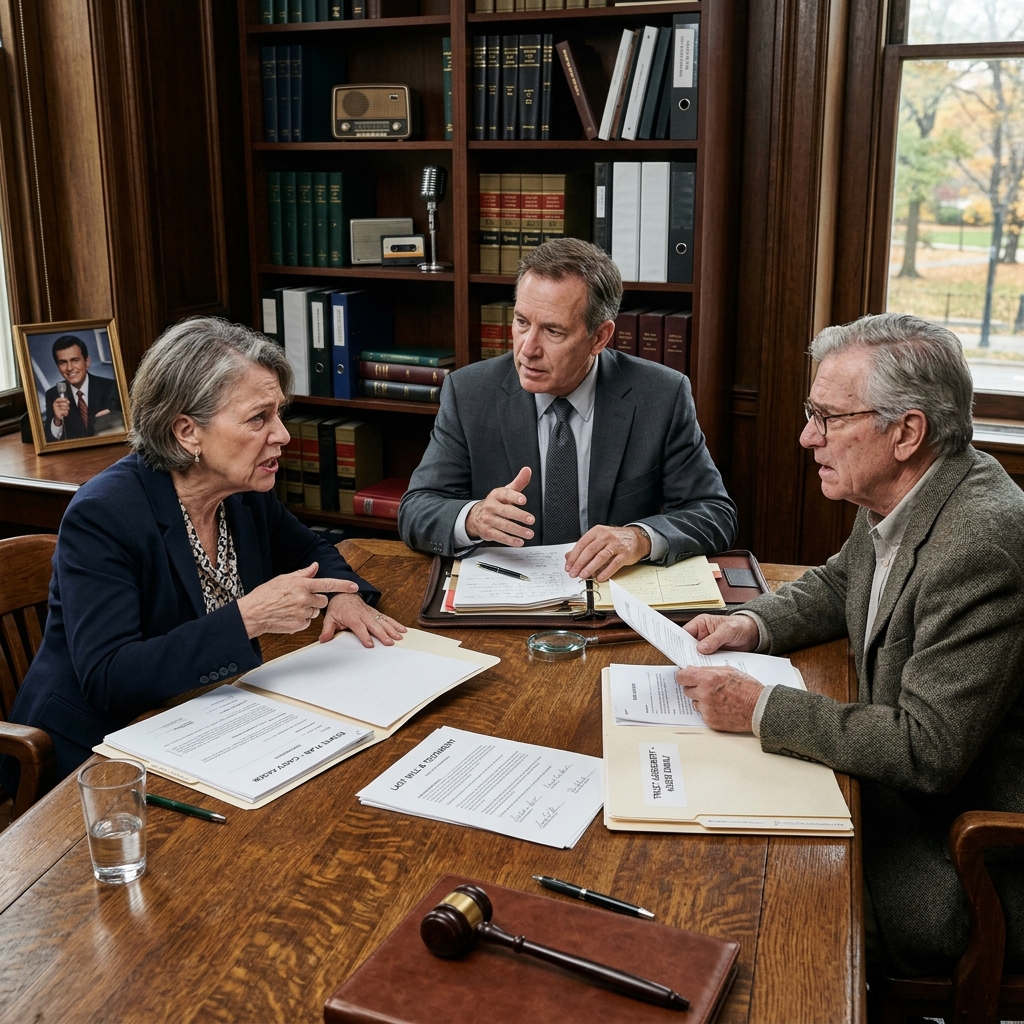
When legendary broadcaster Casey Kasem became the focus of a bitter public dispute during his final years, many observers were shocked by the level of conflict and confusion surrounding his medical care, location, and inheritance. Behind the headlines was a story of incomplete planning, unclear authority, and deep family mistrust. For anyone thinking about estate planning, his ordeal underscores how crucial it is to prepare not only for what happens to your money, but also for who will make decisions about your health, daily life, and legacy.
This article uses Kasem’s widely reported family struggle as a case study to explore key tools like advance healthcare directives, powers of attorney, and conservatorships, along with the often-overlooked need for communication and conflict prevention. The goal is not to revisit every detail of the celebrity story, but to extract practical lessons any family can use.
From Public Feud to Practical Lessons
Kasem’s case became a legal and media flashpoint, involving disputes between his adult children and his second wife over where he should live, who should manage his care, and how aggressively doctors should treat him in his final illness. Lawsuits, allegations of isolation, and questions about financial management followed, illustrating how fast a family situation can escalate when planning documents are incomplete or ignored.
Several key themes emerge from the controversy:
- The need for clear, written instructions about medical care and end-of-life treatment.
- The importance of choosing trustworthy decision-makers and giving them legally recognized authority.
- The role of courts when families cannot agree on caregiving or finances.
- The critical value of early, inclusive conversations that involve all major family stakeholders.
Understanding these themes can help you design an estate plan that protects your wishes and reduces the risk of painful conflicts.
Medical Planning: More Than Just a Will
Many people associate estate planning primarily with writing a will, but Kasem’s ordeal shows that medical and caregiving decisions are just as important as financial ones. Modern estate planning typically includes several healthcare documents that work together to guide doctors and empower trusted family members.
Advance Healthcare Directives: Stating Your Medical Wishes
An advance healthcare directive (also known in many states as a living will or advance directive) is a document where you express your preferences about medical treatment if you cannot communicate for yourself. It often addresses questions such as:
- Whether you want life-sustaining treatments like ventilators or feeding tubes in end-stage illness.
- Under what circumstances you prefer comfort-focused care rather than aggressive interventions.
- Organ donation and pain management preferences.
In the United States, federal law encourages hospitals to ask patients whether they have advance directives, and many states provide standardized forms to help residents document their choices. Having a directive is only half the battle, however; making sure your family understands your wishes and knows where the document is located is equally critical.
Healthcare Proxy or Medical Power of Attorney
Alongside the directive, most planners recommend appointing a healthcare proxy (sometimes called a medical power of attorney) to make real-time decisions when circumstances are not clearly covered by your written instructions. This person, often a spouse or adult child, should:
- Understand your values and preferences.
- Be able to handle medical information calmly.
- Communicate effectively with doctors and the rest of the family.
Kasem’s situation shows the risk of relying on informal understandings. When different relatives believe they know what a loved one “would have wanted,” but nothing is documented or one person has questionable motives, conflict can quickly arise. A formal proxy designation helps doctors and hospitals know whom to listen to, and it clarifies decision-making authority for the entire family.
Be Specific About End-of-Life Treatment
Kasem’s case reportedly included disputes about whether to continue or withdraw life support, issues that can be emotionally charged even in families that usually get along. Vague instructions like “do everything” or “don’t let me suffer” leave wide room for interpretation.
Better practice is to discuss and document specific scenarios, such as:
- Irreversible coma or persistent vegetative state.
- Advanced dementia with complete loss of decision-making capacity.
- Terminal illness with a short expected lifespan despite treatment.
Many state forms and medical organizations provide example questions to help you think through these issues. The more concrete your directive, the easier it is for your surrogate decision-maker to follow your wishes without guilt or second-guessing.
Financial Authority: Powers of Attorney and Beyond
Healthcare decisions are only one side of the coin; the other is financial management. When illness or cognitive decline limits your ability to handle money, someone must step in to pay bills, manage investments, and possibly make major financial moves on your behalf. Kasem’s story involved large assets and questions about who controlled them, which is a common flashpoint in blended families.
Durable Financial Power of Attorney
A durable power of attorney for finances authorizes a chosen person to act on your behalf in financial matters, continuing even if you become incapacitated. This may include:
- Paying routine expenses like housing, insurance, and medical bills.
- Managing bank accounts and investments.
- Handling tax filings and benefits claims.
- Making limited gifts or transfers as permitted by the document.
Designing this document requires striking a balance between sufficient flexibility and appropriate safeguards. Some people name co-agents (for example, two children) so that decisions require agreement, which can prevent abuse but also create delays or stalemates if the agents do not get along.
Revocable Trusts and Beneficiary Planning
Kasem reportedly had significant wealth, making tools like revocable living trusts and careful beneficiary designations important to avoid probate and minimize conflict. Revocable trusts allow you to:
- Maintain control of assets while you are well.
- Transfer management to a successor trustee if you become incapacitated.
- Direct exactly how and when assets will be distributed after your death.
Additional instruments, such as life insurance or specialized trusts, can help balance support for a surviving spouse with inheritances for children from a prior relationship. Without thoughtful planning, one group may feel neglected or suspect exploitation, fueling the kind of resentment that surfaced in Kasem’s family dispute.
| Tool | Primary Purpose | When It Applies |
|---|---|---|
| Advance Healthcare Directive | States medical and end-of-life treatment wishes. | When you cannot communicate your preferences. |
| Healthcare Proxy / Medical POA | Empowers someone to make medical decisions. | During periods of incapacity or serious illness. |
| Durable Financial Power of Attorney | Authorizes financial and legal decision-making. | When you are unable or unwilling to manage finances. |
| Revocable Living Trust | Centralizes asset management and post-death distribution. | During life (including incapacity) and after death. |
| Conservatorship/Guardianship | Court-supervised control of person or estate. | When no adequate documents exist or disputes arise. |
Conservatorship: When Courts Must Step In
In particularly contentious cases, relatives may seek a conservatorship (or guardianship, depending on the state) to place the adult’s person or estate under court supervision. Kasem’s ordeal involved petitions and legal proceedings that tried to determine who had authority over his care and finances, a scenario that is both costly and emotionally draining.
What a Conservatorship Does
A conservatorship is a legal arrangement in which a judge appoints a responsible person or entity to manage the affairs of someone who cannot manage for themselves. There are generally two types:
- Conservatorship of the person: focuses on where the individual lives, what medical care they receive, and their daily personal needs.
- Conservatorship of the estate: covers financial decisions, asset management, and protection against exploitation.
Courts typically require medical evidence of incapacity and may seek input from multiple family members before appointing a conservator, especially when relatives disagree. While this process can protect a vulnerable adult, it also exposes private family matters to public scrutiny and can stretch on for months or longer.
Pros and Cons of Court Intervention
- Benefits
- Judicial oversight reduces risk of financial abuse or neglect.
- Clear legal authority can help institutions know whom to follow.
- Provides a mechanism when no prior planning exists.
- Drawbacks
- Procedures are often slow and expensive.
- Family members may feel adversarial, deepening long-term rifts.
- Court orders can override informal preferences of the adult if not well documented.
Kasem’s public legal battles illustrate that relying on conservatorship as a first resort is rarely ideal. Thoughtful advance directives, powers of attorney, and trust structures can often avoid the need for court intervention or at least narrow the scope of disputes.
Communication: The Missing Piece in Many Estate Plans
Technical documents alone do not resolve deep family tensions. Several commentators on Kasem’s case have emphasized that more open conversation might have prevented the conflict from becoming so public and bitter. Estate planning should therefore include structured communication, not only signed forms.
The Value of Family Meetings
Some estate planning professionals encourage clients to hold family meetings to explain their plans, especially in blended families or where substantial wealth is involved. These sessions can:
- Clarify who is named in each role (healthcare proxy, financial agent, trustee).
- Explain the reasoning behind certain choices, such as unequal distributions.
- Provide an opportunity for questions and emotional reactions while the planner is still alive and in control.
An attorney or financial advisor can help facilitate these conversations, keeping them focused and preventing the discussion from turning into a negotiation over inheritances.
Starting the Caregiving Conversation Early
Elder law specialists sometimes refer to guidelines like the “40/70 rule,” which suggests starting serious caregiving conversations when children reach forty or parents reach seventy, whichever comes first. The aim is to address long-term care options, living arrangements, and end-of-life wishes well before a crisis.
A structured approach, sometimes summarized by the acronym C.A.R.E., can help:
- Create the conversation, using real-world examples (like Kasem’s case) to break the ice.
- Acknowledge the parent’s wishes, treating decisions as collaborative rather than purely directive.
- Review relevant documents to ensure they reflect current preferences and legal standards.
- Engage all key family members so no one feels excluded or blindsided later.
Kasem’s legacy demonstrates how failing to involve everyone can spur accusations of isolation or undue influence, even if the appointed caregiver believes they are acting in the best interest of the patient.
Practical Steps to Avoid a “Casey Kasem” Scenario
While every family is unique, the following practical steps can significantly lower the risk of a painful conflict over medical care and inheritance:
- Document medical wishes clearly: Complete an advance directive and review it regularly, updating as your health or views change.
- Choose decision-makers thoughtfully: Select healthcare and financial agents based on trust, competence, and emotional stability, not just birth order or convenience.
- Coordinate documents: Ensure your will, trusts, powers of attorney, and beneficiary forms do not contradict each other.
- Plan for blended families: Use instruments like revocable trusts, life insurance, or specialized spousal trusts to balance the needs of a current spouse and children from prior relationships.
- Communicate early and often: Hold family discussions, especially when major changes are made to your plan or your health status shifts.
- Revisit conservatorship only as a backup: View court intervention as a safety net, not as your primary planning tool.
Working with an experienced estate planning attorney can help tailor these steps to your jurisdiction and personal circumstances. Laws governing healthcare directives, powers of attorney, and conservatorships vary across states, so local guidance is essential.
Frequently Asked Questions
Does every adult need an advance healthcare directive?
Most legal and healthcare experts strongly recommend that all adults have some form of advance directive, regardless of age or wealth. Emergencies can occur unexpectedly, and having clear written guidance helps doctors and families act in line with your preferences.
Can I name different people for healthcare and finances?
Yes. Many people choose one person as healthcare proxy and another as financial agent. This allows you to match roles to strengths—one relative might be comfortable with medical discussions, while another excels at managing money.
How often should I review my estate planning documents?
Professionals often suggest reviewing your plan every few years or after major life events such as marriage, divorce, the birth of a child, a significant change in assets, or a serious diagnosis. Laws can also change, making periodic updates important.
Can good communication really prevent legal disputes?
While there are no guarantees, research and professional experience show that involving family members in discussions and explaining your decisions reduces surprise and suspicion. Kasem’s case illustrates how lack of transparency can amplify mistrust.
Is conservatorship always a sign of planning failure?
Not necessarily. In some situations, a court-supervised arrangement is the best available option to protect a vulnerable adult. However, comprehensive pre-planning often limits the need for conservatorship or narrows its scope, making it less disruptive.
References
- Casey Kasem’s Ordeal Offers 5 Estate-Planning Lessons — FindLaw. 2014-06-20. https://archive.findlaw.com/blog/casey-kasems-ordeal-offers-5-estate-planning-lessons/
- Estate Planning Lessons from Casey Kasem — Warhola & O’Hara, PLLC. 2014-03-01. https://www.lawphx.com/blog/2014/march/estate-planning-lessons-from-casey-kasem/
- Casey Kasem’s Estate Planning: Not in Anyone’s Top 40 — Personal Family Lawyer. 2014-06-24. https://personalfamilylawyer.com/articles/casey-kasems-estate-planning-not-in-anyones-top-40
- Lessons Learned from Casey Kasem’s Legacy — Ettinger Law Firm. 2014-07-07. https://www.trustlaw.com/resources/blog/lessons-learned-from-casey-kas/
- 113: How to Avoid a Chaotic “Casey Kasem” Estate Plan? — Absolute Trust Counsel. 2021-06-16. https://absolutetrustcounsel.com/113-how-to-avoid-a-chaotic-casey-kasem-estate-plan/
Similar Articles








Read full bio of medha deb


