
Summer Camp Safety: Comprehensive Parent And Staff Guide 2025
Protect kids at summer camp with proven strategies for supervision, health, water safety, and injury prevention.
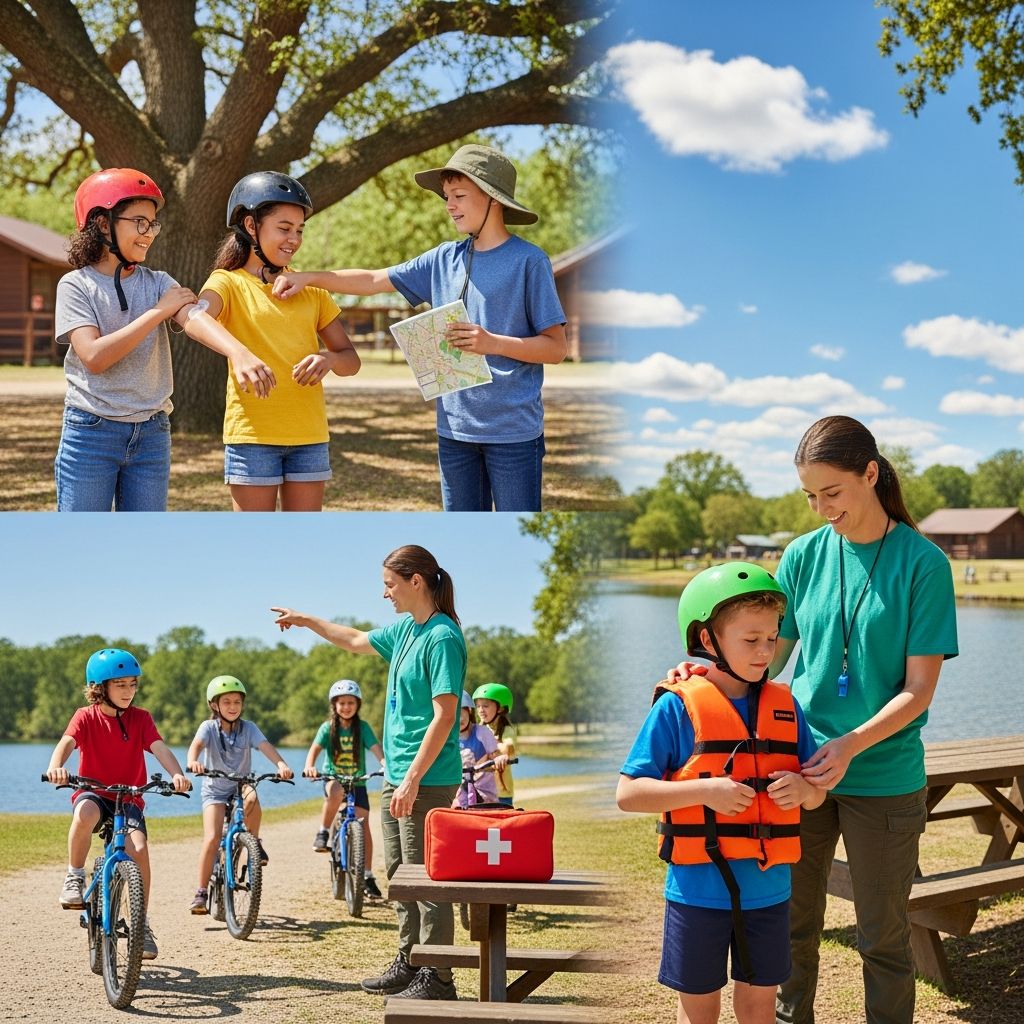
Summer camps offer children unforgettable experiences filled with adventure, friendship, and growth. However, ensuring their safety requires diligent planning and adherence to best practices. This guide outlines critical strategies for camp operators, staff, and parents to minimize risks and create secure environments.
Implementing Robust Supervision Protocols
Effective supervision forms the cornerstone of camp safety. The “rule of 3” mandates that at least three individuals—two staff members and one camper, or vice versa—are present during all interactions to prevent isolation and abuse. This approach eliminates private one-on-one contact, a key factor in child protection.
- Supervise high-traffic areas like bathrooms and locker rooms in pairs, tracking all entrants and exits.
- Conduct regular headcounts and buddy systems during transitions.
- Train staff to recognize behavioral changes and report concerns immediately.
For nighttime checks, staff should patrol cabins in teams, ensuring visibility and accountability. Research emphasizes that consistent oversight reduces incidents significantly.
Combating Heat and Sun Exposure Risks
Hot summer days pose dehydration and heatstroke threats. Camps must prioritize hydration stations offering 8-16 ounces of water hourly per child. Schedule shaded breaks for reapplying broad-spectrum SPF 30+ sunscreen and monitoring for symptoms like dizziness or flushed skin.
| Heat Illness Signs | Actions |
|---|---|
| No sweating, hot skin | Move to shade, cool with water, seek medical help |
| Headache, nausea | Hydrate slowly, rest, monitor closely |
| Confusion, rapid pulse | Call emergency services immediately |
Encourage wide-brimmed hats and light clothing. Parents should pack medications and discuss allergies upon arrival.
Securing Aquatic Activities
Water-based fun demands rigorous protocols. All campers undergo swim tests with colored armbands indicating proficiency levels—non-swimmers restricted to shallow water. Lifeguards, CPR-certified and rescue-ready, maintain 360-degree vigilance, assisted by program staff.
- Enforce buddy checks and safety breaks every 15-30 minutes.
- Require life jackets for boating, rafting, or weak swimmers.
- For inflatables like blobs, use two lifeguards, clear zones, and seated jumps only.
Secure pools when unsupervised and post weather-aware rules. Pre-camp swim lessons enhance confidence and skill.
Maintaining Safe Facilities and Grounds
Regular inspections prevent slips, trips, and structural failures. Check for loose cords, dim lighting, obstructed exits, and slippery stairs daily.
- Ensure handrails, non-slip surfaces, and adequate illumination on paths.
- Police playgrounds for hazards, favoring impact-absorbing surfaces.
- Inspect equipment before use; prohibit wet swings or overcrowding.
- Clear spills promptly and mandate closed-toe shoes for activities.
For campfires, establish safe zones, ban accelerants, and keep water handy. Restrict ATVs/golf carts to adults without passengers.
Preventing Abuse and Behavioral Risks
Beyond physical dangers, emotional safety matters. Limit staff-camper contact outside programs, including online. Teach children to voice discomfort and trust instincts.
- Verify counselor training in first aid, CPR, and abuse prevention.
- Implement photo-verified check-in/out to authorize pickups.
- Ask about incident reporting protocols for transparency.
Parents: Discuss excitement and nerves pre-camp, reinforcing boundaries like “say no to uncomfortable situations.”
Essential Parent Preparation Checklist
Empower parents with actionable steps:
- Health Prep: Pack labeled medications, insect repellent, and allergy info.
- Gear Essentials: Sunscreen, hats, reusable water bottles, proper footwear.
- Questions for Camp: Supervision ratios? Emergency plans? Pool security?
- Teach Skills: Plant/animal avoidance (poison ivy, ticks), hand hygiene, fire rules.
Opt for ACA-accredited camps adhering to standards like constant younger camper visibility.
Activity-Specific Safeguards
Tailor rules to pursuits:
- Playgrounds: Age-appropriate zones, swing safety instructions.
- Blobs/Inflatables: Supervised access, no underwater swimming.
- Horseback/ATVs: Certified instructors, no minors driving.
- Wilderness: Tick checks, wildlife awareness.
Trampolines? Avoid entirely due to injury risks.
Frequently Asked Questions (FAQs)
What is the “rule of 3” in camp supervision?
The rule requires three people present—no solo adult-child interactions—to safeguard against abuse.
How often should campers reapply sunscreen?
Every 2 hours, or after swimming/sweating; use SPF 30+ with UVA/UVB protection.
Are life jackets mandatory for all water activities?
Yes for non-proficient swimmers and boating; always for high-risk fun.
What if a child shows heat exhaustion signs?
Rest in shade, hydrate, cool body; escalate to medics if worsening.
How to check camp credentials?
Seek ACA accreditation, verify staff training, review safety policies.
Building a Culture of Safety
Safety thrives through training, communication, and vigilance. Camps should conduct drills for emergencies, fostering staff confidence. Parents play a role by preparing kids emotionally and physically. Together, these measures ensure joyful, incident-free summers.
Statistics underscore urgency: proper protocols slash injury rates. For instance, buddy systems in aquatics prevent drownings effectively. Stay proactive—safety enables adventure.
References
- Summer safety tips for camps — SECURA Insurance. 2023. https://www.secura.net/risk-management/summer-safety-tips-for-camps
- Summer Camp Safety Tips — AGFinancial. 2023. https://www.agfinancial.org/resources/article/summer-camp-safety-tips
- Summer camp safety tips: your 2025 guide — GoHealth Urgent Care. 2025. https://www.gohealthuc.com/library/summer-camp-safety-tips-gohealth-urgent-care
- Ten Safety Practices for Summer Camp — KidCheck. 2023. https://www.kidcheck.com/blog/ten-safety-practices-camp/
- Summer Camp Safety Tips — Dallas Children’s Advocacy Center. 2023. https://dcac.org/blog/summer-camp-safety-tips/
- SUMMER CAMP SAFETY PLAN GUIDELINE — New York State. 2023. https://www.acacamps.org/sites/default/files/resource_library/07-PA-NewYorkStateGuidelinesforplanning_0.pdf
- 5 Tips To Keep Your Kid Safe This Summer — Camp Shalom. 2023. https://campshalomnj.org/about-us/5-summer-safety-tips/
- 15 Essential Safety Questions Every Parent Must Ask — Onondaga Camp. 2023. https://ondessonk.com/15-essential-safety-questions-every-parent-must-ask-before-choosing-a-summer-camp/
- 9 Tips to Help Kids Keep Safe During Summer — Johns Hopkins Medicine. 2023. https://www.hopkinsmedicine.org/health/wellness-and-prevention/9-tips-to-help-kids-keep-safe-during-summer
Similar Articles








Read full bio of medha deb




