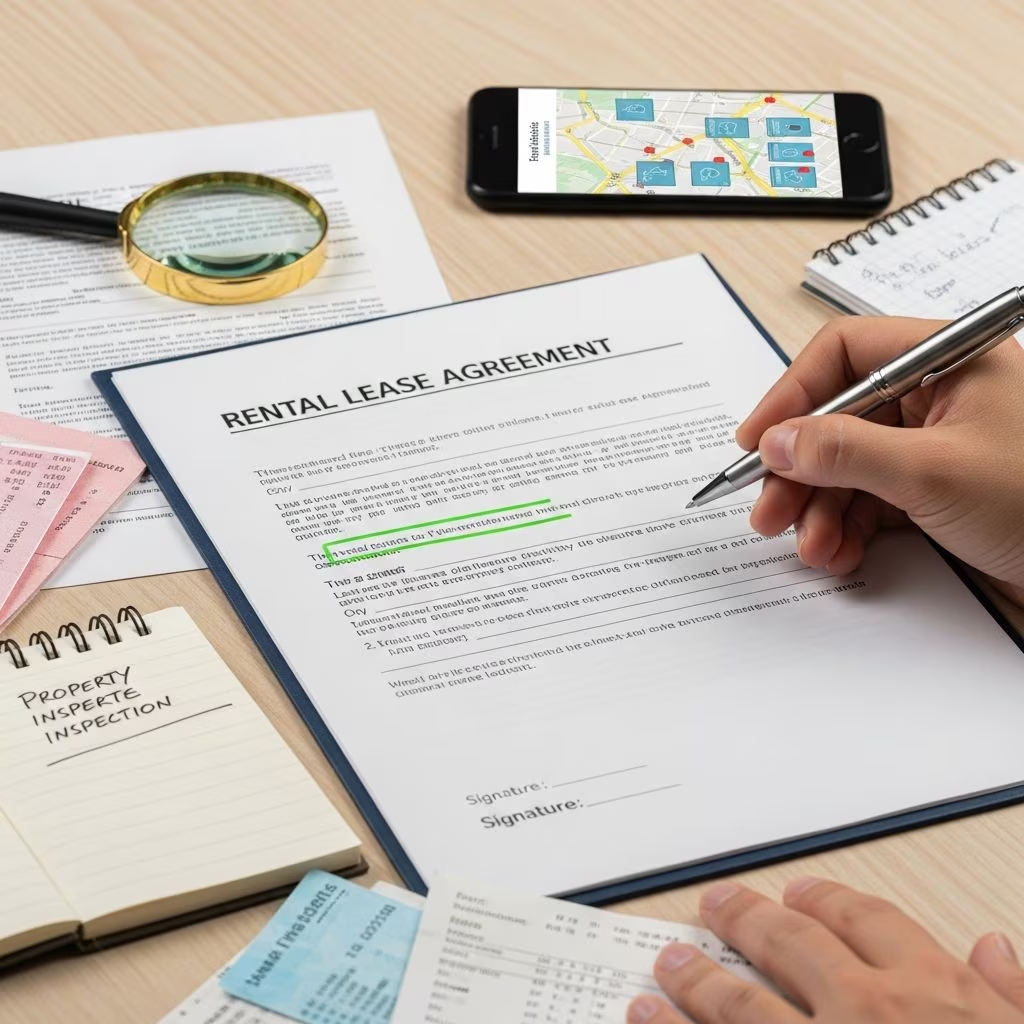
Renting a home or apartment involves more than just picking a place you like—it’s a legal commitment that can last months or years. Taking proactive measures beforehand helps tenants avoid disputes, financial losses, and unexpected obligations. This guide outlines comprehensive strategies to evaluate leases, protect your finances, and ensure compliance with housing laws.
Mastering the Lease Document: A Deep Dive
The lease agreement forms the backbone of your tenancy. It’s a binding contract detailing obligations for both parties. Begin by obtaining a full copy well in advance—never sign under pressure. Scrutinize every section, as verbal assurances hold little weight without written confirmation.
Key areas to examine include:
- Rent specifics: Confirm the exact amount, due date, payment methods, and grace periods. Note any escalation clauses for future increases.
- Duration and renewal: Verify start and end dates, automatic renewal options, and notice requirements for non-renewal.
- Occupancy rules: Check limits on residents, guests, and subletting permissions to avoid violations.
Highlight ambiguities and seek written clarifications. If terms seem one-sided, such as excessive late fees, question their legality under state statutes.
Inspecting the Property: Safeguard Against Hidden Issues
A visual walkthrough is non-negotiable. Schedule it during daylight to spot defects like leaks, cracks, or malfunctioning appliances. Document everything with timestamped photos and videos, creating a shared record with the landlord.
Common oversights include:
- Plumbing and electrical functionality.
- Appliance conditions, especially HVAC systems.
- Structural elements like walls, floors, and windows.
- Pest presence or mold indicators.
Request repairs in writing with deadlines before signing. This prevents deductions from your security deposit later.
Decoding Security Deposits and Fees
Security deposits typically cover damages beyond normal wear. Laws cap amounts—often one or two months’ rent—and mandate interest accrual or timely returns. Review refund conditions, deduction justifications, and timelines (usually 14-30 days post-move-out).
| Fee Type | Typical Amount | Legal Caps (Varies by State) |
|---|---|---|
| Security Deposit | 1-2 months rent | 1 month (e.g., CA for most) |
| Application Fee | $25-$100 | Reasonable costs only |
| Late Fee | 3-5% of rent | Must allow grace period |
| Pet Fee/Deposit | $200-$500 | Non-refundable if specified |
Watch for non-refundable ‘deposits’ disguised as fees, which may violate tenant protections.
Navigating Utilities, Maintenance, and Amenities
Clarify who pays for water, electricity, gas, trash, and internet. Leases often shift responsibilities unexpectedly. Ask about included amenities like parking, laundry, or storage—confirm access rules.
Maintenance clauses define response times for repairs. Ensure the landlord handles habitability issues (e.g., heat, hot water) promptly, per implied warranty laws. Tenant duties might include minor upkeep like changing air filters.
Pet Policies and Guest Restrictions
If you have pets, verify allowances, breed/weight limits, and extra deposits. Some complexes ban certain animals entirely. Guest policies prevent issues—extended stays might require approval to avoid ‘unauthorized occupant’ claims.
Termination, Renewal, and Early Exit Options
Understand end-of-term procedures: notice periods (30-60 days common) and renewal processes. Early termination clauses outline penalties like remaining rent liability or fees. Military clauses offer protections for service members.
Subletting rules are crucial for flexibility—many prohibit it without consent.
Negotiation Tactics for Better Terms
Leases aren’t set in stone. Politely propose changes via email for records:
- Lower rent or waived fees for longer commitments.
- Flexible payment dates.
- Inclusion of promised upgrades.
Landlords may agree to compete with market rates. Always amend in writing and initial changes.
Verifying Legal Compliance and Landlord Credibility
Research local landlord-tenant laws via state housing departments. Illegal clauses (e.g., waiving habitability rights) are unenforceable. Check the landlord’s reputation through reviews, but prioritize official records like eviction histories.
Confirm the property’s habitability certificate if required locally.
Financial Preparedness: Budgeting for Tenancy
Ensure rent doesn’t exceed 30% of income. Prepare documents: ID, pay stubs (3x rent proof common), references. Secure renter’s insurance—often mandatory—to cover liabilities.
Final Preparations: Copies and Signatures
Receive a signed copy immediately post-signing. Store digitally and physically. Review rules/handbooks for additional policies.
Frequently Asked Questions (FAQs)
What if the lease has illegal terms?
Illegal clauses are void; consult tenant resources or legal aid. Do not sign if pervasive issues exist.
Can I break a lease early?
Possible with penalties; check for qualifying events like job loss or domestic issues per state law.
Who pays for damages?
Tenants cover negligence; normal wear is landlord’s responsibility.
Is renter’s insurance required?
Often yes; it protects your belongings and liability, separate from landlord insurance.
How soon must security deposits be returned?
Typically 14-30 days, with itemized deductions.
Empowering Yourself for a Secure Rental Journey
By methodically addressing these elements, tenants minimize risks and foster positive landlord relationships. Knowledge is your strongest defense in the rental market.
References
- Top 5 Mistakes for New Landlords To Avoid — Rocket Lawyer. 2023-05-15. https://www.rocketlawyer.com/real-estate/landlords/legal-guide/top-5-mistakes-for-new-landlords-to-avoid
- What Should I Do Before Signing a Lease? — The Law Group. 2024-02-10. https://www.lawgroupnc.com/blog/what-should-i-do-before-signing-a-lease
- Things to Consider Before Signing a Lease — Tenant Resource Center. 2023-11-20. https://www.tenantresourcecenter.org/before_signing_a_lease
- 7 Red Flags to Avoid Before You Sign a Lease — Zillow. 2024-08-05. https://www.zillow.com/learn/checklist-before-you-sign-a-lease/
- The 6 Most Important Things To Know Before Signing Your First Lease — Smart City Locating. 2023-09-12. https://smartcitylocating.com/blog/signing-first-lease-blog/