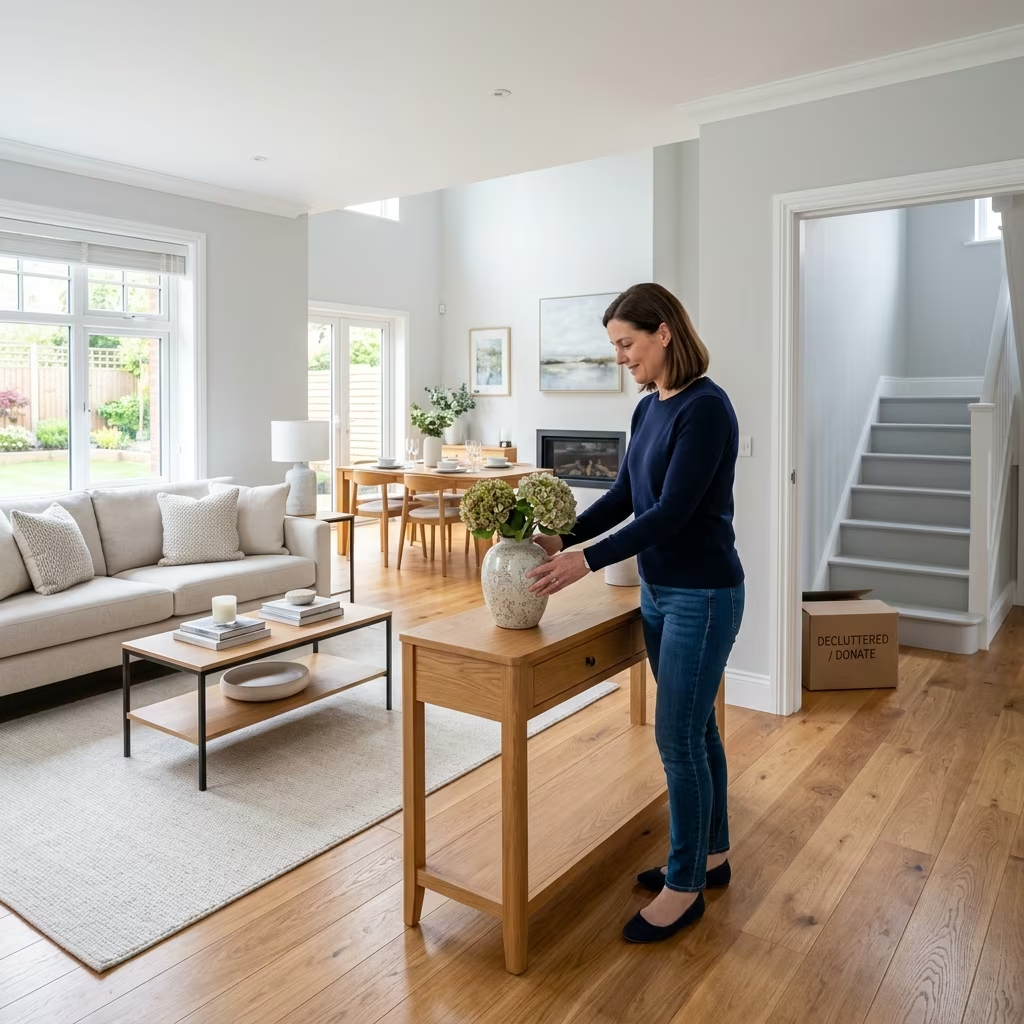
Listing your home is more than putting a sign in the yard and uploading a few photos. Proper preparation can affect how quickly your home sells, how many offers you receive, and ultimately how much money you walk away with. Thoughtful planning also reduces last-minute stress, inspection surprises, and buyer demands.
This guide walks through practical, concrete steps to take before your home hits the market. It covers repairs, cleaning, staging, pricing, and paperwork so you can approach your sale like a well-run project, not a rushed scramble.
1. Understand Your Local Market and Your Goals
Before you pick up a paintbrush or declutter a single closet, start with a clear picture of your market and your own priorities. That context shapes every decision that follows.
1.1 Clarify your selling timeline and priorities
Ask yourself:
- Timing: Do you need to move quickly, or can you wait for the right offer?
- Money vs. convenience: Would you rather maximize sale price or minimize hassle and out-of-pocket costs?
- Flexibility: Are you prepared to accommodate showings at short notice?
Your answers influence how much work to do, which projects to prioritize, and how aggressively to price your home.
1.2 Research neighborhood pricing and trends
Even before meeting agents, get familiar with basic market patterns:
- Look at recent sale prices of similar homes in your neighborhood.
- Note how long those homes stayed on the market.
- Compare list price vs. final sale price to gauge how competitive buyers are.
Professional platforms and local real estate data suggest that pricing close to fair market value typically leads to faster sales and can attract multiple offers in a balanced or strong market. In contrast, an overpriced home often lingers and may ultimately sell for less after price reductions.
2. Choose the Right Real Estate Professional
Most sellers benefit from working with a knowledgeable real estate agent who understands local conditions, marketing, and negotiations. A strong agent can also help prioritize which pre-listing tasks actually matter in your area.
2.1 Interview multiple agents
Instead of hiring the first person you meet, interview at least two or three candidates. Ask about:
- Experience in your neighborhood and with homes similar to yours.
- Marketing plan (professional photos, online exposure, open houses).
- Pricing strategy and how they determine list price.
- Communication style and how often they provide updates.
A good agent will walk through your home and point out key improvements and staging ideas that offer the best return for your specific market.
2.2 Discuss pre-listing inspections and disclosures
Many sellers worry about what a buyer’s inspection might reveal. One way to reduce surprises is a pre-listing home inspection conducted by a licensed inspector before you go on the market. This can:
- Identify safety or structural issues early.
- Give you time to obtain quotes and select contractors.
- Help you decide what to fix versus what to disclose and price around.
Discuss with your agent whether a pre-listing inspection makes financial and strategic sense in your situation.
3. Prioritize Repairs: Safety, Function, and Appearance
Not every flaw needs to be fixed, but some issues can derail a sale or significantly weaken your negotiating position. A simple framework is to think in three levels: safety, function, and cosmetics.
3.1 Address critical safety and structural concerns
Safety and structural problems should be top priority because they are likely to surface during inspections and can lead to financing issues or failed deals. Examples include:
- Roof leaks or missing shingles.
- Foundation cracks or evidence of movement.
- Electrical hazards (exposed wiring, outdated panels, non-functioning GFCI outlets).
- Plumbing leaks, active mold, or water damage.
According to consumer guidance on preparing homes for sale, resolving these issues in advance often costs less than offering buyers a large credit or renegotiating under time pressure later.
3.2 Fix functional, everyday issues
Next, focus on things buyers will interact with during showings:
- Doors and windows that stick or do not latch properly.
- Leaky faucets, running toilets, or slow drains.
- Broken or outdated light fixtures and mismatched bulbs.
- Damaged flooring tiles or loose handrails.
Many of these fixes are relatively inexpensive but send a strong message that the home has been well maintained.
3.3 Be selective with cosmetic upgrades
Cosmetic improvements can help your home photograph and show better, but you do not need to renovate everything. Consider:
- Fresh, neutral paint in key rooms such as living areas and the primary bedroom.
- Modern hardware for cabinets and doors to update the look.
- Simple lighting upgrades to make spaces feel brighter and more inviting.
Consult your agent before tackling big projects like major kitchen or bathroom remodels; many large renovations do not fully pay for themselves when you are about to sell.
4. Deep Clean and Declutter Like a Professional
Cleanliness and clutter control are among the most powerful, low-cost ways to improve your home’s appeal. Buyers often interpret a clean, orderly home as a sign that it has been well cared for.
4.1 Do a top-to-bottom deep cleaning
Plan for a more thorough cleaning than you would do for guests. Focus on:
- Windows (inside and out) and window tracks.
- Baseboards, door frames, and switch plates.
- Kitchen appliances, inside and out.
- Grout and caulk in kitchens and bathrooms.
If time is limited, consider hiring a professional cleaning crew to handle heavy-duty tasks such as carpet cleaning and high windows.
4.2 Remove visual and physical clutter
Clutter makes rooms feel smaller and distracts buyers from your home’s best features. A common rule of thumb is to remove roughly a third to half of your everyday belongings from visible spaces.
Key decluttering zones include:
- Kitchen counters, islands, and refrigerator doors.
- Bathroom surfaces and shower ledges.
- Bookshelves, side tables, and dressers.
- Closets, especially those that look overstuffed.
Items you rarely use can be boxed up and stored neatly in a garage, closet, or off-site storage unit until after your move.
4.3 Depersonalize without making the home feel cold
Buyers need to imagine themselves living in your home. Personal items can make that harder. Consider temporarily removing:
- Family photos and children’s artwork.
- Collections or memorabilia tied to hobbies, sports teams, or politics.
- Highly specific decor that may not appeal to a broad audience.
You do not need to strip every bit of personality; aim for a neutral, inviting look that could fit many lifestyles.
5. Boost Curb Appeal: First Impressions Start Outside
Many buyers form an opinion before they even step through the front door. Improving your home’s exterior can be one of the most cost-effective steps you take.
5.1 Simple exterior upgrades that matter
- Mow the lawn and edge along sidewalks and driveways.
- Trim overgrown shrubs and remove dead plants.
- Add fresh mulch to flower beds for a polished look.
- Power wash the driveway, walkway, and exterior siding if needed.
These updates are relatively inexpensive but can significantly improve the way your property photographs and feels upon arrival.
5.2 Refresh the front entry
Your front door area acts like a “handshake” with buyers. To make it welcoming, you might:
- Paint or clean the front door and replace worn hardware.
- Install a new, simple doormat.
- Add potted plants or flowers for a pop of color.
- Ensure the doorbell and exterior lights work properly.
| Improvement | Approximate Cost Range | Typical Impact |
|---|---|---|
| Lawn care & basic landscaping | Low to moderate | Improves photos and first impressions significantly |
| Power washing exterior surfaces | Low (rent or hire) | Makes older siding, paths, and driveways look newer |
| Front door paint & hardware | Low | Creates a fresh, inviting entry point |
6. Stage Key Rooms to Highlight Space and Flow
Staging is about helping buyers understand how they could use each space and making your home stand out in online photos. You can hire a professional stager or follow basic principles yourself.
6.1 Focus on high-impact rooms
Not every room requires extensive staging. Prioritize:
- Living or family room.
- Kitchen and dining area.
- Primary bedroom.
- Any unique spaces (home office, finished basement).
6.2 Simple staging guidelines
- Arrange furniture to create a clear path through each room.
- Use appropriately sized furniture; oversized pieces make rooms feel smaller.
- Add neutral accents such as throw pillows, blankets, and area rugs to warm up the space.
- Use plants or fresh flowers to add life without creating clutter.
If your home is vacant, your agent may recommend partial staging or virtual staging for photos to help buyers visualize scale and layout.
7. Prepare for Listing Photos and Showings
In many markets, buyers decide whether to visit a home based on online photos alone. High-quality images and a showing-ready home can dramatically increase interest.
7.1 Invest in professional photography
Professional photographers know how to capture flattering angles, lighting, and details. Many brokerages include photography in their marketing package because it strongly influences buyer engagement online.
Before photos are taken:
- Open blinds and curtains to maximize natural light.
- Turn on all lights and ensure bulbs match in color temperature.
- Remove visible cords, trash cans, and countertop appliances where possible.
7.2 Create a quick pre-showing checklist
Once your home is on the market, you may receive short-notice showing requests. A simple checklist can help you get ready quickly:
- Make beds and tidy bathrooms.
- Clear kitchen counters and put dishes in the dishwasher.
- Empty or hide garbage and recycling bins.
- Secure valuables and personal documents out of sight.
- Remove or contain pets and their belongings.
8. Get Your Paperwork and Numbers in Order
Even the best-prepared home sale can stall if critical documents or financial details are missing. Organizing these early keeps the transaction smoother once you accept an offer.
8.1 Gather maintenance and improvement records
Buyers often appreciate documentation showing that a home has been looked after. Consider pulling together:
- Service records for HVAC, roof, and major systems.
- Receipts and permits for significant renovations or repairs.
- Information on warranties that may transfer with the sale.
These documents can build buyer confidence and support your asking price if you have invested in meaningful updates.
8.2 Estimate your net proceeds
Your real estate agent or closing professional can help you prepare a rough estimate of your financial outcome, often called a net sheet.
Typical elements include:
- Expected sale price.
- Outstanding mortgage balance and any other liens.
- Estimated closing costs, taxes, and agent commissions.
- Any agreed credits or allowances for the buyer.
Having realistic expectations about your bottom line makes it easier to evaluate offers and negotiate confidently.
9. Manage Risks: Safety, Security, and Legal Duties
Inviting strangers into your home and entering a legal transaction both bring responsibilities. A few precautions can protect you and your property.
9.1 Protect your belongings and personal information
During showings and open houses, many people may pass through your home. Recommended safety practices include:
- Removing or locking away jewelry, small electronics, and collectibles.
- Storing prescription medications in a secure location.
- Putting away documents that contain sensitive information, such as financial statements or IDs.
9.2 Know your disclosure obligations
Most states require sellers to disclose known material defects or issues with the property, such as past flooding, pest infestations, or major system problems. While specific rules vary by jurisdiction, consumer guidance emphasizes that honest, thorough disclosures:
- Reduce the risk of future disputes or legal claims.
- Help buyers make informed decisions.
- Build trust, which can keep negotiations on track.
Your agent or real estate attorney can provide state-specific forms and guidance so your disclosures are accurate and complete.
10. Create a Customized Pre-Listing Action Plan
Every home, market, and seller is different. Use the steps above to build a short, prioritized plan that fits your situation instead of trying to do everything at once.
10.1 Sample pre-listing checklist
- Clarify selling timeline, financial goals, and move-out plan.
- Interview agents and select one with strong local experience.
- Discuss whether to order a pre-listing inspection and repairs.
- Resolve major safety and structural issues first.
- Handle basic functional repairs (leaks, lights, doors).
- Deep clean the entire home and remove excess clutter.
- Neutralize and depersonalize main living areas.
- Improve curb appeal and refresh the front entry.
- Stage high-impact rooms and schedule professional photos.
- Organize maintenance records and estimate net proceeds.
Frequently Asked Questions
How far in advance should I start preparing my home for sale?
Many homeowners benefit from starting preparations six to eight weeks before listing, especially if repairs or professional services are required. Smaller condos or homes in good condition may need less time, but starting early gives you flexibility and reduces last-minute stress.
Is a pre-listing inspection always necessary?
No, it is not mandatory, but it can be very helpful in markets where buyers expect a high level of transparency or where homes are older and more likely to have hidden issues. A pre-listing inspection allows you to fix serious problems or adjust your pricing and disclosures accordingly.
Which renovations offer the best return right before selling?
Minor improvements typically deliver better returns than major remodels at the listing stage. Examples include neutral interior paint, updated lighting, basic landscaping, and small fixes to kitchens and bathrooms (new hardware, refreshed caulk, thorough cleaning). Large-scale projects are best evaluated with your agent, who can compare costs to likely price impact in your local market.
Do I really need to remove personal photos and decor?
You do not need to strip your home entirely, but removing most personal photographs and highly specific decor helps buyers imagine the home as theirs rather than yours. Keeping a few neutral pieces is fine; the goal is a balanced, welcoming atmosphere.
Should I stage a vacant home?
Staging a completely empty home can be beneficial because unfurnished rooms often look smaller in photos and in person. If full staging is not in your budget, consider partial staging of key rooms or virtual staging for online marketing. Your agent can recommend an approach that suits your price point and target buyer.
References
- Home-Selling Checklist: 12 Things To Do Before Selling Your House — Realtor.com. 2023-04-05. https://www.realtor.com/advice/sell/home-selling-checklist-things-to-do-before-selling/
- 10 Things to Do Before You Sell Your House — RE/MAX News. 2022-03-10. https://news.remax.com/10-things-to-do-before-you-sell-your-house
- How should I prepare my house before selling it? — FastExpert. 2023-08-15. https://www.fastexpert.com/advice/how-should-i-prepare-my-house-before-selling-it-65/
- What to Fix Before Selling a House (And What Not To) — Opendoor. 2023-06-20. https://www.opendoor.com/articles/things-to-repair-before-selling-a-house
- 12 Things to Do Before Selling Your House — Redfin. 2022-11-18. https://www.redfin.com/blog/things-to-do-before-selling-your-house/