
Essential Legal Guide to Gym Workout Injuries
Protect your rights after a gym injury: Learn immediate actions, liability rules, and compensation paths for fitness accidents.
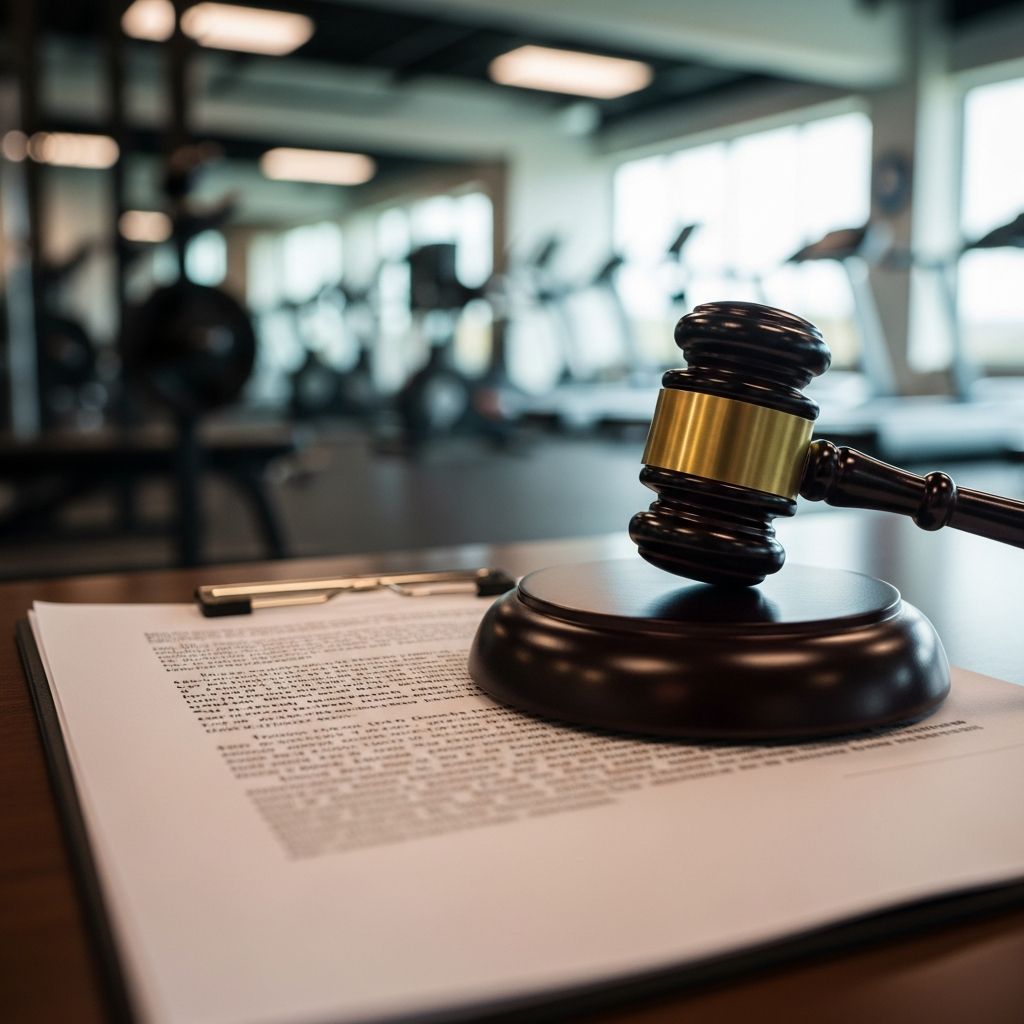
Gym injuries can turn a routine workout into a painful ordeal, but understanding your legal options empowers you to seek justice and compensation. This guide outlines critical steps, liability factors, and strategies to protect yourself after a fitness center mishap.
Immediate Response: First Actions After a Gym Injury
When pain strikes during exercise, your initial decisions shape both your health recovery and potential legal case. Prioritizing safety prevents further harm and builds a strong foundation for claims.
- Cease Activity at Once: Halt your workout immediately upon feeling sharp discomfort, dizziness, or unusual strain to avoid aggravating the damage.
- Obtain Professional Medical Care: Visit a doctor or emergency room promptly; medical documentation proves the injury’s extent and links it to the incident.
- Notify Gym Personnel: Inform staff right away to generate an official incident report, which serves as key evidence later.
- Capture Visual Proof: Photograph the hazard, equipment, and surroundings; collect witness details for corroboration.
- Examine Membership Terms: Review your contract for waivers, noting they often fail to shield against negligence or defects.
These steps, drawn from standard protocols, ensure comprehensive records that bolster any pursuit of accountability.
Common Hazards Leading to Fitness Center Mishaps
Fitness facilities host diverse risks, from environmental slips to equipment failures. Recognizing these helps in pinpointing responsibility.
| Hazard Type | Description | Potential Injuries |
|---|---|---|
| Slippery Surfaces | Wet locker rooms, unmarketed spills | Sprains, fractures, head trauma |
| Faulty Machinery | Malfunctioning treadmills, frayed cables | Lacerations, contusions, breaks |
| Inadequate Oversight | No spotting during lifts, overcrowding | Crush injuries, strains |
| Trainer Errors | Improper form instruction, overexertion | Tendon tears, muscle damage |
Such incidents underscore gyms’ duty to uphold safety standards, breach of which invites liability.
Determining Accountability in Workout Accidents
Liability isn’t automatic; it requires proving negligence—duty owed, breach, causation, and damages. Gyms must maintain safe premises, but members assume inherent activity risks.
- Facility Negligence: Failure to fix known dangers like broken gear or unmarked wet areas holds the gym accountable.
- Equipment Defects: Manufacturers face claims if products fail due to design flaws.
- Trainer Fault: Pushing unsafe limits or neglecting technique correction implicates the professional.
- Member Recklessness: Dropped weights in crowds may pin blame on the offender.
- Shared Fault: Comparative negligence reduces awards if your actions contributed.
Courts evaluate ‘reasonable person’ standards, especially in sports where risks are integral.
Navigating Legal Pathways for Compensation
Victims may pursue remedies tailored to circumstances, aiming to cover costs and losses.
- Personal Injury Suits: Target gyms for negligence using photos, reports, footage.
- Product Claims: Sue makers of defective items.
- Employee Benefits: Workers’ comp for staff injuries on duty.
- Premises Actions: Hold owners responsible for unsafe conditions.
Settlements often precede trials, compensating medical expenses, income loss, and suffering.
The Impact of Liability Waivers on Claims
Many contracts include releases, but their enforceability varies. In some jurisdictions, like New York, negligence waivers are void under public policy, preserving your right to sue. Always scrutinize these documents; they don’t absolve gross misconduct or statutory violations.
Building a Robust Case: Evidence Essentials
Success hinges on documentation. Medical records establish causation and severity, while gym logs reveal maintenance lapses. Avoid apologetic statements to staff, as they may imply fault. Lawyers adeptly gather surveillance, expert analyses, and statements to counter defenses like ‘assumed risk.’
Prevention Blueprint: Safeguarding Your Workouts
Proactive measures minimize incidents while strengthening future claims if needed.
- Wear supportive, grippy footwear and fitted attire.
- Report spills or breaks instantly.
- Confirm equipment checks and get medical clearances for pre-existing issues.
- Use mirrors for form checks; request spotters on heavy lifts.
- Follow trainer guidance but voice concerns over unsafe pushes.
Maintaining neutral spine alignment prevents back strains, per orthopedic insights.
When to Engage Legal Counsel
Consult an attorney if negligence seems evident—evidence collection, waiver challenges, and negotiations demand expertise. They assess viability, file suits, and maximize recoveries, vital in complex cases.
Frequently Asked Questions (FAQs)
Q: Can I sue my gym despite signing a waiver?
A: Yes, in many areas, waivers don’t cover negligence; state laws often invalidate them for such breaches.
Q: What compensation covers gym injuries?
A: Awards typically include medical costs, lost earnings, pain, and sometimes punitive sums for egregious acts.
Q: How long after injury can I file a claim?
A: Statutes of limitations vary (e.g., 2-3 years); act swiftly to preserve evidence and rights.
Q: Does partial fault bar recovery?
A: No, comparative rules apportion damages by fault percentage.
Q: Are employee gym injuries covered differently?
A: Yes, workers’ comp applies, bypassing negligence proof for benefits.
Key Takeaways for Fitness Safety and Rights
Empowerment comes from knowledge: Respond decisively, document thoroughly, and seek pros when harmed. Safe habits plus vigilance ensure workouts enhance, not endanger, well-being.
References
- Gym and Fitness Club Injuries: What to Do If You Get Hurt While Working Out — Estrada Law Group. 2023. https://www.estradalawgroup.com/blog/gym-and-fitness-club-injuries-what-to-do-if-you-get-hurt-while-working-out
- Injured at The Gym? The Only Compensation Guide You Need to Read — McCready Law. 2023. https://mccreadylaw.com/blog/injured-at-the-gym-the-only-compensation-guide-you-need-to-read/
- 5 Gym Accidents to Watch Out For — ER Injury Attorneys. 2023. https://erinjuryattorneys.com/gym-accident-injury-lawyer/
- Gym Accidents | Causes, Injuries, and Liability — Weitz & Luxenberg. 2023. https://www.weitzlux.com/personal-injury/accidents/gym/
- Gym Safety: Protecting Yourself and Others from Slip and Fall — Hupy and Abraham. 2023. https://www.hupy.com/library/injured-at-the-gym-you-may-need-a-wisconsin-injury-attorney.cfm
- Recognizing and Preventing Common Gym Injuries — OrthoVirginia. 2023. https://www.orthovirginia.com/blog/recognizing-and-preventing-common-gym-injuries/
Similar Articles








Read full bio of medha deb




