
Last Will And Testament: 10-Step Checklist To Make A Valid Will
Understand how wills work, why you need one, and the key legal steps to create, update, and safeguard your final wishes.
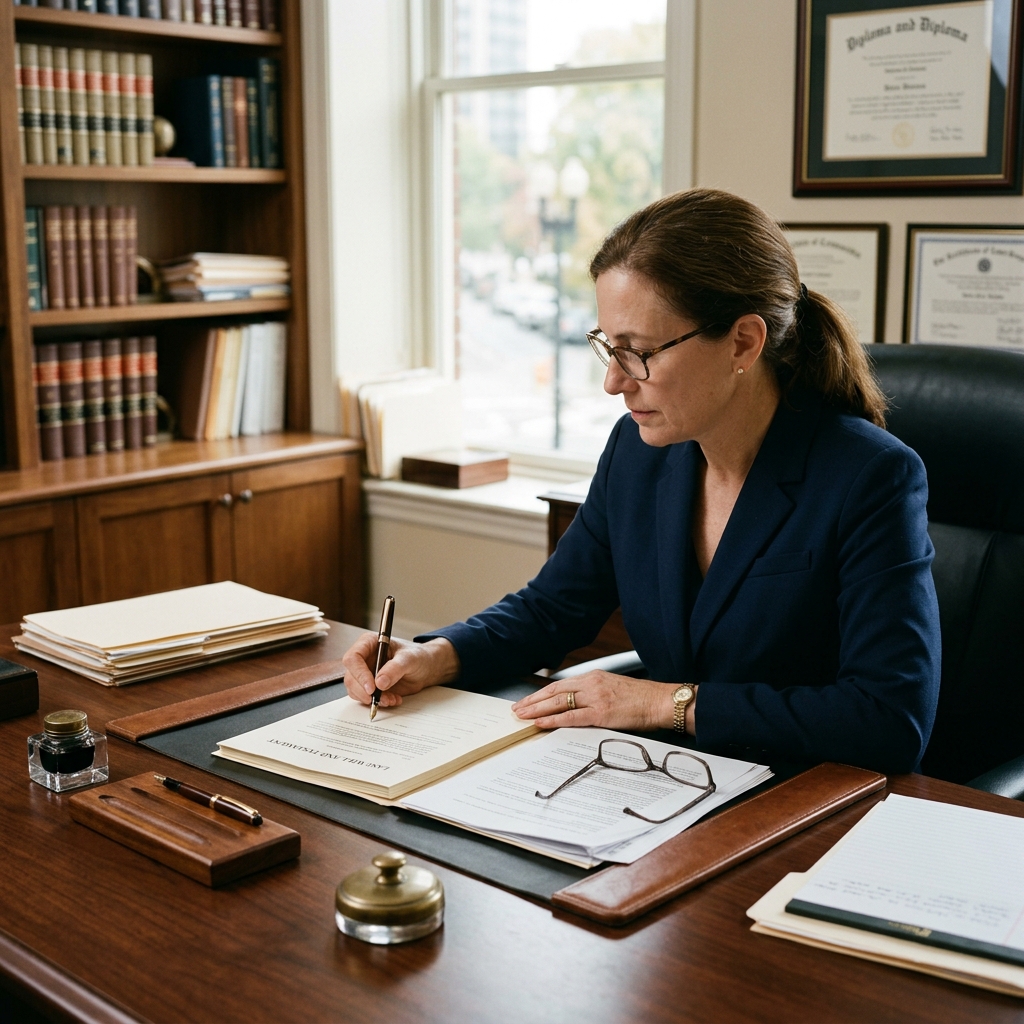
Creating a last will and testament is one of the most important steps you can take to protect your loved ones and make sure your property is distributed according to your wishes. A well-drafted will reduces uncertainty, limits family disputes, and provides clear instructions for what should happen after you die.
This guide explains, in plain language, what a will is, why it matters, how to make one legally valid, and how to keep it up to date. It is based on widely accepted legal principles and guidance from official and reputable organizations, but it is not a substitute for specific legal advice in your jurisdiction.
What a Will Is and Why It Matters
A will is a legal document that sets out how you want your estate—your money, property, and possessions—to be handled after your death. It usually covers three core issues:
- Who receives your assets (beneficiaries).
- Who is in charge of managing your estate (executor or personal representative).
- Who looks after minor children or dependants (guardians), if applicable.
If you die without a will, your estate is distributed according to default rules known as intestacy laws, which vary by jurisdiction but often prioritize spouses, civil partners, and close relatives using a fixed formula. These rules may not reflect your personal wishes, your blended family, or your preferred charitable causes.
Having a will is especially important if:
- You own a home or other significant assets.
- You have children under 18 or other dependants.
- You are in a blended family or have stepchildren.
- You want to leave gifts to friends or charities.
- You run a business or hold complex investments.
Key Legal Requirements for a Valid Will
While details differ across jurisdictions, most legal systems require certain basic conditions for a will to be valid. Typically, the person making the will (often called the testator) must:
- Be old enough to make a will (often at least 18 years of age).
- Have mental capacity — they must understand what a will is, what property they own, and who might reasonably expect to inherit.
- Act voluntarily, free from pressure, undue influence, or coercion.
- Make the will in writing (handwritten, printed, or typed, depending on local law).
- Sign the will in the presence of at least two witnesses, who then sign in the testator’s presence.
Many jurisdictions also recommend that witnesses are “disinterested”—meaning they do not receive anything under the will—to reduce the risk that the will is later challenged.
Because requirements vary, it is wise to confirm local rules using official government guidance or a qualified legal professional.
First Step: Understanding Your Estate and Goals
Before drafting a will, take time to understand your overall situation. This makes the drafting process more straightforward and helps ensure your will aligns with your long-term plans.
Take Stock of What You Own and Owe
Start by listing your assets and liabilities.
- Probate assets — items that are typically controlled by your will, such as individually owned real estate, vehicles, personal belongings, and cash or investment accounts in your own name.
- Non-probate assets — assets that pass outside the will, including jointly owned accounts, retirement plans with named beneficiaries, and life insurance policies.
- Debts and obligations — mortgages, car loans, credit card balances, and personal debts that must be satisfied from your estate before inheritances are fully paid.
Clarifying these items helps you make realistic decisions about who can receive what and whether your estate can bear particular gifts or bequests.
Define Your Objectives
Next, think about what you want your will to achieve.
- Provide financial security for a spouse, partner, or children.
- Recognize specific individuals with personal gifts or keepsakes.
- Support charities or causes that are important to you.
- Address business interests and succession plans.
- Include preferences for funeral or memorial arrangements, where allowed.
Writing down your priorities ensures that the provisions in your will reflect what matters most to you.
Choosing Executors, Beneficiaries and Guardians
Executor or Personal Representative
Your executor is responsible for managing the estate after your death: gathering assets, paying debts and taxes, and distributing property according to your instructions.
When choosing an executor, consider:
- Trustworthiness and integrity.
- Organizational skills and ability to handle paperwork.
- Willingness to work with professionals such as lawyers or accountants.
- Age and health, especially if you expect the role to arise many years in the future.
Some people appoint a family member; others appoint a professional executor such as a solicitor, trust company, or bank, particularly for complex estates.
Beneficiaries
Beneficiaries are the people or organizations that receive your assets. To minimize conflict, make your intentions clear and specific.
- Identify each beneficiary by full name and, where helpful, address or relationship to you.
- Describe gifts precisely (for example, “my home at [address]”, or a percentage of your remaining estate).
- Consider contingent beneficiaries—who should inherit if your first choice dies before you.
You can also include charitable organizations as beneficiaries, often by specifying a fixed sum or a percentage of your estate.
Guardians for Minor Children
If you have children under 18 or other dependants, your will is an important place to name guardians. These are the people who would step in to care for your children if both parents or current carers die.
Consider:
- Whether potential guardians share your values and parenting style.
- Whether they have the health, time, and stability to take on long-term responsibility.
- Whether they are willing to serve and have been consulted in advance.
Guardianship decisions can also interact with financial arrangements, such as trusts for children, so coordinated planning is helpful.
Options for Writing Your Will
There are several ways to create a will, each with advantages and trade-offs.
| Method | Pros | Cons |
|---|---|---|
| Using a lawyer | – Tailored advice for complex or blended families – Helps comply with local legal requirements – Reduces risk of errors or disputes | – Higher upfront cost – Requires appointments and document review |
| Online or template-based services | – Convenient and relatively inexpensive – Guided questions help structure your will | – May not fit unusual circumstances – Quality varies across providers |
| Self-written (DIY) | – Lowest cost option – Full control over wording | – Higher risk of mistakes or invalid provisions – May fail to meet formal legal requirements |
Official guidance and many charities recommend seeking legal advice, especially if you own a business, have children from multiple relationships, or anticipate disputes among family members.
Making Your Will Official: Signing and Witnessing
Once the wording of your will reflects your wishes, you must complete certain formal steps to make it legally effective.
- Sign the will as the testator, usually at the end of the document.
- Sign in front of the required number of witnesses (commonly two), who are present at the same time and watch you sign.
- Have the witnesses sign in your presence, confirming they saw you sign and that you seemed to have capacity.
Some jurisdictions also require or encourage notarization—having a notary public formally verify your identity and signature—to simplify proof of validity later.
It is crucial to follow local rules carefully: if the will is signed or witnessed incorrectly, it may be treated as invalid, leaving your estate to be distributed under intestacy laws instead.
Storing Your Will Safely
A will that no one can find is nearly as problematic as having no will at all. Proper storage ensures that your executor can access the original document when needed.
Common storage options include:
- Leaving the original with your lawyer or legal firm.
- Using a bank safe-deposit box, following local rules about post-death access.
- Using an official will storage service or probate registry, where available.
- Keeping it in a fireproof, waterproof safe at home, with clear instructions to your executor.
Tell your executor and at least one trusted person:
- That a will exists.
- Where the original is stored.
- How to access it if you die.
Updating or Changing Your Will
Life changes, and your will should change with it. Experts recommend reviewing your will regularly (often every few years) and after major events such as marriage, divorce, the birth of a child, or buying a home.
There are two main ways to change a will:
- Adding a codicil — a short document that amends specific parts of your existing will, such as changing a beneficiary or updating an executor. Codicils must be signed and witnessed using the same formalities as a full will.
- Making a new will — often the safer option if you are making significant changes. A new will usually includes a clause stating that it revokes all earlier wills and codicils, and old copies should be destroyed.
Never write informal notes or make handwritten changes on your original will after it has been signed; these changes are likely to be ignored or could create confusion.
Common Mistakes to Avoid
Even well-intentioned people sometimes make errors that reduce the effectiveness of their will. Being aware of common pitfalls can help you avoid them.
- Not coordinating beneficiaries: Failing to align the beneficiaries in your will with those named on life insurance policies, retirement accounts, or joint assets can produce unexpected results.
- Using interested witnesses: Asking a beneficiary to witness your signature can create legal challenges and, in some jurisdictions, may invalidate their gift.
- Vague descriptions: Using unclear wording, such as “some money for my grandchildren”, can make administration difficult and may lead to disputes.
- Ignoring tax implications: Large estates or complex investments may have tax consequences, and poor planning can increase the tax burden on your heirs.
- Failing to update: Not revisiting your will after marriage, divorce, or changes in relationships can result in leaving out important people or benefiting someone you no longer intend to.
Practical Checklist for Making a Will
Use this checklist as a practical overview when preparing to write or revise your will:
- Gather a list of your major assets and debts.
- Decide your main objectives (who should be protected, which causes you want to support).
- Choose a trustworthy executor and, if needed, alternates.
- Identify guardians for minor children or dependants and discuss your plans with them.
- List your intended beneficiaries and what each should receive.
- Consider whether you need professional legal advice, especially if your situation is complex.
- Draft your will using a reliable method and ensure it complies with local formalities.
- Sign and witness the will correctly, following official guidance.
- Store the original safely and tell your executor how to find it.
- Set a reminder to review your will periodically or after major life events.
Frequently Asked Questions About Wills
Do I need a lawyer to make a will?
No. In many jurisdictions you can make a valid will without a lawyer, as long as it meets legal requirements such as proper signing and witnessing. However, professional advice is strongly recommended if you have complex assets, business interests, or family circumstances, or if you are unsure about local rules.
Can I leave everything to one person?
In most systems you can choose to leave all your estate to a single beneficiary, but there may be legal protections for spouses, civil partners, or dependants that limit extreme arrangements. Check local law or seek advice before making decisions that may be challenged.
What happens if I die without a will?
If you die without a will, your estate is distributed under intestacy laws that follow a fixed hierarchy (often spouse, civil partner, children, then other relatives). These rules may not reflect your wishes and may offer no flexibility for friends, charities, or stepchildren.
Can I change my will at any time?
Yes, provided you have mental capacity and act voluntarily. You can add a codicil for minor adjustments or create a new will that revokes earlier versions. Avoid making handwritten changes on the original document after it has been signed.
Where should I keep my will?
Store your will in a secure but accessible location, such as with your lawyer, in a safe-deposit box, in an official storage service, or in a home safe. Inform your executor and a trusted family member or friend so they can locate it when needed.
References
- Making a will: Write your will — UK Government (GOV.UK). 2023-02-01. https://www.gov.uk/make-will/writing-your-will
- Making a will – all you need to know — Age UK. 2023-06-15. https://www.ageuk.org.uk/information-advice/money-legal/legal-issues/making-a-will/
- Making a will — Citizens Advice. 2022-11-10. https://www.citizensadvice.org.uk/family/death-and-wills/wills/
- A Consumer’s Guide to Estate Planning: The Basics of Wills — Securian Financial. 2022-03-20. https://www.securian.com/insights-tools/articles/last-will-and-testament.html
- How to Make a Will: 10 Important Things to Consider — National Council on Aging. 2023-08-30. https://www.ncoa.org/article/how-to-make-a-will-10-important-things-to-consider/
- How to Create a Will: A Step-by-Step Guide — Mutual of Omaha. 2022-06-01. https://www.mutualofomaha.com/advice/life-insurance/understanding-life-insurance/how-to-create-a-will-a-step-by-step-guide
- How To Write A Will: A Step-By-Step Guide — MetLife. 2023-04-12. https://www.metlife.com/stories/legal/how-to-write-a-will/
Similar Articles








Read full bio of Sneha Tete


