
Buying Vacant Land: Complete Due Diligence Checklist
Comprehensive checklist and strategies for smart vacant land purchases to avoid costly pitfalls and ensure development success.
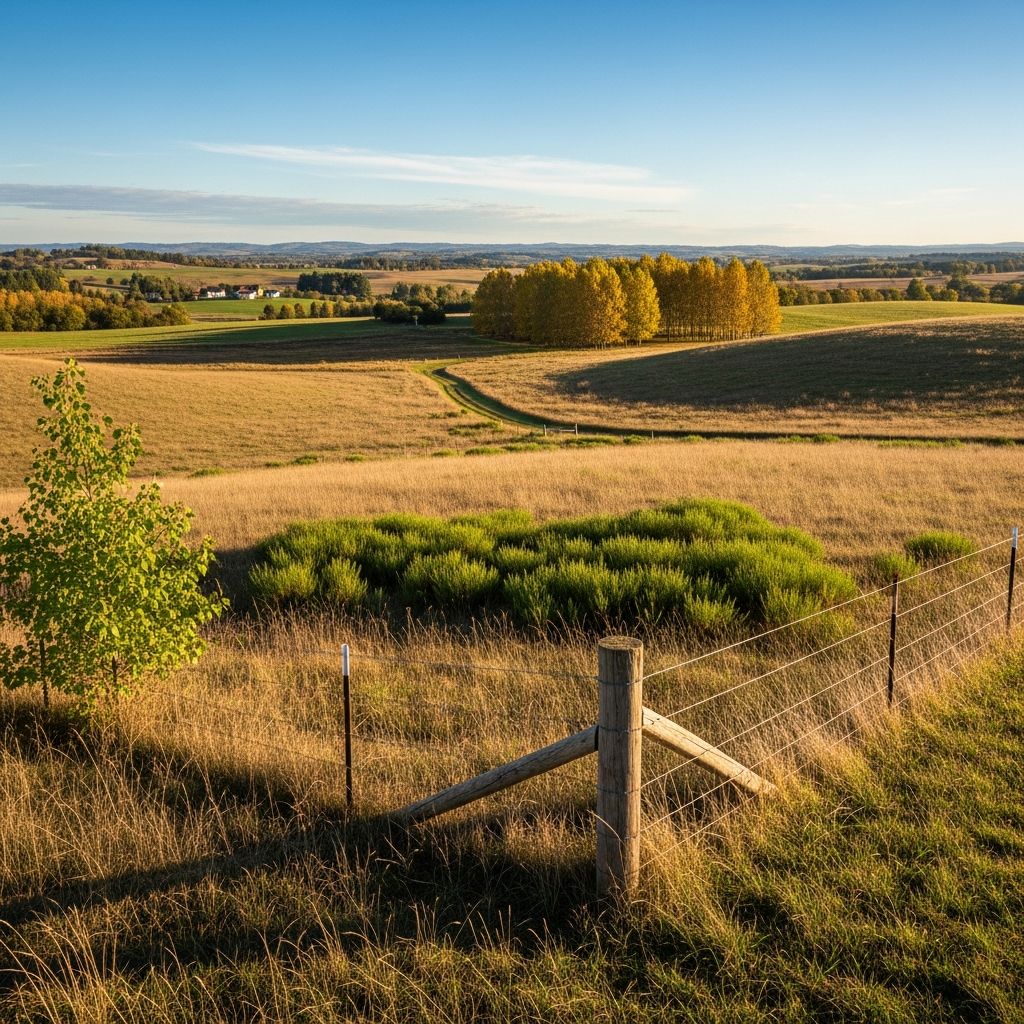
Acquiring undeveloped property offers exciting opportunities for building dream homes, starting farms, or launching commercial ventures. However, unlike buying a finished house, vacant land demands rigorous investigation to uncover hidden issues that could derail plans or inflate costs. This guide provides a step-by-step roadmap, drawing on proven due diligence practices to empower buyers with knowledge and confidence.
Defining Your Land Acquisition Goals
Before scouting parcels, clarify your objectives. Are you envisioning a single-family residence, agricultural operations, or business development? This vision shapes every decision, from location selection to budget allocation. Consider factors like family size, future expansion needs, and proximity to urban amenities. Rural lots might appeal for privacy and lower taxes, but they often lack utilities, increasing setup expenses.
Budgeting is paramount. Factor in not just the purchase price but also development costs: site preparation, permits, infrastructure connections, and potential remediation. Experts recommend allocating 20-50% above the land cost for these extras, depending on terrain and location. Conduct preliminary market research using public records and real estate platforms to gauge average prices per acre in target areas.
Conducting Thorough Title and Ownership Checks
A clear title is the foundation of any land deal. Engage a reputable title company to perform a search, revealing the ownership history, outstanding liens, judgments, or encumbrances. Public records at the county recorder’s office can confirm details, ensuring no surprises post-purchase. Title insurance, obtained after verification, safeguards against future claims.
Scrutinize easements and rights-of-way meticulously. These legal allowances permit utilities, roads, or neighbor access across the property, potentially limiting your usable space. Review recorded documents for scope and permanence. Without a deeded access easement, a parcel could become landlocked, severely restricting development.
Navigating Zoning and Land Use Regulations
Zoning dictates permissible activities, making it a make-or-break factor. Contact local planning departments to review designations: residential, agricultural, commercial, or mixed-use. Understand ‘by-right’ allowances versus those needing variances or conditional permits. Overlay zones—such as flood plains, wetlands, or historic districts—add layers of restrictions like expanded setbacks or material mandates.
| Zoning Type | Typical Allowances | Common Restrictions |
|---|---|---|
| Agricultural (AG) | Farming, livestock, single homes | No multi-family or heavy industry |
| Residential (R-1) | Single-family homes | Height limits, lot coverage max |
| Commercial (C-1) | Retail, offices | Signage rules, parking minima |
| Industrial (I-1) | Manufacturing, warehouses | Buffer zones from residences |
Verify future rezoning feasibility if your plans deviate from current rules. Attend planning meetings or consult attorneys specializing in land use to assess approval odds.
Physical Site Evaluation and Inspections
Visit the property multiple times, ideally in varied weather. Walk boundaries to assess topography: steep slopes demand costly grading, while flat land suits most builds. Note drainage patterns to spot flood risks—low-lying areas may require elevation or retention ponds. Evaluate vegetation for invasives or protected species that could halt clearing.
- Access Assessment: Confirm legal road frontage and driveway viability. Private roads may involve shared maintenance fees.
- Utility Availability: Check proximity to water, sewer, electricity, and gas. Rural off-grid setups add solar, well, and septic expenses.
- Noise and Nuisance Survey: Observe traffic, airports, or industrial neighbors. FEMA flood maps and aerial views aid remote analysis.
Commissioning Professional Surveys
Never skip a professional survey. A boundary survey pinpoints corners using monuments and deeds, preventing neighbor disputes. For financed buys, opt for an ALTA/ACSM survey detailing improvements, easements, and flood zones.
Site surveys reveal topography, soil types, and obstacles like wetlands. They inform building placement, road design, and utility routing. Post-survey, photograph stakes and GPS them for records.
Environmental and Geotechnical Due Diligence
Potential contamination poses massive liabilities. Start with a Phase I Environmental Site Assessment (ESA) by certified professionals, screening for historical risks like fuel tanks or chemical spills. Red flags trigger Phase II testing: soil borings analyzed for toxins.
Geotechnical reports evaluate soil stability for foundations. Poor percolation may nix septic systems; expansive clays cause shifting structures. In prone areas, test for flood, bushfire, or seismic hazards. Local councils often mandate these for permits.
Financial Analysis: Appraisals, Taxes, and Costs
An independent appraisal establishes fair market value, adjusting comparables for size, access, and utilities. Review property tax history—rural land enjoys lower rates, but reassessments follow development.
Estimate total ownership costs:
- Development fees: permits, impact fees ($5,000-$50,000+)
- Infrastructure: well ($10k-$30k), septic ($15k-$40k), utilities hookup
- Soft costs: engineering, legal ($5k-$20k)
Use spreadsheets to model scenarios, comparing adjusted comps from recent sales.
Legal Framework: Contracts and Permits
Draft a robust purchase agreement with contingencies for inspections, financing, and due diligence periods (30-90 days). Include seller disclosures on known issues. Engage real estate attorneys or conveyancers for review.
Pre-qualify permits: building, septic, grading. Some jurisdictions require pre-approval sketches. Homeowners associations (HOAs) or covenants (CC&Rs) may impose architectural controls.
Closing the Deal Successfully
During escrow, resolve contingencies. Walk away if deal-breakers emerge, or negotiate credits for fixes. Final walkthrough confirms no changes. Post-closing, record the deed and update insurance.
Frequently Asked Questions (FAQs)
What is the most critical first step in buying vacant land?
Verify title and ownership through a professional search to ensure clear conveyance free of liens or disputes.
How do I check if land is buildable?
Review zoning, conduct surveys, and test soil/percolation. Confirm utilities and access with local authorities.
What if environmental tests show contamination?
Negotiate seller remediation, price reduction, or walk away. Phase II confirms extent and costs.
Do I need a survey if boundaries seem marked?
Yes, always. Visible markers can be wrong; professional surveys provide legal certainty.
How long does due diligence take?
Typically 30-60 days, depending on tests and approvals. Build this into your contract.
Advanced Strategies for Investors
For commercial or multi-parcel buys, layer in traffic studies, market feasibility, and phased development plans. Partner with engineers early for cost modeling. Monitor regulatory changes via county newsletters.
Sustainable practices enhance value: solar readiness, native landscaping, permeable surfaces. These appeal to eco-conscious buyers and may qualify for incentives.
In summary, meticulous preparation transforms vacant land from risk to reward. By systematically addressing title, zoning, physical traits, environmental factors, finances, and legals, buyers position themselves for success. Consult local experts tailored to your region for personalized guidance.
References
- What to Include in a Vacant Land Due Diligence Checklist — The Land Geek. 2023. https://www.thelandgeek.com/what-to-include-in-a-vacant-land-due-diligence-checklist-the-land-geek/
- Land Purchase Due Diligence For A Custom Home Build — Pathway Builders. 2024. https://pathway-builders.com/blog/land-purchase-due-diligence
- How to buy vacant land — Eden Brae Homes. 2023. https://edenbraehomes.com.au/resources/how-to-buy-vacant-land
- Buying Vacant Land Checklist — Pickett Sprouse. 2024. https://pickettsprouse.com/news/buying-vacant-land-checklist-a-guide-to-making-the-best-decision-for-commercial-real-estate
- Land Buying Checklist — AgWest Farm Credit. 2025. https://www.agwestfc.com/financing/country-home-loans/land-loans/land-buying-checklist
- Buyer’s Checklist for Purchasing Vacant Land — Nolo. 2024. https://www.nolo.com/legal-encyclopedia/checklist-for-purchasing-vacant-land.html
Similar Articles








Read full bio of medha deb


