
Essential Guide to Boat and Marine Insurance
Understand boat and marine insurance coverage, costs, and key decisions so you can protect your vessel and yourself on the water.
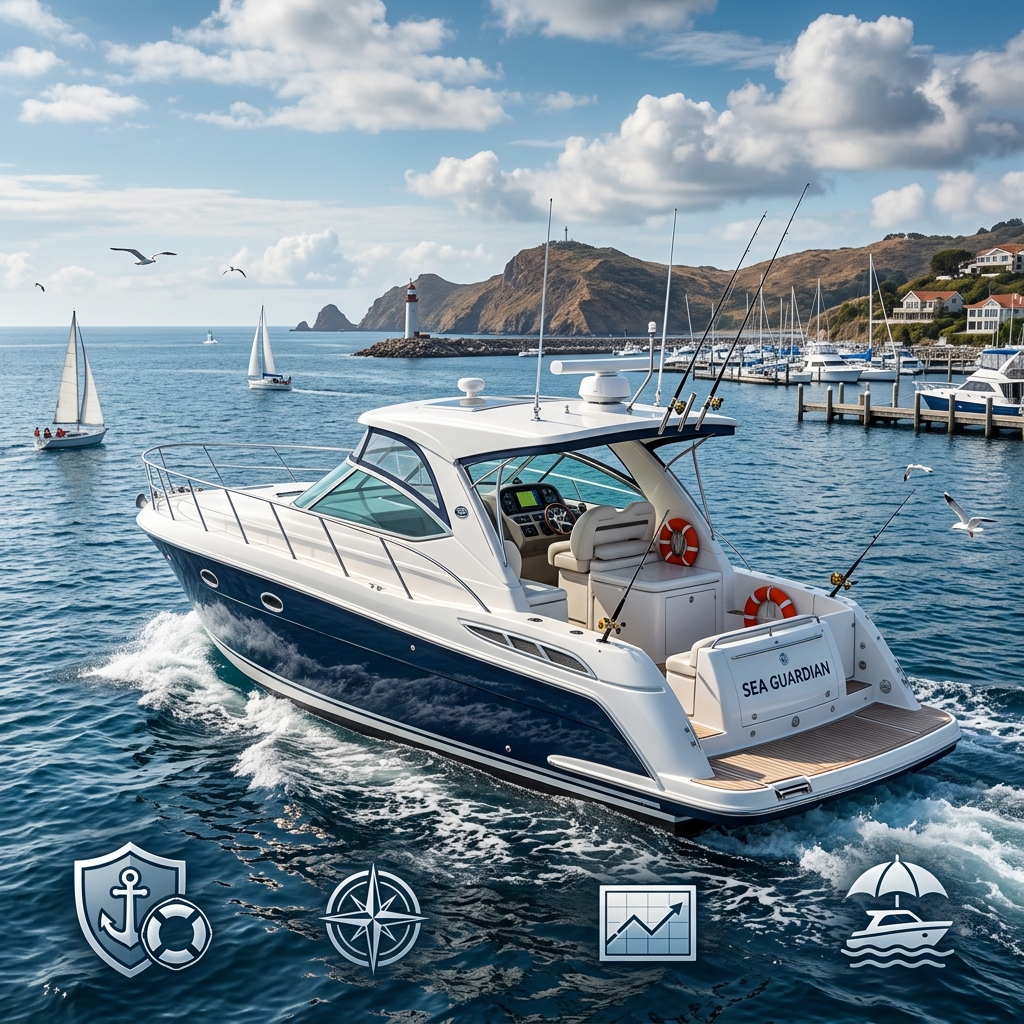
Owning a boat or other watercraft can be a source of tremendous enjoyment, but it also introduces unique risks. Boat and marine insurance are designed to protect you, your vessel, your passengers, and your finances from many of the hazards that come with life on the water. This guide explains how these policies work, what they typically cover, what they do not cover, and how to choose appropriate protection for your situation.
Understanding Boat and Marine Insurance Basics
Boat and marine insurance are specialized property and liability policies tailored to watercraft. Although details vary by provider and policy, most modern boat policies are built around two core components:
- Physical damage coverage for the vessel itself and attached equipment.
- Liability coverage for injuries to others or damage to their property that you cause while using your boat.
These policies can apply to a wide variety of craft, including small runabouts, sailboats, fishing boats, personal watercraft (such as jet skis), and larger yachts. In some cases, specialized marine insurance policies are used for commercial vessels or very large recreational boats.
Which Boats Typically Need Insurance?
Not every boat is required by law to carry insurance, but many owners choose it because of the potential cost of accidents or severe damage. Insurers commonly provide coverage for:
- Small powerboats used for recreation.
- Sailboats and day cruisers.
- Fishing boats, including those with outboard motors.
- Personal watercraft such as jet skis.
- Larger cabin cruisers and yachts.
Factors such as the size, value, and intended use of the boat help determine whether a basic policy is adequate or whether you need more robust marine coverage. Lenders and marinas may also impose insurance requirements if the vessel is financed or stored at a facility.
Core Types of Boat Insurance Coverage
Most boat insurance policies include several major categories of protection. Understanding each type helps you build a package that aligns with how and where you use your boat.
Physical Damage: Hull and Equipment
The physical damage portion of a boat policy provides coverage for loss or damage to the watercraft itself and, in many cases, its permanently attached equipment. Typical insured property can include:
- The hull and structure of the boat.
- Engines and propulsion systems.
- Onboard machinery and mechanical components.
- Fittings, furnishings, and attached fixtures.
Physical damage protection is often triggered by events such as collision, fire, storms, theft, or vandalism, subject to the specific perils listed in your policy. Depending on the contract, your insurer may settle claims based on the vessel’s actual cash value (depreciated) or on an agreed value set when the policy is written.
Liability Coverage for Injury and Property Damage
Liability coverage is intended to protect you when you are legally responsible for injuries or property damage caused by the operation of your boat. This may include:
- Bodily injury to other boaters or swimmers.
- Damage to another vessel or dock structure.
- Legal defense costs arising from covered claims.
Liability limits can vary widely. Higher limits may be appropriate if you regularly navigate busy waterways, carry numerous passengers, or own a high-value vessel.
Medical Payments
Medical payments coverage helps with medical expenses for you and your passengers if there is an accident, often regardless of who is at fault. Covered costs may include emergency treatment, hospital visits, or other necessary medical care due to injuries sustained while aboard the boat.
Optional Coverages and Add-Ons
Many insurers offer additional protections that can be added to a standard policy. Examples include:
- Trailer coverage for damage to the trailer used to transport your boat.
- Personal property coverage for items such as fishing gear, electronics, or portable equipment kept on board.
- Towing and emergency assistance for help if the vessel becomes disabled on the water.
- Fuel spill liability and wreckage removal in the event of a sinking or major incident.
Larger or commercial vessels may require specialized coverages, such as protection related to maritime workers’ compensation laws.
Common Exclusions and Limitations
Like all insurance contracts, boat policies contain exclusions that limit what is covered. Carefully reviewing these provisions is essential so you are not surprised at claim time.
Wear and Tear and Mechanical Failures
Routine wear and tear, gradual deterioration, and many mechanical breakdowns are typically excluded from physical damage coverage. Insurers often also exclude damage caused by:
- Mold or mildew.
- Insects and certain animals.
- Defective machinery or parts.
These exclusions reflect the expectation that boat owners are responsible for ongoing maintenance and prevention of long-term damage.
Use Outside Policy Terms
Policies may restrict coverage to specific navigational areas or seasons. Operating the boat outside those boundaries or using it for commercial purposes when only recreational use is insured can lead to denied claims. Similarly, reckless or illegal behavior is often excluded or may affect your ability to recover.
Personal Belongings and High-Value Items
Some policies offer limited or no coverage for non-attached personal belongings, such as clothing, portable electronics, or specialized equipment stored aboard. High-value items might need separate schedules or endorsements. Always check how your policy treats personal property so you can add coverage if needed.
How Much Does Boat Insurance Cost?
Boat insurance premiums depend on many factors, including the vessel’s characteristics, your boating history, and coverage selections. Industry data suggests that annual premiums often fall within a general range for typical recreational boats, while yachts and specialized vessels can be significantly more expensive.
| Type of Vessel | Typical Value | Approximate Annual Premium | Notes |
|---|---|---|---|
| Small recreational boat | About $20,000 | Often around $200–$500 for basic coverage | Costs depend on storage, usage, and claims history. |
| Mid-sized yacht | About $200,000 | Frequently near 1.5% of value per year (e.g., around $3,000) | Higher limits, navigation areas, and features influence price. |
| Large yacht or specialized vessel | Substantial value | Premiums may reach 5–6% of vessel value annually in some cases | Complex risk profiles lead to customized underwriting. |
Although these figures are only examples, they illustrate how vessel value and risk characteristics affect premiums. Newer boats, high horsepower, and extended cruising areas can result in higher rates, while completion of recognized safety courses or a strong claims-free history may help reduce costs.
Key Factors Insurers Consider
When you apply for boat insurance, insurers evaluate several aspects of you and your vessel to assess risk and determine pricing.
Information About You as an Operator
- Boating experience and any prior ownership of similar craft.
- Claims history and driving record.
- Completion of approved boating safety or navigation courses.
- Preferred liability and medical payments limits.
Information About the Boat
- Model year and overall age of the vessel.
- Length, hull design, and type of craft (e.g., inboard, outboard, sail).
- Horsepower and speed capabilities.
- Primary location and typical waters of use (lakes, rivers, coastal, offshore).
Some insurers may decline coverage for very old or heavily modified vessels, while others accept them but apply higher premiums or special conditions.
Practical Tips for Choosing Coverage
Selecting a boat insurance policy is more than just comparing prices. Evaluating the quality of coverage and how it matches your boating habits is crucial.
- Assess your vessel’s value and usage: Consider replacement cost, how often you use the boat, and whether you travel beyond local waters.
- Choose liability limits carefully: Serious injury or property damage claims can be expensive, so many owners opt for higher liability limits for better protection.
- Review deductibles: Increasing deductibles may lower premiums but raises your out-of-pocket costs in case of loss.
- Confirm navigational limits: Make sure your usual cruising grounds and seasons are included in the policy.
- Ask about discounts: Completion of boating safety courses or installing qualifying safety equipment can sometimes result in premium reductions.
Safety Practices That Complement Insurance
Insurance is only one part of risk management on the water. Following recommended safety practices can reduce the likelihood of accidents and may improve insurability.
Before Leaving the Dock
- Check the latest weather forecast and avoid dangerous conditions.
- Inspect engine, fuel, electrical, and steering systems for problems, including exhaust leaks.
- Inform someone on shore of your destination and expected return time.
Safety Equipment On Board
- Adequate life jackets for every person on board.
- Required navigation lights and sound-signaling devices such as a whistle, horn, or bell.
- Basic emergency gear such as paddles or oars, first-aid kit, fresh water, tools and spare parts, flashlight, flares, and a radio.
- Properly sized and maintained fire extinguishers placed in accessible locations.
Managing Passengers and Load
- Distribute weight evenly and avoid overloading the vessel.
- Discourage standing or sudden shifts of weight in small boats.
- Do not allow passengers to ride on unsafe areas such as the bow or gunwales while the boat is moving.
- Ensure all passengers wear life jackets, especially in smaller or open boats.
Adhering to these practices supports safer boating and may reduce the chance of claims, which can ultimately help keep insurance costs manageable.
Frequently Asked Questions About Boat and Marine Insurance
Do I need separate insurance for my boat if I already have homeowners insurance?
Homeowners policies sometimes provide very limited coverage for small boats, but they generally do not offer comprehensive physical damage or specialized liability protection for larger or more powerful vessels. Dedicated boat or marine insurance is usually recommended if you rely on the vessel regularly or if it has significant value.
Is boat insurance required by law?
Legal requirements vary by jurisdiction. Some areas mandate liability coverage for certain types of watercraft, while others do not. Even where it is not legally required, lenders, marinas, or storage facilities may require proof of insurance as a condition of financing or access.
Can I insure my boat for its full replacement cost?
Many insurers offer options such as agreed value coverage, where the boat is insured for a specific amount, or actual cash value, which takes depreciation into account. Discuss the options with your insurer to determine which settlement method best matches your boat’s age and condition.
Are my fishing gear and electronics covered?
Standard policies may provide limited protection for accessories and personal property. To cover items like tackle, portable electronics, or specialized equipment, you may need additional endorsements or personal property coverage. Clarify with your insurer how these belongings are treated before a loss occurs.
Will safety training help lower my premiums?
Completion of certified boating safety courses is often viewed favorably by insurers and can sometimes result in discounts, particularly for newer operators or more powerful vessels. It also contributes to safer boating practices, which can reduce claims over time.
References
- Boat insurance and safety — Insurance Information Institute. 2023-06-01. https://www.iii.org/article/boat-insurance-and-safety
- Understanding boat insurance — Chubb. 2022-09-15. https://www.chubb.com/us-en/individuals-families/resources/understanding-boat-insurance.html
- Boat Insurance: An Essential Guide — YachtWorld. 2024-03-10. https://www.yachtworld.com/research/boat-insurance-an-essential-guide/
- Boat insurance — Insurance Information Institute. 2023-06-01. https://www.iii.org/article/boat-insurance-and-safety
- Boat and Jet Ski Insurance — State Farm. 2023-05-20. https://www.statefarm.com/insurance/boats
- What Does Boat Insurance Cover? — Progressive. 2024-02-01. https://www.progressive.com/answers/what-does-boat-insurance-cover/
- What Does Boat Insurance Cover? — Allstate. 2023-08-18. https://www.allstate.com/resources/powersports/what-does-boat-insurance-cover
Similar Articles








Read full bio of Sneha Tete




