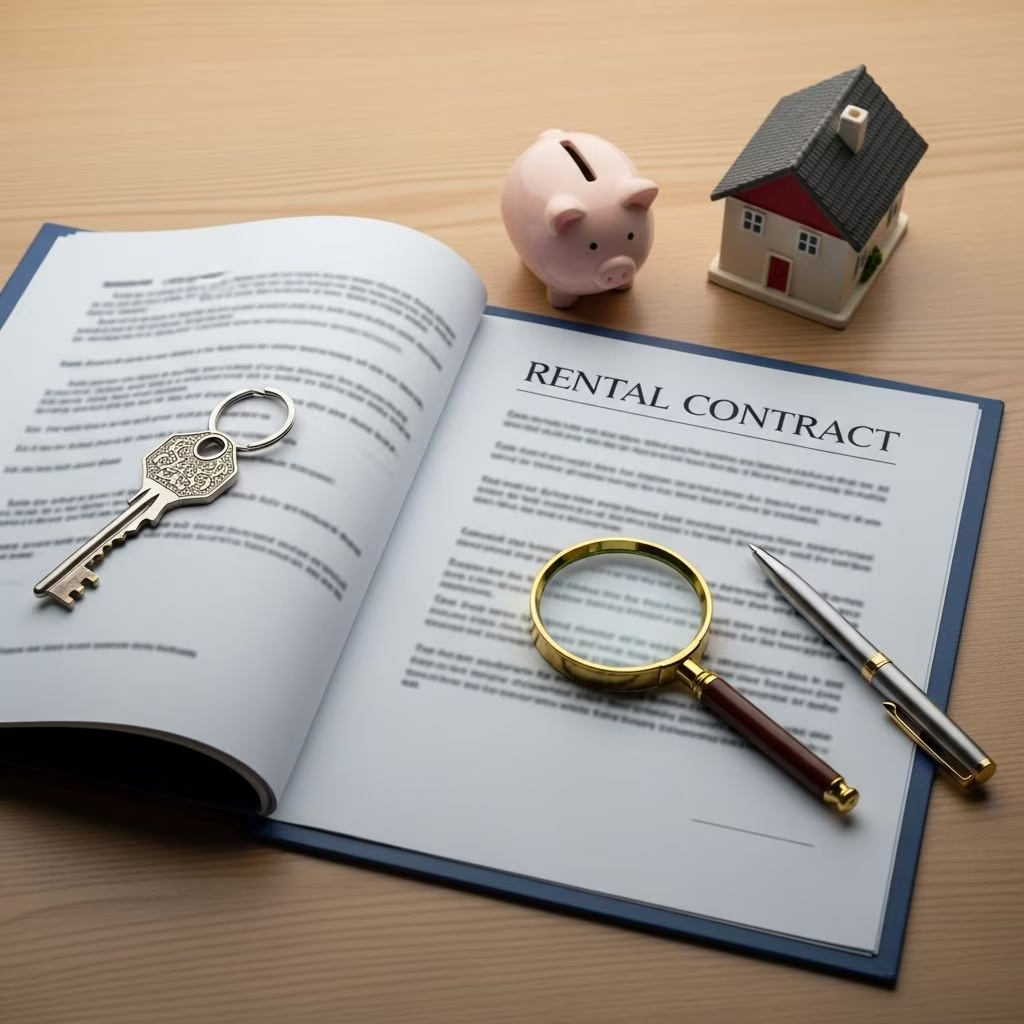
Rental contracts form the foundation of the landlord-tenant relationship, outlining rights, responsibilities, and expectations. A comprehensive agreement minimizes misunderstandings and legal issues by addressing key aspects like financial obligations, property use, and dispute resolution. This guide explores indispensable provisions, drawing from standard practices to help craft enforceable documents.
Identifying Participants and Premises
The opening section must precisely name all involved parties, including landlords, tenants, and any cosigners, with full legal names, addresses, and contact details. This clarity prevents disputes over authority and accountability.
Describe the rental premises thoroughly, specifying the full address, unit number, and included features such as garages, storage areas, or appliances. Exclude ambiguities by listing furnished items and square footage if relevant, ensuring tenants know exactly what they are leasing.
Duration and Extension Provisions
Define the lease period explicitly, stating start and end dates for fixed-term arrangements or conditions for periodic tenancies like month-to-month setups. Include renewal procedures, such as notice requirements and any rent adjustments upon extension.
Address early termination scenarios, outlining fees or notice periods to vacate. This protects both sides from abrupt endings while allowing flexibility for life changes.
Financial Obligations: Rent and Fees
Specify the rent amount, due date (e.g., first of the month), acceptable payment methods (e.g., electronic transfer, check), and grace periods before late fees apply. Detail escalation clauses for future increases, tied to inflation or market rates.
| Payment Element | Typical Terms | Best Practices |
|---|---|---|
| Rent Amount | $1,500 monthly | State in numerals and words |
| Due Date | 1st of month | Include 5-day grace |
| Late Fee | 5% after grace | Cap per state law |
| Payment Method | ACH, check | List prohibited methods |
Security Deposits and Handling
Outline deposit amounts, typically one to two months’ rent, conditions for withholding (e.g., damages beyond normal wear), and timelines for refunds post-move-out. State interest accrual if required by local laws and inspection protocols.
Mandate a move-in checklist signed by both parties to document pre-existing conditions, reducing refund disputes.
Upkeep and Repair Duties
Assign responsibilities: tenants handle minor fixes and cleanliness, landlords manage structural issues, HVAC, and plumbing. Require prompt reporting of problems to avoid escalation.
- Tenants: Daily cleaning, minor bulb replacements
- Landlords: Major appliances, roof leaks
- Shared: Landscaping in multi-unit properties
Utility and Service Allocations
Clarify who pays for electricity, water, gas, internet, and trash. Note any included services or tenant-submetered billing to prevent billing conflicts.
Include provisions for seasonal services like snow removal or lawn care, specifying costs and schedules.
Occupancy Limits and Visitor Rules
Set maximum occupants based on bedrooms and local codes to ensure safety and compliance. Define guest stays (e.g., no more than 7 consecutive days) and registration for long-term visitors[10].
Pet Permissions and Restrictions
If allowing pets, require breed/size limits, spay/neuter proofs, and additional deposits. Ban certain animals or mandate liability insurance for owners.
- Approval process: Written application with vet records
- Fees: Non-refundable pet fee + monthly surcharge
- Violations: Removal or eviction grounds
Subleasing and Assignment Policies
Prohibit subletting without written landlord consent to maintain control over occupants. Detail approval criteria and liability for subtenants’ actions.
Access Rights for Landlords
Grant reasonable entry for inspections, repairs, or showings with 24-48 hour notice, except emergencies. Balance tenant privacy with property management needs.
Insurance Mandates
Require renters insurance covering liability and personal property, naming landlord as additional insured. Specify minimum coverage amounts.
Behavioral Standards and Nuisance Prevention
Prohibit illegal activities, excessive noise, and nuisances. Enforce quiet hours and waste disposal rules to foster harmonious living.
Alterations and Signage Rules
Forbid unapproved changes like painting or fixture installations without consent. Require restoration to original condition upon exit.
Termination and Eviction Processes
Detail notice periods for non-payment (e.g., 3-day pay-or-quit) and lease violations. Outline cure periods before eviction proceedings.
Mandatory Legal Disclosures
Include state-required notices like lead paint (pre-1978 homes), mold risks, or bedbug histories. Comply with fair housing and habitability laws.
Dispute Resolution Mechanisms
Incorporate mediation or arbitration before litigation. Designate governing law and venue for disputes.
Entire Agreement and Amendments
State the contract supersedes prior understandings. Require written changes, signed by all, to prevent verbal modifications.
Frequently Asked Questions
What makes a rental contract legally binding?
It requires offer, acceptance, consideration (rent), and legal capacity, plus compliance with state statutes.
Can rent increases be included mid-lease?
No, unless specified in escalation clauses; periodic leases allow notice-based hikes.
How soon must security deposits be returned?
Typically 14-30 days post-move-out, per state law, with itemized deductions.
Are verbal agreements enforceable?
Short-term ones may be, but written is essential for terms over one year.
What if the property needs major repairs?
Tenants can withhold rent or terminate if landlord fails habitability duties.
References
- Understanding Florida Residential Lease Agreements — AM Grents. 2023-05-15. https://www.amgrents.com/kissimmee-property-management-blog/florida-residential-lease-agreements
- 20 Key Terms You Can Find in an Apartment Lease Agreement — Resident Shield. 2024-02-10. https://www.residentshield.com/blog/living/apartment-lease-agreement-terminology/
- What Should Be Included in a Comprehensive Lease Agreement — Calkins Law Firm. 2023-11-20. https://calkinslawfirm.com/what-should-be-included-in-a-comprehensive-lease-agreement/
- Essential Terms for a Lease Agreement — LawInfo. 2024-01-05. https://www.lawinfo.com/resources/landlord-tenant/essential-terms-for-a-lease-agreement.html
- Florida Lease Agreement: Understanding Key Clauses & Your Rights — Kort & Company. 2023-08-12. https://www.kortepa.com/understanding-the-fine-print