
Essential Checklist Before Renting Out Your Home
A practical, legal and financial roadmap to safely convert your home into a successful rental property for the first time.
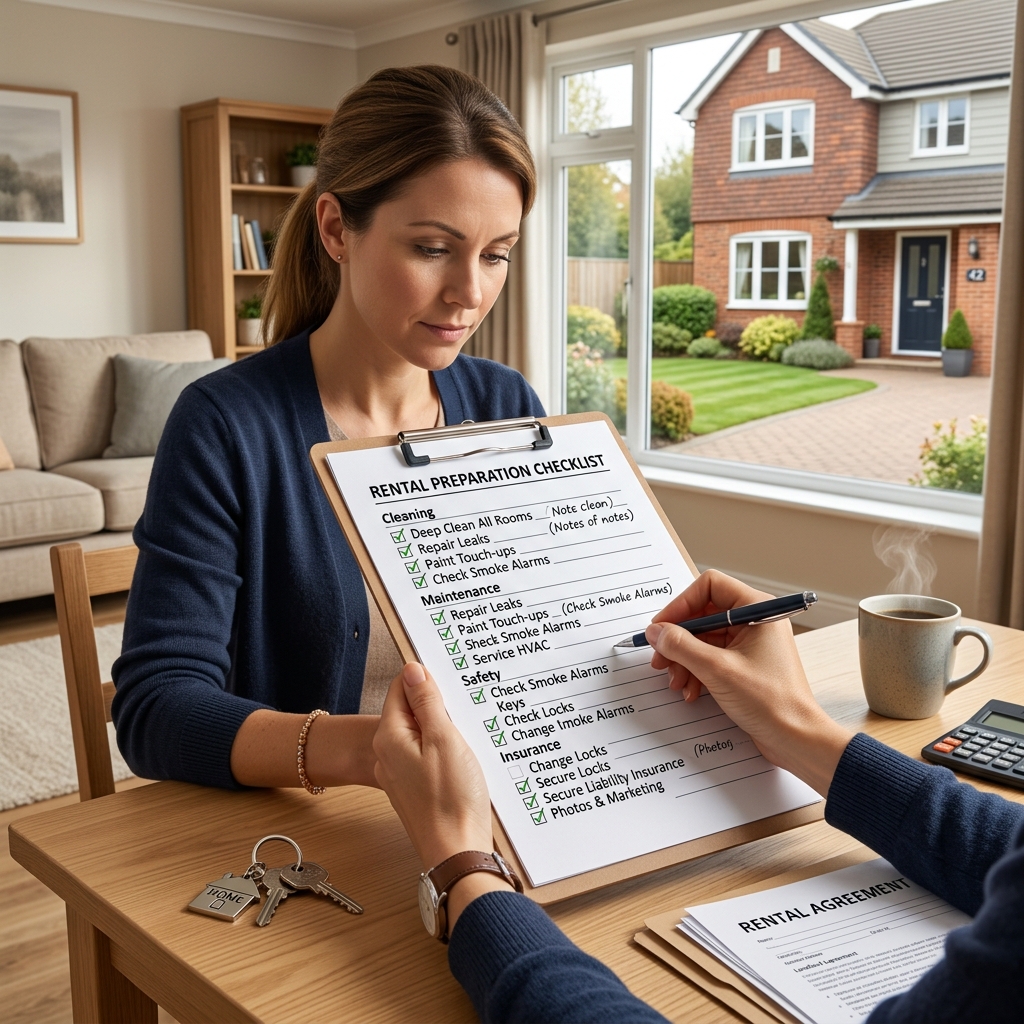
Turning your home into a rental can provide steady income, tax benefits, and long-term wealth building—but it also creates legal responsibilities and financial risks. Before you hand over the keys to a tenant, you need a clear plan, solid documentation, and a property that is safe and compliant. This guide walks you through the major steps first-time landlords should take so that renting out a home is a structured business decision rather than a rushed experiment.
1. Clarify Your Legal Obligations as a Landlord
Renting out your home changes its legal status: you become a landlord, and your property becomes a residential rental subject to local housing and tenancy laws. In most jurisdictions, you must provide a habitable unit that meets safety, health, and building standards and respect tenant rights, including fair housing protections.
- Review landlord–tenant laws at the state or regional level to understand rules on security deposits, notice requirements, entry rights, and eviction procedures.
- Check local ordinances for rental licensing, inspection requirements, occupancy limits, and zoning restrictions.
- Understand fair housing rules, including nondiscrimination on protected grounds such as race, religion, disability, and family status.
Many cities require landlords to register or license their rentals, obtain periodic safety inspections, or meet specific standards for smoke alarms, carbon monoxide detectors, and egress windows. Failing to comply can lead to fines or make it difficult to enforce your lease.
Key Legal Questions to Answer
- Is a rental license or registration required for your type of property?
- Are there maximum occupancy rules that limit how many people can live in the home?
- What are the standard notice periods for rent increases, entry to the property, and ending a lease?
- What procedures must you follow before you can legally evict a tenant?
When in doubt, consult an attorney or local housing authority. Government and legal aid websites often provide plain-language guides and sample forms for landlords.
2. Decide How Renting Fits Into Your Financial Plan
Becoming a landlord is not only a legal change; it is a financial shift. Rental income, repairs, vacancies, and taxes should all be considered in your broader financial strategy.
Estimate Costs and Cash Flow
Create a simple cash-flow projection for the next 12–24 months. Include:
- Mortgage, property taxes, and insurance on the home.
- Utilities and services you plan to pay (water, trash, landscaping, HOA fees).
- Maintenance and repairs, with a yearly reserve for unexpected issues like appliance failure or roof leaks.
- Vacancy allowances to cover periods when the property is unoccupied.
Many rental guides recommend keeping a dedicated emergency fund for the property, often equal to several months of expenses, to buffer against sudden repairs or unpaid rent.
Consider Tax and Business Structure
Renting out your home typically means rental income must be reported to tax authorities, but you may also be able to deduct qualified expenses such as insurance, maintenance, and property management fees. Some owners choose to hold the property through a business entity—such as a limited liability company—after consulting legal and tax advisors.
| Item | Why It Matters |
|---|---|
| Emergency repair fund | Covers unexpected costs like plumbing failures or heating system replacement. |
| Vacancy allowance | Ensures you can pay the mortgage and other expenses when the unit is empty. |
| Tax treatment of rental income | Impacts how much of your rental profit you keep after taxes; some costs may be deductible. |
| Separate bank account | Helps track rental income and expenses clearly and supports business-like management. |
3. Prepare the Property: Safety, Habitability and Appeal
Before advertising the home, make sure it is safe, clean, and in good working order. Most landlord-tenant laws require the property to be habitable, which usually includes functioning heat, hot water, plumbing, electrical systems, and secure doors and windows.
Conduct a Comprehensive Inspection
- Check for structural issues like roof leaks, damaged flooring, unstable steps, or loose railings.
- Test all electrical outlets, light fixtures, and switches; repair any non-working or unsafe components.
- Ensure plumbing fixtures, drains, and water heaters function properly and show no signs of leaks.
- Verify that locks on doors and windows operate smoothly and provide adequate security.
Safety checks should also include smoke alarms, carbon monoxide detectors where required, and sufficient emergency exits from bedrooms and living areas. These are often mandated by building or fire codes.
Clean and Refresh the Space
A professionally cleaned and well-maintained home attracts better applicants and can justify a higher rent.
- Deep-clean floors, carpets, walls, kitchens, and bathrooms.
- Service or clean major appliances like ovens, refrigerators, dishwashers, and laundry units.
- Remove clutter and any personal items, valuables, or fragile belongings.
- Address odors, stains, and minor cosmetic issues that could negatively impact first impressions.
Safety and Security Enhancements
Beyond basic habitability, consider safety and security improvements that protect both tenants and your property.
- Install or test smoke and carbon monoxide alarms and confirm battery or power supply.
- Verify emergency exits are unobstructed and open outward without keys where required.
- Ensure windows are unbroken, functional, and lockable, especially on lower floors.
- Address outdoor lighting and visibility around entrances and parking areas.
Document the condition of the property with dated photos or videos prior to move-in. Many renter and landlord checklists emphasize detailed records to prevent disputes later.
4. Obtain Appropriate Insurance Coverage
Standard homeowners insurance usually assumes owner occupancy and may not fully cover rental situations. When you convert a home to a rental, insurers often recommend switching to a dedicated landlord policy.
- Landlord insurance typically covers the building structure, certain types of liability for injuries occurring on the property, and sometimes loss of rental income due to covered damage.
- Ask about liability limits and whether you need additional coverage for furnished units, detached garages, or other features.
- Confirm how tenant belongings are treated; tenants usually need their own renters insurance.
Discuss the change of use with your insurer before you list the property. Misrepresenting occupancy can lead to denied claims, so it is important to clearly state that the home will be used as a rental.
5. Set a Competitive and Sustainable Rental Price
Choosing the right rent involves balancing market conditions with your financial needs. Charging too much can lead to long vacancies; pricing too low may leave you unable to cover costs.
Research Local Market Rates
- Compare similar homes in your neighborhood—size, age, amenities, and location all affect price.
- Look at both advertised rents and actual leases when information is available.
- Consider whether you will include utilities, parking, or landscaping and adjust the rent accordingly.
Housing resources and rental guides recommend aiming for a fair market rate that is attractive to tenants but still supports your long-term financial plan.
Define Lease Terms Alongside Rent
Rent cannot be separated from lease structure. Think through:
- Lease length (month-to-month vs fixed-term such as 12 months).
- Late fees and grace periods, consistent with local law.
- Pet policies, including deposits or monthly pet rent, if allowed.
- Parking, storage, and access to shared spaces.
6. Create a Fair and Thorough Tenant Screening Process
Finding reliable tenants may be the single most important factor in your rental experience. A structured screening process helps assess whether applicants are likely to pay on time, care for the property, and comply with the lease—all while respecting fair housing rules.
Core Elements of Screening
- Rental application that collects information on employment, income, rental history, and references.
- Credit checks to evaluate payment history and debt loads, conducted with proper consent.
- Background checks where legally permitted, focusing on factors relevant to tenancy and safety.
- Verification of income and references to confirm stability and prior rental conduct.
Make your criteria transparent and apply them consistently to every applicant. Many sources emphasize that screening must comply with fair housing laws, meaning you cannot reject applicants based on protected characteristics.
Interview and Expectations
An in-person or video conversation can clarify expectations and give you a sense of the applicant’s approach to renting.
- Discuss how they care for a home and handle minor maintenance.
- Explain noise, guest, and parking rules.
- Review smoking and pet policies in detail.
Once you select a tenant, collect the agreed-upon security deposit and first month’s rent before move-in. Confirm the payment method and timing going forward.
7. Draft a Clear, Legally Compliant Lease Agreement
Your lease is the core contract governing the relationship between you and your tenant. It should reflect local legal requirements and capture all major expectations, from rent and utilities to maintenance and rules for guests.
Key Lease Components
- Names of all adult tenants and the property address.
- Lease term, renewal options, and conditions for termination.
- Monthly rent amount, due date, acceptable payment methods, and late fee structure.
- Security deposit amount, conditions for deductions, and timeline for refund consistent with law.
- Responsibility for utilities, yard care, snow removal, and minor maintenance.
- Rules on pets, smoking, alterations, and subletting.
Before signing, walk through the lease with your tenant and answer questions. Some guides recommend completing a move-in condition checklist jointly and attaching it to the lease to document the state of the property when occupancy begins.
8. Set Up Rent Collection and Ongoing Management
Once the tenant moves in, your focus shifts to consistent rent collection, maintenance, and communication.
Organize Rent Collection
- Choose payment methods—online transfer, direct debit, or other systems that provide clear records.
- Send reminders close to the due date if needed and document late payments.
- Follow legal procedures for any notices related to non-payment and avoid informal agreements that conflict with your lease.
Plan for Maintenance and Inspections
Routine care protects your investment and keeps tenants satisfied.
- Maintain an emergency contact list of qualified contractors, such as plumbers and electricians.
- Schedule periodic inspections—often annually—to review the condition of the unit and common areas, with proper notice to tenants.
- Respond promptly to repair requests, especially those affecting safety or habitability.
Establish preferred communication channels (email, portal, phone) and keep written records of major conversations and agreements. Clear communication is repeatedly emphasized in landlord guides as a cornerstone of positive tenancies.
9. Move-In Documentation and Future Transitions
When move-in day arrives, detailed documentation helps prevent future disputes about damage or cleanliness.
- Walk through the property with the tenant, noting existing wear and tear on a printed or digital checklist.
- Take photos or videos of each room, including appliances, flooring, and fixtures, and store them securely.
- Provide keys, access codes, and instructions for garbage collection, parking, and building amenities.
At the end of the tenancy, you can refer to these records when evaluating normal wear and tear versus damage and when determining security deposit deductions.
FAQs: Common Questions About Renting Out Your Home
Do I need a special license to rent out my home?
Some cities and states require a rental license, registration, or mandatory inspections for residential landlords. Check with your local housing or building department to see if these rules apply to your property type and location.
How much should I charge for rent?
Start by researching comparable homes in your area and factor in property size, condition, and amenities. Then consider your ongoing costs and desired profit, aiming for a fair market rate that keeps the unit occupied while covering expenses.
Is landlord insurance different from homeowners insurance?
Yes. Landlord policies are designed for rental properties and typically focus on building coverage and liability for tenant injuries, rather than insuring an owner-occupied residence. Talk to your insurer about switching policies before tenants move in.
What makes a property “habitable” for tenants?
Habitable homes generally must have working heat, plumbing, electrical systems, secure doors and windows, and be free from serious hazards such as major leaks or unsafe wiring. Specific standards come from local health, housing, and building codes.
How thorough should tenant screening be?
Most rental guides recommend using written applications, credit and background checks where allowed, income verification, and reference checks, applied consistently and in compliance with fair housing laws. The goal is to evaluate reliability without discriminating on protected grounds.
References
- A First-Time Landlord’s Guide to Renting — LawDepot. 2023-01-10. https://www.lawdepot.com/us/resources/real-estate-articles/a-first-time-landlords-guide-to-renting/
- Things to Do Before Renting Out Your House: An Essential Checklist — Azibo. 2024-03-15. https://www.azibo.com/blog/things-to-do-before-renting-out-your-house
- First-Time Landlord Checklist — Obie Insurance. 2023-08-02. https://www.obieinsurance.com/blog/first-time-landlord-checklist
- Landlord Checklist for Leasing Your First Property — Innago. 2022-11-18. https://innago.com/landlord-checklist-for-leasing-your-first-property/
- Renters’ Checklist: Questions to Ask the Landlord — U.S. Air Force Housing. 2013-02-12. https://www.housing.af.mil/portals/79/documents/AFD-130212-046.pdf
- Renter’s Move-In Checklist: Everything You Need to Know — HomeTeam Prescott. 2021-06-21. https://hometeamprescott.com/blog/the-ultimate-renters-move-in-checklist
- Condition of Rental Property Checklist — University of Iowa Student Legal Services. 2021-09-01. https://studentlegal.uiowa.edu/sites/studentlegal.uiowa.edu/files/2021-09/rental-condition-checklist.pdf
Similar Articles








Read full bio of medha deb


