
The Epic Legal Battle to Reform Texas Foster Care
A pro bono lawsuit triggered a decade-long battle to save Texas foster youth.
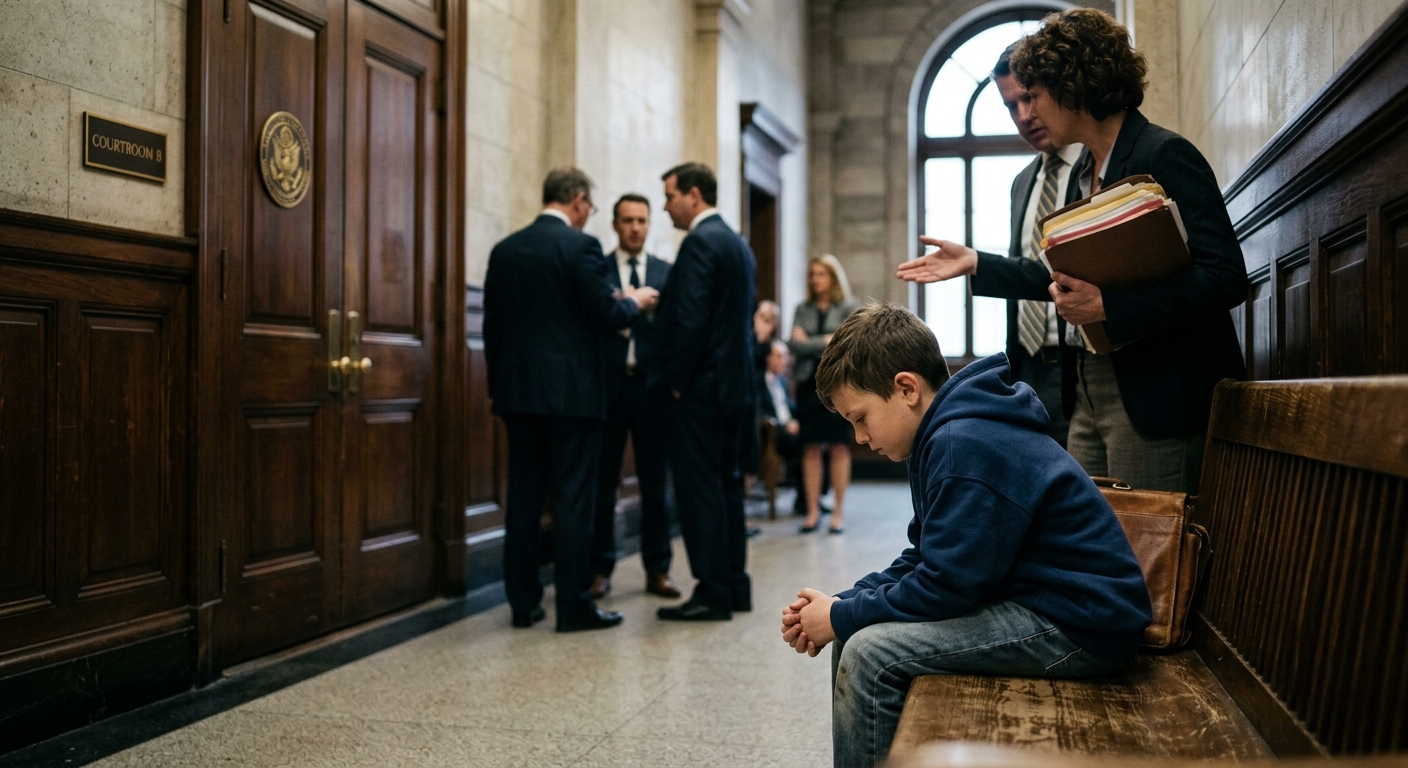
In the United States, hundreds of thousands of children rely on the foster care system for safety, shelter, and support when their biological families are no longer able to provide a secure environment. While the fundamental purpose of this network is to protect the nation’s most vulnerable youth, the reality often falls tragically short of this ideal. Nowhere has this disparity between promise and practice been more glaringly exposed than in the state of Texas. Over the past fifteen years, a monumental legal battle has unfolded in federal courtrooms, pulling back the curtain on a deeply fractured infrastructure that, for decades, allegedly inflicted more harm than healing upon the children it was mandated to protect.
At the center of this maelstrom is a landmark class-action lawsuit, originally filed as M.D. v. Perry and now known as M.D. v. Abbott. This litigation was not initiated by typical child welfare lobbyists, but rather by an unexpected coalition that included high-powered corporate litigators who decided to turn their vast legal resources toward a profound pro bono cause. Their efforts sparked an epic, ongoing clash between child advocates and state officials, resulting in federal oversight, scathing judicial rebukes, and a constitutional dispute that continues to reverberate through the federal court system.
A System in Crisis: The Reality for Texas’s Most Vulnerable
To understand the magnitude of the legal fight, one must first grasp the dire conditions that precipitated it. According to the Administration for Children and Families (ACF), which tracks national data through the Adoption and Foster Care Analysis and Reporting System (AFCARS), foster youth already face steep hurdles regarding educational attainment, mental health, and long-term stability. In Texas, the situation was particularly catastrophic for children placed in “Permanent Managing Conservatorship” (PMC). PMC is a legal status designated for youth who have been in the state’s custody for an extended period, whose parents’ rights have been terminated, and who have not been successfully reunified with family or placed in permanent adoptive homes.
These permanent foster children effectively became wards of a sprawling bureaucracy. Investigations leading up to the lawsuit revealed a system overwhelmed by impossibly high caseloads, a chronic lack of adequate placement options, and a shocking failure to enforce licensing standards for group homes and residential treatment centers. Children in PMC were routinely subjected to a revolving door of placements, moving from one overcrowded congregate care facility to another. More disturbingly, advocates uncovered alarming rates of physical abuse, sexual assault by older residents or staff, and the heavy reliance on psychotropic medications used off-label to chemically restrain traumatized youth. Instead of finding a safe haven, thousands of children were trapped in a pipeline that practically guaranteed worsened psychological and physical outcomes.
From Corporate Boardrooms to Child Welfare: An Unlikely Champion
The catalyst for systemic accountability did not emerge solely from traditional advocacy circles. It began in the boardroom of a boutique Houston law firm specializing in high-stakes business and technology litigation. Over a decade ago, attorney Paul Yetter and his colleagues were searching for a pro bono project of massive consequence. They wanted a case that would unify their firm’s intellectual resources and create a lasting, positive impact on society. After consulting with various stakeholders and legal experts across Texas, the answer became glaringly obvious: the state’s foster care system had been broken for decades, and no one had been able to force meaningful legislative or executive reform.
Partnering with the national advocacy organization Children’s Rights, as well as other co-counsel, this legal team embarked on a massive endeavor. They spent months interviewing former foster youth, reviewing thousands of pages of state records, and consulting with national child welfare experts. The goal was not merely to seek financial damages for a few individuals, but to force a structural overhaul of a government agency that was fundamentally failing its constitutional duties.
Building the Class-Action Lawsuit
In March 2011, the legal coalition filed a sweeping class-action lawsuit on behalf of approximately 12,000 children in Texas’s Permanent Managing Conservatorship. The complaint named top state officials, including the Governor and the executive commissioners of the state’s health and family protective services agencies. The core of their argument rested on the Fourteenth Amendment of the U.S. Constitution. The plaintiffs argued that by taking children into state custody, the government assumed a constitutional obligation to protect them from an unreasonable risk of harm. By placing these children in under-regulated, dangerous environments and failing to provide adequate caseworkers, the state of Texas was violating their fundamental substantive due process rights.
The 2015 Landmark Verdict: “A Broken System”
After years of procedural wrangling, aggressive discovery battles, and a grueling trial in 2014, the case culminated in a historic ruling in December 2015. U.S. District Judge Janis Graham Jack delivered a scathing, 255-page verdict that sent shockwaves through the Texas political establishment. She unequivocally ruled that the Texas foster care system was unconstitutional.
In her decision, Judge Jack did not mince words. She declared that for more than two decades, the state had operated a system where trauma, abuse, and instability were the norm. She pointed out the tragic irony that children entrusted to the state for protection almost uniformly left custody more damaged than when they entered. The court’s findings highlighted specific, systemic failures:
- Excessive Caseloads: Caseworkers were managing double or triple the recommended number of children, making it impossible to ensure their safety or track their well-being.
- Lack of Placement Options: A severe shortage of appropriate foster homes led to the over-utilization of large, institutional group homes where peer-on-peer abuse ran rampant.
- Failure to Investigate: The state routinely failed to properly investigate allegations of abuse within its own licensed facilities, leaving predators in proximity to vulnerable youth.
- Lack of Enforcement: Facilities with repeated, documented safety violations were allowed to remain open and continue accepting foster placements without facing meaningful consequences.
The verdict wasn’t just a moral victory; it came with a strict mandate. The federal court ordered the state to implement sweeping, targeted reforms to overhaul its placement, monitoring, and caseworker systems to meet constitutional minimums.
The State’s Resistance: Appeals, Delays, and Defiance
Rather than embracing the opportunity to collaboratively rebuild its child welfare infrastructure, Texas leadership chose to vigorously fight the ruling. Over the next several years, the state launched a series of aggressive appeals, arguing that federal courts were overstepping their bounds by attempting to manage the intricate daily operations of a sovereign state agency. This initiated a grueling appellate war at the U.S. Court of Appeals for the Fifth Circuit.
While the Fifth Circuit did modify some of the specific injunctions in subsequent rulings, it largely affirmed the core finding: Texas was indeed violating the constitutional rights of foster children. The appellate court upheld requirements for the state to improve its monitoring of residential facilities, implement a 24-hour awake-night supervision rule in group homes, and develop better systems for reporting and investigating abuse.
To ensure compliance, the district court appointed independent special masters to monitor the state’s progress. What followed was a frustrating game of cat-and-mouse. The monitors consistently reported that Texas was failing to meet the court’s deadlines and mandates. In response, the court held the state in contempt on multiple occasions, threatening and levying substantial fines—sometimes amounting to tens of thousands of dollars a day—for its failure to promptly investigate abuse allegations and shut down dangerous facilities.
Recent Escalations: The Fight Reaches the Supreme Court
The litigation took a dramatic and controversial turn when the state of Texas succeeded in a legal maneuver to remove the presiding judge from the case. Arguing that her harsh criticisms, substantial contempt fines, and aggressive oversight demonstrated an undeniable bias against the state, Texas attorneys petitioned the Fifth Circuit to reassign the lawsuit. In a highly debated decision, the appellate court agreed, removing the judge who had presided over the complex litigation for well over a decade.
This unprecedented judicial reassignment sparked outrage among child welfare advocates and legal scholars. The legal team representing the foster children immediately filed an appeal to the United States Supreme Court. They argued that the appellate court’s decision was an extreme overreach that weaponized reassignment protocols to punish a federal judge for simply holding state officials accountable to the Constitution. The plaintiffs warned that removing the chief architect of the reform orders would severely derail the progress made over the past decade, leaving thousands of children vulnerable to the same systemic negligence that originally prompted the lawsuit.
The Broader Implications for Child Welfare Across America
The saga of M.D. v. Abbott extends far beyond the geographic borders of Texas. It serves as a crucial bellwether for constitutional litigation regarding child welfare in the United States.
First, the case firmly establishes a judicial blueprint for challenging broken state foster care systems under the Fourteenth Amendment. By proving that a state’s systemic failures constitute an active violation of a child’s right to safety, advocates in other jurisdictions have a roadmap for demanding structural accountability.
Secondly, the involvement of a high-powered corporate litigation firm highlights the transformative potential of pro bono legal work. Complex institutional reform litigation requires massive resources, including millions of dollars in attorney hours, expert witness fees, and data analysis. When private sector legal powerhouses partner with non-profit civil rights organizations, they level the playing field against well-funded state governments, making it possible to sustain decade-long battles for justice.
Furthermore, this case underscores the ongoing tension between federal judicial oversight and state sovereignty. As states increasingly push back against federal consent decrees and injunctions, the outcome of this litigation will shape the future of how federal courts can enforce constitutional rights within state-run agencies.
Conclusion: A Marathon for Justice
Reforming a sprawling, deeply flawed government institution is never a sprint; it is an agonizing, multi-generational marathon. The epic battle over Texas foster care proves that achieving justice requires relentless persistence, legal ingenuity, and an unwavering commitment to the most vulnerable members of society. While the legal maneuvering continues and the political battles rage on in appellate courts, the core mission remains unchanged: ensuring that every child who enters the foster care system is met with safety, compassion, and a genuine path to a stable future. Until that standard is unconditionally met, the fight for the children will endure.
Frequently Asked Questions (FAQs)
Q: What is the main issue in the M.D. v. Abbott lawsuit?
A: The lawsuit revolves around the allegation that the Texas foster care system, specifically its handling of children in long-term “Permanent Managing Conservatorship” (PMC), is fundamentally broken. Plaintiffs successfully argued that widespread issues like excessive caseworker caseloads, lack of safe placements, and unchecked abuse violated the children’s 14th Amendment rights to be free from unreasonable risk of harm.
Q: Who initiated the lawsuit against the Texas foster care system?
A: The class-action lawsuit was brought by the national advocacy organization Children’s Rights, alongside Texas co-counsel, prominently featuring a team of corporate litigators from a Houston-based boutique law firm who took the massive case on a pro bono basis.
Q: What was the outcome of the 2015 trial?
A: In 2015, a U.S. District Judge ruled in favor of the plaintiffs, declaring the Texas foster care system unconstitutional. The court found that the state’s negligence resulted in children regularly leaving the system more traumatized than when they entered it, prompting sweeping, federally monitored reform orders.
Q: Why has the litigation lasted for over a decade?
A: The state of Texas has vigorously resisted the court’s orders, launching numerous appeals to the Fifth Circuit Court of Appeals and challenging the extent of federal judicial oversight over a state agency. This resistance, combined with the state’s documented failures to rapidly comply with the court-ordered reforms, has prolonged the legal battle.
Q: Why was the presiding judge recently removed from the case?
A: Following petitions from the state of Texas, the Fifth Circuit Court of Appeals ordered the removal of the long-standing presiding judge, citing that her harsh reprimands of state officials and strict oversight created an appearance of bias. The plaintiffs have appealed this removal to the U.S. Supreme Court, arguing it sets a dangerous precedent for judicial accountability.
References
- M.D. v. Abbott Case Summary — Children’s Rights. 2024-10-21. https://www.childrensrights.org/in-the-courts/md-v-abbott/
- M.D. v. Abbott, No. 18-40057 (5th Cir. 2019) — Justia U.S. Law. 2019-07-08. https://law.justia.com/cases/federal/appellate-courts/ca5/18-40057/18-40057-2019-07-08.html
- Judge plans to levy “substantial fines” after Texas failed to comply with court-ordered fixes to its foster care system — The Texas Tribune. 2022-06-06. https://www.texastribune.org/2022/06/06/texas-foster-care-lawsuit-janis-jack/
- Data and Statistics: Adoption and Foster Care Analysis and Reporting System (AFCARS) — Administration for Children and Families, U.S. Department of Health & Human Services. 2025-05-01. https://www.acf.hhs.gov/cb/data-research/adoption-foster-care
- Students in Foster Care: ESSA Protections — U.S. Department of Education. 2023-01-01. https://www2.ed.gov/about/inits/ed/foster-care/index.html
Similar Articles








Read full bio of Sneha Tete


