
Travel To Canada With A Criminal Record: 4 Legal Ways To Enter
Understand Canada’s rules on criminal inadmissibility and the legal pathways that can let you visit despite a prior conviction.
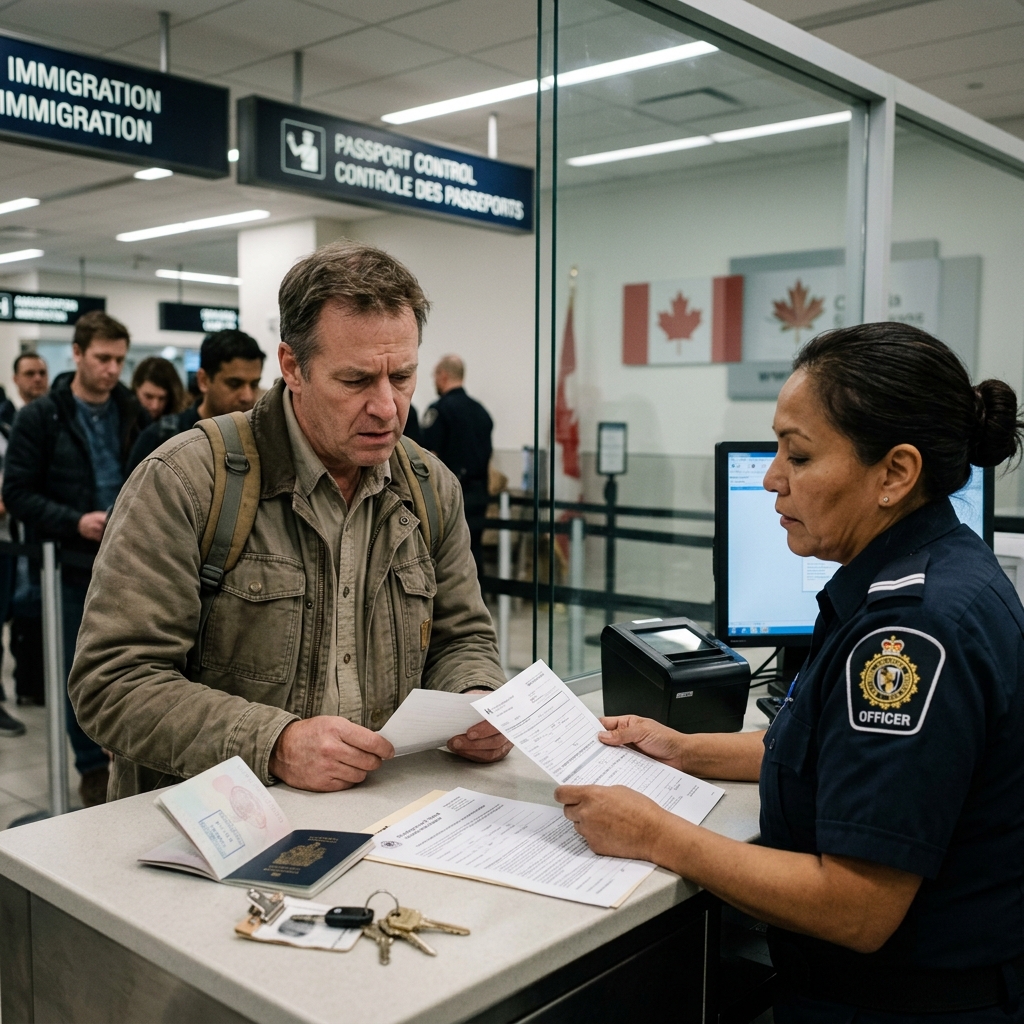
Having a criminal record can create serious obstacles when you try to visit Canada. Under Canadian immigration law, many foreign nationals with prior convictions are considered criminally inadmissible, meaning they can be refused entry at the border even for short trips. The good news is that Canada provides several legal mechanisms that may allow you to visit despite your past offense, if you meet specific criteria and prepare carefully.
This guide explains how criminal inadmissibility works, outlines the main legal pathways to overcome it, and offers practical steps you can take before you travel. It is information-focused and not legal advice; for complex situations, consult an immigration or criminal-defense lawyer familiar with Canadian law.
Understanding Criminal Inadmissibility in Canada
Canada treats foreign criminal history seriously. Whether you are coming for tourism, business, or family visits, border officers have the authority to refuse entry if your past conduct meets certain thresholds under the Immigration and Refugee Protection Act (IRPA).
What Does “Criminally Inadmissible” Mean?
You are considered criminally inadmissible if you have committed or been convicted of a crime that, when compared to Canadian law, would be an indictable offense, or if you have multiple less serious offenses. You do not always need a formal conviction to face inadmissibility; in some circumstances, the act itself can be enough if it would have been an indictable offense in Canada.
- Indictable offenses: More serious crimes under Canadian law (similar to felonies in some other systems).
- Summary offenses: Less serious crimes, but repeated summary offenses can still make you inadmissible.
- Multiple offenses: Having two or more summary offenses from separate incidents can trigger criminal inadmissibility.
Canada often treats offenses such as impaired driving (DUI), drug possession, theft, and violent crimes as potentially relevant to inadmissibility, depending on the details and Canadian legal equivalents.
Key Factors Border Officers Consider
Whether you are denied entry or allowed to proceed often depends on how your situation fits into Canadian law. Officers and immigration officials look at:
- Type of offense: How your offense translates into Canadian criminal law (indictable vs summary, level of seriousness).
- Number of offenses: A single old offense may be treated differently from repeated or multiple convictions.
- Time since completion of sentence: Most rehabilitation-based solutions require a minimum time to have passed after you completed all parts of your sentence.
- Subsequent behavior: Demonstrating that you have not re-offended and that you are unlikely to commit new crimes is crucial.
- Purpose of your visit: Strong reasons for travel (family, business, humanitarian) can matter when applying for temporary relief.
Because officers apply Canadian law rather than your home country’s definitions, it is important to understand how your record would be categorized in Canada before you travel.
Overview of Legal Pathways to Enter Canada
Even if you are criminally inadmissible, Canadian immigration rules provide several ways to potentially restore your ability to visit. The main mechanisms are:
- Deemed rehabilitation (automatic in limited situations).
- Individual criminal rehabilitation (formal application and approval).
- Temporary Resident Permit (TRP) for exceptional, time-limited access.
- Record suspension or pardon (Canadian or foreign, if recognized).
Each pathway serves a slightly different purpose. Some provide permanent relief, while others grant temporary permission for a single trip or limited period.
Deemed Rehabilitation: When Time and Good Conduct Work in Your Favor
Deemed rehabilitation is the least burdensome route, but it only applies in narrow circumstances. Under Canadian law, deemed rehabilitation means that enough time has passed since your offense, and your subsequent conduct shows you no longer pose a risk, so your past crime may no longer bar you from entering.
Who Can Qualify for Deemed Rehabilitation?
According to official guidelines, you may be deemed rehabilitated if:
- You have a limited number of offenses, often a single offense or only summary convictions.
- Enough years have passed since completion of all sentencing, including probation and fines.
- You have no further criminal activity on your record.
- The offense is not considered serious criminality under Canadian law.
For example, a person with one older conviction that equates to a less serious offense under Canadian law, who completed their sentence long ago and has not re-offended, may fall into this category. However, individuals with serious criminality or multiple indictable offenses generally cannot rely on deemed rehabilitation and must use other mechanisms.
How Deemed Rehabilitation Is Assessed
There is no separate application specifically called a “deemed rehabilitation request.” Instead, an immigration officer assesses whether you meet the criteria when you apply for a visa or when you present yourself at the border. To support your case, you should bring:
- Certified court records and proof of completion of all parts of your sentence.
- Evidence of clean police checks since the offense.
- Documents showing stable employment, community ties, or other markers of rehabilitation.
- A written explanation of your offense, the time elapsed, and your reasons for travel.
If the officer is satisfied that you meet the legal requirements, they may treat you as admissible even though you have a record.
Individual Criminal Rehabilitation: Permanent Relief After Five Years
When deemed rehabilitation does not apply, you may seek individual criminal rehabilitation. This is a formal application process that, if approved, can permanently resolve your criminal inadmissibility for the offenses covered.
Basic Eligibility Rules
You can usually apply for criminal rehabilitation if:
- At least five years have passed since you completed all elements of your sentence (including probation, fines, and any other conditions).
- At least five years have passed since you committed the act that made you inadmissible.
- You can demonstrate that you have been rehabilitated and are highly unlikely to commit further crimes.
Serious criminality and multiple indictable offenses require criminal rehabilitation rather than deemed rehabilitation, regardless of time elapsed.
What the Rehabilitation Application Involves
To request rehabilitation, you typically submit an application package to the appropriate Canadian visa office. The process involves:
- Completing the official rehabilitation form.
- Providing detailed information about the offense(s), sentencing, and completion dates.
- Submitting court documents, police certificates, and proof of payment of fines.
- Offering evidence of rehabilitation, such as references, employment records, and community involvement.
- Explaining why you wish to travel to Canada and how you have changed since the time of the offense.
Immigration authorities focus heavily on whether you are likely to re-offend. Showing stable living conditions, long-term law-abiding behavior, and positive contributions to society can be persuasive.
Effect of an Approved Rehabilitation
If your criminal rehabilitation is approved, the prior offenses covered by the decision no longer make you inadmissible. As long as you do not commit new crimes, you can travel to Canada without needing further temporary permits for the same convictions.
Temporary Resident Permit (TRP): Short-Term Access for Compelling Reasons
Some people cannot wait for rehabilitation or do not yet meet the five-year threshold. In these cases, a Temporary Resident Permit (TRP) can provide limited, practical relief. A TRP allows you to enter or remain in Canada temporarily, despite being inadmissible.
When a TRP May Be Appropriate
You may seek a TRP if:
- Less than five years have passed since completion of your sentence.
- You have a compelling reason to enter Canada (such as urgent family matters, important business, or significant humanitarian reasons).
- The benefits of your visit are deemed to outweigh the risk your presence might pose to Canadian society.
TRPs are discretionary. Even with strong documentation, there is no guarantee of approval, and you may receive a permit valid only for a specific visit or limited duration.
How TRPs Are Evaluated
When reviewing a TRP request, immigration officers consider:
- The seriousness of your offense and any pattern of criminal behavior.
- The time since the offense and any indications of rehabilitation.
- The purpose, length, and necessity of your trip.
- Public safety and security concerns.
A TRP is not a permanent solution. However, it can serve as a bridge until you are eligible to apply for rehabilitation or until sufficient time has passed for deemed rehabilitation to possibly apply.
Record Suspensions and Foreign Pardons
Another avenue to overcome inadmissibility is a record suspension (formerly called a pardon) or an equivalent measure from your home country. Canada recognizes certain suspensions as eliminating inadmissibility, provided they meet legal conditions.
Canadian Record Suspensions
If you were convicted of a crime in Canada, you may apply for a record suspension from the Parole Board of Canada. Once granted, a valid Canadian record suspension generally means you are no longer criminally inadmissible for that conviction.
| Feature | Record Suspension (Canada) |
|---|---|
| Issued by | Parole Board of Canada |
| Effect on inadmissibility | Relevant Canadian conviction usually no longer makes you inadmissible |
| Scope | Applies to specified Canadian offenses only; new crimes can create fresh inadmissibility |
Foreign Pardons or Discharges
If your conviction occurred outside Canada and you received a pardon, discharge, or similar remedy, its effect on Canadian admissibility is not automatic. You must check with the Canadian visa office responsible for your region to find out whether your foreign relief is recognized for immigration purposes.
Even when foreign pardons are not fully recognized, they can still serve as evidence of rehabilitation when you apply for individual criminal rehabilitation or a TRP.
Preparing to Travel: Practical Steps Before You Approach the Border
Planning ahead is essential for anyone with a criminal record who hopes to visit Canada. Border officials have broad powers, and last-minute discovery of your record can result in refusal of entry.
Documents You Should Gather
Before you apply for a visa, rehabilitation, or a TRP, assemble a thorough documentation package, including:
- Official court judgments and sentencing records.
- Proof of completion of all sentence components (probation discharge, fine receipts, etc.).
- Recent police certificates from your country of residence.
- Character references from employers, community leaders, or professionals.
- Evidence of stable employment, education, and community involvement.
- A detailed personal statement explaining your offense, rehabilitation, and reasons for travel.
Why Legal Advice Can Be Helpful
Because Canadian inadmissibility rules involve nuanced comparisons between foreign and Canadian criminal law, many travelers benefit from consulting legal counsel or reputable immigration specialists. Lawyers can:
- Review your criminal record and analyze how it translates under Canadian law.
- Assess whether deemed rehabilitation, individual rehabilitation, or a TRP is more appropriate.
- Help you compile a strong, well-organized application package.
- Advise you on realistic expectations about timing and chances of approval.
Advice is particularly important for serious criminality, multiple offenses, and situations where your record is complex or involves more than one jurisdiction.
Quick Comparison of Main Options
| Option | Purpose | Minimum Time Since Sentence Completion | Result |
|---|---|---|---|
| Deemed Rehabilitation | Automatic relief for limited, less serious or older offenses | Varies; generally several years plus clean record | Past offense may no longer bar entry; no separate application form |
| Individual Criminal Rehabilitation | Formal, permanent resolution of inadmissibility for specific offenses | At least 5 years | If approved, you are considered rehabilitated and admissible for those offenses |
| Temporary Resident Permit (TRP) | Short-term, discretionary permission to enter despite inadmissibility | No fixed minimum; must show compelling reason to travel | Time-limited access; does not erase underlying inadmissibility |
| Record Suspension / Pardon | Legal clearing or suppression of a criminal record | Varies by jurisdiction and program | Canadian suspensions can remove inadmissibility; foreign pardons may help if recognized |
Frequently Asked Questions
1. Can I enter Canada with a single old DUI on my record?
Impaired driving is treated seriously under Canadian law, and it can make you inadmissible even if the offense occurred many years ago. Depending on the facts, the passage of time, and your overall record, you may qualify for deemed rehabilitation or need to apply for criminal rehabilitation or a TRP. The specific outcome depends on how your offense is categorized under Canadian law and your current circumstances.
2. Do I need a conviction to be considered inadmissible?
No. Canada can treat certain acts themselves, if proven, as grounds for inadmissibility even without a foreign conviction, provided that the conduct would amount to an indictable offense in Canada. However, most travelers facing inadmissibility issues have formal convictions, which are usually documented and easier for officers to evaluate.
3. How long does it take to process a criminal rehabilitation application?
Processing times vary by visa office and case complexity. Official guidance indicates that such applications should be submitted well in advance of any planned travel, often several months or more, because officers must review court records, police checks, and rehabilitation evidence carefully. There is no guaranteed timeline, so you should avoid making non-refundable travel arrangements until you have a decision.
4. If my criminal rehabilitation is approved, can it be revoked?
Once granted, criminal rehabilitation is intended to provide lasting relief from inadmissibility for the offenses covered. However, new criminal activity can lead to fresh inadmissibility, and serious new offenses may override prior rehabilitation. Staying law-abiding after approval is critical.
5. Does a foreign pardon automatically restore my right to enter Canada?
Not necessarily. Foreign pardons and discharges do not automatically control Canadian immigration decisions. You must check with the Canadian visa office serving your region to see whether your foreign relief is recognized. Even if it is not, the pardon can still support a showing of rehabilitation in a TRP or criminal rehabilitation application.
Final Thoughts
Canada’s criminal inadmissibility rules are strict, but they are also structured and predictable when you understand the main pathways. By identifying how your record fits under Canadian law and using the appropriate mechanism—whether deemed rehabilitation, individual criminal rehabilitation, a Temporary Resident Permit, or a recognized record suspension—you can often find a lawful route to visit. Careful preparation, honest disclosure, and, where needed, professional legal guidance significantly improve your chances of crossing the border without unpleasant surprises.
References
- Overcome criminal convictions — Immigration, Refugees and Citizenship Canada (IRCC). 2023-04-05. https://www.canada.ca/en/immigration-refugees-citizenship/services/immigrate-canada/inadmissibility/overcome-criminal-convictions.html
- Can I travel to Canada with a criminal record? A guide to understanding criminal inadmissibility — CIC News. 2024-10-23. https://www.cicnews.com/2024/10/can-i-travel-to-canada-with-a-criminal-record-a-guide-to-understanding-criminal-inadmissibility-1047214.html
- Visiting Canada With a Criminal Record — Canadavisa.com. 2023-07-10. https://www.canadavisa.com/visiting-canada-with-a-criminal-record.html
- Travelling to Canada — Unlock (UK). 2022-11-15. https://unlock.org.uk/advice/travelling-canada/
- Can I enter Canada if I am criminally inadmissible? — Immigration, Refugees and Citizenship Canada (IRCC) Help Centre. 2023-05-19. https://ircc.canada.ca/english/helpcentre/answer.asp?qnum=142&top=25
Similar Articles








Read full bio of medha deb




