
Enhance Your Legal Workspace: Decor Strategies
Transform your law office or cubicle into a productive, professional, and client-friendly environment with expert decor tips.
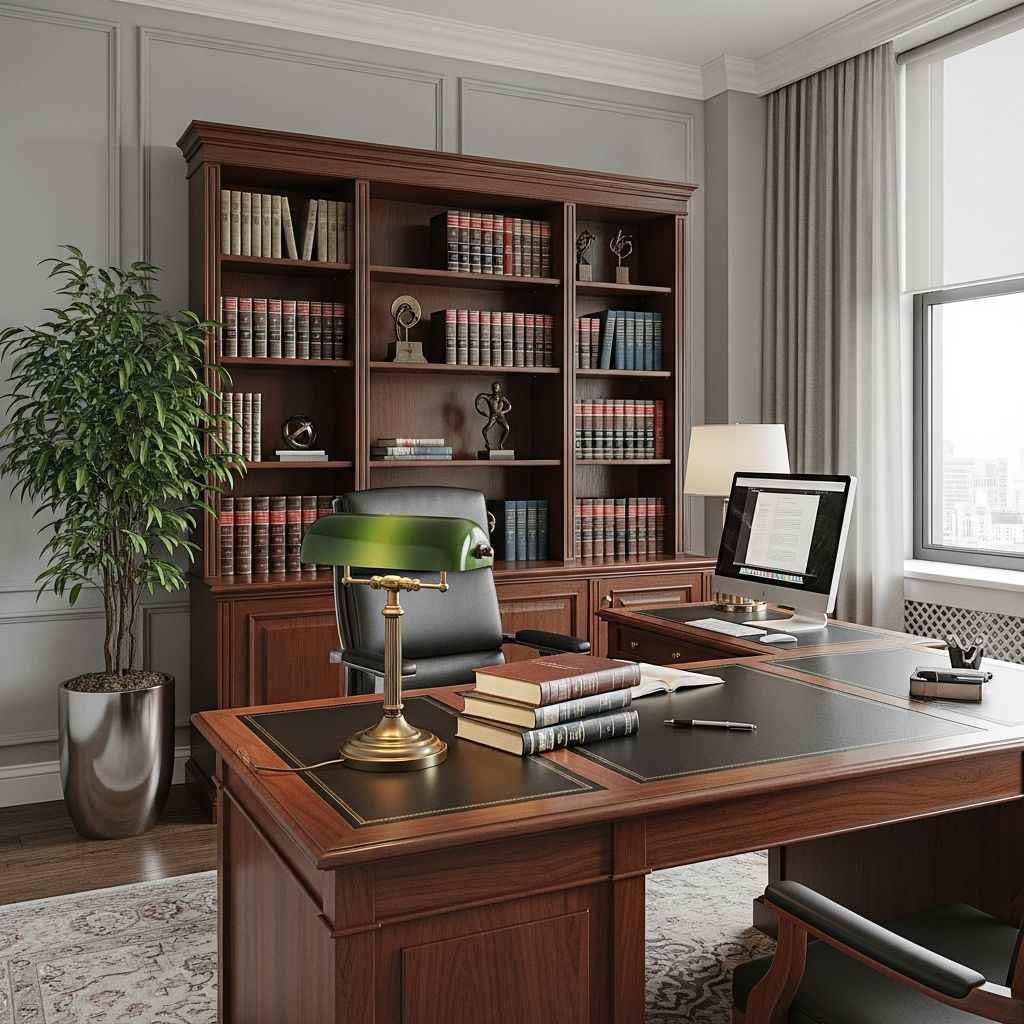
Your legal workspace, whether a private office or shared cubicle, shapes your daily productivity and client perceptions. Thoughtful decoration balances professionalism with personal comfort, fostering efficiency and trust. This guide offers original strategies drawn from design principles tailored for attorneys, ensuring your space reflects competence and approachability.
Establishing a Foundation of Order and Clarity
Begin with organization as the cornerstone of any effective legal decor plan. A cluttered desk signals disarray to clients and hampers your focus during case preparations. Prioritize functional storage to keep essential documents accessible yet hidden.
- Invest in labeled file cabinets or modular shelving units to categorize case files, briefs, and research materials.
- Use desk organizers for daily essentials like pens, notepads, and legal pads, reserving surface space for active work.
- Adopt digital tools where possible to minimize paper stacks, aligning with modern practices that reduce physical clutter.
Clear surfaces not only improve workflow but also create a welcoming atmosphere. Clients entering a tidy space feel reassured by your attention to detail, a trait essential in law.
Optimizing Illumination for Focus and Welcome
Lighting profoundly influences mood and efficiency in high-stakes legal environments. Natural light boosts alertness and vitamin D levels, while artificial sources must mimic it to prevent eye strain during long hours reviewing contracts or depositions.
| Lighting Type | Benefits for Legal Spaces | Implementation Tips |
|---|---|---|
| Natural | Enhances mood, reduces fatigue | Maximize windows with sheer curtains; position desk near light sources |
| Fluorescent/LED | Energy-efficient, eye-friendly | Install adjustable desk lamps; layer with overhead fixtures |
| Accent | Highlights decor, creates ambiance | Use warm-toned spotlights on artwork or bookshelves |
In cubicles, add personal task lights to counter dim communal areas. Proper illumination underscores your professionalism, making consultations more engaging.
Integrating Nature for Calm and Creativity
Plants introduce vitality, purifying air and softening the sterile feel of legal offices. Studies affirm their role in lowering stress, vital when handling contentious cases.
- Select low-maintenance varieties like snake plants or pothos, thriving in low light.
- Place them strategically: desk corners for focus, reception areas for client greeting.
- Rotate fresh flowers weekly to infuse color and fragrance without wilting distractions.
Greenery humanizes your space, signaling empathy—a key attorney trait—while boosting cognitive function for sharper legal analysis.
Curating Personal Yet Professional Accents
Infuse personality without compromising decorum. Subtle personal touches build rapport, helping clients view you as relatable amid legal complexities.
Display framed family photos in moderation, perhaps on a side table, to evoke warmth. Opt for abstract art or landscape prints over bold statements, maintaining sophistication. Textures like leather desk mats or wooden accents convey gravitas and durability, mirroring legal resilience.
For cultural heritage, incorporate neutral-toned weaves or metallic finishes sparingly. This balance ensures your space feels lived-in yet authoritative.
Strategic Furniture Choices for Functionality
Furniture must serve dual purposes: utility and aesthetics. In compact cubicles or solo offices, multi-use pieces maximize impact.
- Choose ergonomic chairs with client-friendly guest seating options.
- Select desks with built-in cable management to hide tech cords.
- Incorporate low-profile cabinets that double as room dividers for zoning.
Avoid oversized items; scale to your space. Comfortable seating for visitors fosters open dialogue during strategy sessions.
Color Schemes That Inspire Confidence
Colors influence psychology: blues promote trust, greens calm anxiety, neutrals ensure versatility. Steer from dark palettes that can feel oppressive.
| Color | Psychological Effect | Legal Application |
|---|---|---|
| Soft Blue | Trust, clarity | Walls or upholstery for consultation areas |
| Light Gray | Neutral, professional | Desks, carpets for clean lines |
| Earthy Green | Balance, growth | Accents via plants or cushions |
Test samples in your lighting conditions. Light schemes expand perceived space, ideal for cubicles, while adding warmth prevents sterility.
Zone Planning for Multi-Purpose Efficiency
Divide your workspace into distinct areas: work core, client meet, and respite. Partitions or rugs delineate without enclosing.
- Work zone: Desk facing away from distractions.
- Client zone: Paired chairs around a small table.
- Break zone: Compact bar or lounge for informal talks.
This setup streamlines transitions, enhancing flow from research to meetings.
Modern Trends Shaping Legal Interiors
Hybrid work drives airy, adaptable designs. Glass elements promote transparency, light woods replace heavy panels, fostering collaboration. These shifts project innovation, appealing to tech-savvy clients.
Incorporate flexible furnishings for remote integrations, like video screens in neutral mounts.
Frequently Asked Questions (FAQs)
What are the best plants for a low-light law office?
Snake plants, ZZ plants, and peace lilies excel in dim conditions, requiring minimal care while improving air quality.
How can I personalize my cubicle without breaking rules?
Use removable hooks for framed prints, desk trays for mementos, and LED strips for custom lighting within policy limits.
Should I use dark wood in my legal office?
Modern trends favor light woods for openness; reserve dark tones for accents to avoid dated heaviness.
How does decor impact client trust?
Inviting, organized spaces subconsciously signal reliability and care, easing client anxieties during consultations.
What’s a budget-friendly decor update?
Start with organization tools, thrifted frames, and potted plants—high impact with low cost.
Implementing these strategies elevates your legal workspace into a powerhouse of productivity and poise. Tailor to your style for lasting satisfaction.
References
- Workplace Design Trends for Legal Professionals — HOK. 2023-07-01. https://www.hok.com/news/2023-07/6-design-trends-for-the-legal-workplace/
- Interior Design Guidelines for Professional Offices — American Society of Interior Designers (ASID). 2024-02-15. https://www.asid.org/resources/office-design-professionals
- Effects of Biophilic Design on Workplace Productivity — Harvard T.H. Chan School of Public Health. 2022-11-10. https://www.hsph.harvard.edu/news/biophilic-design-productivity/
- Ergonomic Standards for Office Environments — Occupational Safety and Health Administration (OSHA). 2025-01-20. https://www.osha.gov/ergonomics/office
- Color Psychology in Professional Settings — Journal of Environmental Psychology (Peer-reviewed). 2023-05-12. https://doi.org/10.1016/j.jenvp.2023.101987
Similar Articles








Read full bio of Sneha Tete




