
Ending Leases in Pennsylvania: Tenant Options
Discover when Pennsylvania tenants can legally end rental agreements early, notice rules, and steps to avoid penalties.
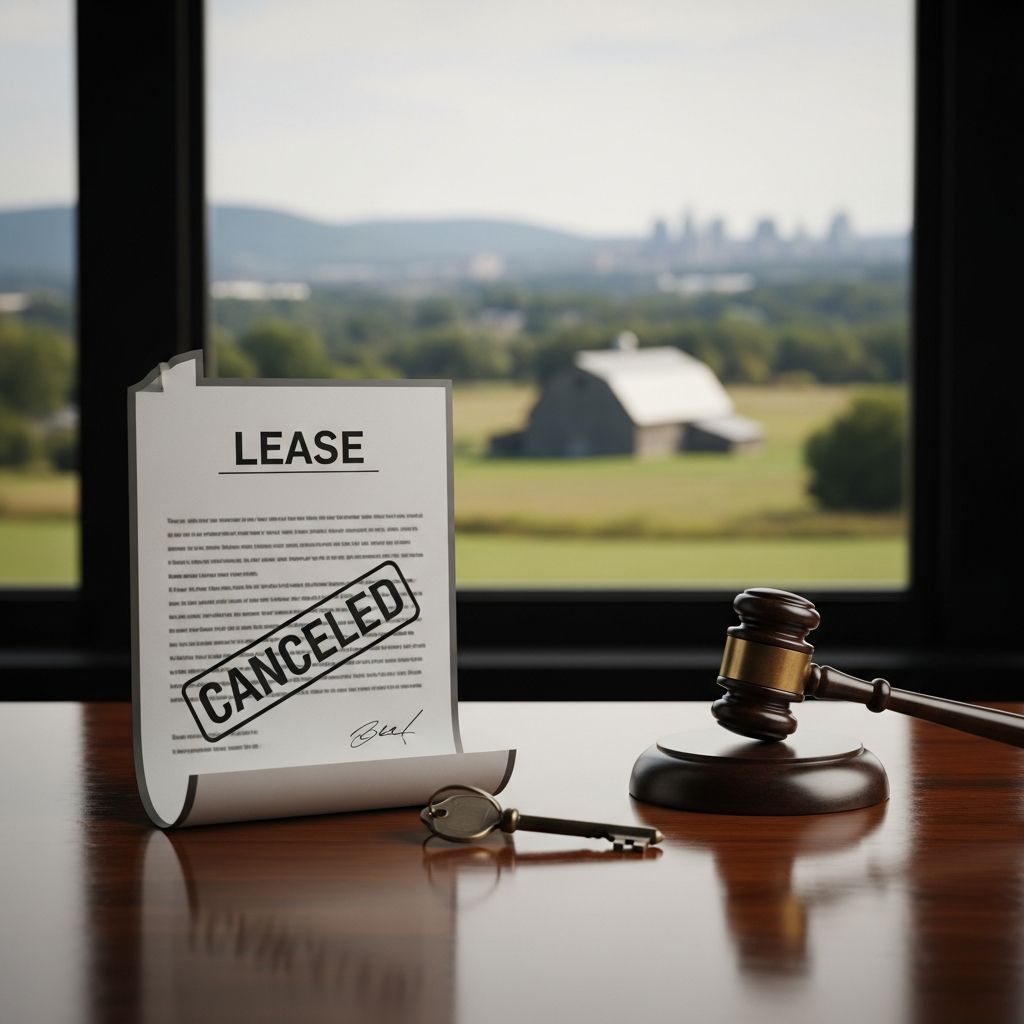
Pennsylvania rental laws provide tenants with defined pathways to terminate leases before the agreed term ends, particularly when facing serious habitability problems, military obligations, or domestic violence situations. These protections balance tenant rights against landlord interests, requiring proper notice and documentation to avoid financial repercussions.
Legal Foundations of Pennsylvania Rental Agreements
Rental contracts in Pennsylvania, whether month-to-month or fixed-term, establish mutual obligations under the Landlord and Tenant Act of 1951 (68 P.S. § 250.101 et seq.). Tenants commit to timely rent payments and property care, while landlords ensure safe, habitable conditions. Early termination disrupts this balance, but state law permits it under justified circumstances to safeguard tenant welfare.
Fixed-term leases typically run 12 months, automatically renewing to month-to-month unless renewed or terminated with notice. Month-to-month tenancies offer more flexibility, ending with shorter notices. Understanding these basics prevents unintended breaches.
Valid Reasons for Tenants to Terminate Early
Tenants cannot exit leases arbitrarily without liability; Pennsylvania law specifies protections for compelling reasons. Key scenarios include:
- Substandard Housing Conditions: If the rental violates health or safety codes—such as no heat, plumbing failures, or pest infestations—tenants may leave after notifying the landlord of repairs. Document issues with photos and inspection reports.
- Military Service Activation: Under the Servicemembers Civil Relief Act (SCRA), active-duty personnel can terminate with written notice, effective 30 days after the next rent due date.
- Domestic Violence or Harassment: Victims of abuse, including from landlords, qualify for early exit by providing protection orders or police reports.
- Landlord Privacy Breaches or Lease Violations: Unauthorized entries or failure to maintain the property as promised justify termination.
- Early Termination Clauses: Some leases include provisions allowing exit with fees (e.g., 1-2 months’ rent) and 30-day notice.
These grounds stem from statutory duties; uninhabitable units breach the implied warranty of habitability.
Required Notice Periods for Lease End
Pennsylvania mandates written notices with timelines based on lease length:
| Lease Type | Notice Period | Details |
|---|---|---|
| Month-to-Month | 15 days | Before period end. |
| 1-Year Lease | 15 days | End of term. |
| Over 1 Year | 30 days | For breaches or term end. |
| Nonpayment (Landlord to Tenant) | 10 days | Pay or quit. |
| Major Violations (Landlord) | 30 days | Unconditional quit. |
Deliver notices via certified mail or in-person with receipt. Military terminations follow SCRA: notice terminates 30 days post-next rent due.
Financial Implications of Premature Departure
Exiting early without legal grounds exposes tenants to:
- Remaining rent until lease end or re-rental.
- Security deposit forfeiture for damages or unpaid rent.
- Termination fees per lease terms, often 1-2 months’ rent.
Landlords must attempt reasonable re-rental efforts, reducing tenant liability to vacancy periods only. Courts enforce this mitigation duty. Negotiate replacements or sublets to minimize costs; document all agreements.
Landlord-Initiated Terminations: What Tenants Need to Know
Landlords can end tenancies for:
- Nonpayment: 10-day notice to pay or vacate.
- Violations: Damage, illegal acts, nuisances, or safety breaches prompt 15-30 day notices.
- No-Fault in Philly: Leases under one year require cause for non-renewal.
Evictions require court filings post-notice; self-help evictions (e.g., lockouts) are illegal.
Step-by-Step Guide to Lawful Termination
Follow these steps for compliance:
- Review Lease: Check clauses on early exit, notice, fees.
- Verify Grounds: Confirm legal basis with evidence (photos, reports).
- Draft Notice: State reasons, effective date, delivery method.
- Notify Landlord: Send certified; keep copies.
- Document Everything: Communications, conditions.
- Negotiate: Propose subtenants or buyouts.
- Handle Finances: Pay dues; request deposit accounting.
- Vacate Cleanly: Return keys, schedule walkthroughs.
- Seek Advice: Consult attorneys if disputed.
Philadelphia tenants have extra protections via Fair Housing Commission.
Common Pitfalls and Dispute Resolution
Avoid mistakes like verbal notices or ignoring mitigation. Disputes lead to small claims suits for rent/deposits. Tenants can countersue for wrongful withholding. Mediation via local housing authorities often resolves issues faster than court.
Frequently Asked Questions
Can I break my lease if the apartment has mold?
Yes, if it renders the unit uninhabitable; notify landlord first, document, and provide notice per law.
What if I’m deployed suddenly?
Military tenants qualify under SCRA with written notice; termination effective 30 days after next rent.
Does the landlord have to find a new tenant?
Yes, reasonable efforts required; you’re liable only until re-rented.
How soon must I get my security deposit back?
Within 30 days post-vacancy, with itemized deductions.
Is subletting allowed without permission?
No; requires landlord approval unless lease states otherwise.
Regional Variations and Resources
Pittsburgh and Philly have local ordinances; e.g., Philly bans no-cause evictions for short leases. Contact Pennsylvania Attorney General’s Bureau of Consumer Protection or local legal aid for free guidance.
(Word count: 1678)
References
- Breaking a Lease in Pennsylvania: Tenant and Landlord Rights — LeaseRunner. 2024. https://www.leaserunner.com/laws/breaking-a-lease-in-pennsylvania
- Tenant’s Right to Break a Rental Lease in Pennsylvania — Nolo. 2023-10-01. https://www.nolo.com/legal-encyclopedia/tenants-right-break-rental-lease-pennsylvania.html
- Lease Termination Attorney in Pittsburgh, Pennsylvania — Allegheny Attorneys. 2024. https://alleghenyattorneys.com/landlord-tenant-rights/lease-termination/
- Understanding the Laws: Breaking a Lease in Pennsylvania — Keyrenter Buxmont. 2023. https://www.keyrenterbuxmont.com/breaking-lease-pennsylvania
- Breaking a Lease in Pennsylvania – Know Your Rights — TrustArt Realty. 2024. https://trustartrealty.com/pennsylvania-breaking-lease
- Consumer Guide to Tenant and Landlord Rights — Pennsylvania Office of Attorney General. 2022-06-01. https://www.attorneygeneral.gov/wp-content/uploads/2022/06/OAG-Consumer-Guide-Tenant-Landlord-Rights-v.13-web-version.pdf
- Unfair Rental Practices — City of Philadelphia Fair Housing Commission. 2025. https://www.phila.gov/departments/fair-housing-commission/tenant-protections/unfair-rental-practices/
Similar Articles








Read full bio of Sneha Tete


