
Employers’ Legal Duty to Shield Workers from Extreme Cold
Understand how workplace safety laws, OSHA guidance, and practical controls combine to protect employees from dangerously cold working conditions.
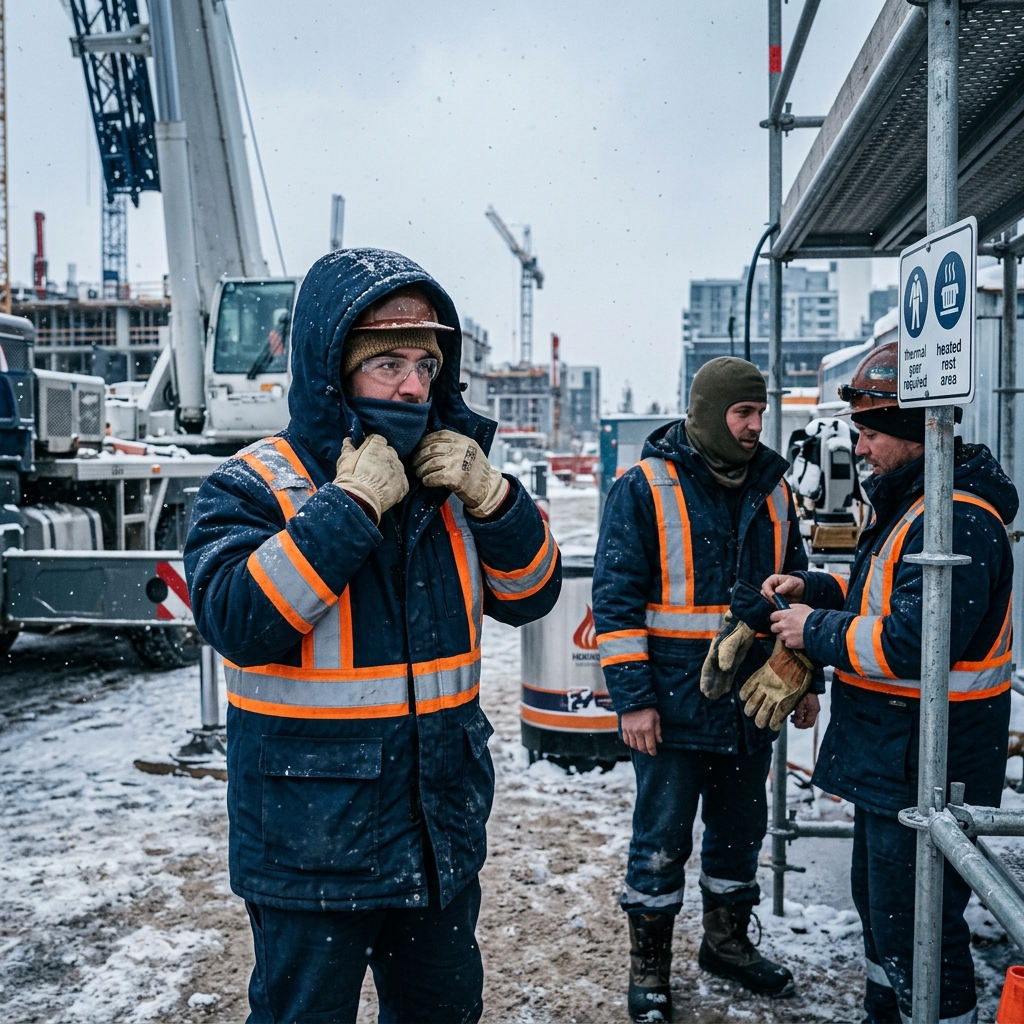
Dangerously low temperatures can turn routine work into a serious health and safety threat. For employers, exposure to extreme cold is not simply a seasonal inconvenience—it is a legally significant hazard that must be assessed, controlled, and monitored. When workers perform tasks outdoors or in inadequately heated indoor areas, employers have a duty under workplace safety laws to prevent cold-related injuries and illnesses such as hypothermia and frostbite.
This article explains how that duty works in practice: how cold stress develops, what OSHA and state agencies expect, which controls are most effective, and how employers can design a robust cold-weather safety program that protects people and reduces liability.
Understanding Cold Stress and Why It Matters Legally
Cold stress occurs when the body can no longer maintain a normal core temperature because of exposure to cold air, wind, moisture, or contact with cold surfaces. As body heat is lost faster than it can be replaced, workers become more vulnerable to severe conditions such as:
- Hypothermia (dangerous drop in core body temperature)
- Frostbite (freezing of skin and underlying tissues)
- Trench foot and other immersion injuries caused by wet and cold conditions
From a legal perspective, these conditions matter because they are reasonably foreseeable hazards in many industries, and regulators expect employers to anticipate them. OSHA’s winter-weather guidance specifically warns employers to track wind chill, monitor workers, and plan work to reduce cold stress risk.
Common Work Settings with Elevated Cold Exposure
While any worker can be affected by a sudden cold snap, certain jobs consistently involve high exposure to low temperatures:
- Construction, road and bridge work, and utility line repair
- Snow removal, landscaping, and grounds maintenance
- Oil and gas, mining, and outdoor industrial operations
- Warehouse or manufacturing work in unheated or refrigerated spaces
- Public works crews and transportation workers dealing with winter storms
Because these exposures are predictable, regulators and courts will look closely at whether the employer had an appropriate program in place to manage cold stress.
The Legal Framework: OSHA’s General Duty and Winter Guidance
In the United States, employers must provide a workplace “free from recognized hazards” that can cause death or serious physical harm. That obligation, known as the General Duty Clause, applies to cold stress risks even though OSHA does not have a single comprehensive cold-weather standard.
Key OSHA Expectations for Cold Conditions
OSHA’s winter weather cold stress materials outline what regulators expect employers to do when workers are exposed to low temperatures. Core expectations include:
- Recognize the hazard: Understand how temperature, wind, moisture, and duration of exposure interact to create risk.
- Monitor wind chill: Use local weather data or onsite instruments to gauge effective temperature.
- Plan work schedules: Arrange tasks to occur during the warmest part of the day where possible.
- Provide warm breaks: Offer frequent short breaks in warm, dry areas so workers can rewarm safely.
- Use the buddy system: Require work in pairs so warning signs of cold stress are seen quickly.
- Provide warm, sweet beverages: Supply nonalcoholic hot drinks to help maintain body heat.
- Implement engineering controls: Use equipment such as radiant heaters or windbreaks where feasible.
While these are guidance points rather than strict numeric standards, they illustrate how OSHA may evaluate whether an employer took reasonable steps to control a cold hazard.
State-Level Guidance and Its Role
Some state labor departments issue detailed advisory documents that, while not always legally binding, strongly influence enforcement expectations. For example, the New York State Department of Labor guidance on extreme cold urges employers to limit time in the cold, provide frequent breaks in warm areas, acclimatize workers to cold, and maintain written plans for rest, training, and emergency response.
For employers operating in multiple jurisdictions, it is prudent to adopt the most protective guidance among applicable states as a baseline standard for company policy.
Building a Comprehensive Cold-Weather Safety Program
A strong cold-weather program combines engineering controls, administrative practices, personal protective equipment (PPE), training, and emergency planning. These elements should be tailored to specific tasks and locations, then documented to demonstrate due diligence.
Step 1: Conduct a Cold Exposure Hazard Assessment
Employers should begin with a systematic assessment of where and how workers encounter cold exposure. Modern cold-weather safety guidance recommends:
- Review tasks and environments with potential cold exposure, both outdoors and indoors.
- Identify high-risk groups such as snow removal teams, outdoor utility crews, or workers in minimally heated structures.
- Evaluate physical demands, duration of exposure, and the presence of water, ice, or wind.
- Consider individual risk factors such as certain medical conditions that increase susceptibility to cold stress.
Findings from this assessment should feed directly into the company’s written cold-weather plan.
Step 2: Engineering and Environmental Controls
Engineering controls change the physical environment to reduce exposure. Examples include:
- Installing radiant heaters near workstations
- Using windbreaks, barriers, or temporary shelters
- Improving insulation or sealing drafts in indoor workspaces
- Ensuring access to heated vehicles or break rooms
These measures are particularly important where work cannot be rescheduled and exposure is sustained.
Step 3: Administrative Controls and Work Organization
Administrative controls alter work practices and schedule. Effective strategies include:
- Work-rest cycles: Shorten work periods and increase warm breaks as temperatures fall.
- Scheduling: Plan labor-intensive tasks during the warmest part of the day when feasible.
- Buddy system: Require workers in cold conditions to operate in pairs for mutual monitoring.
- Acclimatization: Gradually introduce workers to cold environments, particularly at the beginning of winter or after absences.
- Work rotation: Rotate staff out of the harshest conditions to reduce continuous exposure.
Step 4: Personal Protective Equipment (PPE) and Clothing
Proper clothing and PPE are essential defenses against cold stress. OSHA guidance and safety organizations emphasize layered clothing and insulated extremity protection.
| Body Area | Recommended Protection | Purpose |
|---|---|---|
| Torso and limbs | Three loose-fitting layers: moisture-wicking inner, insulating middle, wind/water-resistant outer. | Controls moisture, traps heat, and shields from wind and rain. |
| Head and face | Hat or hood, and face covering or knit mask in severe conditions. | Reduces heat loss from the head and protects exposed skin. |
| Hands | Insulated, preferably water-resistant gloves; mittens in very low temperatures. | Prevents frostbite and preserves dexterity. |
| Feet | Waterproof, insulated boots with sweat-wicking socks and sufficient room for circulation. | Protects against frostbite and immersion injuries, maintains circulation. |
Employers are responsible for ensuring that required PPE is provided, properly fitted, and maintained. Workers should be trained on how to layer clothing effectively and keep garments dry.
Step 5: Training and Communication
Training is a central component of legal compliance and practical prevention. Leading guidance recommends that employers provide cold-weather training that covers:
- Basic cold stress concepts and health risks
- Recognition of early and advanced symptoms in oneself and coworkers
- Proper dressing, layering, and the importance of staying dry
- Use of engineering controls, safe work practices, and PPE
- Emergency response steps if someone shows signs of hypothermia or frostbite
- Reporting procedures and the employer’s expectations for stopping unsafe work
Training should be delivered before the onset of extreme cold and refreshed at least annually for outdoor workers and supervisors.
Step 6: Monitoring, Documentation, and Continuous Improvement
Employers should actively monitor both environmental conditions and workers’ physical status, then document what they do. A modern cold-weather plan typically includes:
- Tracking temperature, wind speed, and other relevant metrics during cold spells
- Maintaining records of hazard assessments, training sessions, and break schedules
- Documenting incidents and near misses related to cold exposure
- Reviewing the program annually or when tasks, locations, or equipment change
Good documentation demonstrates that the employer took reasonable steps to protect workers and can be valuable in inspections or claims arising from cold-related incidents.
Supporting Worker Health: Hydration, Nutrition, and First Aid
Cold safety is not solely about clothing and schedules. Worker health practices and readiness to respond are also important parts of the employer’s duty of care.
Hydration and Nutrition in Cold Environments
Even in cold conditions, workers can become dehydrated, and dehydration can accelerate heat loss and impair judgment. State guidance urges employers to encourage workers to drink water regularly, even if they do not feel thirsty. OSHA also recommends warm, sweet beverages and regular snacks to sustain energy.
- Provide nonalcoholic warm drinks (such as tea, cocoa, or soup).
- Make water easily available at all cold-weather worksites.
- Encourage regular snacking to maintain energy levels.
Cold-Weather First Aid Preparedness
Worksites should be equipped to respond quickly to signs of cold stress. Best practices include:
- Stocking first aid kits with thermometers, chemical hot packs, and spare clothing.
- Providing blankets or emergency wraps in vehicles and work shelters.
- Training staff on how to safely rewarm someone with suspected hypothermia.
- Ensuring clear routes for emergency medical response if conditions worsen.
These steps demonstrate preparedness and can be critical in preventing minor symptoms from becoming life-threatening emergencies.
Frequently Asked Questions (FAQs)
Do employers have a legal obligation to address cold stress?
Yes. Even without a single detailed cold-weather standard, OSHA’s General Duty Clause requires employers to protect workers from recognized hazards, which includes cold stress in many industries. Failure to address these risks can lead to enforcement actions and liability when injuries occur.
Is there a specific temperature at which work must stop?
OSHA does not set a universal cutoff temperature, but emphasizes evaluating wind chill, moisture, workload, and exposure duration. Many safety programs use tiered responses—such as increased break frequency and enhanced PPE—as temperatures fall, and may suspend nonessential work in extreme conditions.
Who pays for cold-weather PPE?
Where PPE is required for safety, regulators generally expect employers to provide it at no cost, ensure proper fit, and maintain it. That includes items like insulated gloves, waterproof boots, and face protection when they are necessary to protect against cold stress.
How often should cold-weather training be provided?
Best practice is to train outdoor workers and supervisors annually and before periods of extreme cold exposure. Additional training may be required when tasks, locations, or equipment change or when incident investigations reveal knowledge gaps.
What documentation should be kept for a cold-weather program?
Employers should keep records of hazard assessments, training content and attendance, environmental monitoring, break schedules, PPE issuance, and any cold-related incidents or corrective actions. Such documentation helps demonstrate compliance and informs improvements to the program.
References
- Winter Weather – Cold Stress — Occupational Safety and Health Administration (OSHA). 2024-01-10. https://www.osha.gov/winter-weather/cold-stress
- Protecting Outdoor Workers from Extreme Cold (P196) — New York State Department of Labor. 2025-01-01. https://dol.ny.gov/system/files/documents/2025/01/p196-cold-weather-guidance.pdf
- What Are the 2025 OSHA Cold Weather Safety Rules? — Kestrel Instruments. 2025-02-15. https://kestrelinstruments.com/blog/what-are-the-2025-osha-cold-weather-safety-rules
- OSHA’s Cold Stress Guide — SMART Union. 2023-12-01. https://www.smart-union.org/oshas-cold-stress-guide/
- 8 Tips To Protect Employees From Cold Stress — Liberty Safety. 2023-11-20. https://www.libertysafety.com/safety-blog/other/8-tips-to-protect-employees-from-cold-stress/
- Help employees stay safe and healthy in cold weather — Chubb. 2024-01-05. https://www.chubb.com/us-en/businesses/resources/help-employees-stay-safe-and-healthy-in-cold-weather.html
- For Preventing Cold Stress in Workers, Training is Key — Grimes Teich Anderson LLP. 2023-12-15. https://www.grimesandteich.com/for-preventing-cold-stress-in-workers-training-is-key/
Similar Articles








Read full bio of medha deb




