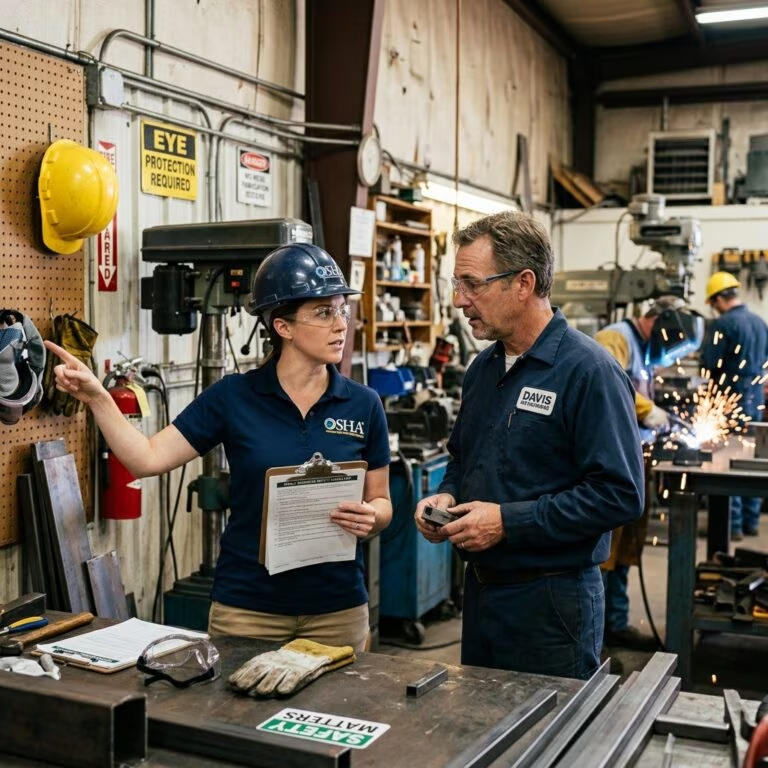
Modern organizations are expected not only to pay wages and manage performance, but also to provide a workplace that is genuinely safe, healthy, and accessible for all workers. Under U.S. law, employers must meet specific obligations related to physical facilities, safety procedures, training, and reporting so that employees can perform their jobs without facing unreasonable risks of injury or illness. This article explains those responsibilities in clear, practical terms and highlights how employers can align their facilities and practices with applicable legal standards.
Why Safe Workplace Facilities Are a Legal Requirement
Workplace safety and health in most private-sector jobs are governed by the Occupational Safety and Health Act (OSH Act), which is administered and enforced by the Occupational Safety and Health Administration (OSHA). The OSH Act imposes a general duty on covered employers to provide a work environment free from recognized hazards that can cause death or serious physical harm. This duty applies both to the physical facilities employees use and to the way work is organized.
Beyond OSHA, various federal and state laws regulate aspects such as sanitation, access to drinking water, restroom and break facilities, protection of young workers, and the handling of workplace injuries. Failing to meet these obligations can lead to regulatory penalties, civil liability, and reputational harm, but more importantly, it puts employees at risk of preventable harm.
- OSHA standards set minimum requirements for safety and health practices.
- State safety plans may impose additional obligations on employers.
- Youth employment rules restrict the types of work and hours for employees under 18.
Core Legal Duties: The Foundation of Employer Responsibility
At the heart of workplace safety in the U.S. is the OSH Act’s general duty clause, which requires employers to keep work areas free from serious recognized hazards. To meet this obligation, employers are expected to systematically identify risks and implement effective controls.
| Duty | Practical Implication |
|---|---|
| Provide hazard-free workplace | Remove or control known risks of serious harm, such as unsafe machinery or toxic substances. |
| Comply with OSHA standards | Follow specific regulations for areas like fall protection, respiratory protection, machine guarding, and recordkeeping. |
| Maintain safe tools and equipment | Ensure equipment is properly installed, inspected, and repaired before use. |
| Inform and train workers | Provide safety training, operating procedures, and hazard information so workers can protect themselves. |
| Report serious incidents to OSHA | Notify OSHA promptly when a fatality or specified serious injury occurs. |
| Keep injury and illness records | Maintain logs of work-related incidents for regulatory and prevention purposes. |
These legal duties shape how employers design facilities, purchase equipment, schedule work, and respond to incidents. They also define basic expectations for employees, who have the right to a safe workplace and access to safety information.
Physical Facilities and Environmental Conditions
Safe working environments begin with appropriate, well-maintained facilities. The physical setting should support workers’ basic needs and minimize exposure to hazards. While specific requirements vary by industry, several facility features are commonly addressed in safety regulations and guidance.
Sanitary Restrooms and Washing Facilities
Employees must have access to clean and adequate restroom facilities relative to workforce size and gender, along with handwashing stations where hygiene is important—especially in food handling, healthcare, and laboratory environments. Maintaining these facilities is essential for controlling disease transmission and meeting general health standards.
- Restrooms should be regularly cleaned and supplied with soap and drying materials.
- Facilities need to be accessible, including reasonable proximity to work areas.
- Where exposure to harmful substances is possible, eyewash stations or emergency showers may be required.
Potable Water and Break Areas
Providing potable (safe to drink) water is a basic employer responsibility. Workers performing physically demanding tasks or working in hot environments are at particular risk if hydration is inadequate.
- Water supply must be safe and regularly tested where contamination is a concern.
- In hot environments, water breaks and shaded or cooled rest areas help prevent heat-related illness.
- Designated break rooms should be reasonably clean, free of contamination, and not located in hazardous areas.
Ventilation, Lighting, and Noise Control
Work environments should support comfortable and safe air quality, visibility, and controllable noise levels. These factors significantly influence employee health, concentration, and long-term risk of illnesses.
- Ventilation: Adequate airflow reduces exposure to dust, fumes, and vapors, especially where chemicals or machinery are used.
- Lighting: Sufficient and properly positioned lighting is needed to prevent accidents and eye strain.
- Noise: In loud environments, employers may be required to monitor noise levels and provide hearing protection as part of a hearing conservation program.
Safe Tools, Machines, and Materials
Beyond facility layout, employers must ensure that tools, machinery, and materials do not expose workers to undue risk. OSHA standards cover topics such as machine guarding, electrical safety, and personal protective equipment (PPE).
Employers are expected to:
- Install and maintain safety guards on machinery to prevent contact with moving parts.
- Keep electrical systems properly grounded and free of damage.
- Provide PPE such as gloves, helmets, eye protection, and respiratory protection when hazards cannot be eliminated.
- Use labels, signs, or color codes to warn workers about danger zones and hazardous materials.
In many workplaces, hazard communication standards also require employers to maintain safety data sheets (SDS) and ensure employees are informed about the risks of chemicals they handle. Training on safe handling, storage, and disposal of materials is integral to keeping facilities compliant and workers safe.
Information, Training, and Operating Procedures
Physical facilities alone cannot guarantee safety. Employers must also provide clear information and training so workers understand how to operate equipment and respond to potential hazards.
Safety Training Requirements
According to OSHA and related guidance, employers have a duty to train employees regarding workplace hazards, safe work practices, and emergency procedures. Effective training should be tailored to the specific tasks and risks in the workplace.
- New-hire orientation should cover basic safety rules, emergency exits, and reporting procedures.
- Task-specific training is required for specialized activities such as operating forklifts, working at heights, or handling hazardous chemicals.
- Refresher training may be needed after incidents, when new equipment is introduced, or when procedures change.
Employers must ensure employees can understand the information provided, which may require training in multiple languages or alternative formats.
Written Procedures and Safety Communication
Safety expectations should be reflected in written operating procedures and communicated consistently. Employers are expected to develop and update procedures and make them accessible to employees.
- Written instructions for equipment operation and maintenance help standardize safe practices.
- Emergency response plans should outline steps for fire, chemical spills, severe weather, and other critical events.
- Posting OSHA information, including the official OSHA poster, informs workers of their rights and responsibilities.
Incident Reporting, Recordkeeping, and Regulatory Notifications
When injuries and illnesses occur, employers must handle them in a way that supports worker recovery and legal compliance. Proper reporting and recordkeeping are central to this obligation.
Internal Reporting and Investigation
Employers should encourage employees to report unsafe conditions and incidents promptly, without fear of retaliation. Once an issue is reported, management should investigate causes and implement corrective measures.
- Document the time, location, and circumstances of each incident.
- Identify contributing factors such as equipment failure, inadequate training, or environmental conditions.
- Modify procedures, equipment, or facility layout as needed to prevent recurrence.
OSHA Reporting and Recordkeeping Obligations
Under federal rules, employers must report certain serious incidents to OSHA within specified time frames. They are also required, with some exemptions for small or low-hazard employers, to keep records of work-related injuries and illnesses.
- Fatalities must be reported to OSHA within hours.
- Serious incidents such as hospitalizations, amputations, or loss of an eye must be reported within established time limits.
- OSHA recordkeeping rules require maintaining logs and summaries that may be reviewed during inspections.
Accurate records allow employers and regulators to identify patterns, address systemic issues, and evaluate whether safety programs are effective.
Employee Rights and Anti-Retaliation Protections
Employees are not passive recipients of safety policies; they have rights to raise concerns, access information, and seek assistance if conditions are unsafe. These rights are protected by law.
Key Employee Safety Rights
- Right to a safe workplace: Employees are entitled to work in an environment free from recognized serious hazards.
- Right to report unsafe conditions: Workers can report hazards internally or to OSHA without facing lawful retaliation.
- Right to safety information: Employees may access records of injuries, hazard warnings, safety data sheets, and required postings.
When employees believe conditions are unsafe, they may complain to OSHA or, in some circumstances, refuse dangerous work. Employers must not retaliate by firing, demoting, or otherwise punishing workers for raising good-faith safety concerns.
Special Considerations: Young Workers and High-Risk Industries
Certain groups of workers and industries require additional safeguards. Federal law recognizes that young workers and those in high-risk sectors face unique vulnerabilities.
Protection of Young Workers
The Fair Labor Standards Act (FLSA) regulates child labor and sets minimum age, work hours, and permissible job types for employees under the age of 18. These rules are designed to protect youth from dangerous tasks and excessive work schedules that could harm their health or interfere with schooling.
- Minimum age restrictions apply to many types of employment.
- Youth may be prohibited from operating certain hazardous equipment or working in high-risk environments.
- Limits on work hours prevent excessive fatigue and health impacts.
High-Risk Sectors and Specialized Regulation
Mining is an example of a sector with a dedicated safety law: the Mine Safety and Health Act is administered by the Mine Safety and Health Administration (MSHA) and provides specific protections for mine workers. Other industries, such as construction and healthcare, are subject to targeted OSHA standards that address sector-specific hazards.
Employers in these fields must be particularly vigilant about safety, often implementing advanced monitoring, specialized PPE, and rigorous training to address elevated risk levels.
Best Practices for Building a Culture of Safety
Legal compliance is the minimum standard; leading organizations go further by embedding safety and health into everyday decision-making. A strong safety culture improves morale, reduces turnover, and helps prevent costly incidents.
- Leadership commitment: Senior managers should visibly support safety initiatives, allocate resources, and hold themselves accountable.
- Employee involvement: Workers are often closest to hazards and can contribute practical solutions when invited to participate.
- Continuous improvement: Regular safety audits, incident reviews, and feedback loops drive ongoing refinement of policies and facilities.
- Clear communication: Plain-language policies, consistent messaging, and open channels for questions and reports foster trust.
- Integration with HR processes: Recruitment, onboarding, performance management, and discipline should all reinforce safety expectations.
Organizations that treat safety as a core business value—rather than merely a compliance task—are better positioned to protect employees and maintain resilient operations.
Frequently Asked Questions (FAQs)
1. What is the general duty clause and how does it affect employers?
The general duty clause is a key provision of the OSH Act requiring employers to provide a workplace free from recognized hazards that could cause death or serious physical harm. It means that even when no specific OSHA standard applies, employers must still identify and address serious risks in their facilities and work processes.
2. Do all employers have to keep OSHA injury and illness records?
Most employers covered by OSHA must maintain records of work-related injuries and illnesses, subject to certain exemptions for small employers and specified low-hazard industries. Even when formal recordkeeping is not required, it remains best practice to document incidents to support prevention efforts and internal review.
3. Can employees be disciplined for refusing unsafe work?
Workers generally have the right to raise safety concerns and, in some situations, refuse work they reasonably believe poses an imminent danger. Employers may not lawfully retaliate against employees for making good-faith safety complaints, and improper discipline could lead to legal consequences.
4. What should employers do immediately after a serious incident?
After ensuring medical attention for affected workers, employers should secure the area, document the incident, investigate causes, and implement corrective actions. Serious incidents must be reported to OSHA within designated timeframes, such as within hours for fatalities and within set hours for certain major injuries.
5. How do state plans and agencies fit into workplace safety enforcement?
While OSHA oversees safety for most private-sector workers, some states operate OSHA-approved plans that may impose additional requirements and conduct inspections. State labor departments and related agencies often provide guidance, training resources, and enforcement for local safety laws.
References
- Workplace Safety and Health — U.S. Department of Labor. 2023-06-15. https://www.dol.gov/general/topic/safety-health
- Laws and Regulations — Occupational Safety and Health Administration (OSHA). 2024-02-01. https://www.osha.gov/laws-regs
- Workplace Safety Regulation: Connecticut Workplace Safety Guide — Connecticut Department of Labor / NGWA. 2016-01-01. https://www.ngwa.org/docs/default-source/default-document-library/affiliate-organizations/41267-connecticut-workplace-safety-guide.pdf
- Workplace Safety Regulations: Your Rights as a NYC Employee — Lipsky Lowe LLP. 2022-05-01. https://lipskylowe.com/workplace-safety-regulations-your-rights-as-a-nyc-employee/
- Health & Safety Regulations: Protection Requirements & Acceptable Risk (Video Lesson) — Study.com. 2021-09-10. https://study.com/academy/lesson/video/health-safety-regulations-protection-requirements-acceptable-risk.html
- Safety and Health — New York State Department of Labor. 2023-03-20. https://dol.ny.gov/safety-and-health
- Workplace Safety — State of Connecticut. 2022-11-01. https://portal.ct.gov/Services/Jobs-and-Employment/Employee-Rights/Workplace-Safety