
Employee Security Essentials for International Business Travel
Practical legal, safety, and data protection strategies employers should use to safeguard staff traveling overseas for work.
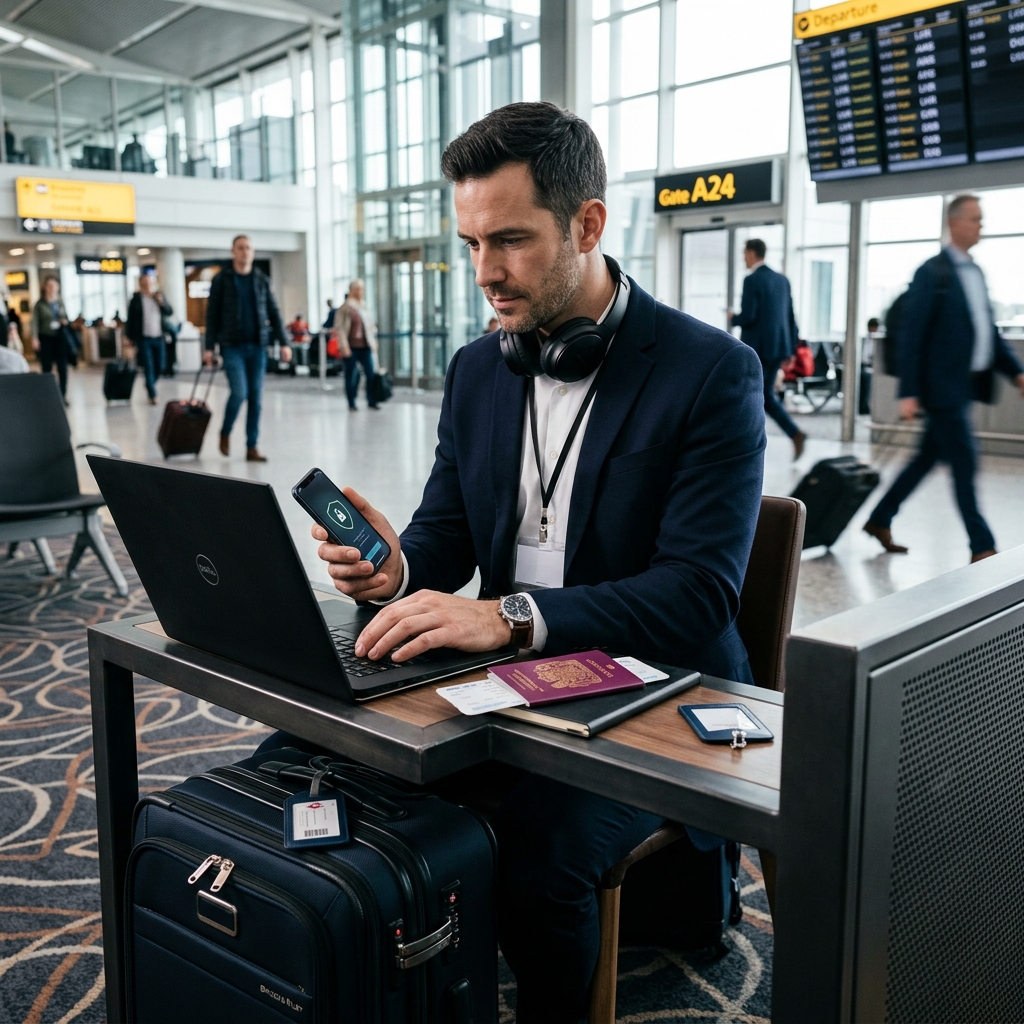
International business travel exposes employees and their organizations to a distinct mix of legal, physical, and cybersecurity risks. From local crime patterns and political instability to customs inspections of laptops and data privacy laws, employers must approach overseas travel as a structured risk-management task rather than a routine administrative detail. This article outlines how organizations can protect their workforce, safeguard confidential information, and remain compliant with applicable laws whenever staff travel abroad for work.
Understanding Employer Duty of Care in Cross-Border Travel
In most jurisdictions, employers have a duty of care to take reasonable steps to protect employees from foreseeable harm during work activities, including international trips. While specific standards vary by country, the underlying expectation is that organizations actively assess risks and implement appropriate control measures.
Key elements of duty of care commonly include:
- Risk assessment for the destination, itinerary, and planned work activities.
- Reasonable safety measures such as training, secure transportation, and vetted accommodations.
- Emergency preparedness including contact protocols and access to medical support.
- Compliance with local laws on health, safety, and data protection.
Failure to address these responsibilities can expose organizations to reputational damage, regulatory enforcement, and potential civil claims if employees are harmed in situations that reasonable planning could have mitigated.
Pre-Trip Planning: Building a Security-Focused Travel Program
Effective employee security starts long before anyone boards a plane. A structured travel program makes safety processes predictable and auditable, rather than ad hoc. Many organizations formalize their approach through written policies and accompanying training.
Core Components of a Secure Travel Policy
A robust policy should clearly outline responsibilities for both employer and employee. Consider including:
- Destination risk classification (low, medium, high) and related protocols.
- Approval requirements for travel to elevated-risk locations.
- Minimum preparation steps, such as health checks, insurance verification, and security briefings.
- Data protection rules for devices, cloud services, and confidential files carried abroad.
- Incident reporting procedures for theft, assault, harassment, natural disasters, and cybersecurity events.
Pre-Travel Briefings and Training
Employees should receive destination-specific guidance that moves beyond generic safety advice. Topics may include:
- Current security advisories and travel alerts from official sources.
- Local crime trends and known fraud schemes targeting visitors.
- Cultural norms and behaviors that reduce the risk of conflict or unwanted attention.
- Rules on protests, mass gatherings, and political activity, especially in unstable environments.
- How to access local emergency services and consular support if needed.
| Area | Employer Actions |
|---|---|
| Risk assessment | Review official travel advisories; classify risk level; decide on extra controls for high-risk destinations. |
| Health and insurance | Confirm medical coverage, emergency evacuation benefits, and any required vaccinations or prophylaxis. |
| Data security | Approve which devices may be taken; enforce encryption and strong authentication; provide guidance on customs inspections. |
| Accommodation and transport | Book vetted lodging; arrange secure airport transfers; require reputable transport providers. |
| Emergency response | Share 24/7 contact channels; document escalation paths; ensure employees know local emergency numbers. |
Physical Safety: Protecting Employees on the Ground
While each destination presents unique risks, certain physical security principles apply broadly. Employers should encourage behaviours that reduce exposure to crime, accidents, and major incidents, particularly when employees are unfamiliar with local conditions.
Transport and Movement
Travel between airports, hotels, and work sites is often when employees are most vulnerable. Recommended practices include:
- Pre-arranged transport using vetted or company-approved providers, especially at arrival.
- Avoiding unlicensed vehicles and informal ride arrangements.
- Limiting night travel where road safety or crime is a concern.
- Seat belt use and adherence to local traffic laws to reduce accident risks.
For destinations with elevated risk, organizations may consider additional measures such as using drivers trained in protective driving and adjusting itineraries to avoid known hotspots.
Accommodation and Personal Security
Employees should stay in lodging that meets basic safety standards and allows them to respond effectively in an emergency. Employers can provide guidance and, where possible, centralize bookings to maintain control over standards.
Important points include:
- Choosing modern, well-maintained hotels with visible security and clear emergency exits.
- Requesting rooms on intermediate floors, which some safety guidance suggests may balance evacuation ease and security.
- Using in-room safes for passports and backup payment methods, while keeping critical work devices under direct control whenever feasible.
- Checking the location of fire alarms, extinguishers, and exit routes upon arrival.
Situational Awareness and Public Behaviour
Employees should know how everyday conduct can affect their security. Recommended behaviours typically include:
- Keeping valuables out of sight and avoiding obvious signs of wealth.
- Maintaining awareness of surroundings, especially in crowded or tourist-heavy areas.
- Limiting detailed public discussion of travel plans and work activities to reduce targeting risk.
- Identifying safe locations such as police stations or major hotels along regular routes.
Organizations may also restrict attendance at mass events or demonstrations where crowd-related dangers or political tensions could escalate quickly.
Health, Medical Support, and Travel Insurance
Health risks range from minor illnesses to serious emergencies requiring evacuation. Employers should ensure that employees have the information and resources to access timely care.
Medical Preparation
Before departure, employees may need to consult medical professionals regarding destination-specific concerns. Employers can support this by:
- Providing information on required or recommended vaccinations.
- Clarifying whether malaria prophylaxis or other preventive measures are advisable for the itinerary.
- Encouraging employees to carry essential medications and documentation of relevant health conditions in a way that remains accessible in emergencies.
Insurance Coverage and Emergency Care
Organizations should confirm that travel insurance and company medical coverage extend to international trips and include provisions such as emergency evacuation and repatriation where necessary.
Employees should know:
- Which hospitals or clinics are preferred in the destination.
- How to contact medical assistance providers or insurers.
- The local emergency number equivalent to “911”.
Data Security and Privacy: Protecting Information Abroad
In the modern workplace, the most sensitive asset accompanying an employee is often not the person’s physical equipment but the data stored on or accessible through that equipment. International travel increases exposure to device theft, hostile network environments, and government inspections of digital content.
Device and Data Strategy
Organizations should set clear rules on what technology employees may bring and how it must be configured. Common approaches include:
- Minimizing sensitive data carried across borders, such as using temporary devices or limiting offline storage.
- Mandatory encryption of laptops, smartphones, and external media to protect data if devices are lost or stolen.
- Strong authentication, including complex passwords and multi-factor methods, for all business accounts.
- Careful cloud access management, ensuring that only necessary data is available from abroad and that critical systems are protected by conditional access or other controls.
Network Security Practices
While traveling, employees often rely on unfamiliar networks that may be insecure or intentionally malicious. Recommended practices include:
- Preferring personal or organization-controlled Wi-Fi solutions where possible.
- Using a trusted virtual private network (VPN) when connecting through public networks.
- Disabling automatic connection to open hotspots to avoid joining rogue access points.
- Avoiding shared computers such as hotel business center terminals for any sensitive activity.
- Turning off Bluetooth, Wi-Fi, and location services when not in active use.
Customs Inspections and Legal Considerations
Customs and border agencies in several countries may search electronic devices as part of entry procedures. Organizations should provide guidance on how employees should respond, including if they are asked to reveal passwords or decrypt data.
Policies may cover:
- When employees should travel with low-risk devices containing minimal sensitive data.
- Internal contacts (such as legal or information security teams) to notify if a device is confiscated, searched extensively, or stolen.
- Documentation of local laws and organizational expectations regarding cooperation with authorities, balancing compliance with protection of proprietary information.
Financial and Document Security
Loss or theft of passports, payment cards, or identity documents can quickly escalate into a major security incident. A basic document and finance plan significantly reduces the impact of such events.
Managing Money and Payment Methods
Best practices often recommended by travel safety programs include:
- Carrying multiple forms of payment (for example, a primary card and a backup) while avoiding unnecessary cards.
- Informing banks and card issuers about upcoming foreign travel to reduce fraud-related blocks.
- Using ATMs associated with major banks in well-lit, populated areas to reduce exposure to theft or card skimming.
- Keeping only moderate amounts of cash to avoid either appearing vulnerable or becoming a target.
Protecting Identity Documents
Employees should handle passports and visas as critical security assets. Organizations can recommend:
- Making copies of key documents and storing them separately from originals, with additional copies held by the employer or a trusted contact.
- Using secure storage for originals when not needed, while maintaining enough access to meet local legal requirements.
- Documenting procedures to contact consular services or relevant authorities quickly if travel documents are lost or stolen.
Communication, Monitoring, and Emergency Response
Even well-prepared employees may encounter unexpected situations. A reliable communication and response framework is essential to translate policies into practical support when something goes wrong.
Maintaining Contact During the Trip
Employers should keep channels open without creating unnecessary surveillance or burdens. Options include:
- Clear check-in expectations at major journey milestones (arrival, venue change, completion of key meetings).
- A 24/7 contact point for security or travel-related concerns.
- Guidance on secure communication tools that protect sensitive information.
Responding to Incidents
Incident response should be documented and practiced so that employees know what will happen if they request assistance. Typical elements include:
- Immediate safety steps, such as contacting local emergency services and moving to a secure location.
- Internal reporting requirements so the organization can assess risk to other staff and assets.
- Coordination with consular officials and insurers.
- Post-incident review to improve future policies and training.
Frequently Asked Questions About Employee Security Abroad
1. Are employers legally responsible for safety during business travel?
In many jurisdictions, employers must take reasonable steps to protect employees during work-related activities, including travel. This typically involves assessing risks, providing training, and ensuring access to emergency support, though the exact legal standard depends on applicable national and local laws.
2. How much security guidance should employees receive before a trip?
Employees should receive at least a destination-specific briefing covering safety advisories, emergency contacts, cultural issues, transport risks, and data security expectations. Higher-risk destinations warrant more detailed preparation and possibly specialized training.
3. Is it safer to avoid bringing laptops on international trips?
When feasible, limiting sensitive devices and data taken abroad can reduce exposure to theft, surveillance, and customs inspections. Some organizations provide low-risk devices or rely on controlled remote access rather than transporting primary work systems.
4. What should an employee do if a company device is stolen overseas?
Employees should report the theft immediately to local authorities and to designated internal contacts such as security, IT, or legal teams. Organizations can then initiate incident response steps, including remote wiping, credential resets, and assessment of potential data exposure.
5. How can companies support employees’ psychological safety while traveling?
Beyond physical and data security, employees benefit from clear communication, access to support, and a culture that encourages reporting concerns without stigma. Providing information on available resources, including counseling or employee assistance programs where appropriate, helps staff manage stress associated with unfamiliar environments.
References
- International Travel Guidance — U.S. Department of State. 2024-03-15. https://travel.state.gov/en/international-travel/planning/guidance.html
- Travel Safety Tips — Penn State Global. 2023-08-10. https://global.psu.edu/landing/travel-safety-tips
- Travelling for Work: Tips for Keeping Employees Safe Overseas — ACEVO. 2025-05-02. https://www.acevo.org.uk/2025/05/travelling-for-work-tips-for-keeping-employees-safe-overseas/
- Protect Your Personal Information During Travel — University of Miami IT. 2022-09-01. https://security.it.miami.edu/stay-safe/sec-articles/travel-tips/index.html
- Keeping Data Secure While Employees Travel Internationally — Ogletree Deakins. 2018-01-12. https://ogletree.com/insights-resources/blog-posts/keeping-data-secure-while-employees-travel-internationally/
- Protecting Employee Safety During Corporate Travel — Motorola Solutions. 2021-06-18. https://www.motorolasolutions.com/en_us/blog/employee-safety-corporate-travel
Similar Articles








Read full bio of medha deb




