
Elderly Tenants and Rent‑Controlled Apartments: Rights, Risks, and Legal Remedies
How New York’s rent control rules protect seniors, and what to do if pressure, deception, or harassment pushes an elderly tenant out of a regulated home.
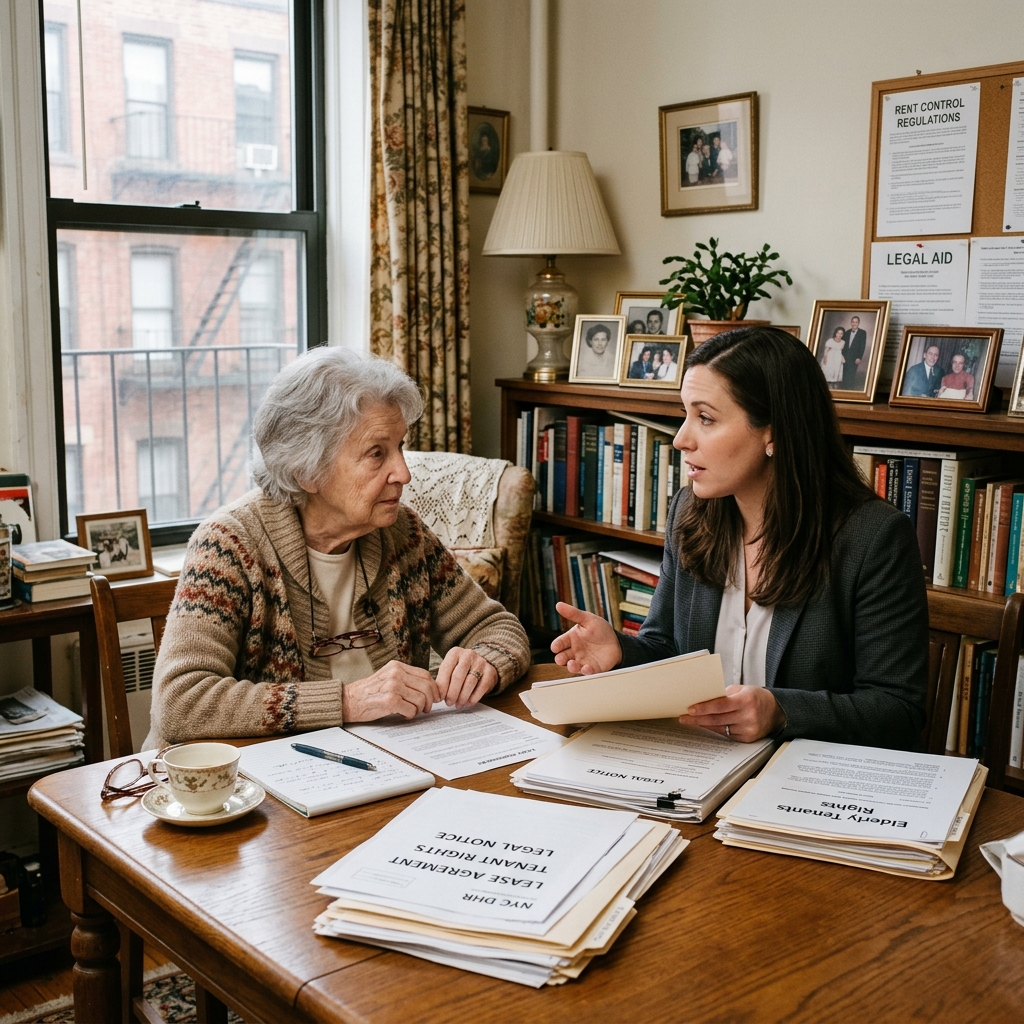
New York City’s rent-controlled and rent-stabilized apartments are among the most affordable homes in the city, and they are often occupied by older residents who have lived in their neighborhoods for decades. Landlords, facing the prospect of higher market rents, sometimes use pressure, misinformation, or deceptive tactics to push elderly tenants out. When that happens, seniors can lose not only housing stability but also a valuable legal right to remain in their homes at a regulated rent.
This article explains how rent control and related protections work for seniors, the most common strategies landlords use to get older tenants to move, and the legal options available when a senior is tricked or forced out of a rent-controlled apartment. While inspired by a specific lawsuit involving an elderly tenant who left a New York rent-controlled unit after alleged deception, the discussion below is general, practical, and designed to help any reader understand the law and prepare to protect vulnerable tenants.
Understanding Rent Control and Rent Stabilization for Seniors
New York has two main forms of rent regulation: rent control and rent stabilization. Both systems limit rent increases and provide important protections against eviction, but they operate differently.
Rent-Controlled Apartments
Rent control applies to a relatively small number of apartments, often occupied by long-term tenants who have lived there since before the early 1970s or who have lawful succession rights. In New York City, each rent-controlled apartment has a Maximum Base Rent (MBR) and a Maximum Collectible Rent (MCR).
- Maximum Base Rent (MBR) is recalculated every two years to reflect changes in operating costs like taxes, fuel, and maintenance.
- Maximum Collectible Rent (MCR) is a cap on what the tenant can actually be charged each year; it cannot exceed certain regulatory limits based on past rent guideline orders.
Landlords cannot simply raise rents on a whim. Rent increases must follow the rules, and if an owner charges more than the legal regulated amount, the tenant may have a claim for rent overcharge, including potential treble (triple) damages if the overcharge is deemed willful.
Rent-Stabilized Apartments
Rent stabilization covers close to a million apartments in New York City. These units are subject to annual rent guidelines, limits on rent increases, and strong protections against eviction. Seniors in rent-stabilized apartments are entitled to lease renewals and, in many circumstances, special protections against removal for owner occupancy.
- Landlords must offer renewal leases to rent-stabilized tenants on standard terms, subject to regulated increases.
- In NYC, a landlord generally cannot evict a rent-stabilized tenant for owner occupancy if the tenant or spouse is a senior citizen, has a disability, or has been in the apartment for 15 years or more, unless a truly comparable or better apartment at equal or lower rent is provided nearby.
These rules make it difficult for an owner to lawfully remove an elderly tenant from a rent-stabilized home simply because they want to charge market-rate rent.
Why Elderly Tenants in Regulated Units Are Especially Vulnerable
For many older New Yorkers, a rent-controlled or rent-stabilized apartment is more than just housing; it is a financial lifeline. Seniors often live on fixed incomes, such as Social Security or pensions, and cannot absorb large rent increases or the cost of moving. When landlords see an opportunity to push a senior out and re-rent the unit at much higher rates, conflicts can arise.
Factors that Increase Vulnerability
- Limited income means seniors may feel pressured to accept buyouts that are far below the long-term value of staying in a regulated unit.
- Health issues can make it harder for elderly tenants to attend court, gather documents, or advocate for themselves.
- Information gaps may leave seniors unaware of their rights, including protections against retaliatory conduct and unlawful rent increases.
- Isolation reduces access to legal help or advocacy groups that can intervene when landlords use improper tactics.
Because of these factors, a deceptive promise, misleading statement, or threat can have more impact on an elderly tenant than on a younger, legally informed renter.
Common Landlord Tactics Used to Push Seniors Out
New York law prohibits harassment and retaliation against tenants, including those in rent-regulated units. Nevertheless, cases continue to arise in which landlords are accused of misleading, pressuring, or harassing elderly tenants into giving up their homes. While each situation is unique, several patterns appear frequently.
1. Misrepresenting Legal Rights
Some landlords allegedly tell seniors that they must move, suggesting the owner has an unconditional right to reclaim the unit. In a rent-controlled or rent-stabilized apartment, such statements are often false.
- Claiming that the tenant is “too old” to sign a new lease or cannot stay after a building sale.
- Stating that rent control or stabilization no longer applies when the law still protects the unit.
- Falsely asserting that failure to accept a buyout will lead to immediate eviction.
These misrepresentations can cause an elderly tenant to leave voluntarily, even though they had a legally enforceable right to remain.
2. Offering Misleading Buyouts
Owners sometimes offer a lump-sum payment or relocation assistance if the tenant agrees to move. Buyouts are not illegal in themselves, but problems arise when the landlord misstates the tenant’s rights, undervalues the regulated apartment, or fails to explain the consequences of leaving.
- Downplaying the difficulty of finding another affordable unit.
- Promising help in securing new housing but failing to deliver once the tenant vacates.
- Not disclosing that the tenant’s current rent is far below market and that no equivalent apartment may be available.
3. Harassment and Retaliation
Harassment can take many forms: repeated unannounced visits, threats, building neglect, or unnecessary construction. New York law treats certain actions taken after a tenant asserts rights or complains as potentially retaliatory.
- Refusing to renew a lease or drastically changing terms shortly after the tenant files a complaint.
- Initiating eviction proceedings based on exaggerated or fabricated claims.
- Allowing building conditions to worsen to make the apartment unlivable.
When harassment is directed at an elderly tenant, the effect can be severe, leading some seniors to move out simply to relieve pressure.
Key Legal Protections for Elderly Tenants in Regulated Housing
New York provides a network of protections designed to keep tenants, especially seniors, secure in their homes. Understanding these safeguards is essential when evaluating whether a landlord’s conduct was lawful.
Anti-Retaliation and Anti-Harassment Rules
Under New York law, certain landlord actions that follow a tenant’s complaint or assertion of rights may be presumed retaliatory.
- If, within a year of a tenant’s complaint, the landlord substantially alters the rental terms, refuses to renew a lease, or imposes an unreasonable rent increase, a presumption of retaliation can arise.
- Once this presumption applies, the landlord must prove they acted for legitimate reasons unrelated to the tenant’s protected activity.
Harassment claims can also be brought in housing court or reported to city agencies, leading to potential fines or court orders against improper conduct.
Rent Freeze Programs for Seniors and Tenants with Disabilities
New York City’s Senior Citizen Rent Increase Exemption (SCRIE) and Disability Rent Increase Exemption (DRIE) programs can freeze rents for eligible tenants in rent-controlled and rent-stabilized apartments.
| Program | Key Eligibility | Main Benefit |
|---|---|---|
| SCRIE | Head of household 62+; lives in rent-controlled or rent-stabilized unit; pays more than one-third of income in rent. | Freezes rent at current level; city subsidizes increases through tax credit to landlord. |
| DRIE | Head of household with qualifying disability; similar rent regulation and income requirements. | Same rent freeze structure as SCRIE for disabled tenants. |
These programs are particularly important for seniors in regulated apartments who face rising rents. Loss of a rent-controlled unit may mean losing eligibility for a rent freeze, with serious financial consequences.
Limits on Eviction and Owner-Occupancy Claims
As noted above, landlords generally cannot evict certain rent-stabilized tenants for owner occupancy if they are seniors, disabled, or long-term residents, unless a comparable or superior unit at the same or lower rent is provided locally. This rule reflects a policy judgment that elderly tenants need stronger stability and should not be forced to move without meaningful alternatives.
For rent-controlled apartments, eviction is also restricted, and owners must follow detailed procedures for any attempt to deregulate or recover units. Courts often scrutinize such attempts closely where vulnerable tenants are involved.
What Happens When a Senior Is Tricked into Leaving a Rent-Controlled Home?
When an elderly tenant moves out because of alleged deception or pressure, the legal analysis typically focuses on two questions: (1) Was the landlord’s conduct unlawful? and (2) What remedies are available? While outcomes depend on the facts, several legal theories frequently apply.
Possible Legal Claims
- Fraud or misrepresentation if the landlord knowingly made false statements or concealed important information to induce the tenant to leave.
- Harassment or retaliation if the landlord’s conduct fits within statutory definitions of unlawful pressure or punitive action following complaints or assertions of rights.
- Breach of the warranty of habitability if conditions were intentionally allowed to deteriorate to drive the tenant out.
- Unlawful eviction if the tenant’s departure was not genuinely voluntary, or if locks were changed or possession was taken without proper court order.
In some cases, a senior who left a rent-controlled apartment may sue for damages, claiming they were deprived of the long-term benefit of regulated housing by unlawful conduct. Courts can consider the difference between the regulated rent and market rent, the cost of relocation, and emotional or health impacts, depending on the cause of action and applicable law.
Evidence That Often Matters
Successful cases often turn on documentation. Elderly tenants or their advocates should, whenever possible, gather:
- Written communications from the landlord, including letters, emails, and text messages.
- Copies of leases, rent control forms, and any rent freeze program approvals.
- Notes of conversations where promises or threats were made.
- Witness accounts from neighbors, family members, or building staff.
This evidence helps courts or agencies determine whether a landlord crossed the line from lawful negotiation into unlawful coercion or deception.
Practical Steps for Seniors and Families Facing Pressure to Move
Older tenants and their families can take specific steps to reduce the risk of being misled or pushed out of rent-controlled homes. These measures do not eliminate all danger, but they improve the chances of staying in control of decisions.
Before Signing Anything
- Do not sign agreements to vacate or accept buyouts without independent legal advice.
- Request all offers in writing so they can be reviewed by an attorney or housing counselor.
- Ask direct questions about whether the apartment is rent-controlled, rent-stabilized, or covered by any special programs.
Confirming Rent Regulation Status
Tenants can often verify whether their apartment is subject to rent regulation by checking registration records and official documents. This is crucial, because the legal value of staying may be far greater than any short-term payment for leaving.
- Request rent histories or registration documents from the appropriate state housing agency.
- Review notices of Maximum Collectible Rent for rent-controlled units.
- Consult a tenant advocacy organization to interpret technical forms.
Applying for Rent Freeze Programs
If eligible, seniors should consider applying for SCRIE or DRIE to freeze their rent, making it easier to remain in the apartment long-term.
- Gather proof of age, income, and lease or rent control forms.
- Submit copies of required documents, not originals, and keep duplicate sets for personal records.
- Follow up on application status and seek help if any information is confusing.
Frequently Asked Questions (FAQ)
1. Can a landlord force a senior to leave a rent-controlled apartment just to raise the rent?
No. In rent-controlled and rent-stabilized apartments, landlords must follow strict legal procedures. They cannot lawfully evict a tenant simply to charge market rent, and seniors often have additional protections, especially in rent-stabilized units facing owner-occupancy claims.
2. What should an elderly tenant do if they suspect the landlord is lying about their rights?
The tenant should seek independent advice from a legal aid organization, bar association referral service, or private attorney experienced in landlord–tenant law. They can also review official guidance from the New York Attorney General on tenants’ rights.
3. If a senior already moved out after being misled, is it too late to take action?
Not necessarily. Depending on the facts and timing, it may be possible to bring claims for fraud, harassment, or other violations. The tenant or their representative should consult counsel promptly to preserve evidence and evaluate potential remedies.
4. How does SCRIE help seniors stay in their apartments?
SCRIE freezes the tenant’s rent at the current level if eligibility criteria are met, and the city compensates the landlord through tax credits for future increases. This makes it easier for low-income seniors in rent-controlled or rent-stabilized units to withstand rising housing costs.
5. Are short-term rentals allowed in rent-regulated apartments?
Generally no. New York City’s short-term rental rules prohibit registration for rent-regulated units, including rent-controlled and rent-stabilized apartments, as part of broader efforts to protect long-term housing stock.
Key Takeaways for Protecting Elderly Tenants
- Rent-controlled and rent-stabilized apartments provide powerful protections against sudden displacement and excessive rent increases.
- Elderly tenants are especially vulnerable to misinformation and pressure, making clear legal advice essential before agreeing to move.
- Anti-retaliation and anti-harassment laws, along with rent freeze programs like SCRIE and DRIE, can help seniors remain safely in their homes.
- If a senior is tricked or pressured into leaving, legal claims may still be available, particularly when deception or retaliation can be documented.
Understanding these rules empowers tenants, families, and advocates to recognize improper conduct early and to respond effectively. In a city where affordable housing is scarce and long-term residents are the backbone of many communities, protecting elderly tenants in rent-controlled and rent-stabilized apartments is not only a legal issue, but also a question of fairness and stability.
References
- Rent Freeze Program for Seniors (SCRIE) — NYC 311. 2024-01-01. https://portal.311.nyc.gov/article/?kanumber=KA-02289
- Residential Tenants’ Rights Guide — New York State Attorney General. 2023-05-01. https://ag.ny.gov/publications/residential-tenants-rights-guide
- New York City Files Multi-Million-Dollar Lawsuit to Hold Landlord Accountable for Illegal Short-Term Rentals — NYC Mayor’s Office of Criminal Justice. 2023-03-15. https://criminaljustice.cityofnewyork.us/press-release/nyc-lawsuit-illegal-short-term-rentals-in-rent-stabilized-building/
- Guide to the NYC Senior Citizen Rent Increase Exemption (SCRIE) and Disability Rent Increase Exemption (DRIE) — Volunteers of Legal Service (VOLS). 2023-11-01. https://volsprobono.org/wp-content/uploads/2023/11/VOLS-Guide-to-the-NYC-Senior-Citizen-Rent-Increase-Exemption-SCRIE-Program-and-NYC-Disability-Rent-Increase-Exemption-DRIE-2.pdf
- Rent Controlled Apartment Laws in New York City — New York City Bar Association. 2022-06-01. https://www.nycbar.org/get-legal-help/article/landlord-tenant/types-rental-housing/rent-controlled-housing/
- Rent Stabilization: What’s Constitutional, Anyway? — Vital City. 2023-10-01. https://www.vitalcitynyc.org/new-york-rent-stabilization-law-supreme-court-clash/
Similar Articles








Read full bio of medha deb


