
El Niño, Flood Risk, and How to Protect Your Home
Understand how El Niño amplifies flood danger, what typical home policies miss, and how flood insurance fits into a smart risk strategy.
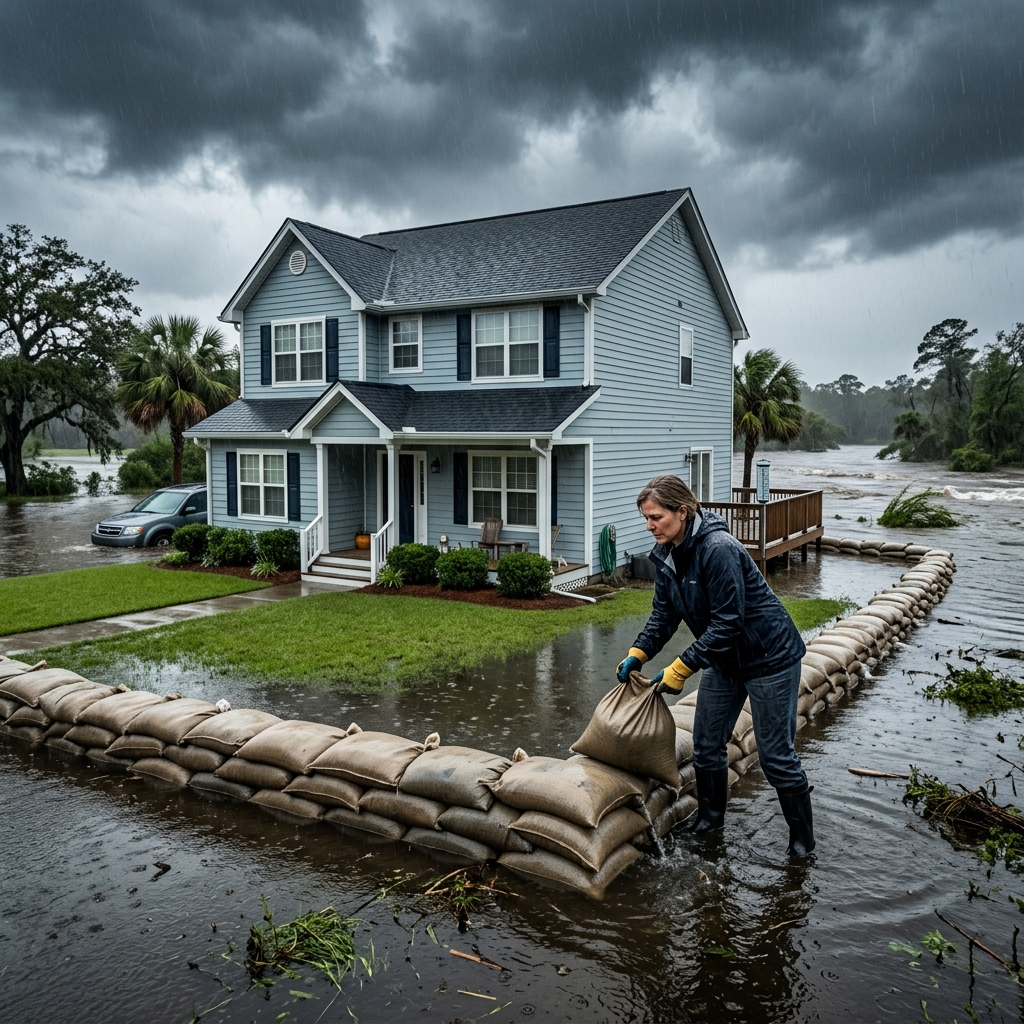
El Niño is more than a weather headline. It is a recurring climate pattern that can sharply increase flood risk in specific regions, exposing gaps in standard homeowners insurance and leaving property owners vulnerable. As forecasters warn of potentially strong El Niño episodes, understanding how this phenomenon interacts with flood hazards and insurance coverage has become an essential part of household risk management.
What El Niño Is and Why It Matters for Flooding
El Niño refers to the periodic warming of sea surface temperatures in the central and eastern tropical Pacific Ocean, which disrupts normal atmospheric circulation around the globe. This disruption alters rainfall and storm patterns, often increasing precipitation and flood risk in some areas while driving drought in others.
- Duration: El Niño events typically last 9–12 months and can persist into the following year.
- Global influence: Changes in Pacific sea surface temperatures affect jet streams and storm tracks, redistributing rainfall and altering the likelihood of extreme weather.
- Flood link: In regions such as the southern United States, northern Mexico, East Africa, and parts of South America, El Niño is associated with unusually heavy rainfall and a greater risk of flooding.
Recent analysis suggests that upcoming El Niño phases could be exceptionally strong, raising the probability of intense rainfall, inland and coastal flooding, and severe storms in vulnerable regions. For property owners, these climate signals are a reminder to examine their exposure to flood hazards before extreme weather arrives.
Regions Where El Niño Raises Flood Risk
El Niño does not affect all locations equally. Depending on where you live, it may bring wetter, drier, hotter, or cooler conditions. In flood planning, the most relevant trend is where El Niño tends to increase rainfall and storm activity.
| Region | Typical El Niño Impact on Rainfall | Flood-Related Concerns |
|---|---|---|
| Southern United States (including Florida) | Above-normal precipitation during fall, winter, and spring. | Higher risk of river flooding, flash floods, and severe thunderstorms. |
| Northern Mexico | Wetter and cooler than average conditions, with increased flooding risk. | Storm-driven flooding, landslides, and damage to infrastructure. |
| Coastal Peru and Ecuador | Marked increase in rainfall during strong El Niño events. | River floods, coastal inundation, and damage to homes and agriculture. |
| Parts of southern South America | Heavier rains and elevated flood risk. | Flooding of rivers and low-lying areas, erosion, and infrastructure damage. |
| Horn of Africa | Higher probability of intense rainfall. | Major floods, landslides, and increased disease risk. |
In the southeastern United States, historical data from the National Weather Service show that El Niño years bring more frequent flooding events than neutral or La Niña phases, especially when the El Niño episode is strong. At the same time, atmospheric rivers—large corridors of concentrated water vapor—are more likely to make landfall along portions of the U.S. West Coast during El Niño, leading to intense rainfall episodes and coastal flooding.
Why Standard Homeowners Insurance Usually Excludes Flood Damage
Many property owners assume that their regular homeowners insurance policy will cover any water damage to their home. In most cases, that assumption is incorrect. Standard homeowners policies commonly distinguish between water damage from internal causes (such as a burst pipe) and flood damage from external sources (such as rising water from heavy rain, storm surge, or overflowing rivers).
As a general rule:
- Covered: Sudden and accidental water discharge inside the home (for example, a broken plumbing line that soaks a ceiling or a malfunctioning appliance).
- Not covered: Flooding caused by surface water, runoff from heavy rain, overflowing waterways, or storm-driven coastal inundation.
This distinction matters because El Niño-related flooding usually comes from external water sources—rivers, creeks, coastal storm surges, or rainfall that accumulates faster than drainage can handle. Without separate flood coverage, homeowners may face large repair bills and replacement costs entirely out of pocket, even if they faithfully maintain standard policies.
How Flood Insurance Works and What It Covers
Flood insurance is a specialized type of property coverage designed to address damage directly caused by flooding. Depending on your country and jurisdiction, it may be provided by government-backed programs, private insurers, or a combination of both. While program details vary, flood policies generally share several core features:
- Building coverage: Protection for the physical structure of your home, including foundation, electrical systems, plumbing, heating and cooling equipment, and built-in appliances.
- Contents coverage: Coverage for personal property inside the insured building, such as furniture, electronics, and clothing, often subject to separate limits.
- Defined flood events: Policies specify what qualifies as a covered flood, typically involving a general and temporary condition of partial or complete inundation of normally dry land by water or mudflow.
- Exclusions and limits: Certain items (for example, basements, outdoor structures, or cash) may have limited or no coverage; deductibles and maximum limits apply.
Because flood risk is highly location-specific, premiums are influenced by factors such as elevation, distance to water bodies, local drainage, historical flood data, and mitigation measures already in place. In areas designated as high-risk flood zones, mortgage lenders often require flood insurance for homes with federally backed loans. However, even properties outside mapped high-risk areas can experience damaging floods, especially during strong El Niño episodes or when local drainage systems are overwhelmed.
Assessing Your Flood Exposure in an El Niño Year
Deciding whether you need flood insurance starts with understanding how El Niño changes your local risk profile. An assessment should consider both long-term geography and short-term climate signals.
Key factors to review
- Official flood maps: Check whether your property is in a low, moderate, or high-risk flood zone, based on official mapping by national or local authorities.
- Historical events: Consider past floods in your neighborhood, including near misses, street flooding, or frequent basement water problems.
- El Niño projections: Review regional outlooks from meteorological services to see if your area is expected to experience above-normal rainfall or elevated storminess during the upcoming season.
- Infrastructure and drainage: Evaluate the condition of nearby storm drains, retention basins, levees, and coastal defenses. Aging or undersized systems may fail under El Niño-enhanced storms.
- Property characteristics: Low-lying lots, homes with basements, houses near rivers or coastlines, and properties built on poorly draining soils tend to face higher flood exposure.
Meteorological agencies emphasize that El Niño increases the probability of heavy rainfall events and flood conditions in specific regions but does not guarantee them in every community. Nonetheless, for households in areas identified as at-risk—especially the southern U.S., northern Mexico, parts of South America, and the Horn of Africa—El Niño should be treated as a prompt to reassess flood preparedness and insurance needs.
When Flood Insurance Is Worth Serious Consideration
Flood insurance is not universally necessary, but it becomes a strong candidate in several common scenarios. If any of the following apply, a detailed conversation with an insurance professional is advisable:
- Your home is in a designated high-risk flood zone or has a history of flood damage.
- Local authorities or meteorological agencies forecast increased rainfall and storm activity in your region due to El Niño.
- You rely on critical home systems installed at or below ground level, such as HVAC units or electrical panels, which would be costly to replace.
- You lack substantial savings or emergency funds to self-insure against a major flood loss.
- Your property is located near rivers, creeks, coastal areas, or low-lying terrain where heavy rainfall would likely collect.
Beyond direct financial calculus, flood insurance may offer peace of mind. Knowing that your main residence and belongings have specific protection against a recognized climate-driven hazard can make it easier to focus on practical preparedness and safety measures when storms are forecast.
Practical Steps to Reduce Flood Damage
Insurance is only one part of managing flood risk. In strong El Niño years, authorities and disaster relief organizations highlight the importance of combining financial protection with physical mitigation.
- Improve drainage: Keep gutters, downspouts, and storm drains clear of debris. Ensure that water flows away from foundations rather than pooling near the building.
- Protect utilities: Elevate electrical panels, furnaces, and water heaters above anticipated flood levels where feasible. Relocate outdoor equipment to higher ground.
- Use flood-resistant materials: In areas prone to repeated minor flooding, consider flooring, wall finishes, and insulation that resist water damage and are easier to clean or replace.
- Prepare barriers: Temporary flood barriers, sandbags, and backflow prevention devices can help reduce intrusion of water during short-lived intense storms.
- Plan for evacuation: Have a household plan for where to go, how to communicate, and what documents and medicines to bring if authorities advise leaving due to rising waters.
These measures may not prevent all damage in a major flood, but they can significantly reduce losses, speed recovery, and complement the protection provided by insurance coverage.
Balancing Cost, Risk, and Peace of Mind
Buying flood insurance in anticipation of El Niño involves a balance between premium cost, potential losses, and personal tolerance for risk. While strong El Niño forecasts raise concern, flood insurance decisions should be rooted in a clear-eyed view of local hazards rather than generalized fear.
Consider the following balancing questions:
- Financial impact: If a serious flood occurred, would damage to your home and belongings exceed what you could reasonably pay out of pocket?
- Likelihood: Are official projections and historical data pointing to a meaningful chance of flooding at your location during El Niño?
- Alternatives: Are there lower-cost physical mitigation actions that substantially reduce your exposure, or is residual risk still significant?
- Lender requirements: Does your mortgage or local regulation mandate flood coverage, effectively making the decision for you?
- Time horizon: Do you plan to remain in the home long enough that multiple El Niño cycles could affect your property over the years ahead?
Some households may decide that a combination of mitigation measures, maintaining an emergency fund, and carefully monitoring forecasts is sufficient. Others, especially in high-risk zones or areas highlighted in El Niño flood outlooks, may view flood insurance as a necessary component of responsible home ownership.
Frequently Asked Questions About El Niño and Flood Insurance
Does El Niño automatically mean my home will flood?
No. El Niño increases the probability of heavy rains and flooding in certain regions, but it does not guarantee that any specific property will flood. Local geography, infrastructure, and storm tracks all play major roles in determining actual impacts.
Is flood damage ever covered under standard homeowners insurance?
In most cases, damage caused by external flooding—rising water from storms, rivers, or coastal surges—is excluded. Internal, sudden, accidental water damage (such as a burst pipe) may be covered. However, policy language varies, and you should review your contract or speak with your insurer for clarity.
If I am outside a high-risk flood zone, do I still need flood insurance?
Not necessarily, but it may still be worth considering. Floods can occur outside mapped high-risk zones, especially during intense weather years like strong El Niño episodes when drainage systems are stressed and rainfall patterns shift.
How far in advance of El Niño should I obtain flood insurance?
Waiting until storms are forecast is often too late. Many flood policies have waiting periods before coverage begins, and insurers may limit new policies immediately before or during major events. Planning ahead—well before peak El Niño season—helps ensure continuous protection.
Does El Niño only increase flood risk, or are other hazards involved?
El Niño is associated with a range of hazards including droughts, heatwaves, wildfires, and changes in tropical storm activity, depending on the region. For some areas, the main concern is flood risk from heavier rainfall; for others, lack of rain and wildfire risk may be more significant.
References
- 2026 El Niño Health Risks: Six Extreme Weather Threats Facing the Americas — Direct Relief. 2026-06-18. https://www.directrelief.org/2026/06/2026-el-nino-health-risks-weather-americas/
- El Niño and Climate Change: Are We Heading Towards a Super El Niño in 2026? — Zero Carbon Analytics. 2026-04-15. https://zerocarbon-analytics.org/insights/briefings/el-nino-and-climate-change/
- What a ‘Super’ El Niño Means for North America — BBC Future. 2026-06-22. https://www.bbc.com/future/article/20260622-what-a-super-el-nino-means-for-north-america
- El Niño and its Effect on the Southeast U.S. — National Weather Service (NOAA). 2023-11-01. https://www.weather.gov/tae/enso
- Impacts of El Niño — Water Resources Research Center, University of Arizona. 2024-02-10. https://wrrc.arizona.edu/Impacts-of-El-Nino
- According to World Meteorological Organization, El Niño 2026 Could Be Severe — UN DESA (via social media post summarizing WMO). 2026-05-20. https://www.facebook.com/joinundesa/posts/according-to-world-meteorological-organization-el-ni%C3%B1o-2026-could-be-severe-and-/1484749463693636/
- Scientists Have Spotted Signs of an Unusually Powerful El Niño — World Economic Forum. 2026-03-30. https://www.facebook.com/worldeconomicforum/posts/scientists-have-spotted-signs-of-an-unusually-powerful-el-ni%C3%B1o-which-could-form-/1434031232098444/
Similar Articles








Read full bio of medha deb




