
Off-Road DUI Laws: State Penalties, Defenses, And Safety (2025)
Discover the serious legal consequences of operating ATVs or off-road vehicles while intoxicated across various U.S. states.
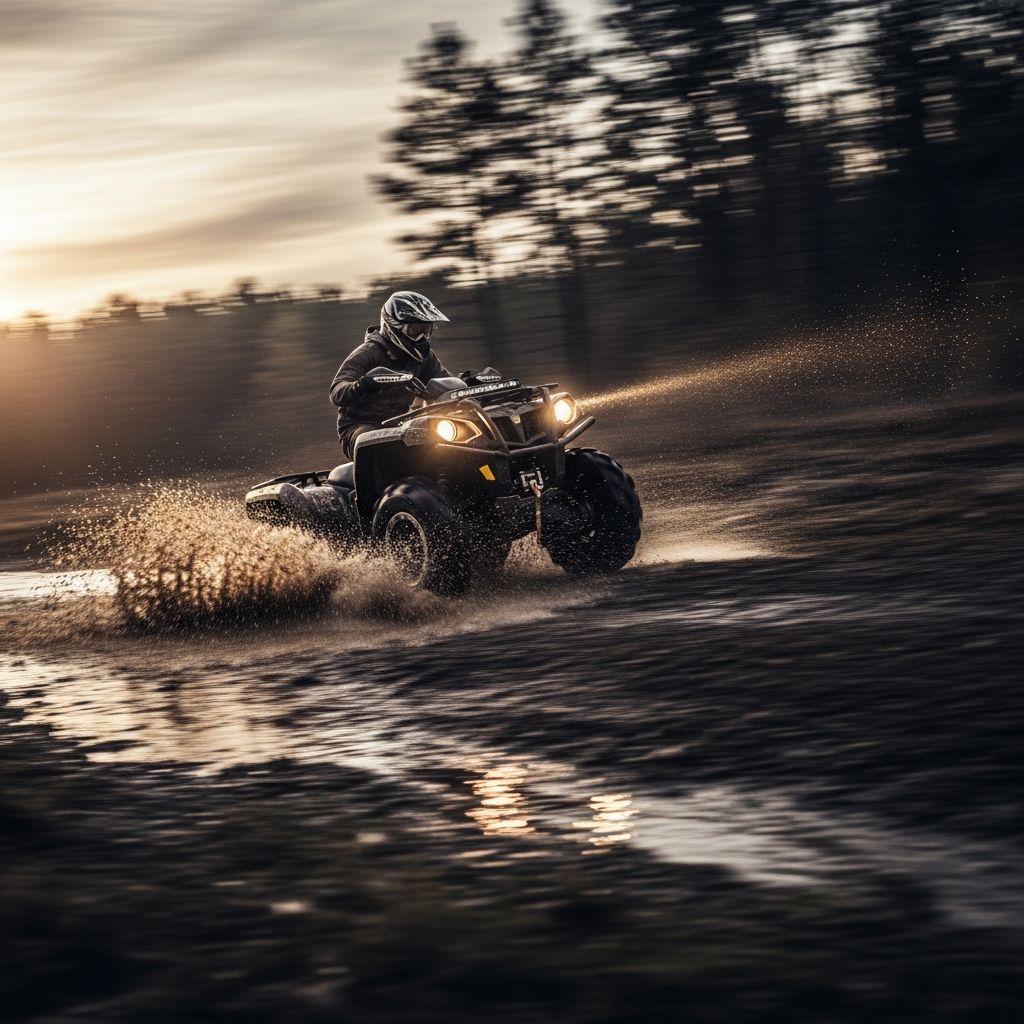
Recreational off-roading offers thrilling adventures on ATVs, dirt bikes, and other off-highway vehicles (OHVs), but operating these machines while intoxicated carries severe legal repercussions. Laws in many states treat intoxication on such vehicles similarly to standard motor vehicle DUIs, applying even in remote areas or private property accessible to the public.
Legal Definitions of Off-Road Vehicles and Intoxication
Off-highway vehicles encompass a broad category, including all-terrain vehicles (ATVs), utility task vehicles (UTVs), dirt bikes, snowmobiles, and dune buggies. These are distinguished from highway-legal vehicles by their design for non-paved terrain. In legal terms, intoxication typically means a blood alcohol concentration (BAC) of 0.08% or higher, or impairment preventing safe operation.
State statutes broadly define “motor vehicles” to include these recreational machines when operated in public places or equivalent areas. For instance, Texas law under Penal Code Section 49.04(a) covers any motor vehicle operation while intoxicated in a public place, explicitly extending to off-road contexts.
Where Off-Road DUI Laws Apply
A common misconception is that off-road areas exempt operators from DUI scrutiny. However, enforcement reaches public lands, trails, parks, and even private property open to public access. Courts interpret “public place” expansively to include beaches, forests, and event venues where recreation occurs.
- Public recreational areas like state parks and trails.
- Private lands with public access, such as hunting grounds or fairgrounds.
- Special enforcement zones near drinking events or hotspots.
In California, DUI laws apply universally, on and off highways, to any OHV operation under the influence.
State-Specific Enforcement and Penalties
Penalties vary by jurisdiction, prior offenses, and circumstances like injury or evasion, but convictions often mirror car DUI consequences.
Texas Off-Road DWI Realities
Texas aggressively prosecutes DWIs on ATVs and ORVs. The public place requirement includes off-road public lands and accessible private property. Police patrol these areas with specialized equipment, responding to environmental violations or emergencies.
| Offense Level | Penalties |
|---|---|
| First-Time DWI | Misdemeanor: Up to 180 days jail, $2,000 fine, license suspension. |
| With Prior Convictions | Felony: 2-20 years prison, up to $10,000 fine. |
| Evading in Vehicle | Third-degree felony: 2-10 years, $10,000 fine. |
Even without intent to drive further, merely controlling the vehicle while intoxicated suffices for charges.
California OHV DUI Regulations
California Vehicle Code extends DUI prohibitions to bicycles, boats, and OHVs. Off-road DUI convictions carry the same weight as highway ones, with BAC limits enforced rigorously. Open containers are banned in OHVs.
- Bicycle DUI: Fine up to $250, no jail, possible license suspension for minors.
- OHV/ATV DUI: Misdemeanor/felony, jail up to 1 year, fines up to $1,000+, license suspension.
- Boating DUI: Up to 1 year jail, $1,000 fine; enhanced if injury occurs.
DMV suspensions apply even for off-road incidents, lasting months to years.
Common Scenarios Leading to Arrests
Arrests often stem from patrols at popular spots, emergency responses, or surveillance near events like concerts or festivals. Operating an ATV after drinking at a tailgate or campsite can result in charges if police observe unsafe control.
Fleeing police escalates matters. In Texas, evading on foot is a misdemeanor, but vehicle flight becomes a felony. Resisting arrest adds separate charges involving force.
Safety Measures to Prevent Charges
Off-road enthusiasts can enjoy responsibly by planning ahead.
- Designate a sober operator for all vehicles.
- Park and secure the vehicle if consuming alcohol; avoid sitting on or in it while impaired.
- Use ride-sharing or shuttles at events.
- Hydrate and eat before riding; know your limits.
Compliance with registration, like California’s OHV stickers, aids legal operation but does not excuse intoxication.
Defending Against Off-Road DUI Charges
Challenges include proving the location was not a “public place” or lack of operation control. However, broad interpretations favor prosecutors. Consult an attorney immediately for DMV hearings within tight deadlines, like 10 days in California.
Frequently Asked Questions
Can I get a DUI on private property with my ATV?
Yes, if the property is accessible to the public or police enter lawfully, such as during an emergency.
Does off-road mean no DUI risk?
No, most states apply DUI laws to OHVs in public or semi-public areas.
What if I’m just sitting on my ATV after drinking?
Exerting control, like having keys in ignition, can trigger charges without driving.
Are penalties harsher for off-road DUIs?
Not inherently, but evasion or injury can elevate to felonies.
Can my license be suspended for an ATV DUI?
Yes, DMV suspensions apply regardless of vehicle type in many states.
Broader Implications for Recreation
These laws promote safety amid rising off-road popularity. Statistics show impaired operation contributes to accidents, injuries, and fatalities. Responsible habits protect riders, passengers, and the environment.
Off-roading communities advocate education campaigns, emphasizing zero-tolerance policies. Advances in enforcement tech, like off-road patrols, ensure compliance.
References
- DWI Arrests Involving Off-Road Vehicles and ATVs — Doug Murphy Law. 2023. https://www.dougmurphylaw.com/dwi-arrests-involving-off-road-vehicles-and-atvs
- Can You Be Charged with a DUI for Operating Vehicles Other Than Cars? — Chambers Law Firm. 2023. https://www.chamberslawfirmca.com/can-you-be-charged-with-a-dui-for-operating-vehicles-other-than-cars/
- OHMVR Frequently Asked Questions — California State Parks (official .gov). 2025-01-01. https://ohv.parks.ca.gov/?page_id=26294
Similar Articles








Read full bio of medha deb




