
DUI Laws and Unusual Vehicles: What Really Counts as Driving?
From motorized barstools to golf carts, explore how DUI laws apply to unconventional vehicles and why legal definitions matter.
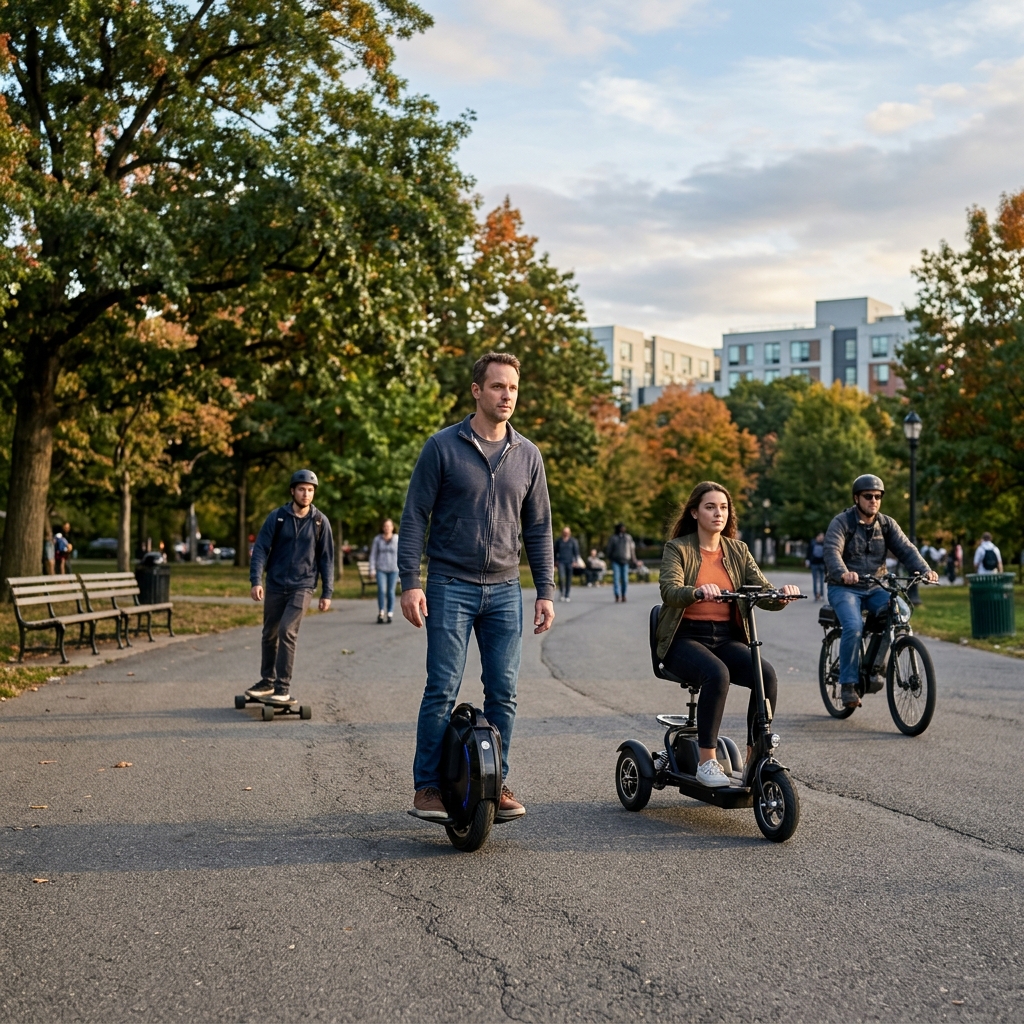
Most people think of driving under the influence (DUI) as something that happens behind the wheel of a car or truck. But across the United States, DUI statutes often reach far beyond traditional automobiles, covering a wide range of motorized and sometimes non‑motorized devices. This has led to some unusual prosecutions, including a widely reported case of a man charged with drunk driving after crashing a motorized barstool.
This article explains how DUI laws can apply to unconventional vehicles, why legal definitions matter, and what individuals should know before operating any kind of device while impaired.
Why DUI Can Apply Beyond Cars and Trucks
At the core of any DUI charge are two elements:
- The person is impaired by alcohol and/or drugs.
- The person is operating or in control of a vehicle on a public roadway or in another legally covered area.
Many state statutes do not limit the word “vehicle” to passenger cars. Instead, they use broad language such as “every device by which a person or property may be transported or drawn upon a highway” or similar formulations. In practice, this means that unconventional devices can be treated as vehicles if they fit the statutory definition.
| Concept | Typical Legal Approach |
|---|---|
| Impairment | Measured with blood alcohol concentration (BAC) or evidence of drug use; often 0.08% BAC threshold for standard drivers. |
| Vehicle | Commonly defined broadly as a device used to transport persons or property, sometimes regardless of engine type. |
| Location | Usually applies on public roads; some states extend to private property open to the public (e.g., parking lots). |
The Motorized Barstool Case: A Teaching Example
One of the most publicized examples of unconventional DUI involved a man in Ohio who crashed a motorized barstool and was charged with drunk driving. According to news reports, the barstool had been outfitted with a small engine, wheels, and steering, making it effectively a self‑propelled transport device.
While the case is notable for its unusual facts, it illustrates a straightforward principle: when a device is engineered to move a person from one place to another using a motor, law enforcement and courts may treat it as a vehicle under DUI statutes. The novelty of the device does not insulate an operator from prosecution.
- Motor – A lawn‑mower or similar engine was used to power the barstool.
- Steering – The device could be controlled and directed, much like a small vehicle.
- Public risk – Operation while intoxicated created safety concerns similar to other motorized devices.
Although individual case outcomes depend on the specific statute and facts, the barstool incident underscores how broadly DUI laws can be applied when the statutory definition of “vehicle” is flexible.
How States Define “Vehicle” for DUI Purposes
The key to understanding whether an unconventional device qualifies for a DUI is the statutory definition of “vehicle” in the relevant jurisdiction. State legislatures and courts interpret this term in different ways:
- Broad definitions often include “every device” used for transportation, whether or not it is designed for highway use.
- Narrow definitions may limit vehicles to those intended for use on public roads, excluding certain recreational or mobility devices.
- Explicit exclusions can carve out specific categories such as wheelchairs, electric personal assistive mobility devices, or human‑powered devices.
For example, some states categorize motorized wheelchairs as pedestrian mobility devices rather than motor vehicles, meaning standard DUI statutes do not apply; instead, other laws such as public intoxication or open container statutes may be used when needed.
Examples of Unconventional Devices that May Trigger DUI Charges
Because many definitions are broad, a range of unusual devices may be treated as vehicles for DUI purposes. The following list illustrates common categories discussed in legal commentary and reported cases.
- Golf carts – Frequently treated as vehicles, especially when operated on or near public roads, resort properties, or communities with golf cart lanes.
- All‑terrain vehicles (ATVs) and snowmobiles – Often explicitly covered by statute due to their motorized nature and use on trails and roadways.
- Riding lawnmowers – May qualify when driven on streets or in areas open to public travel rather than exclusively on private property.
- Motorized scooters and miniature motorbikes – Depending on engine size and design, these can fall within vehicle definitions when operated on roads.
- Motorized barstools or novelty vehicles – As illustrated by the Ohio case, novelty design does not prevent classification as a vehicle when the device transports a person using a motor.
In contrast, some devices are less likely to be covered:
- Bicycles – In many states, bicycles are regulated separately and may or may not be subject to DUI statutes, depending on legislative intent.
- Non‑motorized scooters and skateboards – These may be treated more like pedestrian equipment, though reckless or intoxicated use can still lead to other charges.
Special Treatment of Mobility Devices such as Wheelchairs
Mobility devices raise unique legal and policy issues, especially for people with disabilities. Several jurisdictions explicitly treat motorized wheelchairs as pedestrian assistive devices rather than motor vehicles. Legal commentary notes that:
- Motorized wheelchairs are often categorized separately from motor vehicles and may be excluded from DUI statutes.
- The rationale is that these devices are medically necessary and constitute the user’s primary mode of mobility.
- Individuals using mobility devices can still be subject to other regulations, such as rules about crossing streets or occupying sidewalks.
However, if a device is primarily recreational and not medically necessary—such as using someone else’s scooter purely for fun—some jurisdictions may view it differently and treat it more like a vehicle for enforcement purposes.
Where DUI Laws Apply: Roads, Parking Lots, and Beyond
Another important factor is the location of operation. Many statutes refer to conduct on “highways” or “public roads,” but some are broader and cover any area open to public use, including:
- Public streets and highways
- Parking lots open to customers or visitors
- Shared trails or paths used by motorized devices
In Florida, for example, DUI law applies when a person is driving or in actual physical control of a vehicle, and enforcement often occurs on public roadways and areas accessible to the public. This means that operating a golf cart or other unconventional vehicle while impaired in a parking area could still result in a DUI charge if statutory criteria are met.
Practical Consequences of DUI on Unusual Vehicles
A DUI conviction involving an unconventional vehicle typically carries many of the same consequences as one involving a car, including:
- Criminal record – A DUI offense usually appears on criminal history checks.
- Fines and fees – Courts may impose substantial fines, court costs, and other assessments.
- Possible jail time – Depending on the jurisdiction and prior record, incarceration may be ordered.
- License impact – Driver’s license suspension or restrictions can apply even if the offense did not involve a conventional car.
Because of these consequences, treating unconventional devices as vehicles for DUI purposes is not a mere technicality; the legal and personal impacts can be significant.
Common Misconceptions About DUI and Non‑Standard Vehicles
Public reactions to cases like the motorized barstool often reveal widespread misconceptions about DUI laws. Some frequent misunderstandings include:
- “If it’s not a car, DUI doesn’t apply.”
In many states, any motorized device used to transport a person can be treated as a vehicle under DUI statutes. - “Private property means it’s safe from DUI charges.”
Some laws extend to areas that are privately owned but open to the public, such as parking lots or resort roads. - “Wheelchairs and medical scooters are always treated like vehicles.”
Several jurisdictions expressly exclude medically necessary mobility devices from DUI provisions and treat their users more like pedestrians. - “Novelty vehicles are legal loopholes.”
Designing a device as a novelty does not prevent it from being classified as a vehicle if it meets statutory criteria.
Risk, Safety, and Policy Considerations
DUI laws are ultimately grounded in public safety. Whether a person is driving a car, ATV, motorized barstool, or golf cart, operating a motorized device while intoxicated can create serious risks, including:
- Collisions with pedestrians or other vehicles
- Property damage
- Injury or death of the operator or others
Lawmakers and courts often focus on whether impaired operation poses a comparable safety concern to conventional driving. Motorized devices capable of meaningful speed and weight can cause harm similar to small vehicles, justifying DUI enforcement. In contrast, devices primarily used as medical aids are typically handled differently to avoid unduly penalizing people with disabilities while still allowing other forms of safety regulation.
Key Points to Consider Before Operating Any Device While Impaired
Because definitions and enforcement practices vary widely, individuals should approach any motorized device with caution when alcohol or drugs are involved. Some practical points include:
- Assume broad coverage – If a device has a motor and transports you from one place to another, there is a real possibility it could be treated as a vehicle under DUI law.
- Understand local statutes – State law and local ordinances control whether particular devices are classified as vehicles or exempt mobility aids.
- Consider other charges – Even when a device is not covered by DUI statutes, other offenses such as public intoxication, reckless endangerment, or open container violations may apply.
- Remember civil liability – Beyond criminal law, operating any device while impaired can expose an individual to civil lawsuits for injuries or property damage.
Frequently Asked Questions (FAQs)
Can I get a DUI on a golf cart?
In many states, yes. Golf carts are often treated as vehicles when operated on public roads, in parking lots, or in communities that permit golf carts in shared traffic areas. If you are impaired and driving a golf cart where DUI statutes apply, you may face the same type of charge as if you were driving a car.
What about ATVs and snowmobiles?
ATVs and snowmobiles are frequently addressed directly in state statutes and are commonly subject to DUI laws when operated on public trails, roads, or other regulated areas. Operators can face criminal penalties, license consequences, and other sanctions similar to conventional drivers.
Can someone be charged with DUI on a motorized wheelchair?
This depends heavily on local law. Some jurisdictions explicitly classify motorized wheelchairs as pedestrian mobility devices and exclude them from DUI statutes, recognizing their medical necessity. Even so, intoxicated operation in a dangerous manner could lead to other charges or civil liability. It is important to review local statutes or consult a legal professional for jurisdiction‑specific rules.
Does DUI law apply on private property?
Often, yes. While purely private, closed property may fall outside certain statutes, many DUI laws apply in places open to public travel, regardless of ownership, including parking lots or shared driveways. Operating a vehicle while impaired in these areas can still result in enforcement action.
Is it a defense that my vehicle is a novelty device, like a motorized barstool?
Generally, no. If the device is engineered to transport a person using a motor and is operated in a manner and place covered by the statute, courts may classify it as a vehicle for DUI purposes. Novelty design rarely shields an operator from legal responsibility.
When to Seek Legal Advice
Anyone facing DUI charges involving an unconventional vehicle should consider consulting a qualified attorney experienced in criminal and traffic law. Legal counsel can:
- Interpret the relevant statutory definition of “vehicle” in the jurisdiction.
- Evaluate whether the device is covered or excluded by law.
- Assess available defenses, such as challenges to impairment evidence or location requirements.
- Explain potential consequences, including criminal penalties and administrative license actions.
Because legal rules differ significantly from state to state and can change over time, professional advice is often crucial for understanding specific risks and options.
References
- Man charged with drunk driving on bar stool — NBC News. 2009-04-01. https://www.nbcnews.com/id/29971638
- Man Gets DUI After Crashing Motorized Barstool: Can Any Vehicle Qualify for a DUI? — FindLaw (archived blog). 2010-03-18. https://archive.findlaw.com/blog/man-gets-dui-after-crashing-motorized-barstool-can-any-vehicle-qualify-for-a-dui/
- Florida DUI Laws — Jacksonville Criminal Lawyer Blog, Lisa Porter. 2009-03-25. https://www.jacksonvillecriminallawyerblog.com/man_arrested_for_drunk_driving_1/
- Motorized wheelchairs and DUI discussion (multistate perspectives) — Commentary by law enforcement officers (Reddit r/AskLE). 2024-01-01 (approximate, discussion thread). https://www.reddit.com/r/AskLE/comments/1hvd74e/if_a_person_in_a_motorized_wheelchair_is_drunk/
Similar Articles








Read full bio of medha deb




