
Canine Detection Reliability in Criminal Investigations
Exploring the scientific evidence behind police K-9 accuracy and Fourth Amendment implications.
Understanding Canine Detection in Law Enforcement
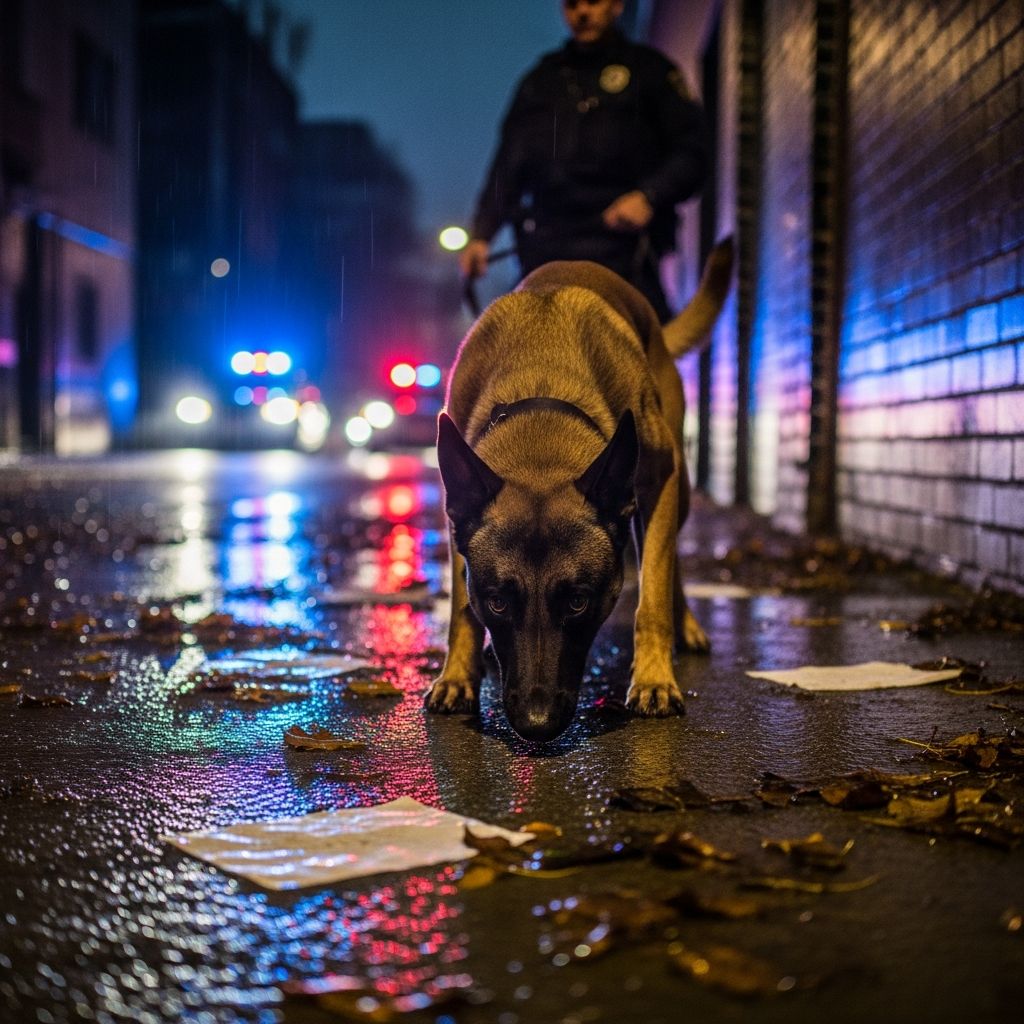
Police departments across the United States deploy approximately 50,000 dogs to assist in criminal investigations, with their primary role being the detection and identification of controlled substances. These canines have become a cornerstone of law enforcement strategy, particularly during traffic stops, property searches, and warrant executions. For decades, courts treated a positive alert from a trained detection dog as near-conclusive evidence of illegal drug presence, establishing probable cause for searches without requiring additional corroborating evidence. However, emerging scientific research and appellate court decisions have begun to challenge this long-standing assumption, revealing significant discrepancies between controlled training environments and actual field performance.
The Reality of Field Performance versus Training Standards
One of the most significant findings in recent canine performance studies involves comparing controlled training scenarios with real-world deployment results. When drug-detection dogs operate in laboratory or training facility environments, their accuracy appears substantially higher than their performance during actual police operations. This distinction has profound implications for how courts should evaluate the reliability of canine alerts as evidence.
A comprehensive analysis of Chicago police records spanning three years documented that drugs or paraphernalia were actually discovered in only 44 percent of cases where a detection dog alerted to drug presence. This statistic is particularly striking when considered against the premise that a dog’s alert should establish probable cause for an invasive search. The gap between training performance metrics and field accuracy suggests that factors present in real-world environments—such as handler expectations, environmental distractions, and contextual pressures—significantly influence canine behavior in ways that controlled training does not capture.
The Handler-Expectation Phenomenon
Research examining the interaction between handlers and their canine partners has revealed a troubling pattern: dogs appear to respond to subtle, often unconscious cues from their handlers regarding when an alert should be given. In one notable study, researchers presented detection dogs with packages in controlled conditions. The dogs’ behavior changed markedly depending on how suspicious the packages appeared to their handlers, despite the actual contents remaining identical. When handlers believed a package warranted closer examination, false positive alerts increased significantly, suggesting that dogs may be conditioned to detect and respond to handler expectations rather than purely to drug odors.
This phenomenon raises fundamental questions about the independence and objectivity of canine alerts. If a dog’s behavior is influenced by its handler’s beliefs and expectations, then the alert cannot be treated as an unbiased, objective indicator of drug presence. The handler becomes a variable in the detection equation, potentially introducing bias—intentional or otherwise—into the investigative process.
Documented Disparities in Alert Accuracy
Beyond overall accuracy rates, research has identified troubling disparities in how canine alerts correlate with actual drug discovery across different demographic groups. Chicago police records revealed that when the subject of a canine search was Hispanic, the accuracy rate dropped to 27 percent, compared to the overall baseline of 44 percent. This disparity suggests that factors beyond canine olfactory capability—potentially including handler bias, differential scrutiny based on demographic characteristics, or varied decision-making regarding when to deploy dogs—may influence outcomes.
These demographic disparities are particularly concerning from a constitutional perspective, as they raise questions about equal protection under law and the potential for canine searches to perpetuate or amplify existing biases in law enforcement. When a detection mechanism produces systematically different results based on racial or ethnic characteristics of the person being searched, the reliability of that mechanism as an objective investigative tool becomes highly questionable.
Legal Standards and Appellate Scrutiny
The U.S. Supreme Court’s landmark decision in Florida v. Harris established that a dog’s certification and training history are sufficient to establish probable cause for a search, without requiring examination of the dog’s actual field performance record. Under this standard, a dog can generate probable cause based entirely on credentials and controlled-setting training, regardless of how accurately it performs during actual police work.
However, subsequent appellate decisions have begun to challenge this approach. The 7th Circuit Court of Appeals, in a significant 2015 ruling, examined the case of a detection dog named Lex that was documented to be incorrect 40 percent of the time, despite showing a 93 percent alert rate. The court suggested that if a conviction relied solely on Lex’s detection, the conviction could potentially be overturned on appeal. This decision marked a notable shift away from uncritical acceptance of canine alerts, toward more rigorous scrutiny of the actual reliability evidence.
False Alert Rates: A Persistent Problem
Independent studies examining canine detection accuracy have produced alarming findings regarding false positive rates. One comprehensive review determined that when detection dogs were taken through areas containing no drugs, they indicated the presence of narcotics approximately 85 percent of the time. This extraordinarily high false alert rate in drug-free environments demonstrates that canine alerts cannot reliably distinguish between genuine drug detection and false indications.
These false alert rates are not anomalous findings limited to a few poorly trained dogs. Rather, they appear consistent across multiple jurisdictions and studies, suggesting systemic issues with how canine detection is understood and utilized. When a detection mechanism produces false positive results with such frequency, its value as evidence should be seriously questioned, particularly given the serious consequences—invasive searches, arrests, prosecution, and potential incarceration—that flow from reliance on such unreliable indicators.
The Marijuana-Residue Problem
An additional complication arises from the lingering effects of marijuana exposure on detection dogs. Once a dog has been trained to alert to marijuana, it cannot unlearn this behavior, even in jurisdictions where marijuana has been legalized or decriminalized. This means a dog may alert to marijuana residue from prior exposure rather than to currently illegal substances actually present on a person or in a vehicle. The dog’s inability to distinguish between current possession and residual scent from past contact creates significant potential for false alerts in situations where marijuana possession is no longer illegal or where a person has had prior contact with marijuana that has left detectable residual odor.
Constitutional Implications and Fourth Amendment Concerns
The reliability concerns surrounding drug-detection dogs raise substantial Fourth Amendment issues. The Fourth Amendment protects citizens against unreasonable searches and seizures, and probable cause is theoretically the threshold for conducting searches. However, the current legal standard permits searches based on canine alerts that, according to empirical evidence, are wrong more often than not in producing actual contraband discoveries.
This creates an inverted hierarchy of constitutional protection: weak evidence (an unverified canine sniff) receives minimal judicial scrutiny, while stronger evidence (sworn affidavits supported by corroborating data) is held to more rigorous standards. This inversion contradicts the fundamental logic of probable cause, which should require reasonably reliable evidence before sanctioning invasive searches of persons or property. When canine alerts generate probable cause with such minimal oversight despite demonstrated unreliability, the constitutional safeguard of probable cause is substantially eroded.
The Challenge of Distinguishing Past and Present Drug Contact
A particularly problematic aspect of canine detection involves the dogs’ inability to distinguish between current drug possession and prior contact with drugs. A person may have handled narcotics days or weeks previously, leaving microscopic residue on their clothing or body. A detection dog will alert to this residue despite the person no longer possessing any contraband. Yet this alert is treated identically to alerts indicating actual current possession, creating numerous false leads and unjustified searches.
Law enforcement and prosecutors have sometimes attempted to address this limitation by considering admissions of past drug contact as evidence supporting the accuracy of canine alerts. However, this reasoning is flawed: a dog’s detection of residual drug particles does not establish that the person currently possesses illegal substances. The presence of residual scent is probative of nothing beyond the person’s prior exposure to drugs, which may be entirely legal or relevant.
Recommendations for Criminal Defendants
For individuals facing charges based primarily on canine detection, several strategies may be available:
- Challenging the dog’s certification and training records during pretrial motions
- Demanding discovery of the dog’s field performance history, not merely its training credentials
- Requesting expert testimony regarding the officer’s training, experience, and potential bias
- Presenting evidence of handler-expectation effects and false alert rates in similar contexts
- Highlighting demographic disparities in canine alert accuracy
- Challenging the legal sufficiency of a canine alert to establish probable cause given documented unreliability
Judicial Approaches to Canine Evidence Evaluation
Courts evaluating canine reliability should consider comprehensive evidence rather than relying solely on certification and training records. Relevant factors include the dog’s actual field performance record over time, the specific handler’s experience and training, environmental conditions that may have affected the alert, alternative explanations for the dog’s behavior, and demographic patterns in how alerts correlate with actual contraband discovery.
Some jurisdictions have begun requiring prosecutors to present detailed performance data when canine alerts form the basis for probable cause. This represents a more rigorous approach than the Florida v. Harris standard, which permits reliance on training credentials alone. As more empirical data regarding canine performance becomes available and more appellate courts scrutinize the reliability question, judicial standards may continue to evolve toward greater skepticism of canine evidence.
Ongoing Research and Evolving Standards
The scientific examination of canine detection performance continues to expand, with researchers exploring the mechanisms of handler influence, the effects of various environmental factors, and the dogs’ ability to differentiate between different substances and between current and residual drug presence. As this research develops, legal standards regarding the admissibility and weight of canine evidence may shift further away from the near-absolute deference currently afforded to certified detection dogs.
Defense attorneys, judges, and policymakers are increasingly recognizing that the traditional approach to canine evidence—treating alerts as near-infallible indicators of criminal activity—is inconsistent with empirical reality. The high false alert rates, handler-expectation effects, demographic disparities, and inability to distinguish past from present drug contact all undermine the premise that canine detection provides reliable probable cause for searches.
Frequently Asked Questions
Q: Can a drug-detection dog’s alert alone establish probable cause for a search?
A: While courts have permitted this under Florida v. Harris, the underlying reliability of canine alerts is increasingly questioned. A dog’s alert may establish probable cause under current law, but this does not mean the alert is actually reliable, and defense challenges to the dog’s training, field performance, and handler bias are becoming more common and potentially successful.
Q: What is the actual accuracy rate of drug-detection dogs?
A: Field studies show drug-detection dogs are incorrect approximately 44 to 56 percent of the time, meaning drugs are found in less than half the cases where dogs alert. In some demographic groups, accuracy is substantially lower. These rates fall far short of the standards typically applied to other forms of evidence.
Q: How does handler bias affect a dog’s alert?
A: Research demonstrates that dogs respond to subtle cues from their handlers regarding whether an alert should be given. When handlers believe circumstances warrant suspicion, false alerts increase significantly, suggesting dogs are responding to handler expectations rather than purely to drug odors.
Q: What should I do if I’m charged based primarily on a canine alert?
A: Consult with a criminal defense attorney who can challenge the dog’s certification, request field performance records, present evidence regarding handler bias and false alert rates, and argue that a canine alert is insufficient to establish probable cause for the search that led to your charges.
Q: Can residual drug scent from past contact trigger a false alert?
A: Yes, drug-detection dogs cannot distinguish between current possession and residual scent from prior contact with drugs. This can result in false alerts against individuals who previously handled drugs but currently possess no contraband.
References
- United States v. Bentley — United States Court of Appeals for the Seventh Circuit. 2015. No. 10-10108-001. Addressing drug-detection dog accuracy and reliability standards in establishing probable cause.
- Florida v. Harris — United States Supreme Court. 2013. 568 U.S. 237. Establishing the legal standard for evaluating drug-detection dog reliability based on certification and training records.
- Illinois v. Caballes — United States Supreme Court. 2005. 543 U.S. 405. Addressing the Fourth Amendment implications of dog sniffs during lawful traffic stops.
- Chicago Police Drug Detection Dog Analysis — Chicago Tribune. 2011. Analysis of three-year police records examining correlation between canine alerts and actual drug discovery, revealing significant accuracy disparities across demographic groups.
- Handler Bias and False Alert Research — Academic research examining the influence of handler expectations on canine alert behavior, demonstrating increased false positives when handlers believe circumstances warrant suspicion.
- New South Wales Police Drug Detection Dog Ombudsman Report — NSW Ombudsman. Examining limitations of using past admissions to validate current drug-detection accuracy and distinguishing between detection of residual scent versus current possession.
Similar Articles








Read full bio of Sneha Tete




