
Driveway Paving Scams: How Summer Con Artists Target Homeowners
Learn how seasonal driveway paving scams work, the warning signs at your door, and the legal steps you can take to protect your home and wallet.
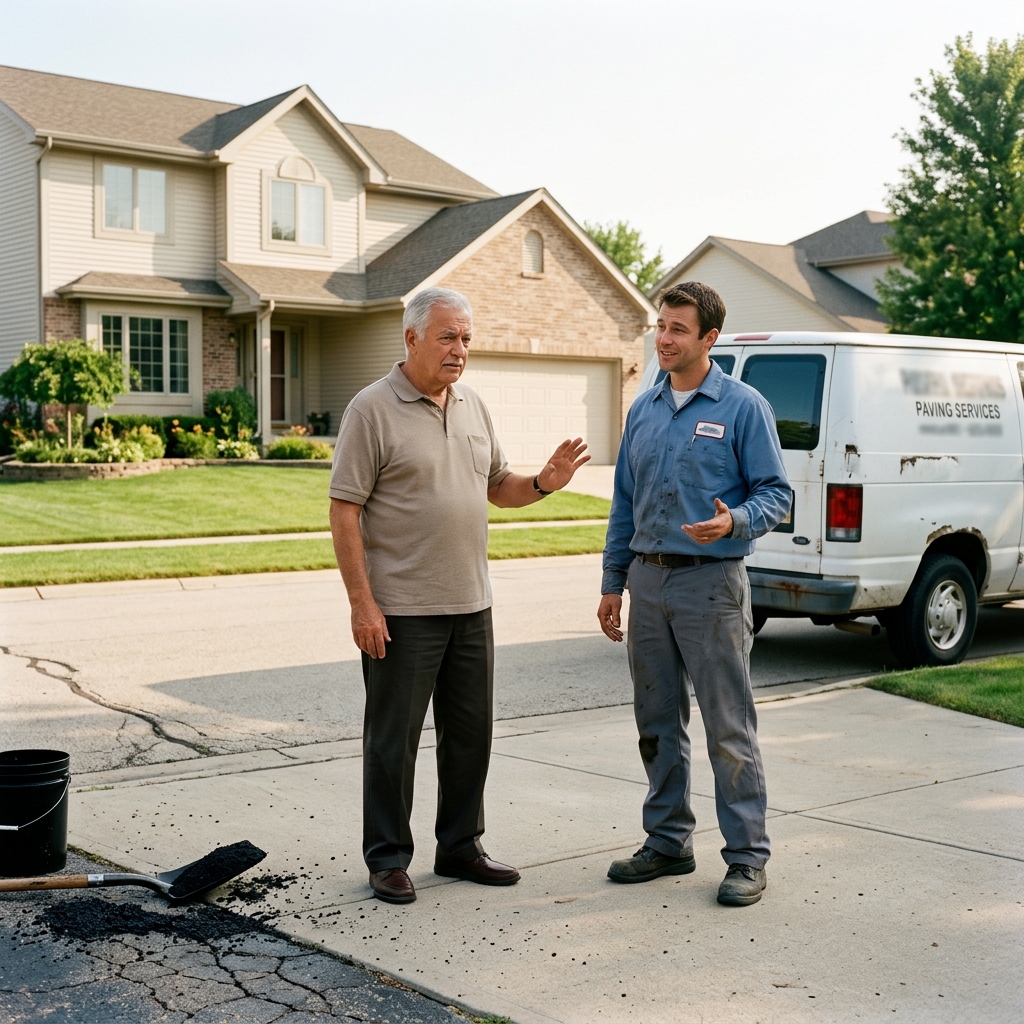
Every summer, as the weather improves and people start tackling home projects, a familiar threat reappears on residential streets: driveway paving scams.These schemes typically involve traveling crews who knock on doors, claim to have leftover asphalt from a nearby job, and pressure homeowners into quick, expensive, and often shoddy work.
While the details vary from case to case, the pattern is consistent enough that law enforcement and attorneys general across several states issue seasonal alerts warning residents to be on guard.Understanding how these scams work is the first step in protecting yourself, your family, and your property.
Why Driveway Paving Scams Surge in Warm Weather
Driveway paving and sealing require dry, relatively warm conditions, which makes late spring through early fall prime time for legitimate contractors and scammers alike.Consumer protection agencies report that home improvement complaints peak in summer, when homeowners are more likely to say yes to on-the-spot offers for outdoor work.
Several factors make this season especially attractive to scammers:
- More homeowners are outside and accessible for door-to-door pitches.
- Driveways, roofs, and decks visibly show wear after winter, prompting concern.
- People feel urgency to finish projects before colder months return.
- Traveling crews can move easily between neighborhoods and states.
Officials in states like Ohio and Idaho have periodically warned residents about roaming paving crews who appear suddenly, offer steep discounts, and then disappear once money changes hands.
How the Typical Driveway Paving Scam Works
Although every case is a little different, most driveway paving scams follow a similar playbook.Recognizing this pattern early can help you shut down the conversation before any damage is done.
Step 1: The Unexpected Knock on the Door
Scammers usually arrive unannounced in a truck that appears to be a legitimate work vehicle.They may wear high-visibility vests or work clothes to look professional.You did not call them, but they will behave as if they are doing you a favor by stopping by.
Step 2: The “Leftover Asphalt” Story
One of the most common tactics is claiming they have leftover asphalt or sealing material from a job “just down the road” or in your neighborhood.They insist they cannot take the leftover mix back to the plant and would rather give you a special discount to use it up.
This narrative creates a sense of urgency and an illusion of value, but consumer protection agencies consistently list it as a major red flag for fraud.
Step 3: A Price That Changes Mid-Job
Initially, the quote may sound low or vague.Sometimes the scammer will say something like “a few hundred dollars” without putting it in writing.Once they start spreading asphalt or sealant, the story often changes:
- The crew claims they miscalculated the area.
- They insist more material was needed than expected.
- The final bill suddenly grows to several thousand dollars.
Homeowners who refuse to pay may face intimidation, threats to tear up the driveway, or demands for immediate payment in cash or money order.
Step 4: Poor Quality Work and Rapid Exit
Because the main goal is to collect money quickly and leave, the quality of the work is usually very poor.Common problems include:
- Thin layers of asphalt that crumble or wash away.
- Uneven surfaces and improper grading.
- No proper base preparation for long-term durability.
- Sealants that never cure correctly or peel quickly.
Once the crew is paid, they move on to the next neighborhood, often under a different business name.Phone numbers and addresses on any paperwork—if provided at all—may be fake or untraceable.
Red Flags: How to Spot a Driveway Paving Scam
Consumer protection offices have outlined a number of warning signs that often appear together in these scams.If you see several of these at once, you should proceed with extreme caution or simply decline the offer.
- Unsolicited door-to-door offer for driveway work you did not request.
- Claims of leftover materials from another job that must be used “today”.
- Pressure to make an immediate decision or to start work on the spot.
- Reluctance to provide a written contract, detailed estimate, or full business information.
- Requests for cash, wire transfer, money order, or prepaid card payments.
- No local references, no license or registration number, or only a post office box address.
- Refusal to acknowledge your legal right to cancel door-to-door sales within a specified period, where applicable.
If you encounter several of these signs, consumer agencies recommend ending the conversation, not signing anything, and not allowing work to begin.
Legal Protections and Your Rights as a Consumer
Many states have laws designed to protect consumers from high-pressure door-to-door sales and deceptive contractor practices.These laws can be powerful tools if you know how they work.
The “Cooling-Off” Period for Door-to-Door Sales
In numerous jurisdictions, door-to-door sales of goods or services above a certain dollar amount must include a three-day right to cancel (sometimes called a cooling-off period).According to guidance from state attorneys general, contractors must:
- Provide written notice of your right to cancel within the specified period.
- Include the contractor’s full, physical address in cancellation instructions.
- Refrain from starting work before the cooling-off period ends, unless you specifically waive that right in writing.
Fraudulent paving crews may ignore or deny these requirements, which is itself a violation of consumer protection laws.
Licensing, Registration, and Contractor Numbers
Some states require contractors, including paving companies, to be registered or licensed.For example, Idaho instructs homeowners to verify that paving contractors have a valid contractor registration number with the appropriate state agency before hiring them.Similar requirements exist in other jurisdictions for certain construction and improvement work.
Failing to provide this information, or providing numbers that do not match state records, is a serious warning sign of a possible scam.
Checking a Contractor Before You Say Yes
Most driveway paving contractors are legitimate businesses that rely on reputation and repeat customers.To distinguish them from scammers, consumer advocates recommend conducting a basic due diligence check before agreeing to any work.
Verification Steps to Take
| Step | What to Do | Why It Matters |
|---|---|---|
| Confirm Identity | Ask for the company name, physical address, phone number, and names of owners or managers. | Scammers often use generic or shifting business names and non-traceable contact details. |
| Check Registration/Licensing | Look up the contractor or license number with the relevant state or local authority. | Many states offer online databases to confirm active, compliant contractors. |
| Research Complaints | Search consumer protection offices and reputable business organizations for complaints or enforcement actions. | Pattern complaints or warnings from attorneys general signal risk. |
| Get Multiple Bids | Obtain written estimates from at least two or three established local companies. | Outlier prices—especially unusually cheap offers—can indicate low-quality work or scams. |
| Insist on a Written Contract | Require a detailed contract including scope of work, materials, schedule, and total price. | Written terms help prevent price changes and clarify expectations. |
Best Practices to Protect Yourself from Paving Scams
Beyond identifying red flags, there are practical steps you can take to make yourself a difficult target.
Slow Down the Decision
- Never hire a contractor on the spot, especially from an unsolicited visit.
- Tell any door-to-door seller you need time to research and compare options.
- Refuse any offer that is “today only” or contingent on immediate payment.
Consumer advocates consistently emphasize that legitimate businesses will allow you time to think and will welcome comparison shopping.
Control How and When You Pay
- Avoid paying large sums upfront before any work is completed.
- Use secure payment methods that allow dispute or chargeback, such as credit cards, where possible.
- Keep copies of all contracts, estimates, and receipts.
Breaking payments into stages linked to specific milestones—such as one payment at signing, one midway, and one after satisfactory completion—can reduce the risk that a contractor will disappear after being paid.
Know When to Walk Away
You are under no obligation to continue a conversation that makes you uncomfortable.Close the door or ask the person to leave your property if:
- They become aggressive or dismissive when you ask for references or licenses.
- They refuse to provide written documentation.
- They pressure you to sign immediately.
If a seller refuses to respect your request to leave, you may wish to contact local law enforcement for guidance.
What to Do If You Think You Have Been Scammed
Even careful homeowners can fall victim to sophisticated or high-pressure scams.If you believe you have been defrauded by a paving crew, there are steps you can take to document the problem and seek help.
Document Everything
- Take clear photos and videos of the driveway from multiple angles.
- Gather any paperwork, contracts, business cards, or written estimates.
- Write down names, phone numbers, license plates, and descriptions of the crew or vehicles.
- Note dates, times, and what was said, as accurately as you can remember.
Detailed documentation can assist law enforcement, consumer protection offices, and any reputable contractor who later evaluates the damage.
Report the Scam to Authorities
State attorneys general encourage consumers to report suspected traveling scam artists and paving fraud.Depending on where you live, you may be able to file a complaint with:
- Your state attorney general’s consumer protection division.
- Your local police or sheriff’s office, especially if threats or intimidation occurred.
- Relevant licensing or registration boards that oversee contractors.
These reports can help authorities spot patterns, issue public warnings, and sometimes pursue enforcement actions against repeat offenders.
Consider Civil and Financial Remedies
- If you paid by credit card, ask your card issuer about dispute or chargeback options.
- Consult a local attorney or legal aid organization about potential civil claims or small claims court.
- Obtain an independent written assessment and cost estimate from a reputable paving contractor to document repair needs.
While not every loss can be fully recovered, taking prompt action can improve your chances and may help prevent the scammers from targeting others.
Comparing Legitimate Contractors and Scam Crews
Once you know what to look for, it becomes easier to distinguish an honest paving company from a fraudulent operation.The table below summarizes typical differences.
| Feature | Legitimate Contractor | Scam Paving Crew |
|---|---|---|
| How They Contact You | Usually respond to your inquiry or advertise through stable channels. | Appear uninvited at your door, often in unmarked or generic trucks. |
| Business Information | Provides full name, physical address, phone, and online presence. | Gives vague details, P.O. box only, or non-working phone numbers. |
| Pricing | Written estimate with clear breakdown; price stays consistent barring agreed changes. | Verbal or very rough quote that increases dramatically once work starts. |
| Paperwork | Provides written contract, warranty information, and cancellation rights where required. | Resists written agreements; may deny existence of cooling-off laws. |
| Payment Method | Accepts multiple methods; may structure payments by milestones. | Demands immediate cash, wire, or prepaid card payment. |
| Quality of Work | Uses appropriate materials, prepares base properly, and stands behind the job. | Applies thin or improper layers, leaves quickly, and cannot be reached later. |
FAQs About Driveway Paving Scams
1. If someone offers to pave my driveway with “leftover materials,” is that automatically a scam?
Not every offer involving leftover materials is fraudulent, but consumer protection officials consistently list this as one of the strongest indicators of a scam.Reputable contractors rarely need to sell leftover asphalt door-to-door; they typically schedule and price jobs to minimize waste.Treat such offers with skepticism and take time to independently verify the business.
2. Are door-to-door paving offers always illegal?
Door-to-door sales are not inherently illegal.However, in many places, such sellers must follow specific rules, including providing written contracts and honoring a cooling-off period.When crews ignore these requirements, misrepresent their business, or use deceptive tactics, their conduct can violate consumer protection laws.
3. How can I check if a paving contractor is legitimate?
Start by asking for the company’s full name, physical address, and any required contractor or registration numbers.Verify those details with state or local licensing agencies and consult consumer protection offices or reputable business organizations for complaint histories.You should also request local references and review multiple written estimates from established companies before deciding.
4. What should I do if a contractor pressures me to sign immediately?
High-pressure tactics are a red flag.You are entitled to take time to think and to review other bids.Politely decline, state that you do not make decisions on the spot, and end the conversation.If you feel threatened or harassed, contact local law enforcement.
5. Can I cancel a contract after I sign it?
In many jurisdictions, you may have a legal right to cancel certain door-to-door contracts within a specific period, commonly three days.The seller is often required to give you written notice of these rights.If you want to cancel, follow the instructions carefully and keep proof of your cancellation.For advice tailored to your location, contact your state attorney general or a legal aid organization.
References
- Beware of Traveling Scam Artists — Ohio Attorney General. 2012-09-01. https://www.ohioattorneygeneral.gov/Media/Newsletters/Consumer-Advocate/September-2012/Beware-of-Traveling-Scam-Artists
- Attorney General DeWine Warns of Summer Scams — Ohio Attorney General / GovDelivery. 2018-06-06. https://content.govdelivery.com/accounts/OHAG/bulletins/1f7127b
- Attorney General Warns Idahoans about Summer Paving Scams — Idaho Office of the Attorney General. 2022-06-23. https://www.ag.idaho.gov/newsroom/attorney-general-warns-idahoans-about-summer-paving-scams/
- Summer-time scam targets homeowners and small businesses — KSTP / Minnesota Attorney General (video report). 2014-07-22. https://www.youtube.com/watch?v=HM69P1YQaxI
- BBB – Asphalt Paving Scams — Better Business Bureau (video guidance). 2015-08-11. https://www.youtube.com/watch?v=99ECUSTvbm8
Similar Articles








Read full bio of medha deb




