
Understanding Driver’s Licenses for Undocumented Immigrants
A clear, practical overview of how undocumented immigrants can or cannot obtain legal driving privileges in different U.S. states.
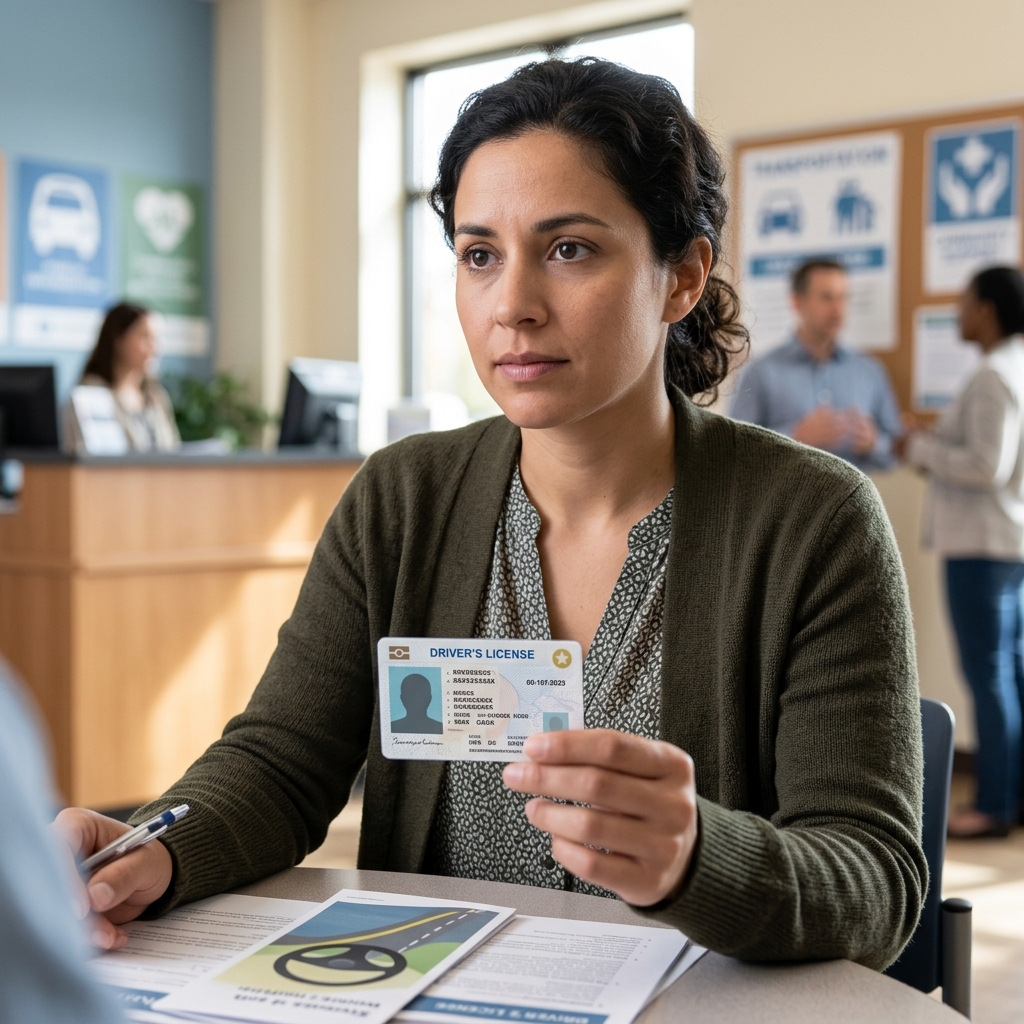
Across the United States, driver’s license access for undocumented immigrants is shaped by a patchwork of state laws, federal identity standards, and evolving political debates. For undocumented people and mixed-status families, knowing who can get a license, where it is valid, and what risks may be involved is essential for daily life and long-term planning.
This article explains how driver’s licenses intersect with immigration status, what the law allows in different states, how the federal REAL ID Act limits what licenses can do, and what undocumented people need to consider when driving, moving between states, or interacting with law enforcement.
Why Driver’s Licenses Matter for Undocumented Immigrants
Driving is often not a luxury but a necessity. Many undocumented immigrants live in areas with limited public transportation and must rely on cars to reach work, school, medical appointments, and places of worship. When licenses are unavailable, people may drive without authorization, exposing themselves to fines, court involvement, or even immigration consequences.
Access to a license also has broader community impacts:
- Road safety: Licensing typically requires a written test, vision exam, and road test, helping ensure that more drivers understand traffic rules and safety practices.
- Insurance coverage: Licensed drivers are more likely to obtain car insurance, which helps cover damages in crashes and can reduce uncompensated costs for victims.
- Economic stability: Reliable transportation can expand job opportunities and support stable employment.
For these reasons, some states have created paths for undocumented residents to obtain a limited form of driver’s license or permit.
State-by-State Variation: Who Can Get a License?
The United States does not have one national rule governing driver’s licenses for undocumented immigrants. Instead, each state decides its own eligibility requirements. This means people with similar immigration status may have very different options depending on where they live.
States That Allow Licenses Regardless of Legal Status
As of late 2023, multiple states and territories let some or all undocumented residents apply for a driver’s license or driving permit if they can prove identity and residence, even without lawful immigration status.
These jurisdictions include, among others:
- California
- Colorado
- Connecticut
- Delaware
- Hawaii
- Illinois
- Maryland
- Massachusetts
- Minnesota
- Nevada
- New Jersey
- New Mexico
- New York
- Oregon
- Rhode Island
- Utah
- Vermont
- Virginia
- Washington
- District of Columbia and Puerto Rico
These licenses are typically standard, non-REAL-ID-compliant documents designed to allow lawful driving, not to serve as federal identification for boarding planes or entering certain federal facilities.
States That Restrict Licenses to Those With Lawful Status
Other states take the opposite approach: they require proof of U.S. citizenship or lawful presence in order to obtain any driver’s license or ID card. In these states, undocumented residents cannot legally get a license, and driving may expose them to traffic charges and, in some circumstances, immigration enforcement.
For example, Florida law bars its Department of Highway Safety and Motor Vehicles from issuing driver’s licenses to undocumented immigrants and treats certain licenses issued exclusively to undocumented drivers in other states as invalid in Florida. If a driver uses one of those invalid licenses during a traffic stop, the officer must treat the person as if they are driving without a valid license.
How to Read State Rules at a Glance
| State approach | General rule | Typical impact on undocumented drivers |
|---|---|---|
| Inclusive licensing states | Offer standard licenses or permits regardless of immigration status. | Can take tests and obtain a license if they prove identity and residence; still restricted for federal uses. |
| Restrictive licensing states | Require proof of lawful presence or citizenship for any license. | Cannot get a license; driving may lead to citations or other consequences. |
| Hybrid or changing policies | Some states have recently expanded or tightened access and may have special categories. | Eligibility may depend on specific programs (e.g., DACA) or recent legislative changes. |
REAL ID, Federal Law, and What Licenses Can Be Used For
Even in states that allow undocumented immigrants to get licenses, federal law limits how those licenses can be used. The key statute is the REAL ID Act of 2005, a federal law that sets minimum security standards for state-issued IDs used for federal purposes.
What Is REAL ID?
The REAL ID Act requires states to verify certain information before issuing a REAL-ID-compliant license that can be used to board domestic flights or enter secure federal facilities. Among other things, REAL ID-compliant cards generally require proof of U.S. citizenship or lawful presence in the country.
For undocumented immigrants, this means:
- They are generally not eligible for REAL-ID-compliant licenses because they cannot show lawful status.
- The licenses they obtain in inclusive states are typically marked or classified as non-compliant for federal identification.
- Those licenses may still allow them to drive locally, but they cannot rely on them to board airplanes or access certain federal buildings.
DACA and Other Limited Lawful Statuses
Recipients of Deferred Action for Childhood Arrivals (DACA) have a form of temporary lawful presence and work authorization, which makes them eligible for REAL-ID-compliant licenses in every state that issues such licenses. Federal guidance explicitly lists deferred action as a qualifying status for REAL ID documents.
However, DACA’s future has been legally and politically uncertain, and changes to the program could affect driver’s license eligibility for those relying on it. Other immigration programs that grant work authorization and lawful presence may likewise open access to standard or REAL-ID-compliant licenses, but eligibility varies by state.
Driving Across State Lines With an Undocumented-Focused License
Many undocumented drivers live near state borders or travel for work and family reasons. When a state issues licenses specifically or primarily for undocumented residents, other states may treat those licenses differently.
Recognition Problems in Restrictive States
Some restrictive states have passed laws stating that licenses issued exclusively to undocumented immigrants in other states are not valid for driving within their borders. Under Florida law, for example, a license from another state that is expressly reserved for people who cannot prove lawful presence is deemed invalid, and the holder can be cited for driving without a valid license.
This creates a situation where:
- A person may be fully licensed and insured in their home state;
- Yet still be treated as unlicensed if stopped by law enforcement in a restrictive state that refuses recognition of their license class.
Practical Considerations for Interstate Travel
Undocumented immigrants who hold a license from an inclusive state and plan to travel should carefully consider:
- Destination state laws: Some states provide online lists of license classes from other states that they consider invalid.
- Risk of traffic stops: Minor infractions, like speeding or broken lights, can lead to questions about license validity.
- Potential immigration consequences: While a driver’s license record itself is not an immigration document, interactions with law enforcement can sometimes lead to immigration referrals.
Because rules can change, checking up-to-date state government resources or credible legal guides before traveling is wise.
Documentation and Requirements in Inclusive States
States that allow undocumented immigrants to obtain a license generally still require proof of identity and residence; they simply do not require proof of lawful immigration status.
Common requirements include:
- Evidence of identity, such as a foreign passport or consular ID card.
- Proof of state residency, such as a lease, utility bill, or school record.
- Passing written and road tests, and paying the applicable fees.
Some states create a separate license category with particular markings or codes to distinguish it from REAL-ID-compliant licenses, while others issue standard licenses but restrict them to state-level driving purposes.
Public Safety, Economic, and Policy Debates
Whether to allow undocumented immigrants access to driver’s licenses has been the subject of intense public debate and legislative activity in many states.
Arguments Supporting Access
- Improved road safety: Licensing encourages training and testing, which can reduce accidents and promote compliance with traffic laws.
- Insurance and financial stability: Licensed drivers are more likely to carry insurance, helping protect victims of crashes and reduce public costs.
- Integration and dignity: A license can allow undocumented residents to participate more fully in community life and reach essential services.
Arguments Opposing Access
- Immigration enforcement concerns: Some opponents argue that licenses may make it easier for undocumented immigrants to remain in the United States long-term.
- Security and identification: Critics worry that non-REAL-ID licenses could be misused for identification purposes beyond driving.
- Political signals: In some states, denying licenses to undocumented residents is framed as part of broader efforts to restrict unauthorized immigration.
Legislatures continue to revisit these questions, and new laws may be introduced or amended as political priorities shift.
Risks and Protections When Undocumented Drivers Interact With Law Enforcement
For undocumented drivers, interactions with police or highway patrol officers can carry heightened risks. Traffic stops may lead to citations, vehicle impoundment, or, in some cases, questions about immigration status.
The specific consequences depend heavily on state law, local policies, and the person’s broader circumstances. Points to consider include:
- Driving without a license: In restrictive states, driving without authorization can result in fines and court appearances, and repeated offenses may bring harsher penalties.
- License validity questions: If a state has declared certain out-of-state licenses invalid, officers may treat the driver as unlicensed even if they hold a license at home.
- Local cooperation with immigration authorities: Some jurisdictions limit local involvement in civil immigration enforcement, while others actively cooperate.
Understanding how local traffic and immigration enforcement work in a specific region is crucial, and many immigrants seek guidance from legal aid organizations or community groups to prepare for potential encounters.
Practical Tips for Undocumented Immigrants Considering Driving
Because the legal landscape is complex, undocumented immigrants should approach driving decisions carefully. General practical considerations include:
- Confirm eligibility in your state: Review official motor vehicle department information or trusted legal resources to see whether your state offers licenses regardless of immigration status.
- Gather documentation: If eligible, collect identity and residency documents, and make sure they are up to date.
- Prepare for tests: Study state driver manuals (usually available online) and consider practice exams.
- Consider legal advice: Talk to an immigration or civil legal aid attorney if you are unsure how obtaining a license might interact with your immigration case.
- Stay informed about changes: State laws can change quickly; periodic review of government websites or reputable legal organizations is important.
FAQs: Driver’s Licenses and Undocumented Immigrants
Can undocumented immigrants get a driver’s license in every state?
No. Only some states and territories allow undocumented immigrants to obtain licenses without proving lawful immigration status. Others require proof of lawful presence and therefore exclude most undocumented residents.
Is a license from one state always valid in another?
Not always. While states generally recognize each other’s licenses, some restrictive states have laws declaring licenses issued exclusively to undocumented immigrants in other states invalid for driving in their territory.
Do licenses for undocumented immigrants comply with REAL ID?
Typically no. Because REAL ID requires proof of citizenship or lawful presence, licenses available to undocumented immigrants are usually non-REAL-ID and cannot be used for federal identification purposes such as boarding commercial flights.
Can DACA recipients get a REAL-ID-compliant driver’s license?
Yes, in states that issue REAL-ID licenses, DACA recipients are generally eligible because deferred action with work authorization counts as a lawful status under federal guidance. However, DACA policies remain subject to court decisions and potential policy changes.
Does having a state driver’s license protect against deportation?
No. A driver’s license is a state document that authorizes driving; it does not confer immigration status or protection from removal. However, in some jurisdictions, access to licenses may reduce everyday contact with law enforcement due to fewer unlicensed-driving violations.
Where can undocumented immigrants find reliable information?
Undocumented immigrants can look to:
- Official state motor vehicle department websites for current licensing requirements.
- National and local immigration law organizations that publish guides and policy analyses.
- Community-based groups that provide workshops and clinics on driving and immigration-related topics.
References
- Driver’s Licenses and Undocumented Immigrants — Albany Law School, Government Law Center. 2019-06-01. https://www.albanylaw.edu/government-law-center/drivers-licenses-and-undocumented-immigrants
- Governor Ron DeSantis Announces List of Invalid Out-of-State Driver Licenses Issued to Undocumented Immigrants — Florida Governor’s Office. 2023-06-30. https://www.flgov.com/eog/news/press/2023/governor-ron-desantis-announces-list-invalid-out-state-driver-licenses-issued
- Can I get a driver’s license if I am undocumented? — United We Dream. 2023-07-10. https://unitedwedream.org/how-to-obtain-a-drivers-license-if-youre-undocumented/
- Driver’s licenses for illegal immigrants in the United States — Wikipedia (summary of state laws; primary data drawn from state statutes). 2023-10-01. https://en.wikipedia.org/wiki/Driver%27s_licenses_for_illegal_immigrants_in_the_United_States
- Florida Statutes, Section 322.033: Invalid License to Drive — State of Florida, Online Sunshine. 2025-01-01. https://www.leg.state.fl.us/Statutes/index.cfm?App_mode=Display_Statute&URL=0300-0399/0322/Sections/0322.033.html
- States Offering Driver’s Licenses to Immigrants — National Conference of State Legislatures. 2025-03-26. https://www.ncsl.org/immigration/states-offering-drivers-licenses-to-immigrants
- Driver’s Licenses — National Immigration Law Center. 2022-05-01. https://www.nilc.org/work/drivers-licenses/
Similar Articles








Read full bio of medha deb


