
Dressing For In-House Legal Interviews: Complete Guide
Master the art of professional attire for in-house legal roles to project confidence and competence from the first impression.
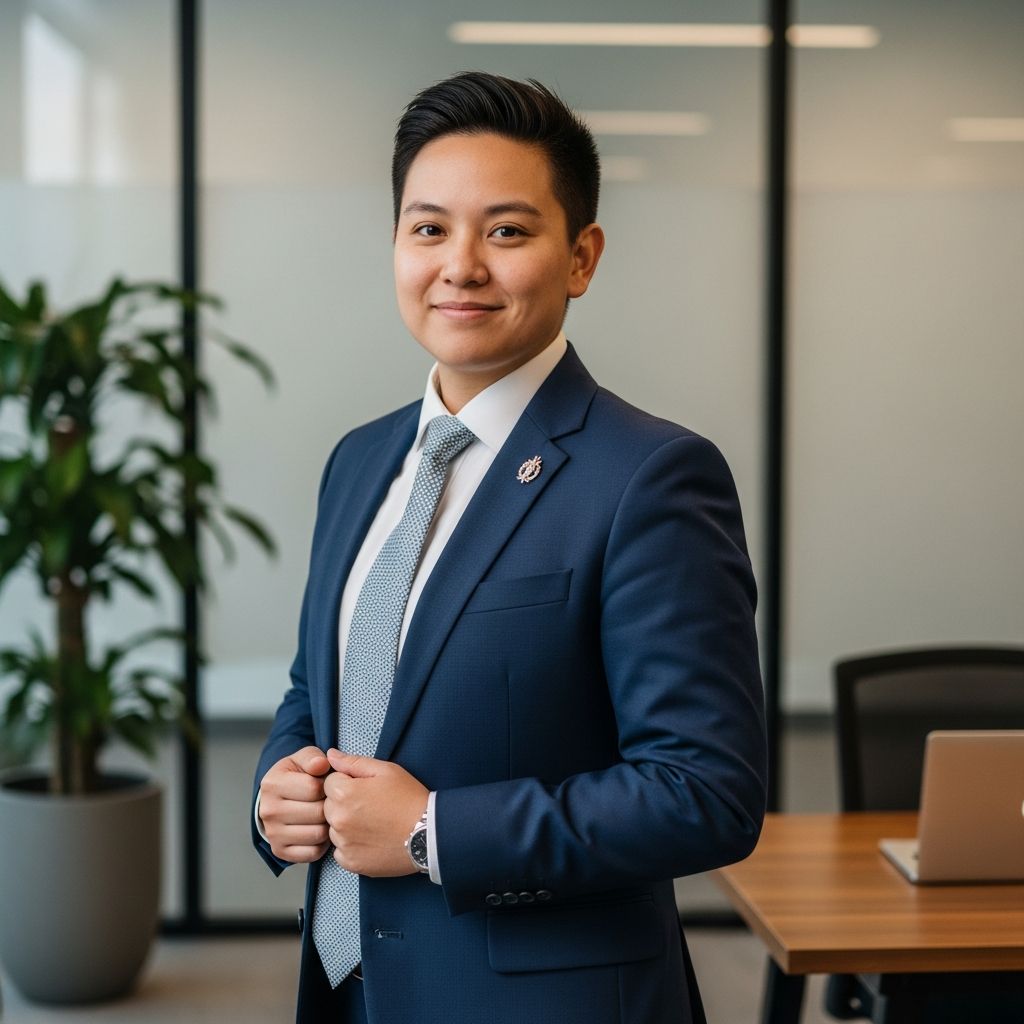
Securing an in-house legal position requires more than sharp legal acumen; your appearance plays a pivotal role in conveying professionalism and cultural fit. In-house roles at corporations often blend formality with a relaxed vibe compared to traditional law firms, yet first impressions demand polished business attire. This guide explores strategic clothing choices, grooming essentials, and adaptations for virtual settings to help you stand out positively.
Understanding the In-House Dress Expectation
In-house legal teams prioritize candidates who appear client-ready and team-oriented. Even if the company culture leans casual daily, interviews call for
business formal
attire to signal respect and preparedness. A suit remains the cornerstone, projecting authority without ostentation. Sources emphasize that overdressing slightly is preferable to underdressing, ensuring you align with expectations across conservative or innovative environments.Research company specifics via their career pages or LinkedIn to gauge formality. Tech firms might tolerate subtle modernity, while finance sectors demand classics. Tailoring your look demonstrates diligence and adaptability—key traits for in-house counsel.
Selecting the Perfect Suit
The suit is non-negotiable for most interviews. Opt for
single-breasted jackets
in gray, navy, black, or charcoal—colors that exude reliability. Avoid bold patterns, linen (unless climate dictates), or flashy fabrics; subtlety ensures focus remains on your qualifications.- Pantsuits: Versatile and practical, ideal for comfort without hosiery concerns. Choose straight-leg or classic fits; eschew skinny, cropped, or jogger styles for conservative interviewers.
- Skirt Suits: Knee-length or longer, tested for sitting and crossing legs. Ensure no riding up to maintain professionalism.
- Dress Suits: Sheath dresses paired with matching jackets work if fabric and color coordinate precisely—not a separate dress with a blazer.
Invest in tailoring: hems at shoe height, no pulling across thighs, jackets hugging shoulders without bunching. Comfort prevents fidgeting, allowing confident engagement.
Tops and Blouses: Keeping It Crisp
Under the jacket, select
button-up shirts
or shells in white, light blue, cream, or pale pastels. Tuck neatly for a streamlined silhouette; avoid low-cut, ruffles, or embellishments that distract. Shells offer flattering alternatives, but test with the full suit ensemble.| Top Type | Recommended Colors | Best For |
|---|---|---|
| Button-Up Shirt | White, Light Blue | Conservative Firms |
| Shell/Blouse | Cream, Pale Pastel | Modern In-House |
| Avoid | Bright, Patterned | All Scenarios |
For men, collared shirts pair with ties in solid or subtle stripes (blue, red, herringbone), reaching belt level.
Footwear Choices That Command Respect
Shoes must be closed-toe, low-heeled, and polished. Women: loafers, oxfords, pumps, or slingbacks in black, brown, or nude matching the suit. Men: shine dress shoes—no rubber soles if possible. Comfort is crucial; practice walking to avoid wobbles. Heels should be modest (under 3 inches) for poise.
- Match belt and shoes in color and style.
- Avoid trendy sneakers or open-toe sandals.
Handling Skirts, Dresses, and Legwear
For skirts or dresses, knee-length is mandatory. Nude or sheer hosiery may suit ultra-formal settings like East Coast firms, but bare legs are acceptable elsewhere, especially summer. Skip patterns, fishnets, or dark shades. Pantsuits eliminate this debate, favored for ease.
Accessories: Less is More
Minimize jewelry to studs, simple chains, or watches. Structured briefcases or purses in neutral tones complement; no logos or scuffs. Cover tattoos, remove non-standard piercings—interviewers notice. No sunglasses, even outdoors, to preserve eye contact.
Ties for men: classic patterns, no novelties. Belts plain, matching shoes.
Grooming and Hygiene Standards
Impeccable grooming amplifies attire. Fresh haircut, trimmed nails, subtle makeup, and neat facial hair. Conservative scents or none; ironed, spotless clothes. These details signal meticulousness vital for legal work.
Virtual Interview Attire Strategies
Zoom demands the same upper-body formality: full suit jacket, collared shirt. Test lighting and background—neutral, professional. While some in-house panels appear casual, a suit conveys seriousness. Sweaters or vests risk underdressing; blazer minimum, tie optional for relaxed vibes.
- Overdress safely: Suits impressed even casual interviewers.
- Full outfit: Prevents posture shifts revealing casual bottoms.
- Tech check: Camera at eye level, solid colors avoid pixelation.
Consensus: Suit and tie for men, jacket and blouse for women err positively.
Company Culture Calibration
Tech or creative firms allow slight personalization (e.g., subtle modern pants), but default conservative. Post-interview rounds may relax, matching team style. Observe interviewer attire upon arrival and adjust mentally for future rounds.
Common Outfit Mistakes to Avoid
Steer clear of:
- Trendy elements: Joggers, bold prints, excessive accessories.
- Poor fit: Baggy, tight, or wrinkled garments.
- Casual slips: Open-toe shoes, heavy fragrances, visible tattoos.
- Over-casual virtual: Sweatshirts or no jacket.
Preparation Timeline for Success
- Week Before: Shop or alter suit; polish shoes.
- Day Before: Dry clean, iron, layout outfit; trim hair/nails.
- Day Of: Shower, minimal products; arrive 15 mins early to compose.
Frequently Asked Questions (FAQs)
Is a suit always required for in-house interviews?
Yes, business suits are standard to appear professional, even in casual cultures. Exceptions are rare.
Should I wear hosiery with skirts?
Not mandatory; nude sheer for formal firms, bare legs fine otherwise.
What about virtual interviews—can I dress down?
Stick to jacket and shirt; suits preferred to avoid underdressing.
Are pantsuits better than skirt suits?
Pantsuits offer comfort and versatility; choice depends on preference and formality.
How do I handle tattoos or piercings?
Cover tattoos, remove non-ear piercings for a clean look.
Final Thoughts on Making Your Mark
Your interview outfit bridges legal expertise and corporate integration. By choosing timeless, well-fitted business formal wear, you underscore readiness for in-house demands. Practice full looks in mirrors, prioritize comfort, and let attire amplify—not distract from—your strengths.
References
- Interview Outfits for Lawyers: 13 Tips for Nailing It — M.M.LaFleur. 2023. https://mdash.mmlafleur.com/lawyer-interview-outfits/
- What should I wear to an interview? — LawCareers.Net. 2025-07-08. https://www.lawcareers.net/Explore/Oracle/08072025-What-should-I-wear-to-an-interview
- Interviews: Dress and Presentation Guidelines — UC Berkeley Law. 2023-05. https://www.law.berkeley.edu/wp-content/uploads/2023/05/Interviews_-Dress-and-Presentation-Guidelines.pdf
- Community Perspectives: What’s the consensus on dress code for a virtual interview? — Legal.io. N/A. https://www.legal.io/articles/5393242/Community-Perspectives-What-s-the-consensus-on-dress-code-for-a-virtual-interview-Is-a-suit-too-formal
- What NOT to Wear to an Interview — The Law Recruiters. N/A. https://thelawrecruiters.com/what-not-to-wear-to-an-interview/
Similar Articles








Read full bio of Sneha Tete


