
Domestic Abuse During Holidays: Safety Plan Guide For Survivors
Understanding holiday domestic abuse patterns, risk factors, and safety options so survivors, families, and communities can respond more effectively.
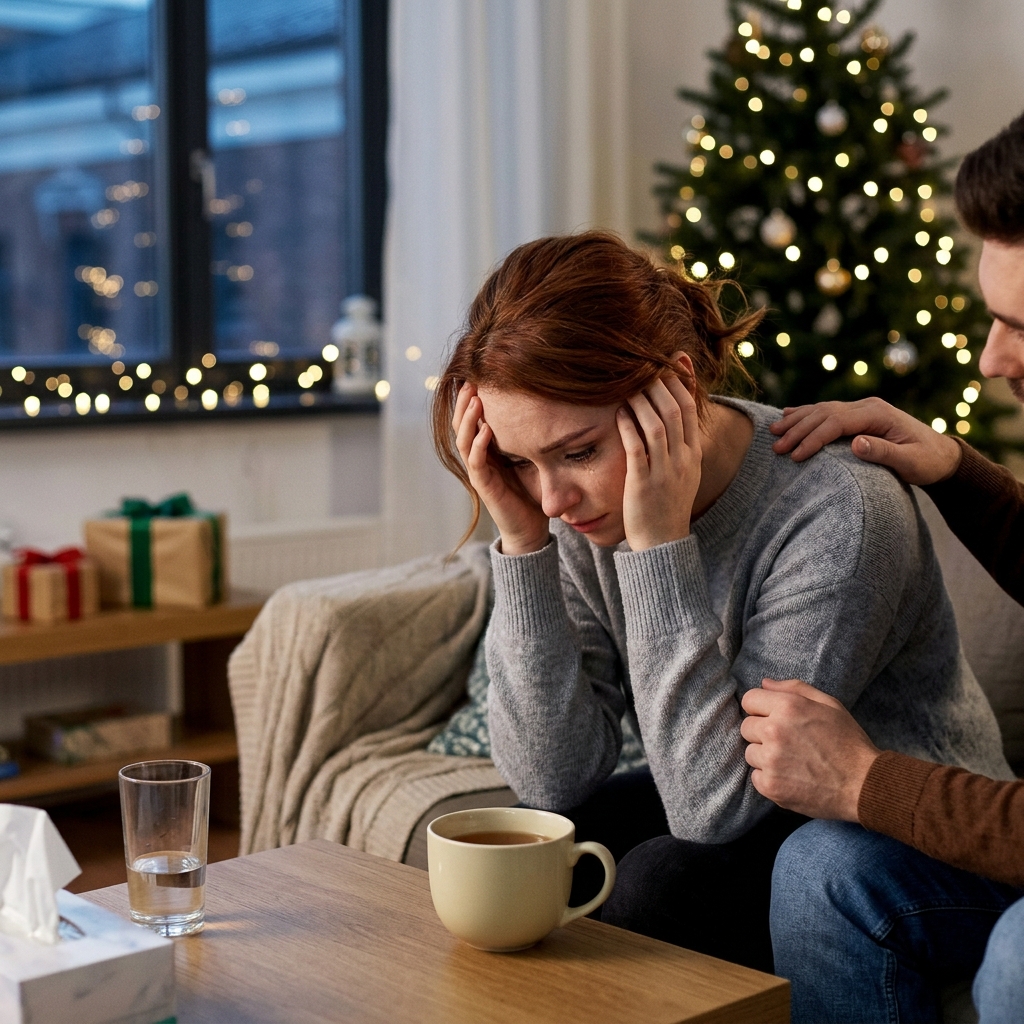
For many households, the period from late November through New Year is described as a season of celebration, travel, and family gatherings. Yet for people living with an abusive partner or family member, the same stretch of time can mean isolation, escalated control, and fewer opportunities to get help. Understanding how domestic abuse and holidays intersect is crucial for survivors, their loved ones, and professionals who may be in a position to intervene.
This article explains what current research and hotline data show about domestic abuse during holidays, why the picture is more complex than a simple seasonal “spike,” and how individuals can prepare safety plans and make use of legal protections when risk increases. It also offers practical guidance for friends, relatives, and community members who want to provide support in a safe and informed way.
Does Domestic Abuse Always Rise During Holidays?
It is widely believed that domestic abuse automatically increases around major holidays. Advocates and law enforcement in many communities do report that certain holiday periods can be especially dangerous. However, available research and hotline statistics show a more nuanced picture.
Mixed Evidence from Studies and Call Data
According to the National Resource Center on Domestic Violence (NRCDV), there is no single nationwide study that conclusively proves that domestic abuse rates are consistently higher or lower during the holiday season overall. Instead, existing data points to several key patterns:
- A study of intimate partner violence in one U.S. state found that reported incidents were lower than the yearly average on days like Thanksgiving and Christmas, but higher on New Year’s Eve, New Year’s Day, and some other holidays.
- Analysis of police call data from a large U.S. city showed that calls for assistance related to domestic violence were higher on New Year’s Day compared to the daily average.
- The National Domestic Violence Hotline has reported that its call volume falls significantly during major holidays, dropping by about half on days such as Thanksgiving and Christmas.
These patterns suggest that when families are gathered and routines are disrupted, abuse does not necessarily disappear—it may be underreported, hidden, or postponed, with survivors less able to safely reach out for help.
Why Holiday Call Numbers Can Drop Even When Risk Stays High
A drop in hotline calls or police reports on a given holiday does not mean that abuse is not happening. Instead, several factors can make it harder for survivors to reach out:
- Continuous surveillance by an abusive partner who is home from work or school and monitoring phone and internet use.
- Children and guests in the home, making a survivor reluctant to call for help for fear of escalating violence in front of others.
- Cultural and family pressure to keep the peace or avoid “ruining” a holiday gathering.
- Reduced access to transportation, childcare, or open service providers during long weekends.
Advocates note that some survivors will wait until after a holiday to call, resulting in a surge in contacts once the immediate event has passed.
Holiday-Related Risk Factors for Domestic Abuse
While holidays do not cause an abuser to become violent, they can intensify conditions that already exist in an abusive household. Several recurring stressors are commonly linked with increases in severity or frequency of abuse during this time of year.
Common Stressors That Can Escalate Abuse
- Financial pressure – Higher expenses for travel, food, and gifts can heighten stress in households where finances are already unstable. Abusers may respond by tightening control over money or lashing out when expectations cannot be met.
- Alcohol and substance use – Social events, office parties, and family gatherings often involve alcohol. Research has repeatedly found a strong association between substance use and intimate partner violence. While substances do not excuse abuse, they can lower inhibitions and increase volatility.
- Family conflict and expectations – Idealized images of “perfect” holidays can create unrealistic expectations about how events should unfold. When reality falls short, arguments may intensify, especially in relationships where one person already exerts control over others.
- Increased time at home – Vacations, school breaks, and workplace closures mean partners and children may be together for long stretches with fewer outside outlets, which can increase opportunities for conflict and control.
- Isolation from support networks – Travel to a partner’s family, winter weather, and busy schedules may limit contact with friends, coworkers, and advocates who normally provide support.
How These Stressors Interact with Existing Abuse
These holiday stressors are not the root cause of domestic abuse; abuse is driven by a pattern of power and control that exists year-round. However, increased stress can intensify strategies that an abuser is already using:
- More frequent verbal attacks or threats when money is tight.
- Stricter rules about where family members can go and who they can contact during gatherings.
- Use of alcohol or drugs to justify behavior or to blame the victim for “pushing” the abuser too far.
Recognizing that holidays may exacerbate, rather than create, abusive behavior is important for planning safety measures realistically.
Recognizing Warning Signs During Holiday Gatherings
Family dinners, religious services, and social events may be the only times a survivor is seen by extended relatives or friends. Observing warning signs and responding thoughtfully can open a path to safety.
Behavioral and Physical Indicators
Advocacy organizations highlight several signs that someone may be experiencing domestic abuse, which may become more visible during the holidays:
- Unseasonal or heavy clothing that could be hiding bruises or injuries.
- Noticeable shifts in demeanor, such as increased anxiety, nervousness, or guarded behavior around a partner.
- Repeated last-minute cancellations or arriving late with vague explanations.
- Limited access to money, transportation, or personal documents.
- A partner who interrupts, speaks over, or answers questions for the person to an unusual degree.
- Isolation from usual friends, coworkers, or family members.
Controlling and Coercive Dynamics
Beyond obvious physical injuries, abuse often takes the form of coercive control. During the holidays, this may include:
- Dictating what events the partner can attend and who they may speak to.
- Monitoring phone calls, messaging apps, and social media activity.
- Using children or family traditions as leverage, such as threatening to cancel celebrations or withhold children from events.
- Insisting on secrecy about arguments or assaults to preserve a “perfect family” image.
If you notice several of these patterns together, it may be an indication that the person is living with domestic abuse and could benefit from support and information.
Planning for Safety During the Holiday Season
Safety planning is a personalized, practical strategy that helps a survivor reduce risk and improve safety in different situations, including holidays, vacations, and long weekends. National hotlines and advocacy organizations emphasize that a safety plan is not a one-size-fits-all checklist; it should be tailored to each person’s circumstances, resources, and risk level.
Key Elements of a Holiday Safety Plan
When considering a safety plan for the holiday period, survivors may wish to think through the following components, ideally with the help of an advocate or trusted person:
- Safe communication strategies – Identify safer times and methods for contacting supportive friends, relatives, or advocates, such as while running errands, at work, or via text instead of phone calls.
- Code words and signals – Agree on a word, phrase, or emoji that will alert a trusted person that you are in danger or need them to call for help.
- Exit routes and safe spaces – Learn where doors, stairways, and public spaces are located in the home and at relatives’ houses, and try to avoid being trapped in rooms that contain weapons or sharp objects.
- Emergency contacts and documents – Keep essential items (identification, prescription medications, copies of legal papers, keys, cash) in a place where you can access them quickly if you need to leave suddenly.
- Planning around children – Decide in advance who can pick children up, where they should go, and what they should do if violence escalates.
Practical Safety Tips at Home and When Traveling
Advocates often recommend additional precautions that can be especially helpful during holidays:
- Try to avoid rooms like kitchens or garages during arguments, as these contain items that can be used as weapons.
- Whenever possible, position yourself closer to a door or exit rather than a corner or interior wall.
- If traveling, share your travel itinerary and lodging details with someone you trust, and consider ways to maintain private communication while away from home.
- Identify nearby police stations, hospitals, or shelters at your destination in case you need immediate help.
Legal Protections and Criminal Law Considerations
Domestic abuse is not only a private crisis; it is also a legal issue that can involve criminal charges and civil protective orders. Understanding basic options in advance can make it easier to act quickly if the situation becomes dangerous during holiday periods.
Restraining and Protective Orders
Most U.S. jurisdictions allow a survivor to seek a civil protective order (often called a restraining order, protection order, or order of protection) that can prohibit an abuser from contacting or approaching them. Depending on state law, these orders can:
- Require the respondent to stay away from the survivor’s home, workplace, and school.
- Restrict phone, text, or online contact.
- Address temporary custody or visitation of children.
- Order the respondent to surrender firearms, where permitted by law.
Courts frequently offer emergency or after-hours processes—sometimes through on-call judges or law enforcement—for seeking temporary orders when regular court hours are limited during holidays. Survivors can ask local legal aid organizations, advocates, or court clerks how these emergency procedures work in their area.
When to Involve Law Enforcement
Domestic abuse can involve criminal offenses such as assault, stalking, harassment, or violations of an existing protective order. Calling the police may lead to an arrest, a report for future documentation, or referral to victim services. Although every situation is different, contacting law enforcement may be particularly urgent when:
- There is immediate danger of serious injury or death.
- Weapons are present or threats to use weapons have been made.
- Children are directly threatened or attacked.
- A protective order has already been issued and is being violated.
Survivors can ask officers about obtaining emergency protective orders, evidence documentation, and how to access victim advocates or local shelters.
How Friends and Family Can Safely Support Survivors
Loved ones often worry about how to respond when they suspect domestic abuse, especially during high-stress holidays. Supportive, nonjudgmental communication can make a significant difference, but it is important to respect the survivor’s autonomy and safety.
Offering Support Without Increasing Risk
- Speak one-on-one in a safe setting – Avoid confronting the survivor in front of the abuser or in public where conversations may be overheard.
- Express concern, not blame – Focus on what you have observed (e.g., “I’ve noticed you seem very tense when your partner is around”), and reassure the person that the abuse is not their fault.
- Ask what they need – Survivors are the experts on their own safety; ask how you can best support them rather than telling them what to do.
- Share information about resources – Provide phone numbers for national or local hotlines, legal aid organizations, and shelters, and offer to help make calls or look up information if it is safe for them.
Taking Care of Yourself as a Supporter
Supporting someone in an abusive situation can be emotionally draining, especially around holidays that may already be stressful. Advocates emphasize that friends and family members also need to protect their own well-being by:
- Recognizing that they cannot control the survivor’s decisions.
- Reaching out to trusted people or professionals for emotional support.
- Setting boundaries about what they can and cannot safely do.
- Remembering that being a consistent, nonjudgmental presence is often more valuable than any single action.
Quick Comparison: Perception vs. Research on Holiday Abuse
| Common Belief | What Research and Data Suggest |
|---|---|
| Domestic abuse always spikes dramatically during every holiday. | Some holidays show higher reported incidents in specific locations, but overall research is limited and results vary by community. |
| Lower hotline calls on holidays mean less abuse is happening. | Call volume often drops because survivors have fewer safe opportunities to reach out, not because abuse stops. |
| Alcohol causes domestic violence. | Alcohol is a risk factor that can escalate existing abuse, but the core issue is the abuser’s pattern of control and violence. |
| If abuse were serious, survivors would simply leave, even during holidays. | Leaving is often the most dangerous time; survivors face financial, safety, immigration, and child custody risks that can make immediate separation difficult. |
Frequently Asked Questions
1. If holiday call numbers drop, does that mean abuse decreases?
Not necessarily. Data from the National Domestic Violence Hotline and other sources show that calls often decrease on major holidays while reports of violence to law enforcement may increase at specific times like New Year’s Day. This suggests that survivors may have less privacy to seek help, rather than experiencing less abuse during these periods.
2. Why might an abuser behave better in front of family but worse in private?
Abusers frequently manage their public image carefully, appearing charming or calm in front of guests and extended family while using threats, coercion, or violence in private. This pattern can make it harder for outsiders to recognize the abuse and may cause survivors to doubt that anyone will believe them.
3. What can I do if I only see a relative once a year but suspect abuse?
Focus on building trust during the time you have: speak privately, express concern, and let the person know you are available to help when they are ready. You can share information about hotlines and legal resources that they can access later, even if they live far away.
4. Can a protective order be requested during holiday court closures?
Procedures vary by state, but many courts have emergency processes that allow law enforcement or on-call judges to issue temporary protective orders outside normal business hours, including holidays. Local advocates, legal aid offices, or court websites can explain how this works in a specific jurisdiction.
5. Are financial pressures a valid legal defense for domestic abuse?
No. While financial stress is recognized as a factor that may escalate conflict, it does not excuse or justify criminal behavior. Assault, threats, stalking, and related crimes remain illegal regardless of seasonal or economic pressures, and survivors can pursue both criminal charges and civil protections.
References
- FAQ: Does domestic violence increase during the holidays? — Violence Free Colorado. 2014-11-01. https://violencefreecolorado.org/faq-dv-during-the-holidays/
- Do Domestic Abuse Rates Rise Over the Holidays? — FindLaw. 2021-11-18. https://www.findlaw.com/legalblogs/criminal-defense/do-domestic-abuse-rates-rise-over-the-holidays/
- Supporting Survivors During the Holiday Season — National Network to End Domestic Violence (NNEDV). 2021-12-20. https://nnedv.org/reach-update/supporting-survivors-during-the-holiday-season/
- Safety Planning for Holidays and Weekends — The National Domestic Violence Hotline. 2022-11-10. https://www.thehotline.org/resources/safety-planning-for-the-holidays/
- Why Domestic Violence Increases During the Holiday Season — Connections for Abused Women and their Children (CAWC). 2022-12-01. https://www.cawc.org/news/why-domestic-violence-increases-during-the-holiday-season/
- The Connection Between Domestic Violence and Christmas Holidays — Kustom Signals. 2021-12-15. https://kustomsignals.com/blog/the-connection-between-domestic-violence-and-christmas-holidays
- Why Domestic Violence Increases During the Holidays: Wellness and Prevention Strategies — Project Woman. 2024-11-11. https://www.projectwomanohio.org/blog/why-domestic-violence-increases-during-the-holidays-wellness-and-prevention-strategies
Similar Articles








Read full bio of Sneha Tete


