
Do You Need a Lawyer to Draft a Lease Agreement?
Understand when professional legal help is worth the cost and how it can protect both landlords and tenants in lease agreements.
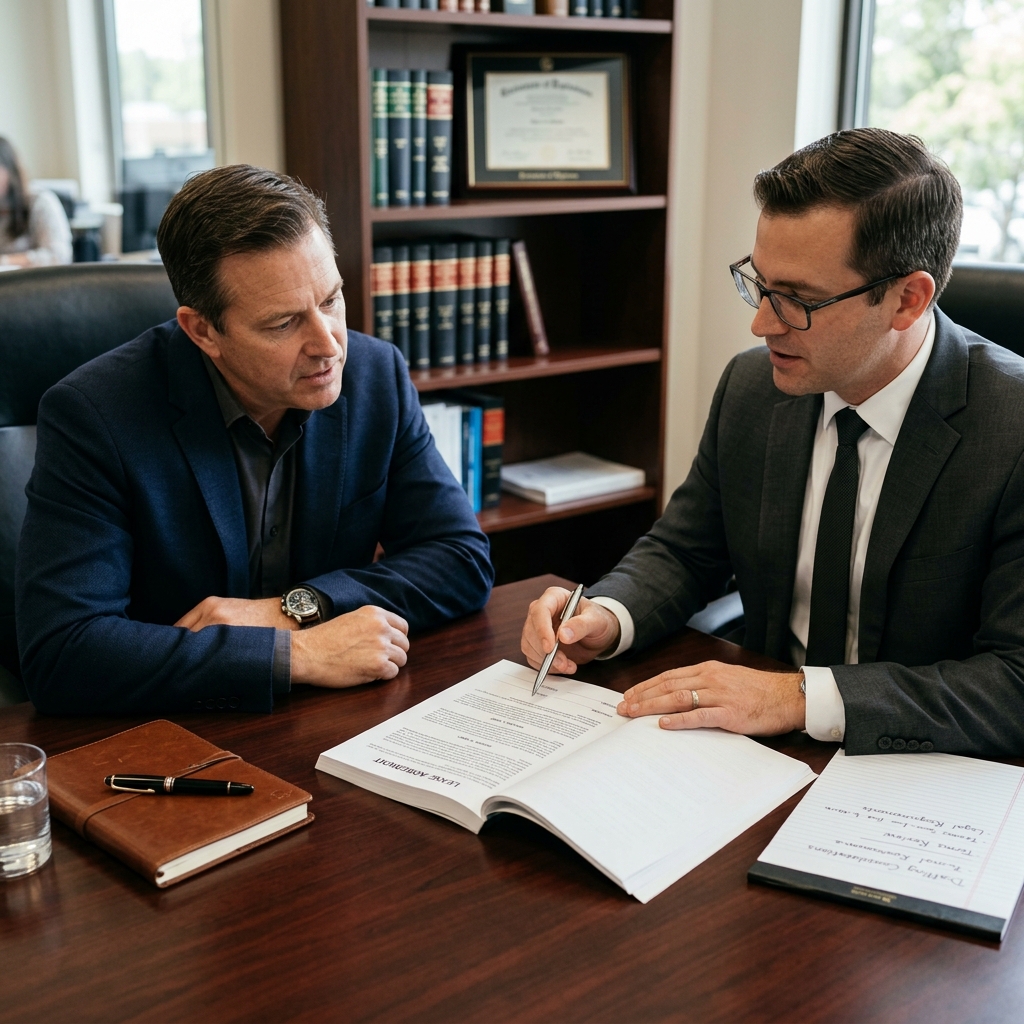
Lease agreements sit at the center of the relationship between landlords and tenants. They control who can live on the property, how much rent is due, what happens if something breaks, and how disputes are handled. Because a lease is a legally binding contract, many people ask a natural question: do you really need a lawyer to prepare or review it?
The answer is not the same for everyone. For some straightforward rentals, a well-drafted template may be sufficient. For others, especially complex or higher-risk situations, involving a lawyer can prevent expensive disputes and protect both sides from unintended consequences.
Understanding What a Lease Agreement Really Is
A lease agreement is more than just a set of rules about rent and pets. It is a contract that creates legal rights and obligations for both parties. In most states, residential landlord-tenant relationships are heavily regulated by statute and local ordinances.
Key features of a lease include:
- Contractual obligations – The lease is enforceable in court, just like other contracts.
- Regulatory overlay – Housing codes, rent control laws, anti-discrimination rules, and security deposit regulations may all apply.
- Long-term impact – Lease terms can affect finances, property value, and living conditions for months or years.
Because of this legal context, a lease that looks simple on paper can have far-reaching effects if something goes wrong.
When a Lawyer Is Not Strictly Necessary
There are scenarios where many landlords and tenants reasonably choose not to hire a lawyer. In these cases, using a reputable standard form and doing careful research may provide adequate protection.
Situations Where Templates Can Work
- Standard residential rentals in typical single-family homes or small apartments.
- Short-term or month-to-month leases with simple terms and flexible end dates.
- Low-risk arrangements where the property is not highly customized and the parties know each other well.
Many local realtor associations and state housing agencies provide model lease forms that are designed to comply with state law. These can be a solid starting point, especially when combined with clear communication between landlord and tenant.
Essential Clauses Even in Simple Leases
Even if you do not involve an attorney, certain elements should almost always appear in a residential lease:
- Names of all parties, including every adult occupant who will be legally responsible for the lease.
- Property description – full street address, unit number, and any included areas such as parking spaces or storage rooms.
- Lease term – start date, end date, and whether the agreement renews automatically or converts to month-to-month.
- Rent and payment terms – exact monthly rent, due date, acceptable payment methods, late fees, and security deposit requirements.
- Use of property – limits on business activity, illegal activity, and maximum occupancy.
- Maintenance and repairs – who handles routine upkeep, how emergencies are reported, and rules for alterations or improvements.
- Termination and eviction conditions – grounds for ending the lease early and required notice periods.
Including these items clearly and in writing makes the agreement easier to understand and enforce, even without legal representation.
When Having a Lawyer Is Strongly Recommended
There are many situations where relying solely on a generic lease form or online template becomes risky. In these cases, consulting a lawyer who focuses on real estate or landlord-tenant law can be a practical safeguard.
Higher-Risk Scenarios for Landlords
- Commercial leases for offices, retail stores, industrial property, or mixed-use buildings. Commercial leases often involve complicated rent structures, improvement allowances, and default remedies.
- Multi-unit properties where one landlord manages several tenants under different conditions.
- Unusual rental arrangements, such as renting part of a primary residence, shared spaces, or properties with unique features (e.g., agricultural operations).
- Areas with strict rent control or housing regulations, where noncompliance can lead to fines or litigation.
- Past disputes or litigation involving evictions, discrimination claims, or habitability complaints.
Key Situations for Tenants to Seek Counsel
- Leases with long terms or large financial commitments.
- Agreements that include confusing legal language, extensive addenda, or heavy penalties.
- Commercial space where business operations and investment depends on lease stability.
- Cases involving potential discrimination, unfair treatment, or unclear obligations about repairs and safety standards.
In each of these situations, the cost of a lawyer’s advice is often small compared to the potential consequences of signing an unfavorable or noncompliant contract.
What a Lawyer Actually Does With Your Lease
People sometimes imagine that a lawyer simply “fills in the blanks” of a standard form. In reality, a good attorney will tailor the agreement to the facts of the rental and the applicable law.
Initial Information Gathering
Before drafting or revising a lease, lawyers usually ask clients for detailed information, such as:
- Type of property (residential, commercial, mixed-use) and physical condition.
- Number of tenants and planned use of the premises.
- Any prior agreements or understandings reached informally.
- Local rules or homeowner association restrictions that affect the property.
- Desired flexibility on renewals, rent increases, and termination.
These details help the lawyer identify legal issues and design clauses that match the client’s priorities.
Drafting and Customizing Lease Terms
Once the lawyer understands the situation, they convert those details into legal provisions. Typical tasks include:
- Ensuring compliance with state and local law, including disclosure requirements, security deposit rules, and notice periods.
- Clarifying ambiguous language that might otherwise lead to conflicting interpretations.
- Adjusting remedies for default, such as late fees, grace periods, and steps before eviction.
- Allocating risk by specifying insurance requirements, indemnity clauses, and limitations on liability, especially in commercial leases.
- Including property-specific rules for parking, common areas, noise, pets, and subletting.
Explaining the Agreement in Plain Language
An important part of legal representation involves explaining the lease so clients understand what they are signing. Lawyers may walk through:
- The financial obligations over the life of the lease.
- Scenarios where the client could be in breach and how to avoid them.
- The process for handling disputes, repairs, and early termination.
- Negotiation options if certain terms seem unfavorable.
For tenants, some legal plans and services offer lease review and advice before signing to help them fully understand the terms and legal consequences.
Pros and Cons of Hiring a Lawyer for Lease Agreements
| Advantages | Potential Drawbacks |
|---|---|
|
|
For higher-value or complex situations, the advantages often outweigh the costs. In simpler cases, parties might prefer to rely on well-crafted templates while still leaving open the option to consult a lawyer if problems arise.
Preparing to Work With a Lawyer
If you decide to bring a lawyer into the process, preparation will make the engagement more efficient and cost-effective.
Documents and Information to Gather
- Any existing lease or rental agreements for the property.
- Correspondence or notes about agreements between landlord and tenant.
- Records of past disputes, repairs, or code inspections.
- Copies of relevant local ordinances or association bylaws.
- Profit-and-loss or rent roll data for commercial properties.
Providing these materials upfront allows the attorney to spot patterns and potential legal exposure.
Questions to Ask a Prospective Lease Attorney
When choosing counsel, consider asking:
- What is your experience with lease agreements, especially in my state or city?
- Do you focus on residential, commercial, or both types of leases?
- How do you charge for drafting or reviewing a lease (flat fee or hourly)?
- What is your typical turnaround time for preparing or reviewing documents?
- Can you help if disputes arise later, or do you only handle drafting?
These questions help ensure you work with an attorney whose skills match your needs and budget.
Risk Management Without a Lawyer
For landlords and tenants who opt not to hire an attorney, there are still practical steps to reduce risk and improve the quality of the lease.
Use Reliable, Law-Compliant Templates
- Check whether your state provides recommended lease forms through housing agencies or courts.
- Consider forms endorsed by local real estate boards or landlord associations, which are often updated to reflect current laws.
- Avoid outdated or generic templates that do not address state-specific landlord-tenant rules.
Research Local Landlord-Tenant Laws
- Understand security deposit limits, required disclosures, and notice requirements before including them in the lease.
- Make sure your rules for entry, inspections, and repairs respect legal privacy protections.
- Confirm how much notice is needed to raise rent or non-renew the lease.
Put Every Agreement in Writing
- Document any promises about repairs, improvements, or utilities in the lease or a written addendum.
- Avoid relying on verbal agreements; they are easy to misremember and hard to prove.
- Ensure that both landlord and tenant sign the final lease and receive copies.
Frequently Asked Questions (FAQs)
1. Is it legally required to have a lawyer prepare a lease?
In most U.S. jurisdictions, there is no law requiring landlords or tenants to use a lawyer to draft or sign a lease. The lease must comply with applicable statutes, but parties are free to use templates or draft their own agreements. However, complex or commercial transactions commonly involve attorneys to avoid legal pitfalls.
2. Can a lawyer help if I have already signed a problematic lease?
Yes. A lawyer can review the signed document, explain your rights and obligations, and help you understand possible remedies if the other party violates the lease. In some cases, they may negotiate modifications or assist if litigation or eviction becomes necessary.
3. Are online lease forms safe to use?
Online forms vary widely in quality. Those from official state sources, reputable legal service providers, or recognized real estate associations are generally more reliable than generic templates. Even with good forms, they may need adjustments to match your specific property and local laws.
4. How much does it typically cost to have a lease drafted by a lawyer?
Costs depend on the attorney’s experience, region, and the complexity of the lease. Some lawyers offer flat fees for standard residential leases, while commercial leases or complex situations may be billed hourly. Discuss fee structure in advance to avoid surprises.
5. Should tenants consider hiring a lawyer, or is that mainly for landlords?
Tenants can also benefit from legal advice, especially for long-term, high-value, or commercial leases. An attorney can identify unfair terms, explain risks, and suggest changes that better protect the tenant’s interests. For residential tenants, some legal service plans include affordable lease review as part of membership.
References
- Do I Need a Lawyer To Prepare a Lease Agreement? — Super Lawyers. 2023-06-01. https://www.superlawyers.com/resources/landlord-and-tenant/landlord-rights-and-responsibilities/do-i-need-a-lawyer-to-prepare-a-lease-agreement/
- Do I Need a Real Estate Lawyer to Draft My Lease Agreement as a Landlord? — Bassett Law Office. 2022-09-15. https://bassettlawoffice.com/do-i-need-a-real-estate-lawyer-to-draft-my-lease-agreement-as-a-landlord/
- Guide to Making a Solid Lease Agreement for Your Rental Property — LRES Homes. 2021-05-10. https://www.lreshomes.com/writing-solid-lease-agreements
- Signing a Lease & Agreements — LegalShield. 2023-02-20. https://www.legalshield.com/personal/renters/signing-a-lease
- Should You Hire a Lease Agreement Attorney? — BBG Law. 2022-11-30. https://bbgllp.com/new/should-you-hire-a-lease-agreement-attorney/
- California Residential Lease Attorney – Drafting and Review of Lease Documents — Wallace Law. 2021-08-05. https://www.wallacelaw.com/landlord-tenant-law/drafting-and-review-of-lease-documents/
- Why Attorneys Should Draft Commercial Real Estate Leases — Messner Reeves LLP. 2020-10-12. https://messner.com/why-attorneys-should-draft-commercial-real-estate-leases/
Similar Articles








Read full bio of Sneha Tete


