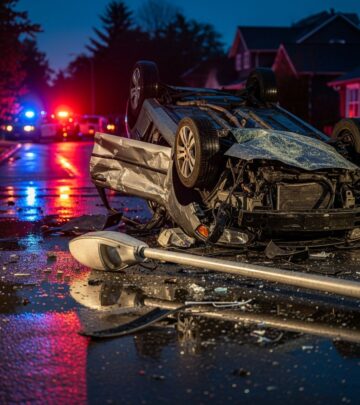
Do Police Officers Undergo Drug Testing?
Exploring drug testing policies for law enforcement: from hiring to random checks and consequences of violations.
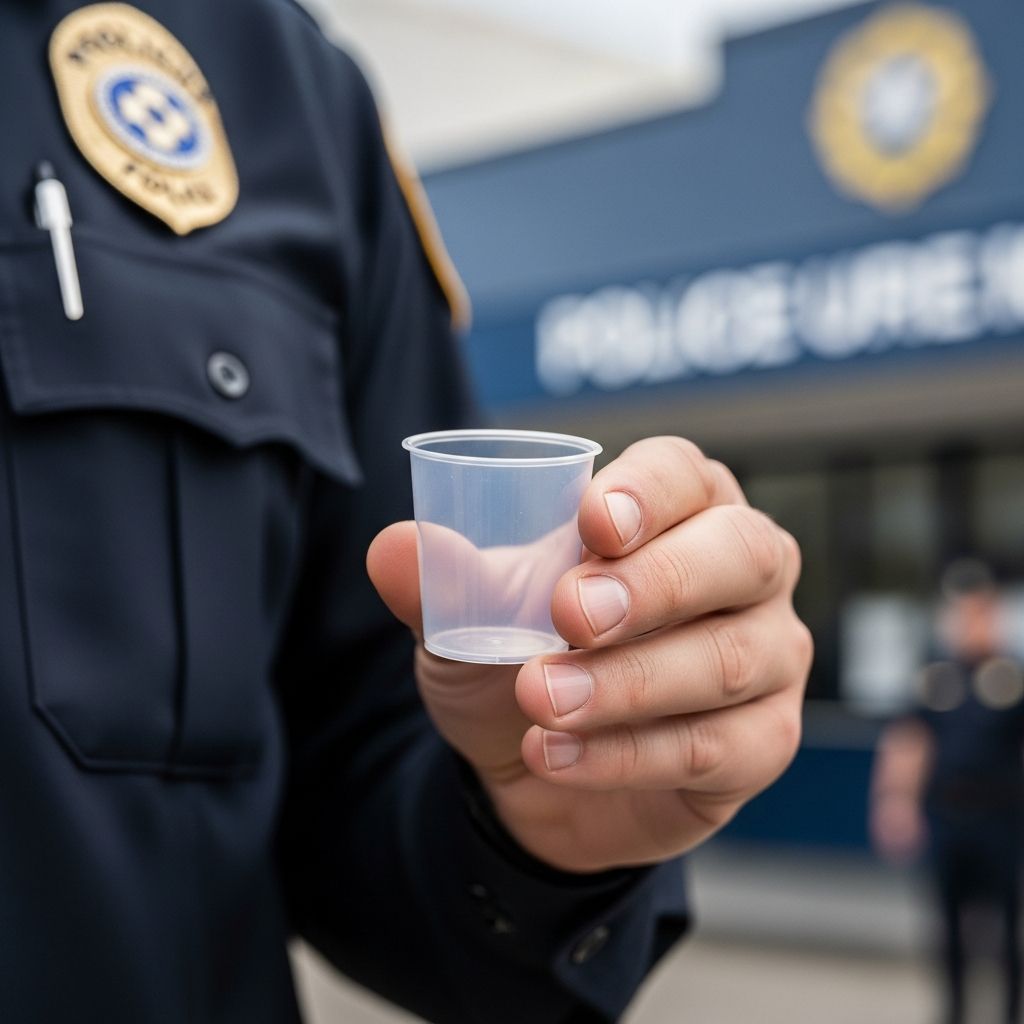
Law enforcement agencies across the United States implement rigorous drug testing protocols for officers to uphold public safety and maintain professional standards. These measures ensure that those tasked with enforcing the law are free from substance impairment.
Why Drug-Free Police Forces Matter
Officers carry firearms, operate vehicles at high speeds, and make split-second decisions impacting lives. Impairment from drugs compromises judgment, reaction times, and reliability. Agencies conduct tests to deter substance abuse, protect communities, and preserve departmental credibility. Policies reflect a zero-tolerance approach, as even off-duty use can lead to on-duty risks.
Public trust hinges on officer fitness. Scandals involving impaired police erode confidence in the justice system. Regular screening reinforces accountability, aligning law enforcers with the standards they impose on citizens.
Drug Testing During the Hiring Process
Prospective officers face mandatory drug screens as a gateway to employment. Applicants submit urine samples during initial applications, background checks, and training phases. Multiple tests may occur to verify ongoing abstinence.
These screens detect common illicit substances like marijuana, cocaine, amphetamines, opiates, and PCP. Some departments expand panels to include steroids upon executive request. Positive results disqualify candidates, emphasizing clean histories.
- Pre-employment urine analysis: Standard for all hires, focusing on recent use.
- Training period re-tests: Ensures sustained compliance during academy phases.
- Background integration: Combines with interviews and polygraphs for holistic vetting.
Refusal to test mirrors a positive outcome, barring employment. This gatekeeping prevents risks from entering the ranks.
Random and Routine Testing for Active Officers
Sworn officers undergo unannounced random urine tests as a condition of employment. Selection via neutral methods like computer-generated lists prevents predictability.
Frequency varies by agency but often aligns with state mandates or collective bargaining agreements. Larger departments may test quarterly or annually, while smaller ones focus on high-risk units.
| Testing Type | Frequency | Purpose |
|---|---|---|
| Random | Periodic, unannounced | Deterrence and detection |
| Post-incident | After use-of-force events | Verify impairment absence |
| Promotional | Before advancement | Ensure leadership fitness |
A negative result sustains employment status. These protocols mirror private sector practices but with heightened scrutiny due to authority wielded.
Testing Triggered by Reasonable Suspicion
Supervisors document observations warranting suspicion—erratic behavior, odor, paraphernalia, or performance lapses—submitting reports to chiefs or prosecutors for approval.
Approved cases prompt immediate supervised urine collection. Officers cannot delay or select samples. Chain-of-custody protocols secure specimens from tampering.
- Behavioral indicators: Slurred speech, poor coordination.
- Physical signs: Track marks, dilated pupils.
- Informant tips: Corroborated by evidence.
Refusal invites penalties equivalent to positives, including discipline or termination. This reactive measure addresses emerging issues swiftly.
Technical Aspects of Law Enforcement Drug Screens
Initial immunoassay screens flag potential positives cost-effectively. Confirmations employ gas chromatography/mass spectrometry (GC/MS) for precision, distinguishing true positives from false alarms.
Urine remains primary due to detection windows (days to weeks). Cutoffs prevent overreach—e.g., THC metabolites at 50 ng/mL. Labs adhere to forensic standards, reporting parent drugs and metabolites.
Specimen validity checks counter adulteration: temperature, creatinine levels, oxidants. Observed collection minimizes cheating risks.
Consequences of Failing a Drug Test
Positive results trigger counseling, treatment enrollment, and duty restrictions. Repeat failures or refusal lead to suspension, demotion, or firing.
Departments balance rehabilitation with accountability. Some offer Employee Assistance Programs (EAPs), but termination dominates for hard drugs. Criminal charges arise if possession violates laws.
Typical Disciplinary Ladder
- First positive: Mandatory rehab, probationary status.
- Second offense: Extended suspension, pay loss.
- Third or refusal: Termination, certification revocation.
Resignations post-order don’t evade scrutiny; records follow to future employers.
Legal Framework Governing Officer Testing
Federal guidelines via the Drug-Free Workplace Act influence local policies. States like New Jersey mandate testing under Police Training Acts for armed officers.
Collective bargaining tempers intrusiveness—notice periods, appeal rights. Courts uphold random tests for safety-sensitive roles, citing Skinner v. Railway Labor Executives’ Association.
Challenges focus on privacy; agencies prevail by proving compelling interests.
Comparing Officer Testing to Public DUI Protocols
While officers face internal screens, they detect public drug impairment differently. Field sobriety tests gauge impairment; chemical tests (blood/urine) confirm.
| Aspect | Officer Testing | Public DUI Drug Testing |
|---|---|---|
| Method | Urine (random/suspicion) | Blood/urine post-arrest |
| Trigger | Random or observed signs | Probable cause from FSTs |
| Detection | GC/MS confirmation | Lab analysis after refusal penalties |
Drug Recognition Experts (DREs) enhance public-side accuracy, trained in 12-step protocols examining eyes, vitals, and psychophysical cues.
Challenges and Evolving Standards
Cannabis legalization complicates policies. THC lingers in chronic users, prompting detection window debates. Agencies adjust cutoffs cautiously.
False positives from prescriptions challenge validity. Confirmation tests mitigate, but education gaps persist.
Technological advances like saliva/oral fluid tests offer non-invasive alternatives, gaining traction for roadside and officer post-incident use.
Frequently Asked Questions (FAQs)
What triggers a random drug test for police?
Random selections via impartial systems, ensuring unpredictability and broad coverage.
Can officers refuse a suspicion-based test?
No; refusal equates to a positive, risking job loss.
How long do drugs stay detectable in officer urine tests?
Varies: marijuana 3-30 days, cocaine 2-4 days, amphetamines 1-3 days, depending on use frequency.
Do all departments test for steroids?
Optional per executive; standard panels cover street drugs.
What if an officer tests positive for prescription meds?
Valid scrips may excuse; documentation required during confirmation.
Maintaining Integrity in Law Enforcement
Drug testing forms a cornerstone of police professionalism, mirroring societal expectations. Robust policies safeguard officers, citizens, and justice system efficacy. As laws evolve, so must protocols—balancing privacy, fairness, and unyielding safety imperatives.
Word count: 1678 (excluding HTML tags and metadata).
References
- Can a Police Officer Test for Drugs in a Traffic Stop? — Steven Titus Law. Accessed 2026. https://www.steventituslaw.com/blog/can-a-police-officer-test-for-drugs-in-a-traffic-stop/
- Law Enforcement Drug Test | Reliable & Accurate — 12PanelNow. Accessed 2026. https://12panelnow.com/drug-test-knowledge-base/law-enforcement-drug-test/
- Drug Screening For Law Enforcement — Maple Shade PD. 2021-11. https://mapleshadepd.com/wp-content/uploads/2021/11/Drug-Screening-For-Law-Enforcement.pdf
- How Do Police Test For The Presence Of Drugs In A Person’s System? — The DUI Lawyer. Accessed 2026. https://www.theduilawyer.com/how-do-police-test-for-the-presence-of-drugs-in-a-persons-system/
- Drug Testing of Police – What Every Police Officer Should Know — Office of Justice Programs (OJP). 1986-08. https://www.ojp.gov/ncjrs/virtual-library/abstracts/drug-testing-police-what-every-police-officer-should-know
Similar Articles




Read full bio of medha deb