
Vehicle Registration Guide: First-Time Checklist, Fees, Tips
Learn what DMV vehicle registration means, what documents you need, and how to complete the process smoothly.
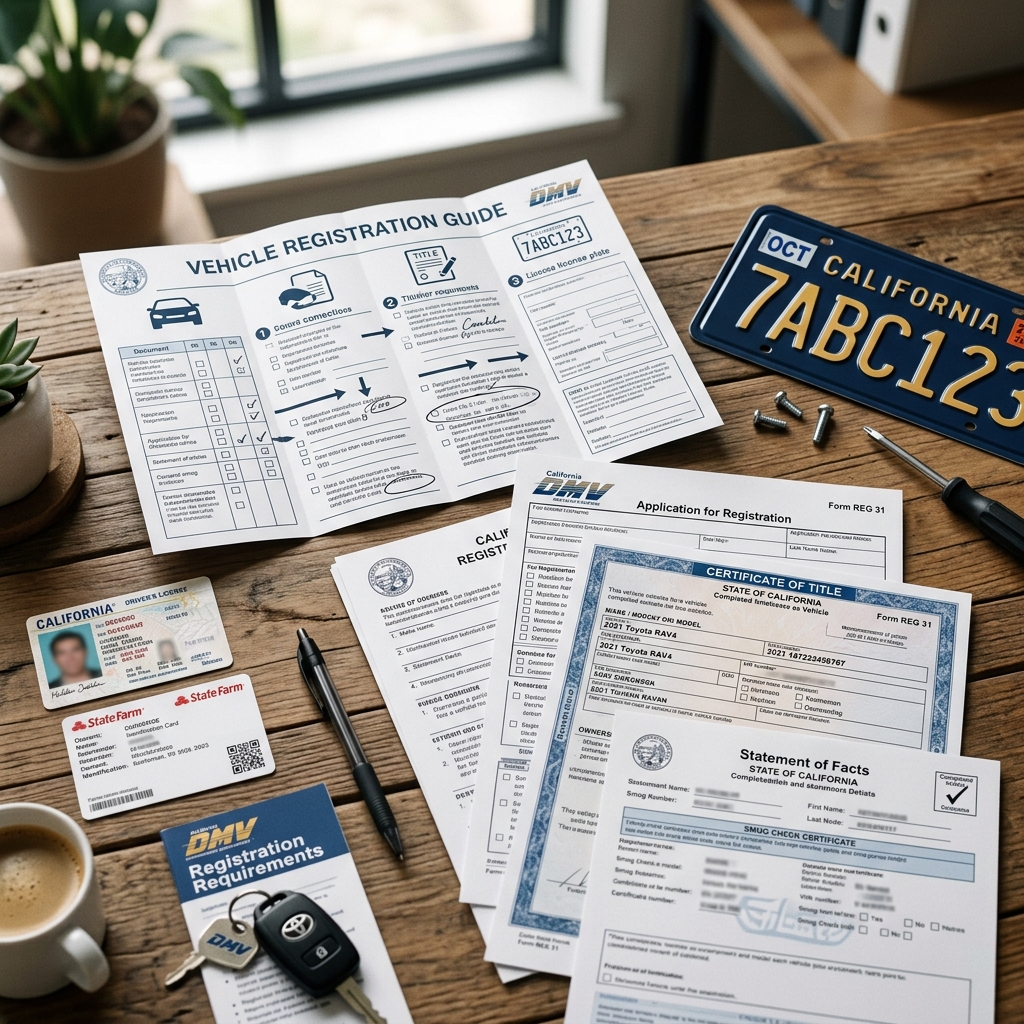
Registering a vehicle is one of the most important steps after buying a car or moving it into a new state. The process connects your ownership paperwork, insurance, taxes, and road-legal status, which means it is more than simply getting license plates. In many states, registration must be completed before you can lawfully drive the car on public roads, and the exact rules depend on where you live and how the vehicle was acquired.
This guide explains the purpose of registration, the documents commonly required, how fees are usually calculated, and what to expect when you complete the process at a DMV office or through an approved online or mail option. It also covers renewals, inspections, and practical ways to avoid delays.
What vehicle registration actually does
Vehicle registration is the government record that links a specific vehicle to its owner and confirms that the vehicle is allowed to be driven on public roads. Registration is not the same as a title: the title identifies legal ownership, while registration is the operating permission that is generally renewed on a regular schedule.
Most states require registration for passenger vehicles, trucks, motorcycles, and many other road-use vehicles. Some states also require extra steps such as emissions checks, safety inspections, or proof that insurance is active before registration can be issued.
When you need to register a vehicle
You usually need to register a vehicle when one of the following happens:
- You buy a car from a dealer.
- You buy a car from a private seller.
- You move to a new state and bring the vehicle with you.
- You inherit, receive, or transfer a vehicle into your name.
- You purchase a vehicle that has never been registered before in your state.
If you have just moved, most states give a limited time to complete the process. Because the deadline can depend on your insurance date, residency status, or state-specific rules, it is important to check the local DMV requirements as soon as possible.
Documents most DMVs ask for
Although requirements vary, first-time registration usually requires a combination of ownership documents, identity documents, insurance, and payment. The DMV may ask for some or all of the items below.
| Document | Why it matters |
|---|---|
| Proof of ownership | Shows the vehicle was legally sold or transferred to you |
| Title or certificate of origin | Identifies the vehicle and supports the ownership record |
| Valid ID | Confirms your identity and residency information |
| Proof of insurance | Demonstrates that the vehicle is covered before it can be registered |
| Bill of sale | Supports the purchase price and transfer details |
| Tax forms or receipts | Helps the DMV determine whether sales tax or use tax is owed |
Some states also require odometer disclosure, lienholder information, powers of attorney, inspection certificates, or business entity documents if the vehicle is being registered by a company.
Insurance comes first in many states
In a large number of states, the vehicle must be insured before registration can be processed. The DMV often looks for an active insurance policy that matches the vehicle identification number and effective date. If the policy is not active yet, the registration request may be delayed or denied.
This rule helps states verify that the vehicle will be operated legally and that financial responsibility requirements are satisfied. If you recently purchased the vehicle, make sure the insurance is bound before you visit the DMV or submit an online application.
How fees are usually calculated
Registration costs are rarely flat. They are commonly based on a mix of factors such as vehicle weight, class, model year, location, tax status, and whether you are applying for a new registration or a transfer. In some places, the fees also include title charges, plate charges, and local or county-specific taxes.
Many states break the total into several parts:
- Registration fee
- Title fee
- License plate fee
- Sales tax or use tax
- Inspection fee, if required
If the vehicle is leased, financed, or registered for business use, additional paperwork or fees may apply. Because rates can change and county charges may differ, it is wise to estimate the total before heading to the DMV.
Where registration can be completed
Depending on your state, you may be able to register a vehicle in person, online, by mail, or through a county or local motor vehicle office. Some states allow first-time registration online only after certain ownership and title steps are complete, while others require an office visit for the initial transaction.
Online systems are often the fastest for renewals. In-person processing is more common when the DMV needs to review original title documents, verify identity, inspect VIN information, or handle a change in ownership.
What happens during the DMV visit
If you are registering in person, the DMV agent usually checks your documents, confirms the vehicle details, calculates the amount due, and issues proof of registration once the transaction is approved. In some cases, you may receive temporary paperwork or a short-term inspection extension while you complete a separate inspection requirement.
To save time, many offices encourage appointments. Bringing complete documents matters because missing one item can mean starting over or returning on another day. If there is a lien, a name mismatch, or a prior out-of-state record, the DMV may ask for additional proof before finalizing the transaction.
Inspection and emissions requirements
Registration and inspection are related but distinct. In some states, a vehicle can be registered first and inspected afterward within a short grace period. In others, a passing inspection or emissions test is required before registration can be issued at all.
Inspection rules often depend on the vehicle’s age, fuel type, county, or use. Newer vehicles may be exempt for a period of time, while older vehicles or vehicles moving from another jurisdiction may need a full inspection. If the DMV issues a temporary inspection extension, do not ignore the deadline. The extension is short, and the vehicle generally must be inspected before it expires.
Private sales, dealer sales, and transfers
The registration steps can differ depending on how you acquired the vehicle. Dealer purchases often come with some paperwork already prepared, but you still need to verify that the title and tax documents are complete. Private sales usually require more careful review because both buyer and seller must sign the ownership records correctly.
When a vehicle changes hands, the title must be properly assigned to the new owner. If multiple owners are named on the title, the DMV may require all necessary signatures. If the seller did not complete the title transfer properly, you may need additional documents, such as a notarized bill of sale, odometer statement, or replacement title before registration can proceed.
Special situations that can complicate registration
Some vehicles need extra documentation. Examples include:
- Vehicles brought from another state
- Business-owned vehicles
- Leased vehicles
- Rebuilt, salvaged, or assembled vehicles
- Vehicles bought at auction
- Vehicles with missing or unclear VIN information
These situations often require extra proof of origin, ownership history, or identity verification. If the vehicle was titled in another state, the DMV may want the out-of-state title, previous registration, and any tax or dealer paperwork connected to the sale. For business use, an employer identification number or business formation documents may also be required.
Renewing a registration
Once a vehicle is registered, the registration does not last forever. Most states require annual renewal, although some offer one- or two-year registration cycles depending on the vehicle type and local law. Renewals are usually simpler than first-time registration because the DMV already has the vehicle record on file.
Typical renewal information includes:
- License plate number
- Vehicle identification number
- Proof of insurance
- Driver’s license or customer number
- Current registration information
Renewing on time matters because driving with an expired registration can lead to fines, towing risk, or citation issues. Many states mail reminders, but the legal duty to renew remains with the vehicle owner even if the reminder never arrives.
How to avoid common delays
Most registration problems come from paperwork errors, unpaid taxes, missing signatures, or insurance that has not taken effect yet. The following habits can prevent the most common setbacks:
- Review the title before you buy the car.
- Make sure the seller signs in the correct place.
- Confirm your insurance policy is active before you apply.
- Bring original documents when the DMV requires them.
- Check whether your county requires an emissions or safety inspection.
- Keep copies of everything you submit.
If you are unsure whether a document is valid, contact the DMV before your appointment. A short call or online checklist can save hours of delay later.
Practical checklist for first-time registration
Use this checklist as a starting point before visiting the DMV:
- Proof of identity
- Signed title or ownership document
- Bill of sale, if applicable
- Insurance card or policy proof
- Odometer disclosure, if required
- Tax or fee payment method
- Inspection paperwork, if required
- Any lienholder or business documents
Different states may require additional forms, but preparing these basics first usually puts you in a strong position to finish the process in one visit.
Frequently asked questions
Is registration the same as title?
No. The title proves ownership, while registration gives you permission to operate the vehicle on public roads. A vehicle can be titled without being currently registered, and in many situations both records must be kept current.
Can I register a car without insurance?
Usually no. Most states require active insurance before registration will be approved. The policy often has to match the vehicle and be in effect on the date of registration.
Do I need to go to the DMV in person?
Not always. Some states allow renewals online or by mail, and some first-time registrations can be completed electronically after the title paperwork is ready. In-person visits are more common when ownership has changed or the DMV must review original documents.
Why does the DMV charge so many different fees?
Registration often includes more than a single government charge. Taxes, plate fees, title fees, and inspection-related costs may all be collected at once, which is why the final amount can be higher than expected.
What if my registration expires soon after I buy the vehicle?
If you buy a vehicle near the end of a registration cycle, you may still need to register it in your own name and then renew it on the normal schedule. The DMV usually bases the new record on your ownership transfer date and the state’s renewal rules.
Why careful registration matters
Vehicle registration is not just an administrative formality. It is the document trail that shows the vehicle is insured, taxed, inspected when needed, and legally tied to the person or business using it. When registration is handled correctly, it helps prevent problems with law enforcement, insurance claims, future sales, and title transfers.
Taking time to gather the right documents, confirm your insurance, and understand your state’s rules will make the process much easier. Whether you are buying your first car, moving from another state, or renewing an existing record, the smartest approach is to check the requirements early and keep your paperwork organized.
References
- Register and Title a Vehicle — New York State DMV. 2026-07-10. https://dmv.ny.gov/registration/register-and-title-a-vehicle
- Vehicle Registration – General Information — Colorado DMV. 2026-07-10. https://dmv.colorado.gov/registration
- Register a Vehicle — Commonwealth of Pennsylvania. 2026-07-10. https://www.pa.gov/services/dmv/register-a-vehicle
- Register Your Vehicle — Virginia Department of Motor Vehicles. 2026-07-10. https://www.dmv.virginia.gov/vehicles/registration
- Vehicle Registration — California DMV. 2026-07-10.
Similar Articles








Read full bio of medha deb


