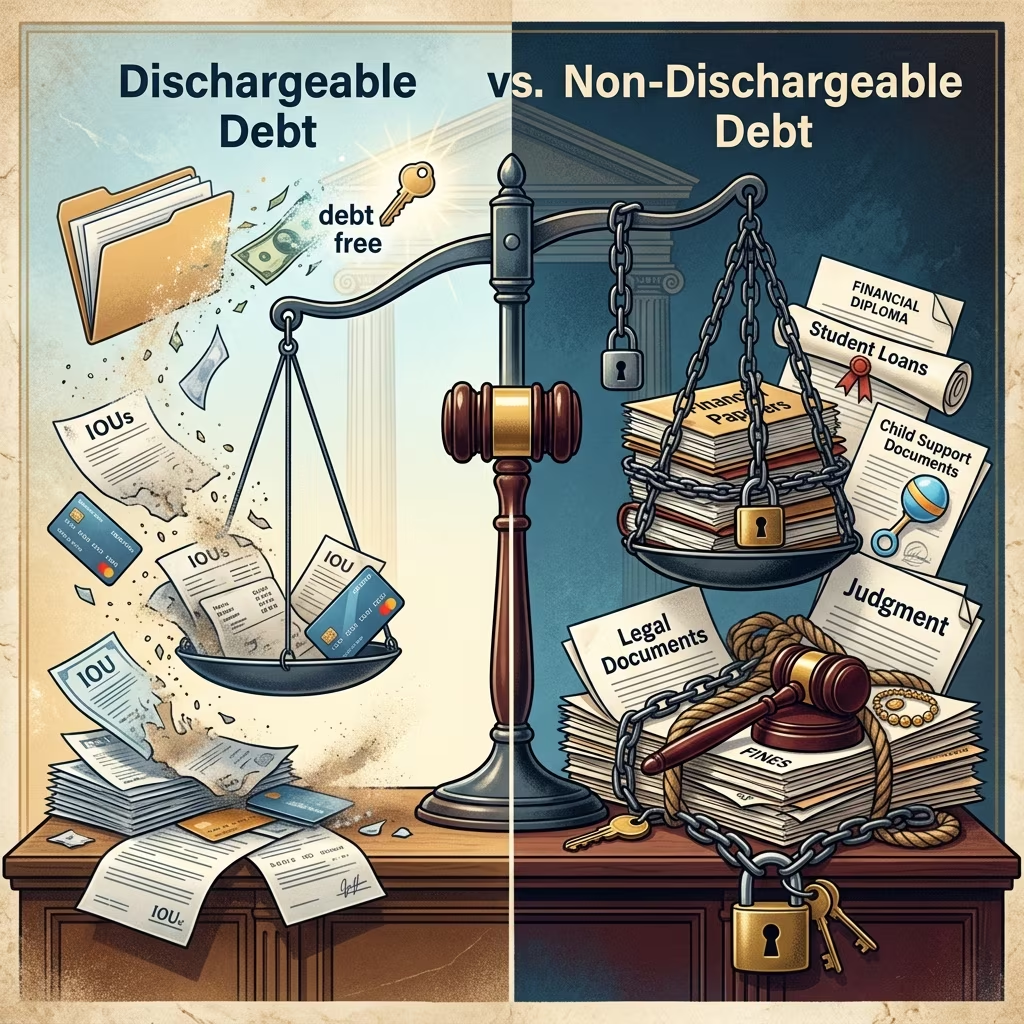
Understanding the Two Sides of Bankruptcy Debt
Bankruptcy is designed to give people a financial reset, but that reset is not unlimited. Some obligations can be wiped out through a discharge, while others remain enforceable after the case ends. The difference between these two categories is one of the most important issues in any bankruptcy filing because it determines what the debtor still owes and what a creditor can still pursue.
In simple terms, a dischargeable debt is a debt that bankruptcy can eliminate, while a non-dischargeable debt is one that usually survives the case. Federal bankruptcy law sets the rules, and those rules depend on the type of debt, the bankruptcy chapter used, and sometimes the debtor’s conduct before filing.
What a Bankruptcy Discharge Actually Does
A discharge is not the same thing as paying a debt. Instead, it is a court order that ends the debtor’s personal legal obligation to pay certain debts. Once a debt is discharged, creditors are generally barred from collection efforts such as calls, letters, lawsuits, wage garnishment, or other pressure related to that debt.
That protection is powerful, but it does not apply to every obligation. The Bankruptcy Code specifically lists debts that are excepted from discharge, and those exceptions exist for public policy reasons or because the debt arose from conduct that Congress chose to treat differently. Federal courts explain that section 523 of the Bankruptcy Code contains many of these exceptions to discharge.
Debts That Are Commonly Discharged
Many ordinary consumer debts are often discharged in a standard bankruptcy case. These are typically unsecured debts that are not backed by collateral and do not fall into a statutory exception.
- Credit card balances
- Medical bills
- Personal loans
- Most collection accounts
- Some old tax debts, if strict legal conditions are met
These debts are often the main reason people seek bankruptcy relief. When discharged, they no longer have to be paid as personal obligations, and creditors may not continue collection activity on them.
Debts That Often Survive Bankruptcy
Some obligations are treated differently because the law gives them special protection. These debts are usually considered non-dischargeable, meaning they remain payable even after bankruptcy ends. Common examples include domestic support obligations, many tax debts, and debts tied to intentional wrongdoing.
According to federal court guidance, common categories of non-dischargeable debt include child support, alimony, many government fines and penalties, debts for willful and malicious injury, most government-backed educational loans, and certain debts arising from intoxicated driving. The exact treatment can vary depending on the bankruptcy chapter and the facts of the case.
The Most Important Non-Dischargeable Categories
Although the law contains many exceptions, several groups of debts appear most often in bankruptcy disputes. These are the categories debtors and creditors should watch closely.
| Debt type | Typical treatment | Why it matters |
|---|---|---|
| Child support and alimony | Usually non-dischargeable | Family support obligations receive strong legal protection |
| Recent taxes | Often non-dischargeable | The age and type of tax control the outcome |
| Student loans | Usually non-dischargeable | Discharge generally requires a separate hardship showing |
| Fraud-related debts | Often non-dischargeable | Debts obtained by deception are treated more harshly |
| Willful and malicious injury claims | Usually non-dischargeable | Intentional harm is excluded from a fresh start |
Why Fraud and Misconduct Receive Special Treatment
Bankruptcy is meant to help honest but unfortunate debtors, not to erase debts created through deception or deliberate harm. For that reason, debts arising from fraud, embezzlement, larceny, or malicious injury are often excepted from discharge. Federal law and court decisions treat those claims seriously because the debt did not arise from a simple inability to pay.
The Supreme Court has also clarified that fraud-based nondischargeability can apply even when the debtor did not personally carry out the fraud in every case. That ruling strengthened protections for victims of fraud and underscored that the source of the debt, not just the debtor’s direct conduct, can matter in discharge litigation.
How Bankruptcy Chapter Affects the Result
The chapter filed can change which debts are dischargeable and how much protection the debtor receives. Chapter 7 and Chapter 13 are the most common consumer bankruptcy chapters, and they do not always treat the same debt in the same way.
In Chapter 7, the court may discharge qualifying unsecured debts quickly, but many statutory exceptions still apply. In Chapter 13, a debtor follows a repayment plan over time, and some debts that are not dischargeable in Chapter 7 may be treated more favorably in Chapter 13. Federal court guidance notes that some debts, such as certain willful and malicious injury claims involving property and some divorce-related obligations, can be dischargeable in Chapter 13 even when they would not be in Chapter 7.
Why Some Debts Cannot Be Left Off the Paperwork
Complete and accurate schedules are essential in bankruptcy. If a debtor fails to list a debt, the omission can create serious problems. Certain unscheduled debts may survive the case, especially if the creditor did not receive notice or an opportunity to participate.
This is one reason bankruptcy forms must be filled out carefully. A debtor who forgets to list a creditor may think the debt was discharged, only to discover later that the creditor still has rights. Accurate disclosure helps the court determine how each obligation should be treated.
What Creditors Need to Know About Discharge Challenges
Not every non-dischargeable debt is automatically removed from the discharge order by the court. In many situations, a creditor must ask the bankruptcy court to decide whether a specific debt should be excepted from discharge. That often requires filing a complaint and presenting evidence that the debt fits within one of the statutory exceptions.
For creditors, timing matters. Deadlines in bankruptcy cases are strict, and missing them can forfeit the chance to challenge dischargeability. For that reason, creditors often need to move quickly once they learn that a debtor has filed bankruptcy.
A Practical Way to Sort Debts Before Filing
Debtors can better understand their case by sorting debts into broad groups before filing. This does not replace legal advice, but it helps identify where the risks are likely to be.
- Likely dischargeable: ordinary unsecured consumer debts with no special exception
- Potentially dischargeable: debts that depend on timing, chapter choice, or a hardship showing
- Usually non-dischargeable: domestic support, many taxes, fraud-based debts, and intentional injury claims
That sorting exercise can reveal whether bankruptcy will solve most of the problem or whether key obligations will remain after the case ends.
Common Misunderstandings About Bankruptcy Debt
One frequent mistake is assuming that filing bankruptcy automatically erases every bill. It does not. Another misconception is that a debt’s age alone determines dischargeability. In reality, the law looks at the debt’s nature, when it arose, whether the debtor acted wrongfully, and which chapter is filed.
People also sometimes assume student loans are always impossible to discharge, but the correct answer is more nuanced. In most cases they survive bankruptcy, yet there are limited circumstances where a debtor may seek relief by proving undue hardship. That is a demanding standard, but it means the rule is not absolutely one-dimensional.
How to Think About the Fresh Start Policy
Bankruptcy law balances two goals: giving debtors a fresh financial start and protecting claims that the law considers too important to erase. Dischargeable debts support the fresh start by removing burdens that prevent recovery. Non-dischargeable debts preserve interests that Congress has treated as more important than final debt relief in bankruptcy.
That balance explains why the law is both generous and limited at the same time. It gives real relief to people overwhelmed by unsecured debt, but it does not let them walk away from every obligation simply by filing a petition.
Frequently Asked Questions
Can all credit card debt be discharged? Most credit card debt can be discharged if no special exception applies, but debts linked to fraud, luxury purchases, or cash advances near filing may receive different treatment.
Are taxes always non-dischargeable? No. Some tax debts may be discharged if they meet strict timing and filing rules, but many recent or priority taxes remain non-dischargeable.
Does bankruptcy erase child support or alimony? No. Domestic support obligations are generally not discharged and usually remain due after bankruptcy.
Do student loans disappear in bankruptcy? Usually not. Most student loans survive unless the debtor meets a demanding legal standard for hardship relief.
Can a creditor stop a discharge from covering a debt? Yes, in some cases. A creditor can ask the bankruptcy court to rule that a specific debt falls within a nondischargeable category.
What Debtors Should Do Before Filing
Anyone considering bankruptcy should review each obligation carefully and identify debts that may survive the case. That includes support arrears, taxes, loans tied to misconduct, and obligations that are not fully documented. A careful review makes it easier to estimate the real benefit of filing and reduces the chance of surprises later.
It is also important to keep records. Documents such as tax notices, divorce orders, loan statements, and creditor correspondence can help determine whether a debt is dischargeable. In bankruptcy, paperwork often drives the outcome.
Why the Distinction Matters After the Case Ends
The difference between dischargeable and non-dischargeable debt determines whether a debtor’s financial life is actually reset. If the discharged debts were the main source of pressure, the filing may provide meaningful relief. If the surviving debts are substantial, the debtor may still face collection or payment obligations after bankruptcy.
That is why the discharge analysis should happen before filing, not after. Knowing which debts are likely to remain helps debtors choose the right chapter, set expectations, and plan for the years after the case closes.
References
- Discharge in Bankruptcy – Bankruptcy Basics — United States Courts. 2025-01-01. https://www.uscourts.gov/court-programs/bankruptcy/bankruptcy-basics/discharge-bankruptcy-bankruptcy-basics
- 11 U.S. Code § 523 – Exceptions to discharge — Cornell Law School, Legal Information Institute. 2026-01-01. https://www.law.cornell.edu/uscode/text/11/523
- nondischargeable debts — Cornell Law School, Wex. 2026-01-01. https://www.law.cornell.edu/wex/nondischargeable_debts
- Discharge, Exceptions to Discharge, and Objections to Discharge — United States National Bankruptcy Review Commission report archive. 2026-01-01. https://govinfo.library.unt.edu/nbrc/report/07consum.html
- Supreme Court Clarifies Scope of Nondischargeable Debt in Favor of Victims of Fraud — Duane Morris LLP. 2023-02-01. https://www.duanemorris.com/alerts/supreme_court_clarifies_scope_nondischargeable_debt_favor_victims_fraud_0223.html