
Digital Tools for Managing Seasonal Mood Changes
Explore technology solutions designed to support mental wellness during darker months.
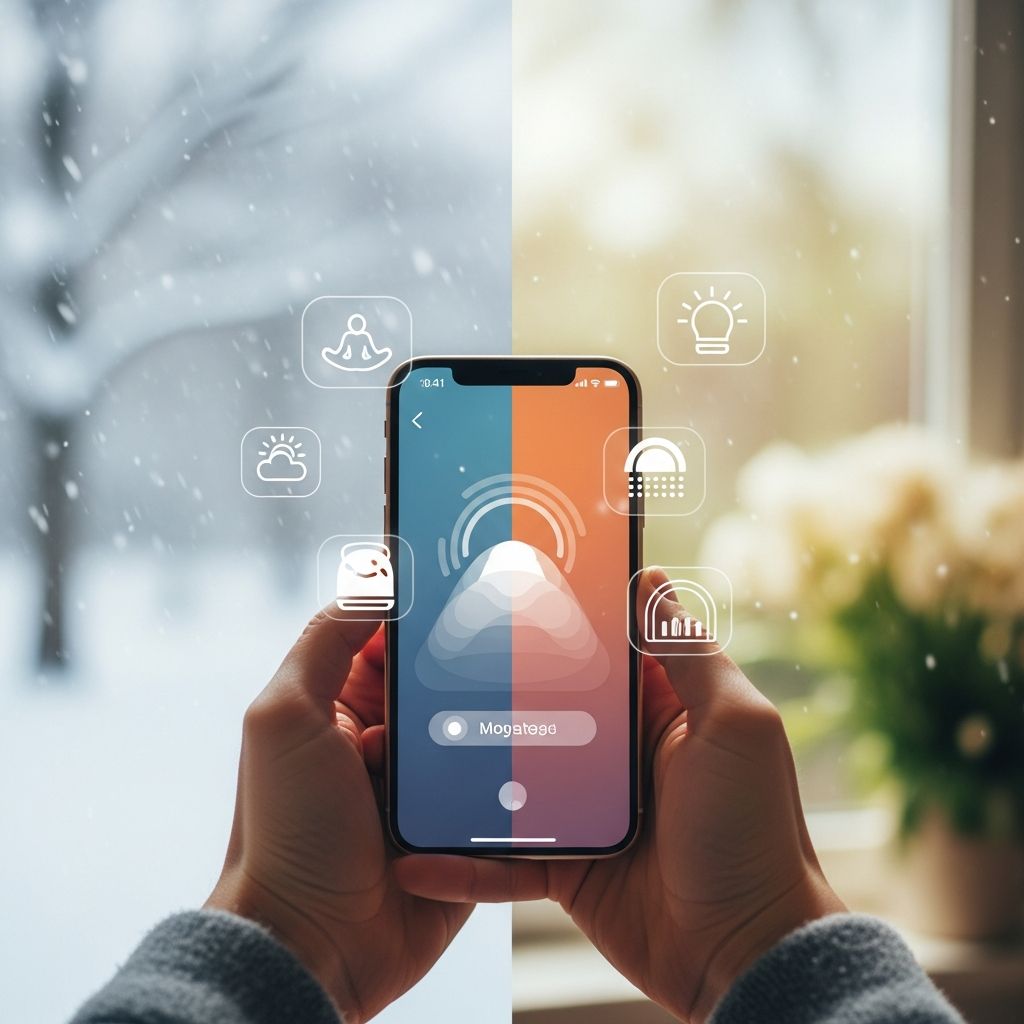
Understanding Seasonal Mood Variations and Technology Solutions
As daylight diminishes during colder months, many individuals experience shifts in mood and energy levels. The reduction in natural sunlight exposure can affect circadian rhythms and neurotransmitter production, creating challenges for mental and emotional well-being. Fortunately, mobile technology has evolved to offer accessible solutions that address these seasonal fluctuations. Rather than relying solely on traditional interventions, many people now turn to smartphone applications designed specifically to support mood regulation, sleep quality, and overall wellness during periods of reduced daylight.
Technology-based interventions have gained recognition in wellness circles because they provide on-demand support that fits into daily routines. Whether through light stimulation, guided meditation, physical activity tracking, or entertainment options, these applications offer diverse approaches to maintaining mental health during challenging seasons. Understanding which tools address your specific needs can help you build a comprehensive digital wellness strategy.
Light-Based Interventions Through Mobile Applications
Light therapy represents one of the most evidence-based approaches to addressing mood changes associated with reduced sunlight. Mobile applications have made this therapeutic approach more accessible by delivering light stimulation directly through your device’s screen. These applications work by emitting specific wavelengths of light designed to influence your brain’s response to seasonal changes.
Apps utilizing blue light technology operate on the principle that exposure to particular light frequencies can stimulate neural pathways related to alertness and mood regulation. These applications typically feature customizable session durations, allowing you to maintain consistent therapy intervals. Many include complementary features such as ambient soundscapes that you can adjust or disable based on preference. The portability of these solutions means you can incorporate light therapy into morning routines or workplace environments without requiring specialized equipment.
Beyond standalone light therapy apps, specialized wake-up applications have been designed to mimic natural sunrise patterns. These tools gradually increase screen brightness over extended periods—sometimes up to an hour—creating a gentler transition to wakefulness compared to traditional alarm functions. By allowing your body to wake naturally through light progression, these applications support healthier sleep cycle regulation and can significantly improve morning alertness and mood.
Meditation and Mindfulness Platforms for Emotional Regulation
Mental health professionals increasingly recommend mindfulness-based interventions for managing seasonal mood variations. Mobile meditation platforms have democratized access to these evidence-based techniques by offering guided sessions at minimal cost. These applications provide structured approaches to emotional regulation without requiring specialized training or therapy appointments.
Comprehensive mindfulness applications typically offer several key features:
- Guided meditation sessions ranging from brief five-minute exercises to extended practices
- Sleep-specific content designed to improve rest quality and duration
- Customizable programs addressing anxiety, stress, and mood concerns
- Progress tracking and community features for accountability and support
- Offline functionality allowing access without data connections
The effectiveness of these platforms lies in their accessibility and adaptability. Users can select sessions matching their available time, energy levels, and specific emotional needs. Many applications employ artificial intelligence to tailor recommendations based on usage patterns and stated preferences, creating personalized wellness pathways. This customization increases engagement and enables sustained practice over extended periods.
Sleep Optimization Technology
Sleep disturbances frequently accompany seasonal mood changes, creating a cyclical pattern where poor sleep worsens mood regulation, which further disrupts sleep quality. Mobile applications designed to optimize sleep address this challenge through multiple mechanisms.
Advanced sleep tracking applications monitor sleep phases throughout the night using smartphone sensors and wearable device data. These tools analyze your sleep architecture—the proportion of time spent in different sleep stages—and identify optimal times for waking during lighter sleep phases. Rather than startling awake during deep sleep, this technology triggers wake functions when your body naturally transitions to lighter stages, resulting in improved morning alertness and mood.
Sleep-focused platforms also provide complementary content including:
- Bedtime meditation and relaxation exercises
- Sleep stories and ambient soundscapes
- Temperature and environment recommendations
- Detailed sleep analytics and trend identification
- Integration with daily wellness activities
By establishing consistent sleep patterns supported by technological guidance, users can stabilize mood regulation and increase daytime energy.
Physical Activity and Fitness Engagement
Reduced outdoor activity during colder months contributes to mood decline through multiple pathways: decreased physical exertion, reduced sunlight exposure, and limited social interaction. Fitness-focused applications address these challenges by making structured exercise more accessible and motivating, even during periods when outdoor activity feels prohibitive.
Running and training applications provide personalized coaching that adapts to individual fitness levels and preferences. These platforms feature:
- Guided workout sessions with professional instruction
- Adaptive difficulty scaling based on performance history
- Social challenges enabling competition and accountability with friends
- Comprehensive progress tracking and achievement recognition
- Audio entertainment and motivation during workouts
Additionally, fitness tracking applications help users maintain consistent calorie and nutrition management during seasons when dietary changes often occur. By monitoring both nutritional intake and exercise expenditure, these tools support physical health, which directly influences mood and emotional resilience.
Cognitive Engagement and Mental Stimulation
The slower pace and reduced activity of colder months can lead to cognitive stagnation and boredom, both of which negatively affect mood. Brain training applications utilize gamified exercises to maintain cognitive sharpness during periods of reduced external stimulation. These platforms present challenges targeting specific cognitive domains including memory, processing speed, problem-solving, and mental agility.
The gamification approach employed by these applications increases engagement through competitive elements, progress visualization, and achievement systems. Rather than feeling like therapeutic exercises, brain training sessions feel like enjoyable games, encouraging consistent participation. This maintained cognitive engagement provides psychological benefits beyond skill development, offering a sense of accomplishment and purpose during months when motivation naturally declines.
Entertainment and Social Connection Applications
Psychological isolation during colder months can intensify mood disturbances. Entertainment applications offering community engagement and social connection provide valuable psychological support. Online gaming platforms with active communities transform solitary indoor time into socially connected experiences. These applications range from competitive games to cooperative experiences, allowing users to maintain social bonds while remaining indoors.
Additionally, virtual social experiences through gaming platforms reduce the psychological burden of isolation while providing entertainment value. The sense of community engagement and shared purpose available through these applications can significantly buffer against seasonal mood decline.
Practical Planning and Environmental Awareness
Weather-monitoring applications support mood management by enabling informed decisions about outdoor activity timing. Access to detailed weather forecasts allows users to identify windows for outdoor time and sunlight exposure, even during generally cold seasons. By facilitating brief outdoor excursions during optimal weather windows, these applications contribute to regular sunlight exposure and environmental variety, both protective factors against seasonal mood changes.
Some applications go further by providing trail recommendations and outdoor activity suggestions, making it easier to pursue outdoor activities despite seasonal challenges. The psychological benefit of planning outdoor experiences increases motivation and follow-through, supporting the maintenance of healthy activity patterns.
Creating a Comprehensive Digital Wellness Strategy
| Application Category | Primary Function | Best For | Key Features |
|---|---|---|---|
| Light Therapy Apps | Light-based mood support | Seasonal light sensitivity | Blue light stimulation, sunrise simulation, customizable sessions |
| Meditation Platforms | Emotional regulation | Stress and anxiety management | Guided sessions, sleep content, personalized programs |
| Sleep Optimization | Sleep quality improvement | Sleep disturbances | Sleep phase tracking, optimal wake times, relaxation content |
| Fitness Applications | Physical activity support | Activity maintenance | Personalized coaching, social challenges, progress tracking |
| Brain Training | Cognitive stimulation | Mental engagement | Gamified exercises, adaptive difficulty, skill targeting |
| Entertainment Apps | Social connection | Isolation prevention | Community features, multiplayer options, engagement systems |
Effective seasonal mood management typically involves combining multiple application types rather than relying on single solutions. A comprehensive digital wellness approach might include light therapy upon waking, fitness activity during midday, meditation or sleep preparation in evening hours, and entertainment or cognitive engagement during remaining leisure time. This layered approach addresses multiple physiological and psychological pathways simultaneously, creating more robust support than individual applications can provide.
Integration With Traditional Support Systems
While mobile applications provide valuable support, they function most effectively when integrated with broader wellness practices. Professional mental health support, lifestyle modifications, and consistent application use create synergistic effects that amplify benefits. Users experiencing significant mood disturbances should combine technological solutions with professional guidance rather than viewing apps as replacements for clinical care.
Many mental health professionals now recommend specific applications as complementary tools within comprehensive treatment plans. This integration reflects growing recognition that technology can enhance, rather than replace, traditional mental health support.
Getting Started With Digital Wellness Tools
Beginning a technology-supported wellness practice need not feel overwhelming. Starting with a single application addressing your most pressing concern—whether sleep quality, anxiety, or physical activity—allows you to establish consistent use patterns. Once this practice becomes habitual, adding complementary applications creates a more comprehensive support system. Most platforms offer free trial periods or limited-feature versions, enabling experimentation before financial commitment.
Consistency proves more important than perfection when using wellness applications. Establishing daily usage routines, even for brief periods, creates cumulative benefits that extend beyond individual sessions. Many users find that incorporating app-based practices into existing daily routines—such as using light therapy while reviewing morning schedules or meditation during commute times—increases adherence and sustainability.
Frequently Asked Questions
Q: Can mobile apps replace professional mental health treatment for seasonal mood disorders?
A: Mobile applications provide valuable support but should complement rather than replace professional treatment, especially for significant mood disturbances. Consider apps as tools within a comprehensive approach that may include therapy, medical consultation, and lifestyle modifications when experiencing substantial mood changes.
Q: How long does it take to notice benefits from wellness applications?
A: Benefits vary by application type and individual responsiveness. Light therapy effects may appear within days to weeks, while meditation benefits typically require consistent practice over several weeks. Fitness and sleep improvements generally emerge within 2-4 weeks of regular use.
Q: Are paid applications significantly better than free alternatives?
A: Premium applications often provide more extensive content libraries, advanced features, and personalization, but many free versions offer substantial value. The best choice depends on your specific needs and whether premium features align with your goals.
Q: Can I use multiple wellness apps simultaneously?
A: Yes, combining complementary applications—such as light therapy with meditation and fitness tracking—often produces better outcomes than individual applications alone. However, consistency with fewer apps typically outperforms sporadic use of many applications.
Q: What if wellness apps aren’t helping my mood?
A: Response varies individually; some apps may not align with your preferences or needs. Try different applications, ensure consistent use over adequate timeframes, and most importantly, consult healthcare providers to rule out underlying conditions requiring professional intervention.
References
- Blue Light Therapy and Light-Based Interventions for Seasonal Affective Disorder — ProClip USA Blog. https://blog.proclipusa.com/apple-apps-to-help-you-get-over-the-winter-blues/
- Fitness Tracking and Behavioral Health During Winter Months — Seeking Joyful Simplicity. https://seekingjoyfulsimplicity.com/5-apps-to-get-you-through-the-winter-months-at-home/
- Cognitive Engagement and Physical Activity Apps for Seasonal Wellness — Neo Technologies. https://neotechnologies.com.au/5-best-apps-to-beat-the-winter-blues
- Sleep Cycle Technology and Seasonal Sleep Optimization — The Ribbon Box. https://theribbonbox.com/wellbeing/wellness-apps-winter-blues/
- Mindfulness Applications and Evidence-Based Digital Mental Health Interventions — AXO Student Living. https://axostudent.co.uk/axo-life/blog/5-apps-that-will-help-you-deal-with-january-blues/
- Comprehensive Mental Health App Assessment and Effectiveness Review — Eleanor Health Blog. https://www.eleanorhealth.com/blog/10-best-apps-for-mental-health
- Digital Therapeutics for Seasonal Affective Disorder Management — Proto.io Blog. https://blog.proto.io/the-7-best-mobile-apps-to-get-you-through-seasonal-depression/
Similar Articles








Read full bio of medha deb




