Digital Court Documentation: Modern Filing and Authentication
Master electronic court filings and digital signatures for seamless legal documentation.
Understanding Digital Court Filing Systems
The transition from paper-based court filings to electronic systems represents one of the most significant modernizations in the legal industry. Court systems worldwide have recognized the need to streamline document submission, reduce administrative burden, and create more accessible pathways for legal professionals and litigants. Electronic filing, commonly referred to as e-filing or eFiling, fundamentally changes how lawyers, judges, and court staff interact with case documentation.
Electronic filing systems serve as centralized platforms where authorized parties can submit legal documents directly to the court through secure internet connections. These systems eliminate the need for physical transportation of papers, reduce the risk of document loss or misplacement, and provide instantaneous confirmation of receipt. Courts implementing these technologies have documented substantial improvements in case processing times and operational efficiency.
Core Functions and Operational Benefits
Modern electronic filing platforms perform multiple interconnected functions that extend far beyond simple document upload capabilities. These systems manage the complete lifecycle of court documents, from initial submission through case resolution.
Document Submission and Routing
When attorneys or authorized parties submit documents through electronic filing systems, the documents undergo automated processing. The system validates document format compliance, verifies filing fees, and automatically routes submissions to appropriate court personnel. This intelligent routing eliminates manual sorting processes and ensures documents reach the correct department without delay. Court staff receive immediate notifications of incoming filings, enabling them to prioritize work and respond more rapidly to legal professionals.
Case Management and Information Access
Electronic filing systems create comprehensive digital case records that provide real-time access to all submitted documents. Authorized parties can view hearing schedules, review filed documents, monitor case status, and track procedural deadlines through intuitive dashboard interfaces. This transparency enables legal professionals to maintain accurate case management records without relying on periodic inquiries to court staff. Multiple parties can simultaneously access the same case information, promoting coordination and reducing duplicative requests.
Service of Process Integration
Beyond court filing, many electronic systems incorporate document service capabilities that allow parties to serve opposing counsel electronically. Rather than physically delivering copies or using mail services, attorneys can transmit documents to other parties through the filing platform with automatic confirmation of delivery. This functionality accelerates the litigation timeline and reduces costs associated with traditional service methods.
Technical Infrastructure and Security Components
Reliable electronic filing systems depend on robust technical architecture designed to handle sensitive legal information. Understanding the underlying infrastructure helps legal professionals appreciate the security measures protecting confidential case data.
System Architecture Elements
Most sophisticated electronic filing platforms operate through multiple integrated components. User-facing interfaces allow attorneys to access the system from their offices through standard web browsers. Backend processing systems manage database operations, document storage, and verification procedures. Gateway systems facilitate communication between law firms and court infrastructure, handling fee calculations and routing decisions. Backup and redundancy systems ensure continuous operation even during equipment failures or unexpected interruptions.
Authentication and Access Control
Electronic filing systems employ multiple layers of authentication to verify user identity and prevent unauthorized access. Registered users typically receive unique credentials that must be provided before accessing case information or submitting documents. Many advanced systems incorporate smart card technology or two-factor authentication methods that significantly enhance security beyond simple password protection. These measures ensure that only authorized legal professionals can file documents or access sensitive case information.
Digital Signatures: The Foundation of Electronic Authentication
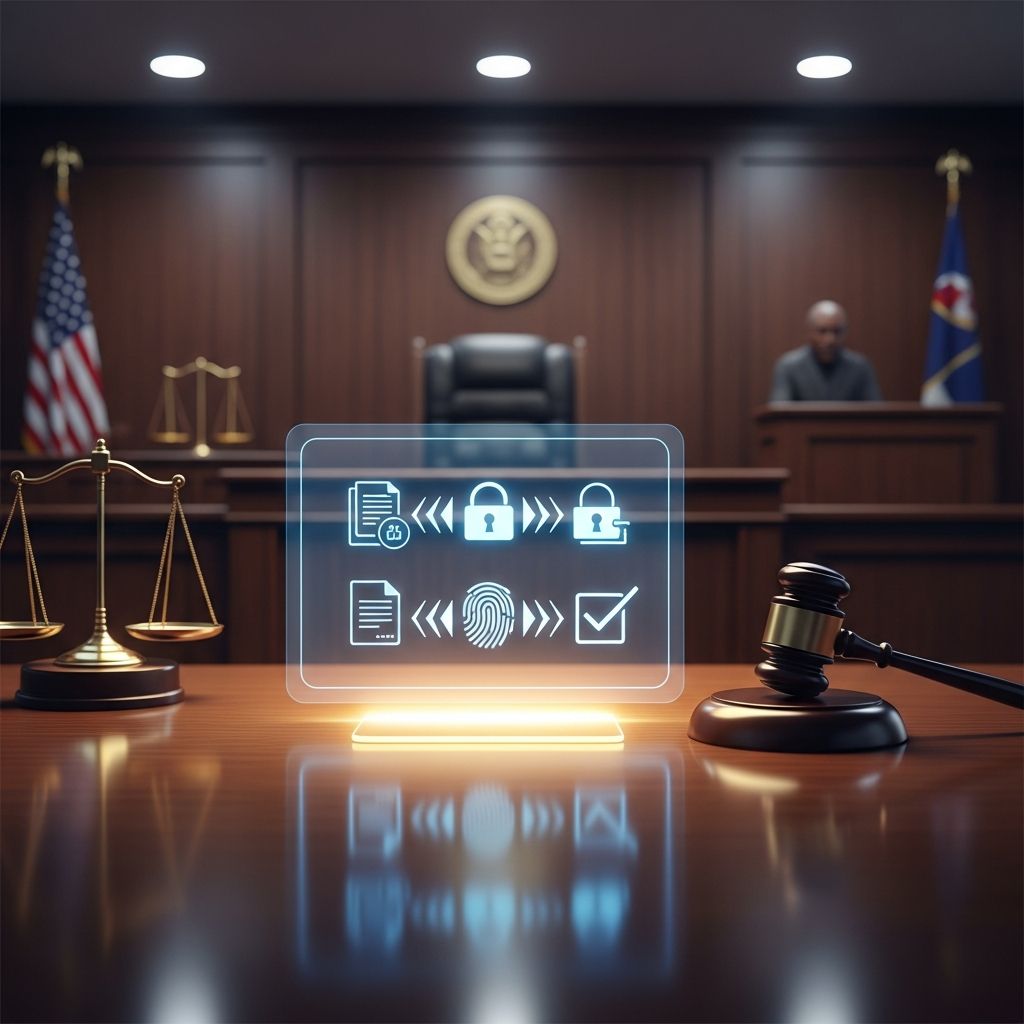
Digital signatures represent a critical technology enabling the legal validity of electronically filed documents. These sophisticated encryption-based mechanisms provide certainty that documents originated from authorized sources and have not been altered after signing.
How Digital Signatures Function
Digital signatures use cryptographic algorithms to create unique mathematical representations of documents. When an authorized person applies a digital signature, the system generates a code that corresponds specifically to both the document content and the signing party’s private encryption key. Any modification to the document after signing would render the digital signature invalid, creating a mathematical audit trail. Recipients can verify that a document genuinely originated from the claimed source and remains unaltered by validating the digital signature against the signer’s public encryption credentials.
Legal Recognition and Enforceability
Most jurisdictions have enacted legislation specifically authorizing digital signatures for legal documents, including court filings. These statutes recognize that digitally signed documents carry equivalent legal weight to handwritten signatures, provided the signatory had proper authorization and the digital signature technology meets established security standards. This legal framework enables attorneys to confidently file electronically authenticated documents knowing that courts will recognize their validity.
Non-Repudiation and Accountability
Digital signatures create an accountability mechanism often described as ”non-repudiation.” Once someone applies their digital signature to a document, they cannot later deny having signed it because the unique mathematical relationship between their private key and the signature proves their involvement. This feature provides courts with assurance regarding document authenticity and helps prevent disputes about whether particular filings were actually submitted by claimed parties.
Practical Implementation Across Court Systems
Electronic filing systems have been adopted with varying scope and sophistication across different jurisdictions. Understanding how these systems function in specific contexts helps legal professionals navigate their implementation.
Mandatory vs. Optional Requirements
Many jurisdictions impose mandatory e-filing requirements for attorneys representing parties in litigation. These mandates typically apply to represented parties while permitting self-represented litigants to continue using traditional paper filing methods. Some courts have implemented complete mandates requiring all submissions through electronic systems, while others maintain hybrid approaches permitting paper filing in limited circumstances or for parties meeting specific exemption criteria.
Document Format Standards
Electronic filing systems standardize document formats to ensure compatibility and consistent processing. Portable Document Format (PDF) has become the near-universal standard for court filings because it preserves document formatting regardless of the originating software and provides security features supporting digital signatures. Systems typically reject documents in other formats or require conversion to PDF before acceptance.
Fee Processing and Payment Methods
Electronic filing systems automate fee collection by integrating payment processing directly into the submission workflow. Filing fees are calculated based on document type and case category, then charged to accounts registered with the court system. Most platforms accept credit card payments or maintain prepaid accounts that attorneys replenish periodically. This automation eliminates manual fee verification and reduces accounting errors.
Advantages for Legal Professionals
Electronic filing systems provide substantial operational benefits that have led to their widespread adoption despite initial implementation challenges.
Efficiency and Time Management
Attorneys can submit documents from their offices at any time without visiting courthouses, eliminating travel time and scheduling constraints. Documents are processed immediately upon submission, and confirmation of receipt is provided instantaneously. Case information is accessible twenty-four hours daily, enabling attorneys to research cases outside standard business hours.
Cost Reduction
Electronic filing reduces expenses associated with courier services, mail delivery, and courthouse visits. Firms no longer need to maintain dedicated staff for physical document delivery or maintain storage space for paper case files. The cumulative savings often exceed the costs of implementing and maintaining electronic filing capabilities.
Improved Accuracy
Digital systems reduce the likelihood of filing errors through automated validation procedures. Documents must meet specific formatting requirements before acceptance, reducing instances of defective filings requiring resubmission. The elimination of handwritten notations and manual data entry substantially reduces transcription errors.
Benefits for Court Systems and Access to Justice
The advantages of electronic filing extend beyond individual legal practices to create systemic improvements in court operations and public access.
Case Processing Efficiency
Courts can process electronically filed documents with substantially greater speed than paper-based systems. Automated routing eliminates queuing delays, and digital case files are instantly available to all authorized personnel. Research indicates that implementation of electronic filing systems reduces average case processing time by significant percentages across various case types.
Public Access and Transparency
Electronic filing systems facilitate public access to case information through secure online portals. Citizens can monitor proceedings and review public documents without visiting courthouses. This transparency promotes confidence in judicial systems and enables journalists and researchers to track cases efficiently.
Data Management and Analytics
Digital systems generate comprehensive data regarding case flow, processing times, and court operations. This information enables court administrators to identify bottlenecks, allocate resources effectively, and implement data-driven improvements to operations.
Challenges and Implementation Considerations
Despite substantial benefits, electronic filing systems present implementation challenges requiring careful management.
Technology Infrastructure Requirements
Courts must invest significantly in server infrastructure, cybersecurity systems, and backup capabilities. Outdated court facilities may require substantial upgrades to support electronic filing platforms. Ongoing maintenance and system updates demand continuous investment.
User Training and Adoption
Legal professionals and court staff require comprehensive training to effectively use new systems. Some practitioners experienced with traditional methods may initially resist adoption of electronic processes. Courts must provide sustained support during transition periods.
Security and Data Protection
Electronic systems require robust cybersecurity measures to protect sensitive case information. Courts must implement encryption, access controls, and intrusion detection systems. Data breaches could expose confidential legal information, making security paramount.
Exemptions and Equity Considerations
Some parties may lack technology access or digital literacy. Courts must maintain paper filing alternatives for self-represented litigants and provide accommodations for those unable to file electronically. Ensuring equitable access remains an ongoing challenge.
File Format Requirements and Technical Specifications
Electronic filing systems impose specific technical requirements ensuring documents remain accessible and verifiable.
| Specification | Standard Requirement |
|---|---|
| File Format | PDF or searchable image format |
| File Size | Typically 25 MB maximum per document |
| Resolution | Minimum 200 DPI for scanned documents |
| Digital Signature | Required for authorized documents |
| Metadata | Must include case number and document type |
Frequently Asked Questions
Q: Are self-represented litigants required to file electronically?
A: Most jurisdictions do not mandate electronic filing for self-represented parties. However, many courts offer the option, and some may provide accommodations to facilitate electronic filing for pro se litigants.
Q: What happens if I submit a document in the wrong format?
A: The electronic filing system will typically reject the document and provide notification explaining the formatting deficiency. You can revise the document and resubmit it. Most courts do not impose penalties for format-related rejections.
Q: Can I file multiple documents simultaneously?
A: Yes, most systems allow filing multiple documents as part of a single submission. You package related documents together, and the system processes them collectively, often calculating combined filing fees.
Q: How do I obtain a digital signature certificate?
A: Courts typically issue digital signature credentials upon registration in the electronic filing system. The registration process verifies your identity and authority to practice law, then provides unique authentication credentials.
Q: Is the electronic version of a document the official filing if I also submit paper copies?
A: Practices vary by jurisdiction. Some courts recognize the electronic version as official, while others maintain that the paper version holds official status. Verify specific requirements with your court.
Q: What security measures protect documents I submit electronically?
A: Courts employ encryption, secure servers, access controls, and audit logging. Your documents are transmitted securely and stored on protected systems. Authentication requirements prevent unauthorized access.
The Future of Digital Court Systems
Electronic filing represents an evolutionary step in court modernization. Emerging technologies including artificial intelligence, blockchain verification, and cloud-based infrastructure promise further enhancements. Courts continue refining systems to improve user experience, enhance security, and expand accessibility.
As digital systems mature, integration between different court jurisdictions may become more seamless, enabling cases spanning multiple courts to be managed through unified platforms. Continued investment in technology infrastructure and user support will determine the pace and extent of these future developments.
References
- Electronic Filing System — Supreme Court of Singapore. Accessed December 10, 2025. https://en.wikipedia.org/wiki/Electronic_Filing_System
- Frequently Asked Questions: Supreme Court Electronic Filing System — United States Supreme Court. Accessed December 10, 2025. https://www.supremecourt.gov/filingandrules/faq_electronicfiling.aspx
- DC Superior Court E-Filing System — District of Columbia Courts. Accessed December 10, 2025. https://dccourts.gov/superior-court/e-filing
- What is E-Filing? — Michigan Legal Help. Accessed December 10, 2025. https://michiganlegalhelp.org/resources/mifile/what-e-filing
- E-filing – Maryland Courts — Maryland Court System. Accessed December 10, 2025. https://mdcourts.gov/mdec/efilingattyfaqs
Similar Articles








Read full bio of Sneha Tete