
Dharun Ravi, Digital Surveillance, and the Limits of Bias Crime Law
How a college webcam spying case reshaped conversations on privacy, bias crimes, and responsibility in the digital age.
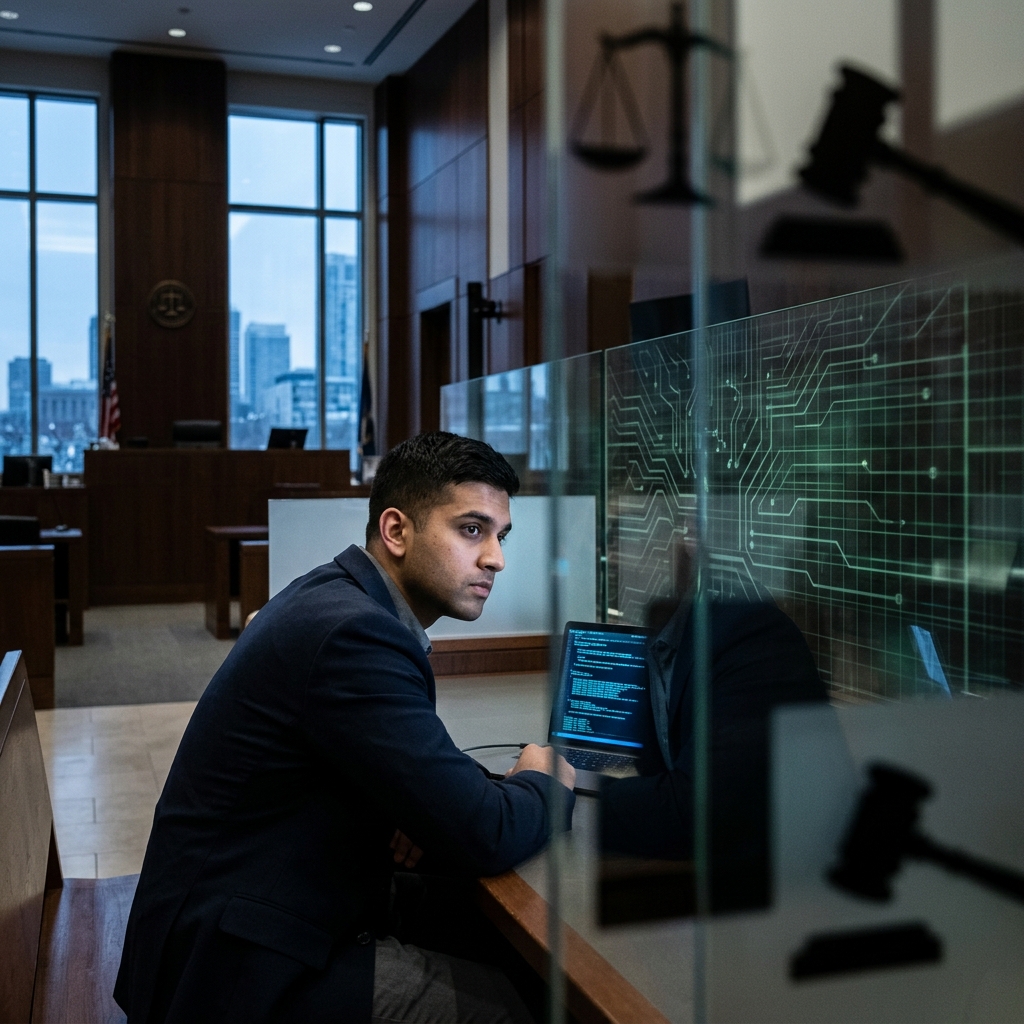
The webcam spying case involving Dharun Ravi and his roommate Tyler Clementi became a defining moment in discussions about digital privacy, bias-motivated conduct, and the reach of criminal law in the online era. The incident, the subsequent suicide of Clementi, and the prosecution of Ravi sparked a national debate: how should the justice system respond when technology-enabled misconduct intersects with sexuality, harassment, and emerging hate crime statutes?
This article offers an original, structured examination of the case and its broader implications. It traces the events, explains the legal charges and sentencing, explores the appeals and changes to New Jersey law, and situates the case within a wider conversation about privacy and bias crimes in the digital age.
Background: Roommates, a Webcam, and a Tragedy
In 2010, Ravi and Clementi arrived as first-year students at Rutgers University in New Jersey and were assigned to share a dorm room. What began as an ordinary roommate pairing escalated into one of the most widely discussed criminal cases connected to campus life and online behavior.
- Tyler Clementi was a young man who had recently come out as gay and was beginning college life while navigating his sexual identity.
- Dharun Ravi was an 18-year-old student, born in India and raised in the United States, familiar with social media and livestream technology.
- Rutgers University provided networked dorm rooms, which made streaming and remote viewing easy using common consumer webcams and laptops.
In September 2010, Ravi used a webcam in their dorm room to secretly view Clementi’s intimate encounter with another man, known in the trial record as “M.B.”. This was not a sophisticated hacking operation; it was misuse of a simple webcam and remote access settings—yet it had serious consequences.
The Two Incidents of Spying
Court records describe two key incidents involving the webcam.
- First incident: Ravi and a friend, Molly Wei, accessed the webcam to watch Clementi and M.B. engage in a private romantic encounter in the dorm room.
- Second incident attempt: Ravi later tweeted and urged others to watch another encounter via the webcam feed, although that second viewing never actually occurred.
These acts were framed by prosecutors as more than a prank. They argued that the spying targeted Clementi because he was gay and that Ravi’s behavior was motivated by bias based on sexual orientation. Shortly after discovering the surveillance and social media posts, Clementi died by suicide after jumping from the George Washington Bridge, an event that brought intense public scrutiny.
Key Legal Charges and What They Mean
The case against Ravi involved multiple charges under New Jersey law. Understanding those charges is essential to grasp why the sentencing and appeals became so controversial.
| Charge | Legal Focus | Relevance in Ravi Case |
|---|---|---|
| Invasion of privacy | Unauthorized viewing or recording of another person in a situation where they have a reasonable expectation of privacy. | Based on Ravi using a webcam to view a private romantic encounter without consent. |
| Bias intimidation | New Jersey’s hate crime statute, enhancing penalties when criminal acts are motivated by bias against characteristics like sexual orientation. | Prosecutors argued Ravi’s conduct was driven by anti-gay bias, making the invasion of privacy a bias crime. |
| Evidence tampering | Destroying, altering, or concealing evidence to hinder an investigation. | Related to claims that Ravi tried to alter or delete digital communications after learning of the investigation. |
| Witness tampering | Attempting to influence or intimidate someone’s testimony. | Connected to interactions with other students who had knowledge of the webcam incidents. |
These charges reflect how modern criminal law handles technology, privacy, and bias. In particular, the bias intimidation count became the most contested and legally complex piece of the case.
The Trial, Conviction, and Original Sentencing
In March 2012, a New Jersey jury found Ravi guilty on multiple counts, including invasion of privacy and bias intimidation. The conviction meant that a non-violent technological invasion was treated, in part, as a hate crime.
Despite the possibility of a much longer prison term, the judge imposed a relatively short jail sentence.
- Jail term: 30 days of incarceration.
- Probation: Three years of probation after release.
- Community service: 300 hours of community service.
- Financial penalties: Approximately $10,000 to a program assisting victims of bias crimes, plus other fines.
- Immigration recommendation: The judge recommended that Ravi not be deported to India, despite being a non-citizen.
Legally, Ravi could have faced up to 10 years in prison due to the combination of charges and the bias intimidation enhancement. The judge delivered a stern public lecture during sentencing but concluded that extreme incarceration was not appropriate given the nature of the conduct and the legislative intent behind the bias law.
Public Reaction to the Sentence
The 30-day sentence divided public opinion and legal commentators.
- Some felt the punishment was too light, given Clementi’s suicide and the emotional harm caused.
- Others argued that the case had already destroyed Ravi’s life prospects and that lengthy imprisonment would not serve justice or deterrence.
- Advocates for LGBTQ+ rights emphasized the need for strong protections against anti-gay harassment, while civil libertarians worried about stretching bias crime laws beyond clearly violent offenses.
Prosecutors announced they would appeal the sentence, seeking a harsher outcome, while Ravi’s defense appealed the convictions themselves.
Appeals and the Fate of the Bias Intimidation Law
In the years following the conviction, appellate courts examined both the way the bias intimidation charges had been applied and the wording of the New Jersey statute.
New Jersey’s High Court and Legislative Changes
In 2013, the New Jersey Supreme Court interpreted the state’s bias intimidation statute in ways that raised questions about its constitutionality, including how much weight could be placed on a victim’s perception versus the defendant’s actual intent. This had implications not just for Ravi, but for other defendants charged under the law.
Eventually, an appeals court vacated Ravi’s bias intimidation convictions and some related counts, ordering a new trial on certain charges. Faced with the legal uncertainty around the statute and the practical realities of retrying such a high-profile case years later, prosecutors and defense counsel moved toward resolution.
Final Plea and Modified Record
By 2016, Ravi entered a plea to a reduced set of charges. He pleaded guilty to attempted invasion of privacy, and the remaining counts—including bias intimidation—were dismissed.
- The original 15-count conviction was largely set aside.
- Bias intimidation was removed from his record, reflecting the change in legal interpretation and application.
- He did not face additional prison time beyond the 30 days already served, of which he reportedly completed about 20 days before early release for good behavior.
This outcome illustrates how rapidly evolving case law and legislative reforms can transform the legal meaning of a conviction even after a sentence has been imposed.
What the Case Reveals About Digital Privacy
The Ravi–Clementi case is often cited in discussions of digital privacy because it involves relatively simple technology—a dorm room webcam—used in a way that violated deeply personal boundaries.
Expectations of Privacy in Shared Spaces
Legally and ethically, privacy is not limited to private homes; individuals retain reasonable expectations of privacy in many shared environments, including dorm rooms, if they are engaged in intimate conduct.
Key insights include:
- Consent is central: Recording or viewing another person’s intimate acts without consent can trigger civil and criminal liability, even if no physical contact occurs.
- Technology simplifies misconduct: Built-in webcams and default remote-access settings make it easy to surveil someone without their knowledge.
- Digital trails matter: Social media posts, logs, and chats became critical evidence both of the spying and of Ravi’s attitudes toward Clementi.
The case underscores the need for universities and individuals to understand and manage digital devices in shared living spaces, including clear rules and education about privacy.
Bias Crimes, Motivation, and Harm
One of the most challenging aspects of the case was determining whether Ravi’s conduct should be treated as a bias crime against Clementi as a gay man.
Intent Versus Impact
Bias crime statutes typically require proof that a defendant acted because of prejudice based on protected characteristics such as race, religion, or sexual orientation. In this case:
- Prosecutors pointed to derogatory comments, tweets, and behavior as evidence of anti-gay bias.
- Defense counsel argued that Ravi was immature and insensitive but not motivated by hatred, and warned against equating poor judgment with hate crime intent.
- Appellate courts later criticized aspects of the statute that relied partly on the victim’s perception of bias rather than the defendant’s mental state.
This tension—between how conduct feels to victims and how the law defines mens rea (criminal intent)—remains a recurring issue in hate crime prosecution.
Non-violent Acts and Enhanced Penalties
Many hate crime laws were originally designed around violent acts, such as assaults or vandalism targeting marginalized groups. Applying them to non-violent but deeply harmful behavior like covert digital spying stretches traditional categories.
Legal commentators noted that:
- Bias intimidation enhancements can dramatically increase potential sentences even when the underlying conduct is non-violent.
- The Ravi case prompted legislators and courts to revisit whether the statute’s language appropriately matched its original intent.
- Future reforms need to balance strong protections for LGBTQ+ and other communities with clear, constitutional standards for proving bias.
Lessons for Universities and Digital Culture
Beyond the courtroom, the case forced universities and policymakers to confront how campus culture, social media, and sexual orientation intersect.
Campus Responsibilities
Higher education institutions have increasingly adopted policies and programs aimed at reducing harassment and promoting inclusive environments. Cases like Ravi’s highlight several needs:
- Orientation on digital ethics: Students should receive explicit guidance that recording or sharing intimate moments without consent is not merely “pranking” but can be a serious violation.
- LGBTQ+ support structures: Robust counseling, support groups, and clear anti-harassment policies are critical in supporting students who face bias related to sexual orientation.
- Reporting and response protocols: Institutions need clear mechanisms for students to report privacy violations and bias incidents, and quick responses to mitigate harm.
The Role of Social Media
Social media platforms amplified the harm. Ravi’s tweets and online comments transformed a private violation into a semi-public spectacle. This reflects broader digital culture patterns:
- Online posts can escalate humiliation and undermine a victim’s sense of safety.
- Statements made in real time may later be used in court to establish intent or bias.
- Young users may underestimate how quickly posts can spread and how permanent they can become in legal records.
Frequently Asked Questions (FAQ)
Did Dharun Ravi directly cause Tyler Clementi’s death?
Criminal proceedings did not charge Ravi with homicide; instead, they focused on invasion of privacy and bias intimidation. While Clementi’s suicide gave the case national attention, the legal charges addressed Ravi’s actions rather than directly attributing causation for the death.
How long was Ravi originally sentenced to jail?
He received a 30-day jail sentence, three years of probation, 300 hours of community service, and financial penalties, even though he could have faced up to 10 years in prison based on the charges and bias enhancements.
What happened to the bias intimidation conviction?
An appeals court vacated the bias intimidation conviction and related counts after changes in the interpretation and constitutionality of New Jersey’s bias crime statute. Ravi later pleaded guilty only to attempted invasion of privacy, and the bias charges were dismissed.
Why is this case still discussed today?
The case is regularly referenced in debates about digital privacy, the scope of hate crime laws, campus culture, and how society should treat harmful but non-violent online misconduct targeting LGBTQ+ individuals.
What broader legal lessons came from the case?
Courts and legislators learned that bias crime laws must clearly define intent and scope, especially when applied to non-violent conduct. The case pushed New Jersey to refine its bias intimidation statute and highlighted tensions between protecting marginalized groups and ensuring fair, constitutional criminal procedures.
References
- New Jersey v. Dharun Ravi — Wikipedia (summary of court records, charges, and procedural history). 2024-01-01. https://en.wikipedia.org/wiki/New_Jersey_v._Dharun_Ravi
- Dharun Ravi pleads guilty in Rutgers webcam case — Associated Press via FOX 5 New York. 2016-04-29. https://www.fox5ny.com/news/dharun-ravi-pleads-guilty-in-rutgers-webcam-case
- Why Rutgers Webcam Case Gleaned National Attention — PBS NewsHour. 2012-05-21. https://www.pbs.org/newshour/show/why-rutgers-webcam-case-gleaned-national-attention
- Star witness testifies in Rutgers webcam spying trial — CBS News via YouTube. 2012-03-09. https://www.youtube.com/watch?v=cNbh-wDUCJQ
- The Story of a Suicide — Ian Parker, The New Yorker (PDF via CCSME). 2012-02-06. https://ccsme.org/wp-content/uploads/2017/01/The-Story-of-a-Suicide.pdf
- Ravi gets light sentence, but a tough lecture — CBS News via YouTube. 2012-05-22. https://www.youtube.com/watch?v=I11yXQNmk9Y
Similar Articles








Read full bio of Sneha Tete


