
Defending Cyber Intruders: Legal Imperatives
Unpacking why robust legal defenses for accused hackers preserve justice, innovation, and civil liberties in the digital age.
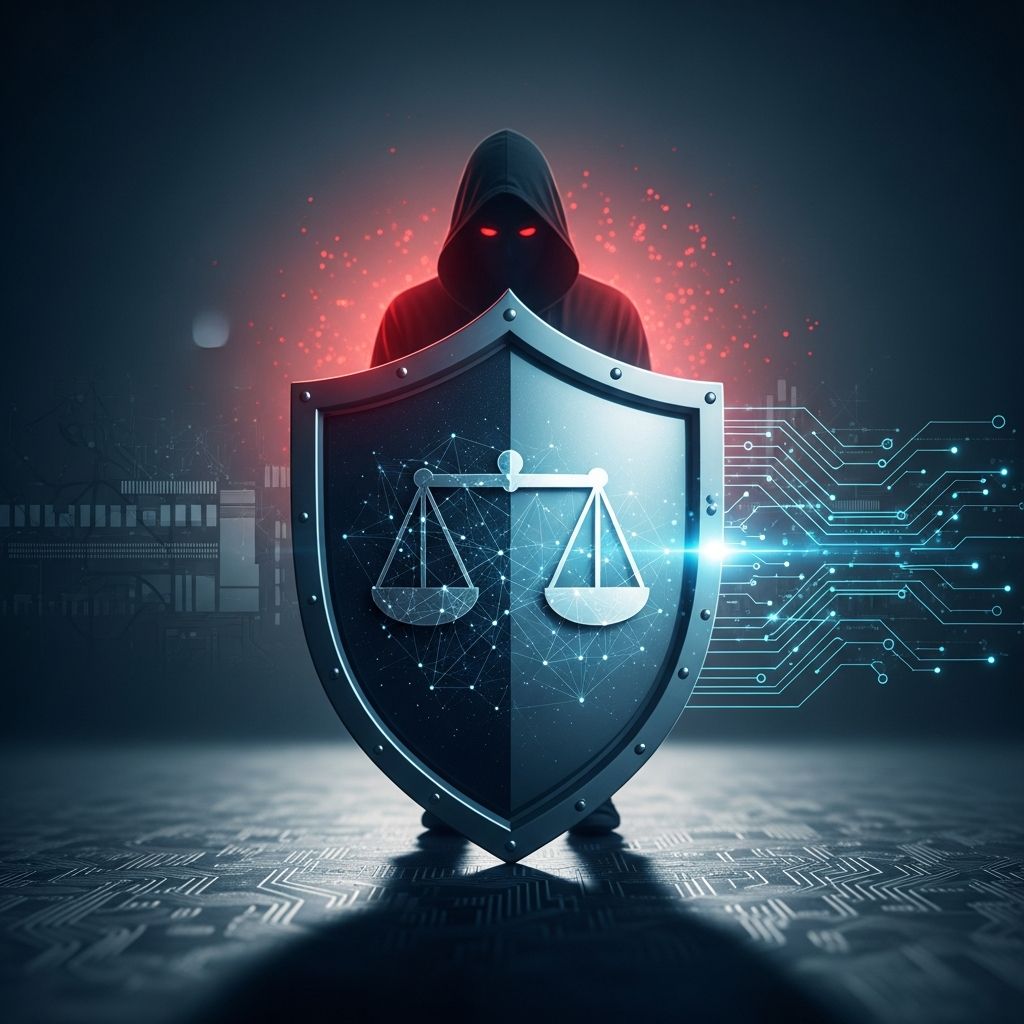
In an era where digital boundaries blur and cybersecurity threats loom large, the knee-jerk reaction to hacking accusations often demands swift punishment. Yet, a closer examination reveals profound legal, ethical, and societal reasons to mount vigorous defenses for those labeled as hackers. Far from endorsing crime, such advocacy safeguards the pillars of justice: presumption of innocence, precise prosecution, and the freedom to innovate. This article delves into the multifaceted arguments for courtroom defenses of cyber defendants, drawing on legal precedents, statutory critiques, and strategic defenses to illuminate why these cases demand nuanced handling.
The Overreach of Cybercrime Statutes
Central to many hacking prosecutions is the Computer Fraud and Abuse Act (CFAA), a 1986 law that has ballooned into a catch-all for digital misconduct. Originally aimed at serious breaches, its vague terms like “exceeds authorized access” ensnare not just criminals but also well-intentioned actors. Defending accused hackers begins with challenging this overbreadth, as ambiguous statutes invite abuse and chill legitimate activities.
Consider how CFAA prohibits even benign “hack-backs” by victims, leaving private entities defenseless against attackers while criminalizing their responses. This asymmetry underscores the need for defense counsel to argue for statutory reform or narrow interpretations in court, preventing the law from stifling cybersecurity research. Without such defenses, innovation grinds to a halt, as researchers fear prosecution for probing vulnerabilities.
Distinguishing Malice from Ethical Inquiry
Not all unauthorized access equates to malice. Ethical hackers, or “white hats,” routinely test systems with implicit or explicit permissions to bolster security. Yet, prosecutors often conflate these efforts with cybercrime, necessitating defenses that highlight intent and context. A core strategy involves proving lack of criminal intent, such as demonstrating the accused’s belief in authorization or accidental access.
- Authorization Beliefs: Defendants may reasonably assume access rights in complex permission structures, a defense bolstered by system logs and communications.
- Accidental Intrusions: System glitches or errors can lead to unintended access, undermining claims of deliberate hacking.
- Research Contexts: Bug bounty programs and academic studies exemplify authorized probing, where defenses pivot on contractual or implied consents.
These distinctions protect societal benefits from vulnerability disclosures, which have thwarted countless breaches. Courts must hear these arguments to avoid punishing public servants in disguise.
Evidentiary Vulnerabilities in Digital Prosecutions
Digital evidence, while powerful, is notoriously fragile. Chain-of-custody breaches, alteration risks, and forensic flaws provide fertile ground for defenses. Attorneys routinely challenge authenticity: Was data properly preserved? Did protocols follow legal standards? Such scrutiny has dismantled cases where evidence integrity faltered.
| Evidence Type | Common Flaws | Defense Tactic |
|---|---|---|
| IP Logs | Spoofing, VPN masking | Prove alternative attributions |
| Forensic Images | Hash mismatches, tampering | Demand independent verification |
| Timestamps | Timezone errors, edits | Cross-reference with external sources |
Moreover, mistaken identity looms large in cyberspace, where impersonation or credential theft frames innocents. Expert witnesses, dissecting digital footprints, often reveal third-party involvement, shifting blame. These evidentiary battles ensure prosecutions rest on solid ground, not digital house of cards.
Presumption of Innocence in the Cyber Age
The bedrock of justice—presumption of innocence—faces unique tests in hacking cases. Media sensationalism and technical complexity sway public opinion, pressuring juries toward guilt. Defenses counter by humanizing defendants, presenting alibis via timestamps or witnesses, and exposing prosecutorial overreach.
In classified data cases, defenses argue lack of knowledge about restrictions or coercion, reframing access as non-malicious. This upholds due process, ensuring the state proves every element beyond doubt. Failing to defend vigorously risks eroding these rights for all, as cyber fears justify shortcuts.
Hack-Back Debates: Victim Rights and Legal Gaps
The prohibition on “hacking back” epitomizes legal imbalances. Victims cannot counterattack or even beacon-trace attackers without CFAA violations, a stance the DOJ reinforces despite ethical quandaries. Defenses for those who do advocate measured responses, proposing frameworks distinguishing high-utility (e.g., attribution) from low-utility (destructive) actions.
- High-Utility: Evidence collection with minimal intrusion, akin to physical self-defense.
- Medium-Utility: Cost-imposition under strict proof standards, with third-party liability.
- Low-Utility: Pure punishment, rightfully reserved for authorities.
Such advocacy pushes for legislative evolution, empowering victims without vigilante chaos. Defenders play a pivotal role in testing these boundaries through litigation.
Strategic Maneuvers in Cyber Defense
Building a robust case demands multifaceted strategies. Begin with charge dissection: Did prosecutors prove all elements, like intent or damage? Common pitfalls include failing to show harm, a CFAA requisite.
Forensic experts dissect evidence, while character witnesses vouch integrity. Plea negotiations leverage weak spots for reductions, but trials showcase technical defenses like system vulnerabilities implying easy access sans intent.
Societal Stakes: Innovation vs. Security
Broad hacker vilification hampers cybersecurity. Ethical disclosures drive patches; suppressing them breeds vulnerabilities. Defenses amplify these voices, arguing public interest overrides rigid enforcement. Economically, leveraging private expertise averts state overbuilds.
Internationally, EU frameworks permit law enforcement hacking under warrants, suggesting U.S. rigidity invites reform. Defending hackers accelerates balanced policies.
Frequently Asked Questions (FAQs)
What defenses work best against hacking charges?
Lack of intent, consent proofs, evidentiary challenges, and mistaken identity top the list, tailored to case specifics.
Is hack-back ever legal?
Currently, no under CFAA, but scholars advocate tiered permissions for non-destructive measures.
Can ethical hacking lead to charges?
Yes, if permissions are unclear; strong documentation and bug bounties mitigate risks.
How vital are forensic experts in cyber cases?
Essential—they validate or debunk digital evidence, often swaying outcomes.
Does media bias affect hacker trials?
Frequently, amplifying defense needs to restore presumption of innocence.
This exploration underscores that defending cyber accused isn’t abetting crime but fortifying justice. By probing laws, evidence, and intents, advocates ensure fairness prevails over fear. (Word count: 1678)
References
- Legal Strategies and Tactics for Fighting Hacking Charges — Josh Lee Law. 2024-06. https://www.joshleelaw.com/blog/2024/06/legal-strategies-and-tactics-for-fighting-hacking-charges/
- Exploring Defenses Against Charges of Unauthorized Access to Classified Data in the US — Leppard Law. N/A. https://leppardlaw.com/federal/computer-crimes/exploring-defenses-against-charges-of-unauthorized-access-to-classified-data-in-the-us/
- Hack-Back: Toward A Legal Framework For Cyber Self-Defense — American University School of International Service. N/A. https://www.american.edu/sis/centers/security-technology/hack-back-toward-a-legal-framework-for-cyber-self-defense.cfm
- Fighting Fire With Fire: Legal And Ethical Issues Of Active Defense And Hacking Back — Hall Booth Smith. N/A. https://hallboothsmith.com/fighting-fire-with-fire-legal-and-ethical-issues-of-active-defense-and-hacking-back/
- Ethics of Hacking Back: Six Arguments From Armed Conflict — de P Lin, SSRN. 2016. https://papers.ssrn.com/sol3/papers.cfm?abstract_id=4682398
Similar Articles








Read full bio of medha deb


